admin
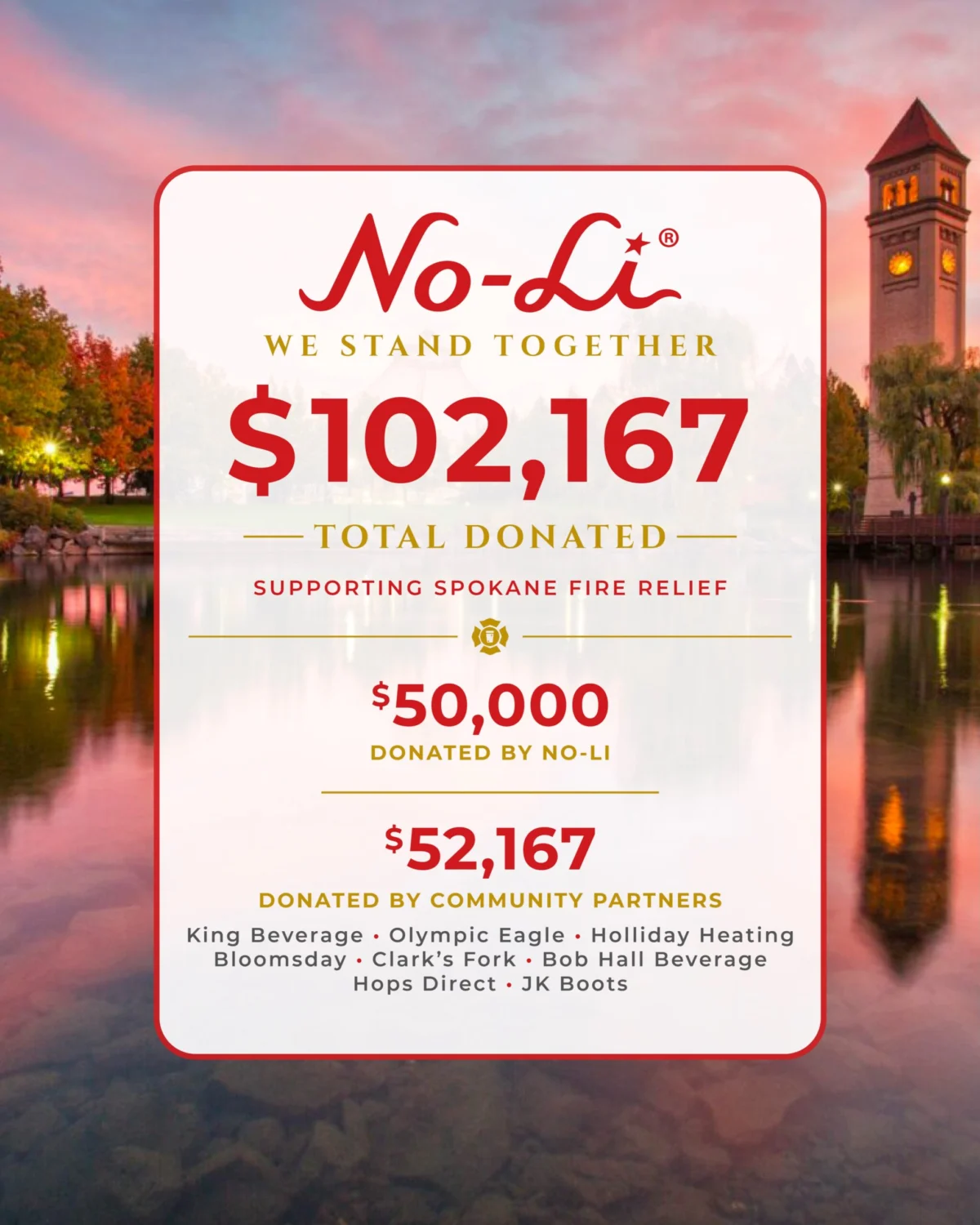
The city of Spokane and its surrounding communities have begun the arduous process of recovery following a devastating series of wildfires that swept through the region this summer, bolstered by a significant influx of private sector support led by No-Li Brewhouse. In a collaborative effort that mobilized local residents and a coalition of family-owned businesses, a total of $102,167 has been raised and donated to the H.O.M.E. Starts Here Fund. This initiative, administered through the City of Spokane, is designed to provide direct, overhead-free financial assistance to families who have been displaced or have lost their primary residences to the catastrophic blazes.
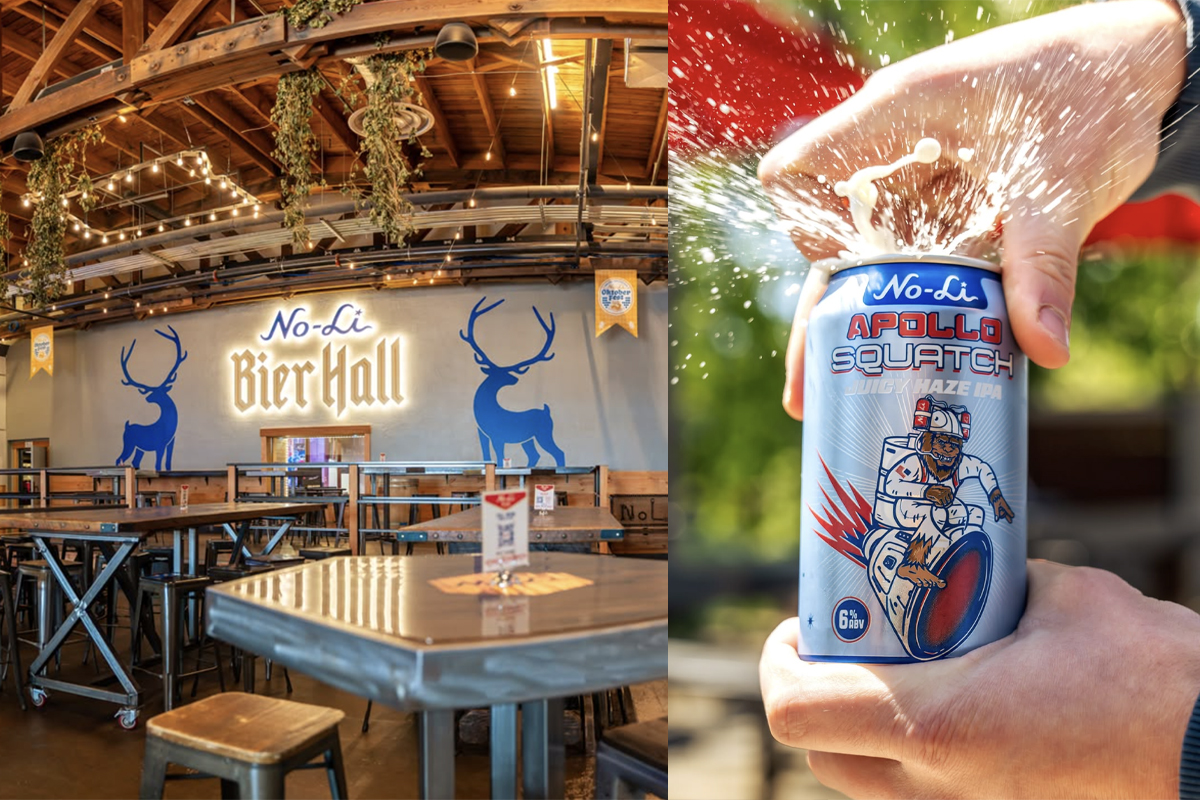
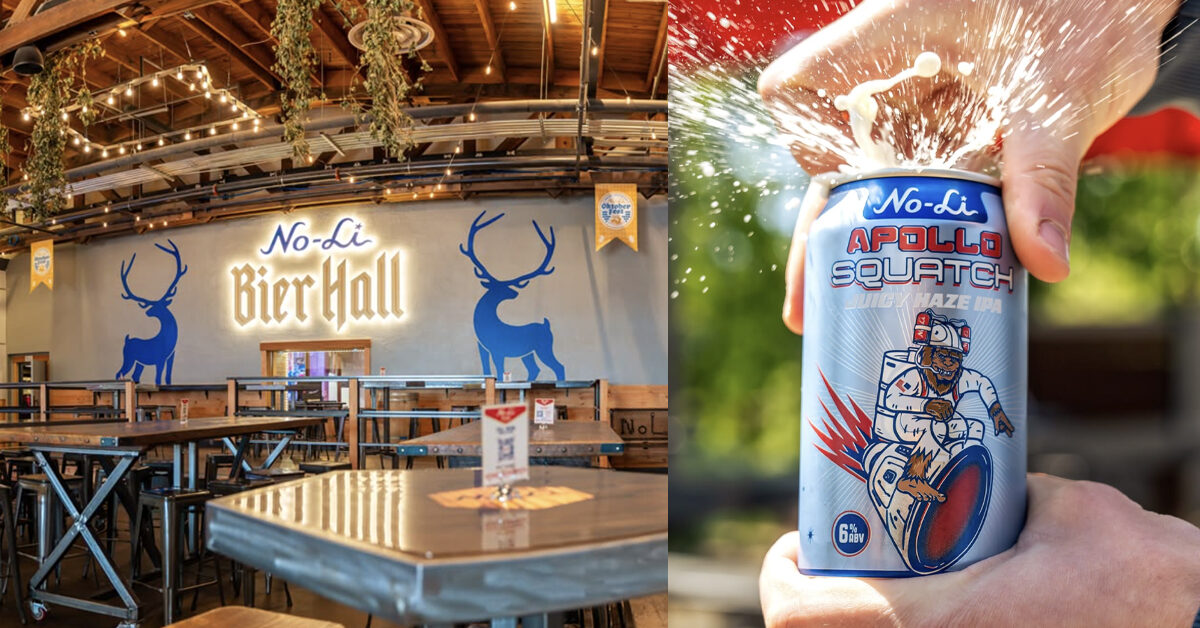
The fundraising drive was spearheaded by No-Li Brewhouse, a prominent Spokane-based craft brewery, which initially committed to donating 100% of its business sales up to a cap of $50,000 starting on August 4. The community’s response was immediate and robust, with patrons frequenting the brewery and purchasing products in a concentrated effort to meet the matching goal. This initial surge of grassroots support was soon amplified by a network of corporate partners and local service providers, who contributed an additional $52,167, more than doubling the original target and setting a new benchmark for private-sector disaster relief in the Inland Northwest.
The Scale of the Disaster: A Region Under Siege
The 2024 wildfire season has proven to be one of the most volatile in recent Pacific Northwest history. In the Spokane region specifically, three major fires—most notably the Gray Fire and the Oregon Road Fire—created a humanitarian crisis of significant proportions. Driven by high winds and record-low humidity levels, these fires moved with a speed that outpaced many early containment efforts, jumping highways and encroaching upon established residential zones.
According to regional emergency management data, the fires collectively destroyed or severely damaged more than 900 homes. The scale of the evacuation was equally staggering, with nearly 70,000 residents forced to flee their properties under Level 3 "Go Now" orders. For many families in the Medical Lake and Elk areas, the fires resulted in a total loss of personal property, infrastructure, and stability. The environmental impact was also profound, as thick plumes of smoke pushed the Air Quality Index (AQI) into "hazardous" categories for several consecutive days, bringing outdoor labor and commerce to a virtual standstill across the Spokane metropolitan area.
The No-Li Brewhouse Initiative: A Model for Corporate Social Responsibility
No-Li Brewhouse has long maintained a brand identity centered on "Spokane Style," a philosophy that emphasizes local pride and community reinvestment. When the fires reached critical mass in early August, the brewery transitioned from standard operations to a dedicated relief mission. By pledging 100% of sales—not just profits—to the relief fund, the organization effectively turned its taproom and distribution channels into a collection point for regional aid.
Jack Bryant, Brand Director at No-Li, emphasized that the initiative was designed to be as low-barrier as possible for the public. "This is what community looks like," Bryant stated. "People all around the region answered the call. Businesses stepped up without hesitation, and together we turned a $50,000 donation into more than $102,000 to support our neighbors affected by these fires."
The success of the drive relied heavily on the "multiplier effect" of local patronage. By purchasing beer at the brewery or from local grocery stores, residents were able to contribute to the fund through their daily consumer habits. This approach allowed the brewery to harness the collective purchasing power of the Spokane populace, transforming a series of small transactions into a six-figure relief package.
Strategic Partnerships and the Coalition of Support
While No-Li provided the initial platform, the final total of $102,167 was made possible by a diverse group of partners representing various sectors of the regional economy. These partners included beverage distributors, service providers, and local manufacturers, many of whom are family-owned entities with deep roots in the Inland Northwest.
The contributing partners included:
- King Beverage and Olympic Eagle: Major regional distributors who facilitated the logistics of the fundraising drive.
- Holliday Heating: A local service provider that contributed to the financial pool, highlighting the involvement of the trades.
- Bloomsday: Representing Spokane’s iconic road race and its associated community spirit.
- Clark’s Fork and Bob Hall Beverage: Local hospitality and beverage partners.
- Hops Direct: A Yakima-based hop farm, illustrating the solidarity between the agricultural supply chain and the urban brewing industry.
- JK Boots: A Spokane-based manufacturer of handmade work boots, representing the local industrial sector.
The involvement of these disparate businesses underscores a broader trend in the Pacific Northwest where the craft brewing industry acts as a "third place"—a social anchor that can quickly pivot to serve as a hub for civic engagement during times of crisis.
The H.O.M.E. Starts Here Fund: Governance and Distribution
A critical component of the fundraising effort was ensuring that the capital reached those in need with maximum efficiency. The funds were directed to the H.O.M.E. Starts Here Fund, an account managed by the City of Spokane specifically for disaster recovery and housing stability.
City leadership has confirmed a "zero-overhead" policy for these specific donations. This means that 100% of the $102,167 will be distributed directly to impacted families. The funds are earmarked for families who have undergone a screening process to verify the extent of their loss and their immediate financial needs. This direct-assistance model is intended to bypass the bureaucratic delays often associated with federal aid, providing "bridge" funding for families waiting on insurance settlements or government grants.
The assistance typically covers immediate needs such as temporary housing costs, the replacement of essential household goods, and security deposits for new rental agreements. By focusing on the "H.O.M.E." aspect (Housing, Outreach, Mid-term support, and Emergency services), the fund aims to prevent the long-term displacement of Spokane residents.
Economic and Social Implications of the Recovery
The loss of 900 homes represents not just a personal tragedy for the owners, but a significant blow to the regional housing market. Spokane, like many Western cities, has faced a tightening housing supply and rising costs over the last several years. The sudden removal of nearly a thousand housing units from the inventory places additional pressure on the rental market and social services.
Analysis of the disaster suggests that the recovery will likely take years rather than months. Infrastructure such as power lines, water systems, and paved roads in the affected rural-urban interfaces must be rebuilt before many residents can even begin to clear their lots for new construction. Furthermore, the psychological impact on a community that saw 70,000 people evacuated cannot be understated.
The private sector’s role in this recovery is vital because it provides a flexible layer of support that public funds often cannot match. While the Federal Emergency Management Agency (FEMA) and state agencies focus on large-scale infrastructure and long-term loans, the $102,167 raised by the No-Li coalition provides the immediate liquidity needed to stabilize families in the weeks following the disaster.
The Road Forward: Rebuilding and Resilience
As the smoke clears and the immediate threat of the fires subsides, the focus of the Spokane community has shifted toward the long-term rebuilding process. The fundraising goal achieved by No-Li and its partners is a significant milestone, but as Jack Bryant noted, it is only the beginning of a much longer journey.
"The fires may no longer be the headline every day, but for the families who lost homes, the road forward is just beginning," Bryant said. "Now comes rebuilding, healing and continuing to show up for one another."
The brewery has expressed its gratitude to every individual who participated in the effort, whether through a direct donation, a purchase, or by sharing the fundraiser on social media. The success of this campaign serves as a case study in how local businesses can effectively intervene in regional crises, leveraging their brand equity and supply chain relationships to generate significant philanthropic capital.
For the residents of Spokane, the $102,167 represents more than just financial aid; it is a tangible sign of regional solidarity. As the city moves into the autumn months, the focus will remain on the H.O.M.E. Starts Here Fund and the families it serves. The City of Spokane continues to accept donations for the fund, acknowledging that the total cost of the recovery will far exceed initial estimates.
The collaborative response to the Spokane wildfires of 2024 demonstrates a resilient community spirit. Through the combined efforts of a local brewery, its patrons, and a coalition of regional businesses, a significant safety net has been woven for those who lost everything. While the landscape of the Inland Northwest has been permanently altered by this summer’s fires, the social fabric of the region appears to have been strengthened by the collective drive to rebuild.