admin
Grand Junction, Colorado, situated at the confluence of the Colorado and Gunnison Rivers, is currently undergoing a significant transformation, positioning itself as a primary alternative to the increasingly congested tourism hubs of the Rocky Mountain West. While the Front Range cities of Denver and Fort Collins have traditionally dominated Colorado’s craft beer narrative, and national parks like Zion and the Grand Canyon have faced unprecedented visitor surges, Grand Junction offers a unique synthesis of high-desert natural splendor and a burgeoning, sophisticated fermentation industry. The city’s strategic location near the Colorado National Monument and the Grand Mesa—the largest flat-top mountain in the world—provides a backdrop for a craft beer scene that is deeply integrated with the region’s outdoor recreation culture.
The Geographic and Historical Context of the Grand Valley
Grand Junction’s name is derived from its historical location at the "junction" of the Gunnison River and the Colorado River, the latter of which was known as the Grand River until 1921. This confluence created a fertile valley that has long been the agricultural heart of Western Colorado. However, in the 21st century, the region’s identity has shifted from purely agrarian to a hub for "adventure tourism."
The natural assets surrounding the city are statistically significant yet remains relatively underutilized compared to neighboring states’ landmarks. The Colorado National Monument, managed by the National Park Service, features 32 square miles of red rock canyons, pinyon pines, and towering monoliths. Despite its proximity to the city, it maintains a level of serenity that is increasingly rare in the American West. Complementing this is the Grand Mesa, which rises to over 11,000 feet and encompasses over 300 lakes, providing a stark alpine contrast to the arid canyon lands below. Furthermore, the Rattlesnake Arches, located within the Black Ridge Canyons Wilderness, hosts one of the highest concentrations of natural arches in the world, second only to Arches National Park in Utah.
A Chronological Overview of the Grand Junction Brewing Industry
The evolution of the craft beer scene in Grand Junction mirrors the broader national "craft revolution" but with a distinct Western Slope character. The industry’s roots in the city can be traced back to 1994 with the opening of The Rockslide Brew Pub. As one of the original craft breweries in the state, Rockslide established a precedent for brewpubs as community anchors.
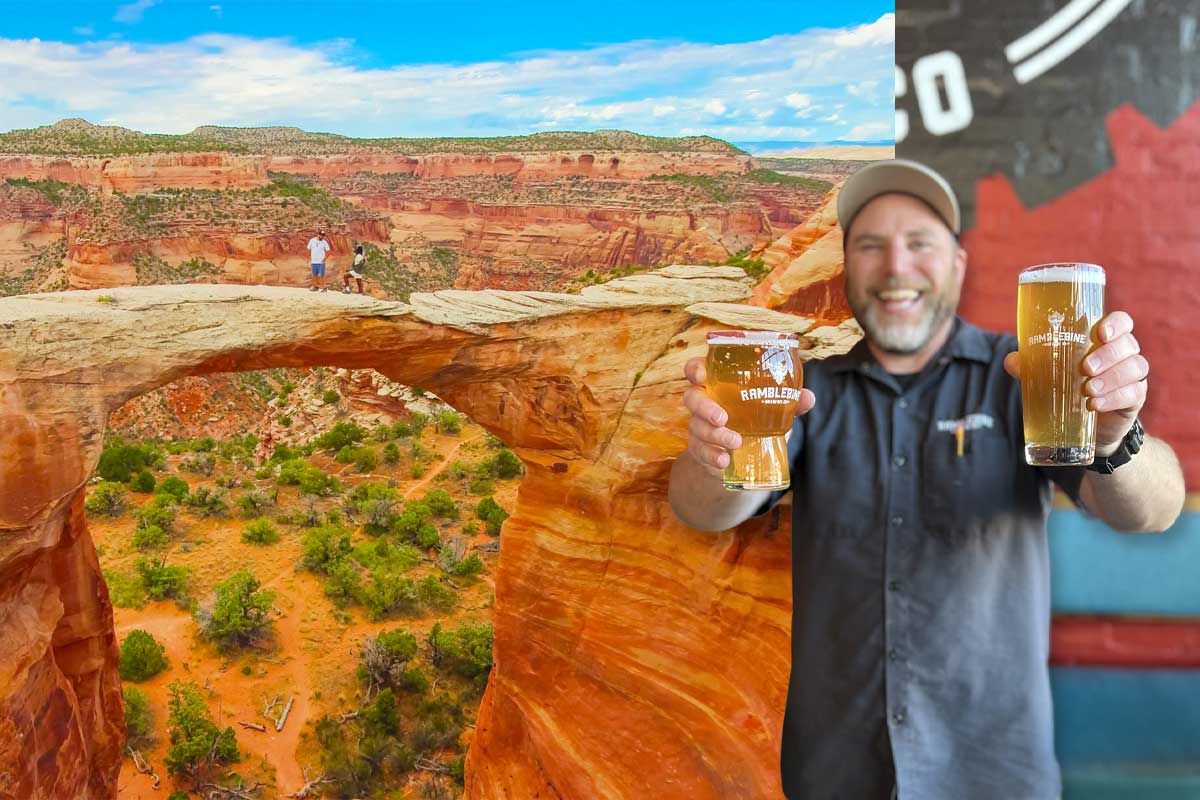
For nearly two decades, the scene remained stable but small. However, the last decade has seen an acceleration in brewery openings, driven by a new generation of entrepreneurs who prioritize stylistic diversity and "destination brewing." The opening of Ramblebine Brewing in 2020, amidst the global pandemic, marked a turning point. Despite the economic headwinds of the era, founders Eli Gerson and Rob James successfully introduced complex styles—such as Norwegian Kveik-fermented ales—to a local palate that was previously accustomed to more traditional American ambers and pales.
This momentum continued with the establishment of Trail Life Brewing and the recent expansion of industry veterans into new ventures like WestCo Brewing. The timeline of development suggests a maturing market that is now attracting significant investment and talent from across the state.
The Synergy of Outdoor Recreation and Craft Fermentation
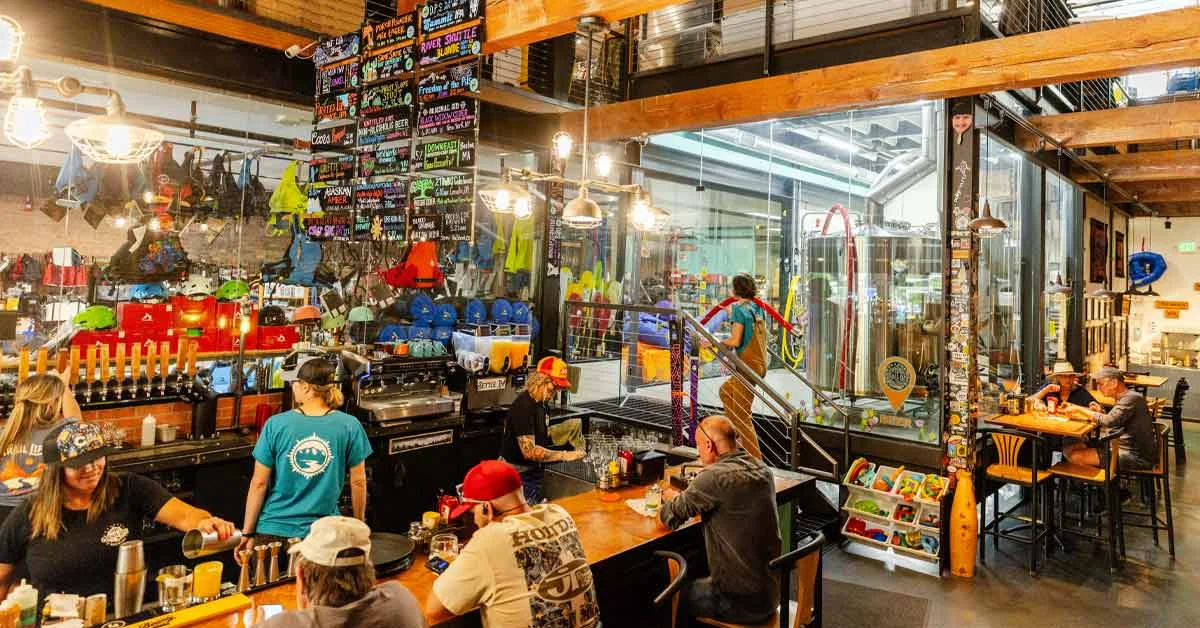
A defining characteristic of Grand Junction’s beer scene is its symbiotic relationship with the outdoor industry. This is most evident in the physical layout of the city’s newest establishments. Trail Life Brewing and Handlebar Tap House are both situated in immediate proximity to professional mountain bike shops, reflecting the "bike and brew" culture that has become a staple of the Western Colorado lifestyle.
Adam Kinsey, a prominent figure in the local scene and owner of Handlebar Tap House and WestCo Brewing, notes that the demographic of Grand Junction is almost entirely composed of outdoor enthusiasts. This observation is supported by regional economic data. According to the Colorado Office of Outdoor Recreation Industry, the sector contributes billions to the state’s GDP, and the Grand Valley is a primary beneficiary of this growth. The "apres-adventure" market—consisting of hikers, mountain bikers, and trail runners seeking high-quality food and drink after a day in the field—has become the primary driver for brewery foot traffic.
Profiles of Key Market Contributors
Ramblebine Brewing: Innovation and Stylistic Breadth
Located in a restored historic building, Ramblebine Brewing has distinguished itself through technical precision and a willingness to experiment with obscure yeast strains. Their flagship, "God Hammer," utilizes Kveik yeast, a traditional Norwegian farmhouse strain known for its high-temperature fermentation and unique ester profile. This focus on innovation is balanced by a commitment to community education, as the staff frequently engages in "style-matching" to help visitors transition from mass-market lagers to complex sours and barrel-aged stouts.
Trail Life Brewing: The Intersection of Sport and Socializing
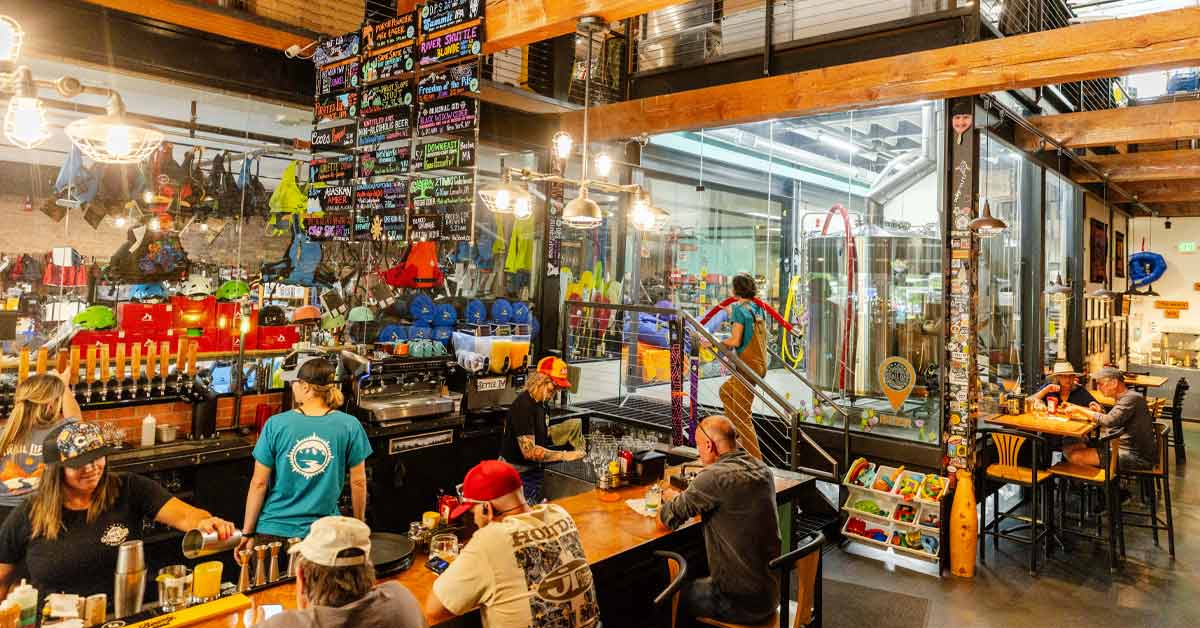
Trail Life Brewing serves as a literal bridge between the retail outdoor industry and the hospitality sector. By sharing a wall with a bike shop, it captures a specific niche of the market. Their tap list is designed for sessionability—beers with lower alcohol content that are refreshing after physical exertion—though they also maintain a rotating selection of bolder styles like Black IPAs and Mexican-style lagers.
WestCo Brewing and the Las Colonias Development
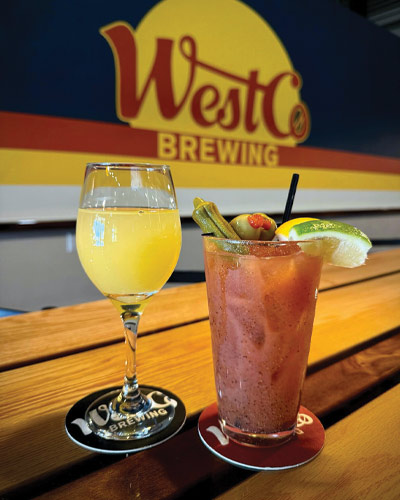
The newest addition to the landscape, WestCo Brewing, represents the strategic urban planning of Grand Junction. Located near the Amphitheater at Las Colonias Park, the brewery is part of a larger riverfront revitalization project. This development aims to connect the city’s downtown core with the Colorado River through parks, business incubators, and recreation zones. WestCo’s culinary program also signals an elevation of the "brewpub" model, incorporating international influences such as Japanese rice lagers and katsu-style dishes alongside regional staples like Colorado elk.
Supporting Data and Economic Impact
The economic significance of the craft beer industry in Colorado cannot be overstated. According to the Brewers Association, Colorado ranks in the top five states for the number of breweries per capita and total economic impact. In 2022, the craft brewing industry contributed over $2.4 billion to the Colorado economy.
In Grand Junction, the growth of the brewery scene acts as a catalyst for "beertourism." Data from the Grand Junction Economic Partnership suggests that diversified tourism—moving beyond just outdoor sightseeing to include culinary and beverage experiences—increases the average daily spend of visitors and extends the length of their stay. By offering a high density of breweries within a walkable or bikeable radius, Grand Junction is successfully capturing a segment of the market that might otherwise bypass the city for more famous destinations.
Analysis of Implications for Regional Tourism
The rise of Grand Junction’s beer scene has broader implications for the management of tourism in the American West. As "over-tourism" becomes a critical issue for the National Park Service and municipal governments in towns like Moab, Utah, or Estes Park, Colorado, Grand Junction serves as a pressure-relief valve.
The city’s ability to offer "crowd-free" natural wonders alongside a sophisticated urban experience provides a sustainable model for growth. By focusing on local craftsmanship and community-centric spaces, Grand Junction avoids the "theme park" atmosphere that often plagues high-traffic tourist towns. The integration of breweries into public works projects, such as the Las Colonias riverfront development, demonstrates a forward-thinking approach to municipal growth where private enterprise and public recreation coexist.
Conclusion and Future Outlook
Grand Junction is no longer merely a waypoint between Denver and Salt Lake City. It has established itself as a destination in its own right, defined by a high quality of life and a robust, creative economy. The craft beer scene, led by innovators at Ramblebine, WestCo, and Trail Life, is a primary pillar of this new identity.
As the city continues to develop its riverfront and expand its trail systems, the brewery industry is expected to grow in tandem. For the beer enthusiast, the region offers a rare opportunity to experience world-class fermentation in an environment that remains authentic and accessible. The convergence of the Colorado and Gunnison Rivers now symbolizes more than just a geographic landmark; it represents the meeting of traditional Western grit and modern, artisanal sophistication.
The trajectory of Grand Junction suggests that the future of Colorado craft beer lies in the Western Slope, where the pace is slower, the crowds are thinner, and the beer is as impressive as the landscape from which it draws its inspiration. Through strategic development and a commitment to quality, Grand Junction has secured its place at the top of the list for discerning travelers and beer connoisseurs alike.