admin
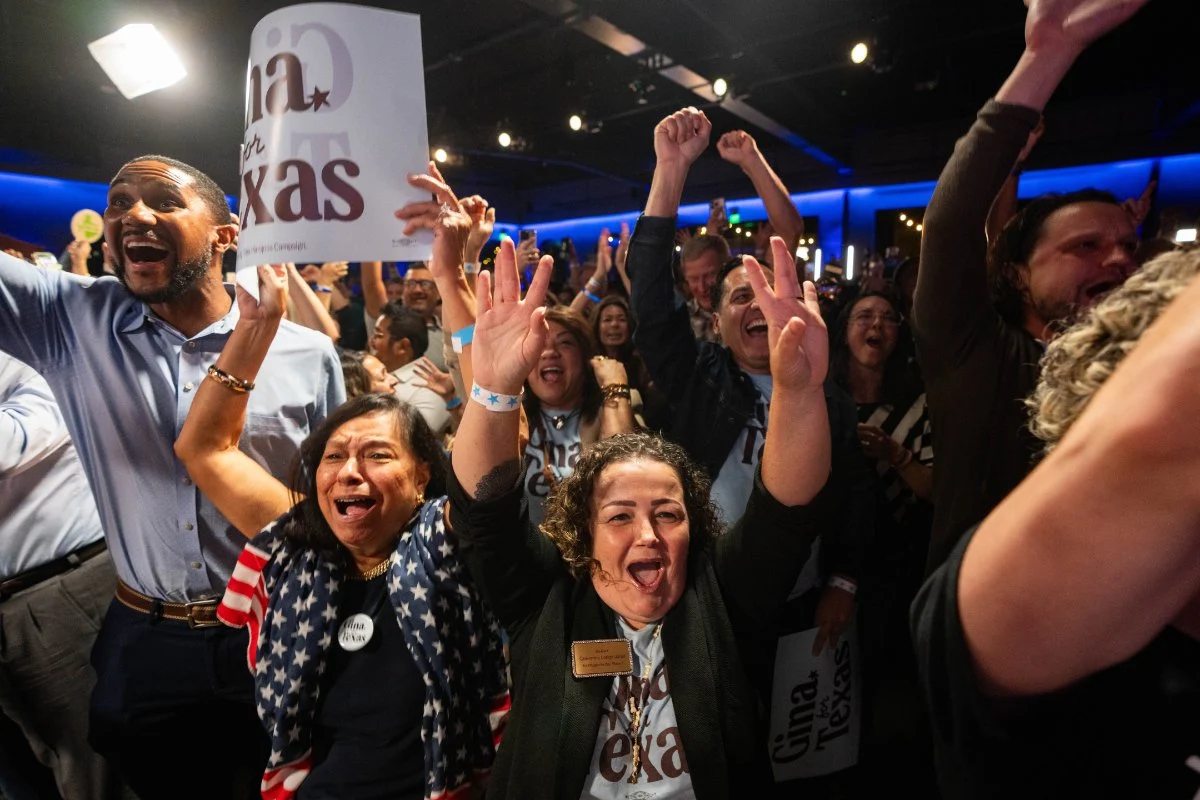
In a stunning electoral upset, pressing food and farm issues proved to be a decisive force, propelling Democrats to sweeping victories in Tuesday’s midterm election. The outcome delivers Democrats control of both the House and Senate, effectively clearing a path toward significant overhauls of federal food and agriculture policies. This shift in power heralds a new era for legislation impacting everything from consumer grocery bills to farmer livelihoods, setting the stage for intense debates and potential reforms in Washington, D.C.
The Mandate from Voters: A Focus on Kitchen Table Economics
The Democratic surge was largely attributed to widespread voter frustration over escalating food prices, soaring agricultural input costs, and concerns about the stability of rural economies. David Ortega, a professor of food economics and policy at Michigan State University, succinctly captured the sentiment, writing on LinkedIn, "Tariffs, diesel, fertilizer, farm labor, and grocery bills were all on the ballot." He added, "The question now is what those results change about food and farm policy." This sentiment underscored a clear mandate from the electorate: address the economic pressures felt directly at the kitchen table and on the farm.
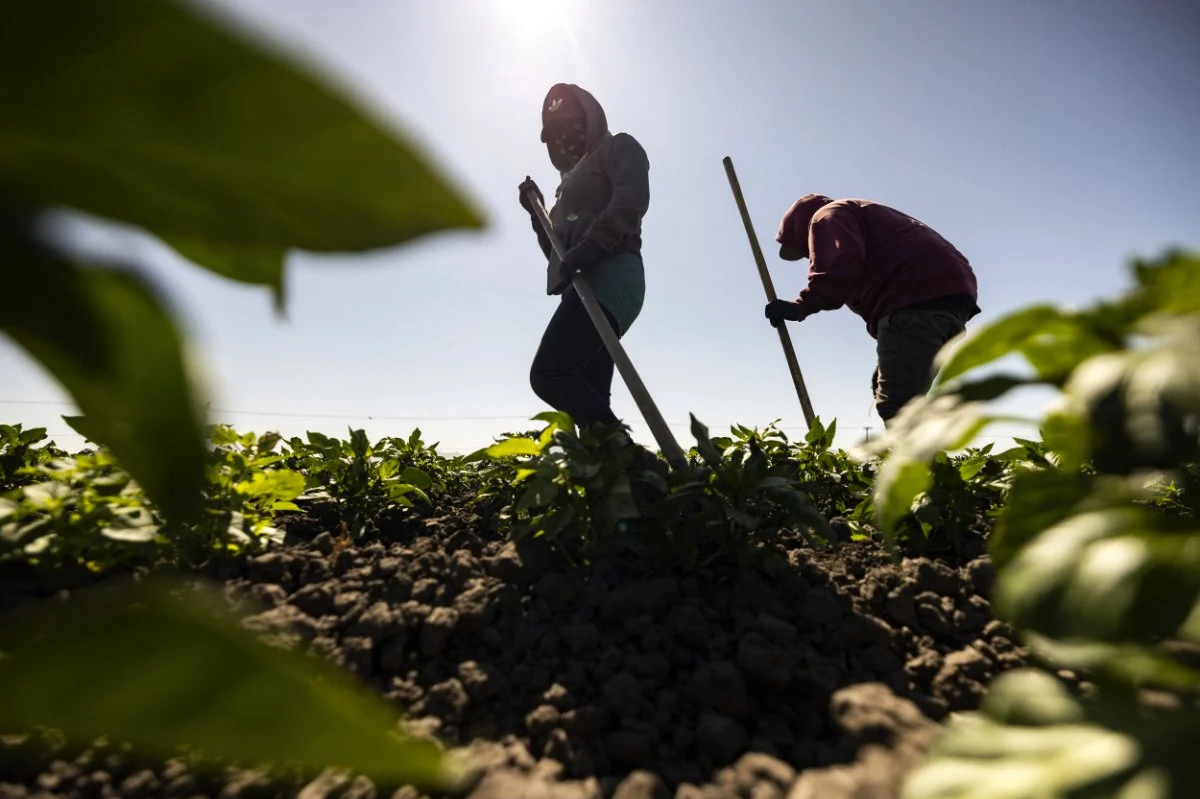
Over the past year, American consumers have grappled with persistent food inflation. Data from the Bureau of Labor Statistics indicated that food-at-home prices had risen by an average of 8.5% in the preceding 12 months, with staples like eggs, dairy, and fresh produce seeing even sharper increases. For farmers, the burden was compounded by a dramatic rise in operational costs. Diesel fuel, essential for planting, harvesting, and transportation, had seen a year-over-year increase of over 25%, largely exacerbated by global geopolitical tensions. Similarly, fertilizer prices, already volatile, surged by an estimated 30-40% due to supply chain disruptions and the ongoing conflict in Eastern Europe. These financial strains, coupled with persistent labor shortages and the lingering effects of trade tariffs imposed in previous administrations, created a powerful impetus for voters to seek change.
Congressional Leadership Shifts and Immediate Priorities
With the newfound majority, Democrats are poised to reshape the legislative agenda. Representative Hakeem Jeffries (D-New York), now set to become the Speaker of the House, wasted no time in outlining key priorities. Speaking on CNN, Jeffries stated that one of the Democrats’ first actions would be to press President Donald Trump to end the protracted war with Iran. This strategic move is not solely geopolitical; it aims to alleviate the economic fallout from the conflict, particularly the high diesel and fertilizer prices that have disproportionately impacted farmers and supply chains.
Beyond foreign policy, the Democratic agenda includes domestic reforms crucial for rural communities. Plans to expand Medicaid and restore Affordable Care Act (ACA) subsidies are high on the list. Farmers and rural residents often face unique challenges in accessing affordable healthcare, with many relying on ACA marketplaces and Medicaid for coverage. The previous administration’s efforts to curtail these subsidies had led to skyrocketing premiums and reduced access, making healthcare a significant concern in many agricultural districts. Restoring these lifelines is seen as a direct response to the economic anxieties of rural voters.
The Pivotal Farm Bill: A New Path Forward
Central to the Democrats’ legislative ambitions is the long-delayed Farm Bill. This comprehensive piece of legislation, typically renewed every five years, is currently three years overdue, having stalled in the Senate due to intractable party-line disagreements. The primary sticking point has been proposed changes by Republicans to the Supplemental Nutrition Assistance Program (SNAP), which Democrats argue would severely cut benefits and increase hunger.
The Farm Bill is a colossal piece of legislation, encompassing everything from commodity price supports, crop insurance, and conservation programs to rural development initiatives and, crucially, nutrition assistance. Its delay has created significant uncertainty for farmers, food banks, and conservation organizations across the nation. The last Farm Bill, enacted in 2018, expired in 2023, and efforts to pass a new version have been mired in partisan wrangling. Republicans had sought to impose stricter work requirements and cap funding for SNAP, arguing for fiscal conservatism and encouraging self-sufficiency. Democrats, conversely, maintained that such cuts would push millions into poverty and exacerbate food insecurity, especially in the wake of economic downturns and natural disasters.
With the Democratic takeover, there is renewed optimism for its passage. Senator Michael Bennet (D-Colorado), who recently highlighted the detrimental effects of the proposed SNAP changes on hunger at a series of roundtables, is now preparing to assume the chairmanship of the influential Senate Agriculture Committee. "I’m committed to go back and to try to make sure that we get this farm bill passed," Bennet told food bank operators at an event in mid-October. He emphasized not only reversing the proposed SNAP cuts but also "improving the work that we’re all doing together," signaling a more expansive vision for the program.
However, Bennet’s chairmanship is not a foregone conclusion. Senator Sherrod Brown (D-Ohio), who achieved a remarkable red-state upset to reclaim a seat he lost two years prior, could challenge for the position based on his former seniority and deep experience on agricultural matters. Both senators are known for their strong advocacy for family farmers and food security, suggesting that regardless of who takes the helm, the committee’s focus will likely shift towards strengthening the social safety net and supporting sustainable agricultural practices.
The change in congressional control also brings new faces to the agriculture committees. On the Republican side, prominent members will depart, opening up key seats. Senator Roger Marshall (R-Kansas), a vocal advocate for traditional agriculture, lost his re-election bid to Democrat Adam Hamilton. Senator Cindy Hyde-Smith’s (R-Mississippi) race remained too close to call at the time of reporting, potentially adding another shift. In the House, Representatives Shontel Brown (D-Ohio) and Jim Costa (D-California) are expected to vie for the top Democratic seat on a House Agriculture Committee that will also see significant changes. Representatives David Valadao (R-California) and Zach Nunn (R-Iowa), both members of the committee, were unseated by Democratic challengers, further altering the dynamics of agricultural policymaking.
State-Level Repercussions and Democratic Governance
While federal law is crafted in Washington, D.C., states are often the front lines of policy implementation. The midterm elections also delivered a significant shift at the state level, with Democratic governors now presiding over a majority of states for the first time since 2010. This has profound implications, particularly for how SNAP changes—or the lack thereof—are rolled out and managed.
"I think you’re going to see Democratic governors continue to stand up against these SNAP cuts and do everything they can to protect people in their states," stated Sam Newton, communications director for the Democratic Governors Association, during a press conference Wednesday. This suggests a more unified front between state and federal Democratic leadership on issues of food security and social welfare. States often have discretion in administering federal programs, and a majority of Democratic governors could lead to more robust state-level initiatives to supplement federal nutrition programs, expand eligibility where possible, and reduce barriers to access.
Several newly elected Democratic governors are already well-known for their attention to food and farming policy. Senator Amy Klobuchar (D-Minnesota), who previously served as the top Democrat on the Senate Agriculture Committee, won the governorship in Minnesota. Her extensive experience and legislative prowess are expected to bring a strong focus on agricultural innovation and rural economic development to the statehouse. Deb Haaland, the former congresswoman and Interior Secretary under President Joe Biden, won the governor’s race in New Mexico. Haaland has spoken publicly about her personal reliance on SNAP benefits to feed her children, giving her a unique and empathetic perspective on food insecurity. In Maine, Hannah Pingree, daughter of Representative Chellie Pingree (D-Maine)—a staunch champion of organic and local food systems—will assume the governorship, indicating a continued emphasis on sustainable agriculture and local food economies in the state. These gubernatorial victories signal a broader trend of integrating food system priorities into state-level governance.
Voter Sentiment: Beyond Partisan Divides on Food Issues
Interestingly, the midterms also highlighted complex voter sentiments regarding food and farm issues that sometimes transcended traditional partisan lines. Republican candidates endorsed by Health Secretary Robert F. Kennedy Jr. and the Make America Healthy Again (MAHA) Action political group generally underperformed. MAHA-endorsed Zach Lahn lost the Iowa race for governor to Democrat Rob Sand, and Texas Attorney General Ken Paxton, another MAHA pick, lost his Senate race to Democrat James Talarico.
However, some advocates suggested that certain food and farm issues championed by MAHA voters—such as confronting corporate power, supporting small farms and local food businesses, and lowering food prices—also resonated deeply with Democrats and independents, driving voter behavior in novel ways. These issues, traditionally associated with progressive movements, found common ground with concerns about market concentration and fair competition that appeal to a broader spectrum of the electorate.
Joe Maxwell, President of the Farm Action Fund and a farmer himself, articulated this evolving rural sentiment in a press release: "Rural America didn’t vote red or blue last night. It voted in support of independent farmers." He continued, "From Iowa to Florida, voters rewarded candidates who stood up to the meatpackers, the pesticide giants and the corporate lobbyists writing farm policy in Washington." This statement points to a growing frustration with the consolidation of power within the agricultural industry and a desire for policies that support the independent farmer rather than large agribusinesses.
National Farmers Union President Rob Larew echoed a similar sentiment, stating, "This election season, family farmers and ranchers made themselves heard. Now those who represent them must deliver." This collective call to action from farmer advocacy groups underscores the expectation that the newly empowered Democrats will not only address immediate economic concerns but also tackle systemic issues within the food and agriculture sector.
Broader Implications and the Path Forward
The Democratic takeover of Congress, while significant, does not eliminate all legislative hurdles. President Trump still retains veto power, meaning any major policy changes will require either bipartisan cooperation or a veto-proof majority—a high bar to clear. However, the shift in control gives Democrats the power to set the legislative agenda, bring bills to the floor, and influence committee priorities.
The implications for the next two years are far-reaching. Beyond the Farm Bill, the new Democratic majority is expected to explore legislation aimed at curbing corporate monopolies in the food sector, potentially introducing new antitrust measures targeting meatpackers and seed companies. There may also be increased investment in climate-smart agriculture, conservation programs, and rural broadband infrastructure, aligning with broader Democratic environmental and economic development goals.
The midterm results represent a clear signal from the American electorate: the health of the nation’s food and farm system is a top priority. The incoming Democratic leadership faces the complex challenge of translating this mandate into effective policy, navigating partisan divides, and delivering tangible improvements for both producers and consumers. The next chapter in federal food and agriculture policy promises to be dynamic, with the potential for profound and lasting changes to how America grows, distributes, and consumes its food.