admin
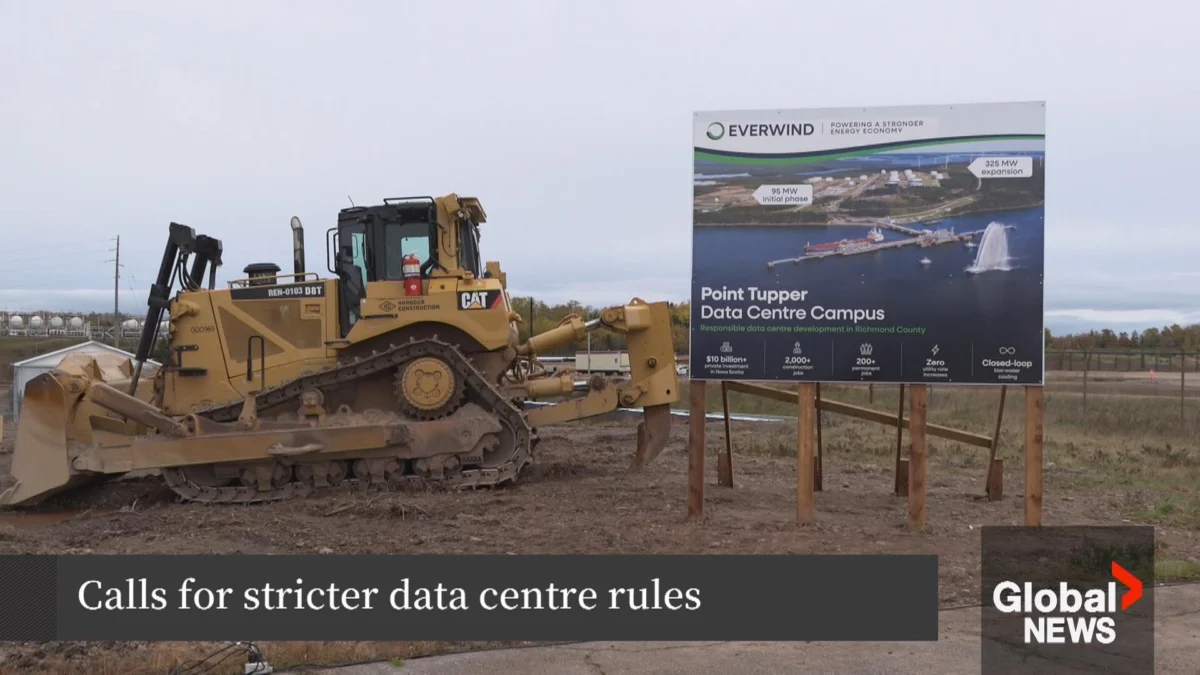
Lower River Inhabitants, N.S. – Residents of Cape Breton gathered for a second crucial public information session this evening, hosted by EverWind Fuels, to scrutinize plans for Nova Scotia’s first major artificial intelligence (AI) data centre. The project, a colossal $10-billion investment located in Point Tupper, has ignited a fervent public discussion regarding its environmental footprint, energy demands, and potential socio-economic impacts on the rural Strait area community. This latest session, held in the rural town of Lower River Inhabitants, followed a similarly packed and extended forum in D’Escousse the previous evening, where over 200 attendees voiced a wide array of concerns and questions to company officials.
The proposed 18,600-square-metre facility represents a significant leap into the digital economy for Nova Scotia, poised to come online by the end of 2027. At the heart of the project is a 20-year lease agreement with American AI powerhouse Anthropic, a leader in the rapidly expanding field of artificial intelligence development. This partnership underscores the global demand for robust digital infrastructure to support the computational intensity of modern AI models, from large language models to advanced machine learning applications. However, the scale of this ambition has prompted residents and experts alike to demand clarity and accountability from EverWind Fuels, particularly concerning the project’s colossal energy requirements and environmental management strategies.
Contextualizing the Megaproject: EverWind’s Vision and Global AI Demands
EverWind Fuels, primarily known for its ambitious green hydrogen and ammonia production initiatives in Atlantic Canada, is expanding its portfolio into digital infrastructure with this data centre. Point Tupper, strategically located with deep-water port access, existing industrial infrastructure, and proximity to potential renewable energy sources, has been identified as an ideal location for such a large-scale development. The company’s move into data centres aligns with a broader global trend where companies are seeking stable, environmentally conscious locations to house their energy-intensive computing operations.
The choice of Anthropic as the primary tenant highlights the project’s significance. Anthropic, known for its commitment to safe and beneficial AI, requires immense computational power to train and operate its advanced models. The demand for such infrastructure is skyrocketing, with global data centre energy consumption projected to increase significantly in the coming years. Industry analyses suggest that AI workloads can be 10 to 100 times more computationally intensive than traditional computing tasks, driving an unprecedented need for purpose-built, high-capacity data centres. This project positions Nova Scotia as a potential hub for next-generation digital infrastructure, attracting further investment and technological development.
Public Engagement: A Chorus of Concerns and Hopes

The information sessions served as vital platforms for direct community engagement. In both D’Escousse and Lower River Inhabitants, the turnout was substantial, reflecting the deep interest and, in some cases, apprehension among Cape Bretoners. Attendees posed probing questions that extended beyond basic project details, delving into long-term impacts.
Specific concerns raised included:
- Environmental Protections: Residents sought detailed assurances regarding the data centre’s environmental safeguards. Questions centered on water usage for cooling systems, potential noise pollution from cooling towers, land use impact in a relatively pristine rural area, and waste heat management. There was a palpable desire for robust environmental impact assessments (EIAs) that consider the cumulative effects of such a large industrial undertaking.
- Electricity Demands: The proposed energy consumption was a major point of contention. The initial phase will draw 95 megawatts (MW) of electricity, with a planned expansion in 2028 bringing the total to a staggering 325 MW. To put this in perspective, 325 MW represents a substantial portion of Nova Scotia’s current grid capacity, which averages around 1,600 MW, prompting worries about grid stability, increased electricity rates for consumers, and the source of this power. Many residents expressed concern that this demand could necessitate reliance on fossil fuel-generated electricity, undermining the province’s climate goals.
- Job Creation and Local Benefit: While the $10-billion investment promises economic benefits, community members questioned the nature and quantity of jobs that would be created. They sought clarification on whether these would be specialized roles requiring external expertise or if there would be significant opportunities for local hiring, training, and supply chain engagement. There was a desire to ensure the project translated into tangible, sustainable benefits for the local workforce and businesses, rather than merely acting as an isolated industrial enclave.
- Infrastructure Strain: Discussions also touched upon the potential strain on local infrastructure, including roads, housing, and emergency services, particularly during the construction phase. The influx of workers and materials for a project of this magnitude could significantly impact the smaller communities surrounding Point Tupper.
- Regulatory Oversight: Some attendees, echoing sentiments from legal experts, highlighted the need for specific regulatory frameworks tailored to the unique characteristics of AI data centres, rather than relying solely on existing industrial regulations. They argued that the novel nature of these facilities, particularly their energy and cooling demands, warrants bespoke oversight.
EverWind officials acknowledged the validity and depth of the community’s concerns. A spokesperson for the company stated, "We understand that a project of this scale will naturally generate questions, and we are committed to an open and transparent dialogue with the community. These sessions are invaluable for us to hear directly from residents, understand their priorities, and integrate their feedback into our planning." The company reiterated its commitment to ongoing consultations and providing detailed information as the project progresses through various regulatory approvals.
The Energy Conundrum: Powering the AI Future
The most significant and complex challenge associated with the Point Tupper data centre is its immense energy requirement. The projected 325 MW consumption in its expanded phase is comparable to the electricity demand of a medium-sized city. This figure places considerable pressure on Nova Scotia’s electricity grid, managed by Nova Scotia Power. The province is currently in a critical phase of transitioning away from coal-fired electricity generation and increasing its reliance on renewable sources like wind and hydro.
EverWind Fuels has positioned itself as a leader in green energy, and the company has indicated its intention to power the data centre with renewable electricity. This commitment is crucial for the project’s social license and aligns with Nova Scotia’s ambitious climate targets. Potential solutions discussed by energy analysts include:
- Dedicated Renewable Energy Projects: Developing new wind farms or solar arrays specifically to supply the data centre.
- Integration with Green Hydrogen Initiatives: Leveraging EverWind’s broader green hydrogen strategy, potentially using excess renewable electricity that would otherwise be curtailed.
- Grid Modernization: Collaborating with Nova Scotia Power to upgrade transmission infrastructure and enhance grid stability to accommodate the significant load.
However, the rapid timeline for the data centre’s operational launch by late 2027 and its expansion in 2028 presents a formidable challenge for securing and integrating such a substantial amount of renewable energy within a short timeframe. Energy policy analysts suggest that meticulous planning and substantial investment will be required to ensure the data centre contributes to, rather than detracts from, the province’s green energy transition. The Canadian Press video linked in the original article, featuring a legal expert weighing in on calls for regulations surrounding data centre development, underscores the urgency of addressing these energy and regulatory questions comprehensively.

Economic Vibrancy vs. Environmental Stewardship
The $10-billion investment is a monumental figure for Nova Scotia, a province that has historically sought to attract large-scale industrial projects to stimulate economic growth. The construction phase alone is expected to generate hundreds of jobs, providing a significant boost to the regional economy. Beyond construction, the operational phase will create dozens of highly specialized, high-paying technical roles in areas such as data centre management, cybersecurity, network engineering, and AI operations.
Economic development agencies view the project as a catalyst for establishing a robust digital economy in the province. "This data centre is not just about servers and electricity; it’s about signaling Nova Scotia’s readiness to be a player in the global digital future," remarked a spokesperson for a regional economic development body (inferred). "It has the potential to attract ancillary tech businesses, foster innovation, and create a highly skilled workforce that can drive long-term prosperity."
However, this economic promise must be carefully balanced with the imperative of environmental stewardship. Environmental advocacy groups have called for the highest standards of environmental assessment and monitoring. Dr. Emily Green, an environmental scientist specializing in industrial ecology (inferred), highlighted the need for "a holistic approach that considers the entire lifecycle of the data centre, from its construction materials to its energy sources, water consumption, and eventual decommissioning. Sustainable development means more than just green energy; it encompasses minimizing all forms of ecological impact."
The Regulatory Framework and Future Oversight
Nova Scotia’s existing regulatory framework for large industrial projects, primarily governed by the Environment Act and oversight from the Utility and Review Board, provides a foundation for assessing projects like the EverWind data centre. However, the unique characteristics of AI data centres, particularly their unprecedented energy demands and sophisticated cooling technologies, have prompted calls for more specialized regulations.
Legal experts suggest that provinces, including Nova Scotia, may need to develop bespoke policies and guidelines for data centre development. These could include:

- Mandatory Renewable Energy Sourcing: Strict requirements for data centres to source a certain percentage, or all, of their electricity from certified renewable sources.
- Water Conservation Measures: Regulations encouraging or mandating advanced closed-loop cooling systems or using non-potable water sources.
- Carbon Offset Programs: Requirements for facilities to offset any unavoidable carbon emissions.
- Transparency and Reporting: Mandatory public reporting on energy consumption, water usage, and environmental performance.
Such regulations would not only provide greater clarity and assurance to the public but also help guide developers towards more sustainable practices, ensuring that economic growth does not come at an unacceptable environmental cost.
A Detailed Timeline of the Project
- October 16, 2026: EverWind Fuels officially announces plans for Nova Scotia’s first AI data centre in Point Tupper, N.S., revealing Anthropic as the key tenant. Initial project details, including the $10-billion investment and proposed square footage, are released.
- November 3, 2026: First public information session held in D’Escousse, N.S., attracting over 200 attendees. The session runs late as community members raise initial questions and concerns about the project.
- November 4, 2026: Second public information session held in Lower River Inhabitants, N.S., providing another opportunity for local residents to engage with EverWind Fuels officials.
- Late 2026 – Early 2027: Expected period for the submission of detailed environmental impact assessments (EIAs) and other regulatory applications to provincial authorities. Public review periods for these documents would follow.
- Mid-2027: If regulatory approvals are granted, initial site preparation and construction are anticipated to commence.
- End of 2027: Phase 1 of the AI data centre is targeted to come online, drawing an initial 95 megawatts of electricity.
- 2028: Planned expansion of the data centre, increasing its total electricity draw to 325 megawatts.
Looking Ahead: Balancing Progress with Preservation
The EverWind Fuels AI data centre project in Point Tupper represents a pivotal moment for Nova Scotia, symbolizing both the province’s aspiration to participate in the global digital economy and the enduring challenges of balancing industrial development with environmental sustainability and community well-being. The public consultations have underscored a vigilant and engaged citizenry that demands accountability and transparency from large corporations.
EverWind Fuels has a significant task ahead: to not only construct a state-of-the-art facility but also to build trust within the community by demonstrating a genuine commitment to environmental protection, local economic benefit, and responsible energy management. The ongoing dialogue, coupled with robust regulatory oversight, will be crucial in shaping a project that can truly serve as a model for sustainable digital infrastructure development in Atlantic Canada and beyond. As Nova Scotia navigates its energy transition and seeks new avenues for prosperity, the Point Tupper AI data centre will undoubtedly remain a focal point of public and policy discourse.