admin
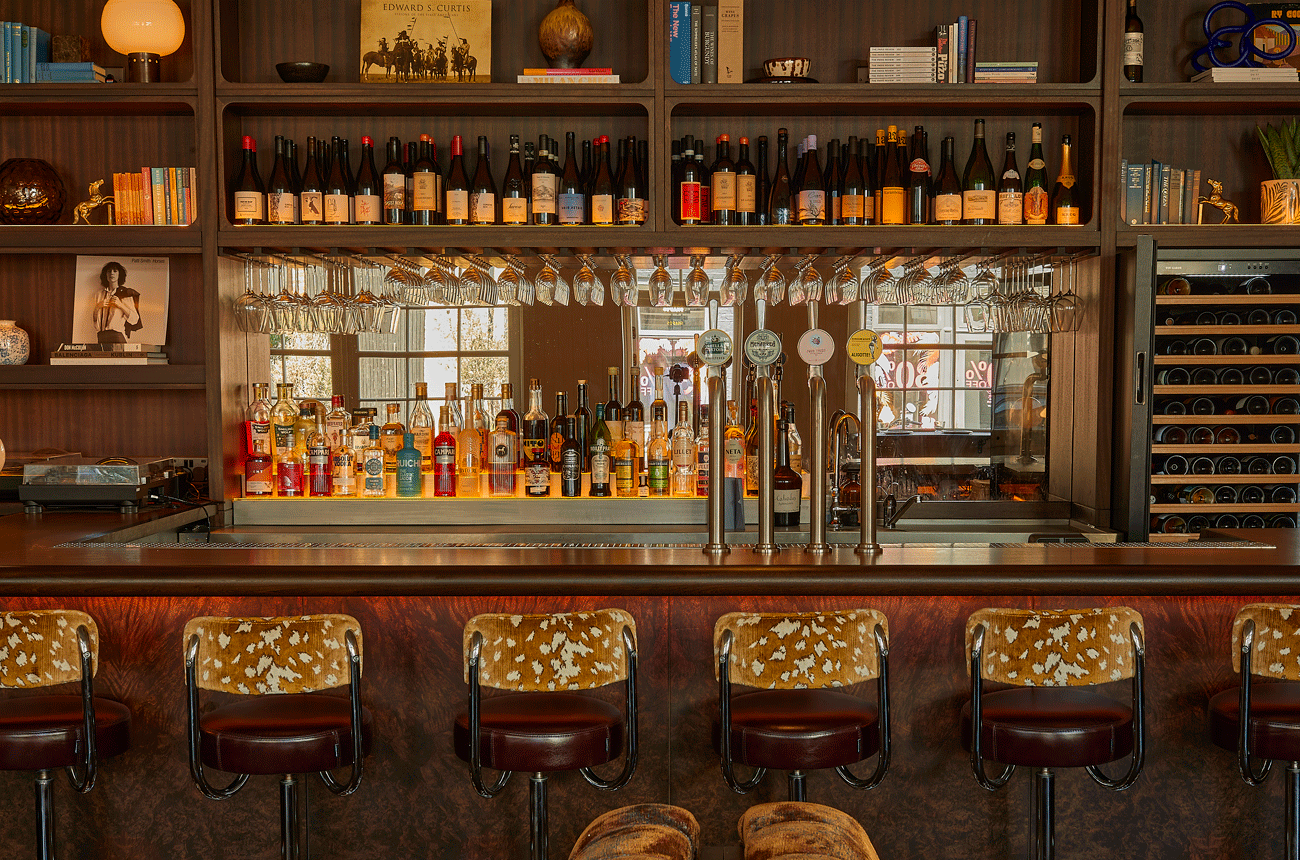
London stands as an undisputed global epicentre for cocktail aficionados, a city where mixology transcends mere drink-making to become an art form and a cultural experience. From establishments steeped in history that inspired literary legends to avant-garde venues pushing the boundaries of flavour and presentation, the capital offers an unparalleled diversity of drinking experiences. This dynamic landscape caters to every palate, whether one seeks the comforting familiarity of a perfectly executed Old Fashioned or the exhilarating novelty of a molecular mixology creation. The city’s cocktail bars are not just places to drink; they are destinations, each telling a unique story through its ambiance, its concoctions, and the philosophy of its creators. This comprehensive overview delves into the historical trajectory, economic impact, and distinct characteristics of London’s most celebrated cocktail establishments, providing a snapshot of a scene that continues to innovate and captivate.
The Evolution of London’s Cocktail Culture
London’s affair with cocktails is a storied one, stretching back to the late 19th and early 20th centuries. The advent of the "American Bar" concept, pioneered by establishments like The Savoy’s American Bar in 1893, introduced sophisticated mixed drinks to a British audience, often prepared by American bartenders fleeing Prohibition. These early venues set a precedent for elegance and expert craftsmanship, establishing London as a significant hub for cocktail innovation. However, the mid-20th century saw a decline in cocktail culture, as simpler drinks and pub culture dominated.
The true renaissance began in the late 1990s and early 2000s, driven by a new generation of passionate bartenders and bar owners. This period marked a shift towards premium ingredients, classic cocktail revivalism, and a renewed focus on hospitality and guest experience. The opening of venues like Nightjar in 2010, which celebrated its 15th anniversary last year, epitomises this resurgence. Its speakeasy concept, harking back to Prohibition-era mystique, combined with live jazz and innovative drinks, became a blueprint for many subsequent successful ventures. This era saw London bars consistently challenging and elevating global standards, cementing the city’s reputation as a world leader in mixology.
London as a Global Cocktail Capital: Data and Industry Impact
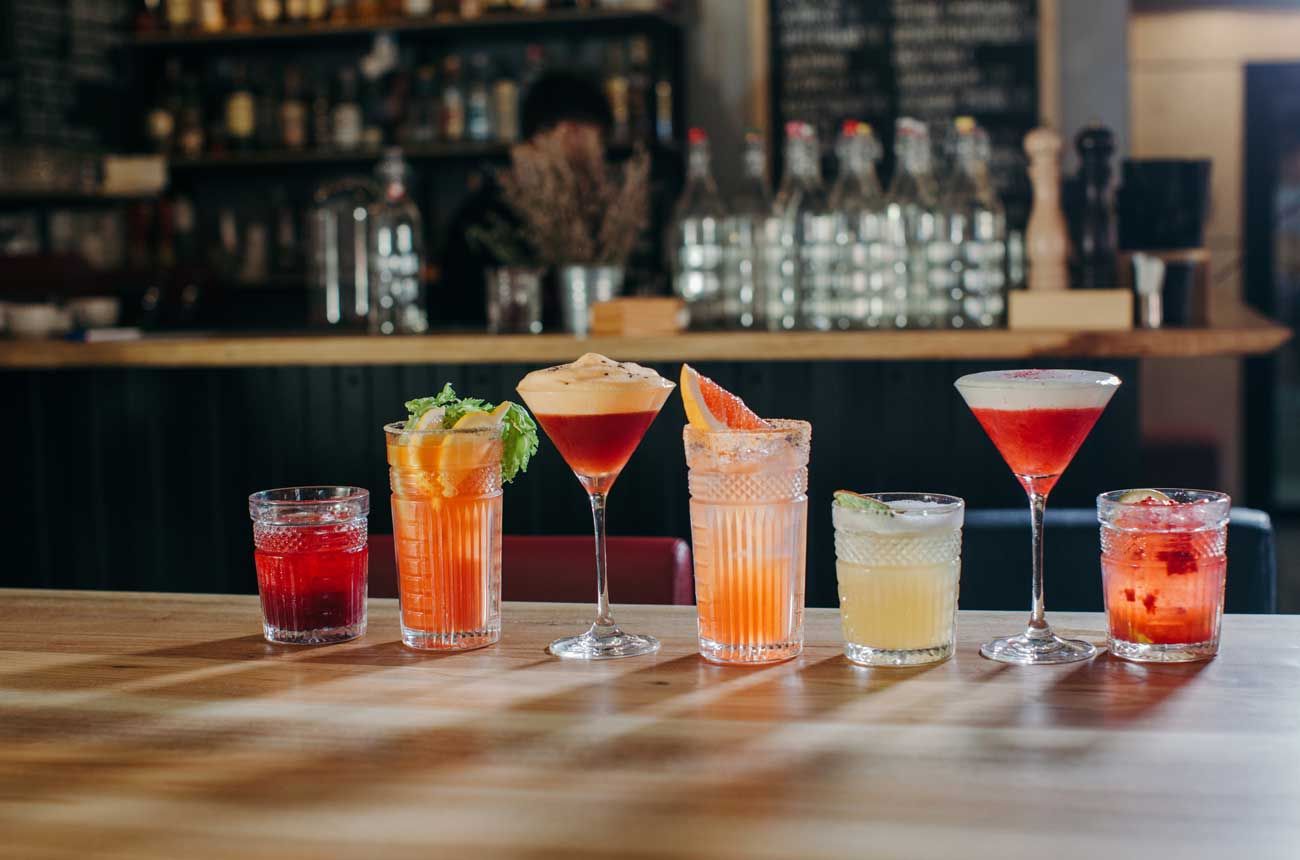
London’s prominence in the global cocktail scene is not merely anecdotal; it is substantiated by consistent recognition in prestigious international rankings. Year after year, multiple London establishments feature prominently in "The World’s 50 Best Bars" list, a testament to the city’s unwavering commitment to excellence and innovation. This sustained presence not only boosts London’s cultural standing but also contributes significantly to its economy.
The hospitality sector, of which high-end cocktail bars are a vital component, contributes billions to the UK economy annually. In London alone, the sector supports hundreds of thousands of jobs, ranging from skilled mixologists and bar managers to support staff. Industry analysts highlight that the city’s diverse and high-quality bar offering acts as a significant draw for international tourism. According to recent tourism board reports, a substantial percentage of visitors cite London’s vibrant nightlife and dining scene, including its cocktail bars, as a primary motivation for their trip. The growth in the premium spirits market, which has seen a steady increase over the past decade, further underscores the public’s appetite for sophisticated and expertly crafted beverages, directly benefiting London’s top-tier bars. The competitive landscape among these establishments also fosters continuous innovation, ensuring that London remains at the forefront of global beverage trends.
A Curated Journey Through London’s Premier Cocktail Bars

London’s cocktail scene is characterised by its extraordinary breadth, encompassing everything from experimental laboratories of flavour to bastions of old-world charm. Our curated selection showcases this diversity, highlighting establishments that have either defined trends or perfected timeless classics.
The Vanguard of Innovation: Lyaness and A Bar with Shapes for a Name
At the forefront of conceptual mixology are bars like Lyaness and A Bar with Shapes for a Name, venues that challenge traditional notions of drink-making through intellectual curiosity and artistic expression.
Lyaness
Located within the Sea Containers London, Lyaness is the brainchild of the endlessly creative Ryan Chetiyawardana, widely known as Mr Lyan, whose influence on modern mixology is undeniable. Lyaness distinguishes itself through its conceptual approach to cocktail menus. The current list, "Collaboration 2.0," exemplifies this by exploring how ideas and processes from disparate fields can be translated into drinks. For instance, the tequila-based Rainwater Fix draws inspiration from Roman concrete, utilising pineapple treated with specific enzymes and proteins to shift its flavour profile towards a more savoury and structurally complex character. This meticulous process results in a tropical serve with unexpected depth and sophisticated mouthfeel, encouraging patrons to leave their preconceptions at the door and embrace a truly novel drinking experience. Mr Lyan’s pioneering work, which also includes the critically acclaimed Seed Library in Shoreditch, consistently pushes the boundaries of what a cocktail can be, making Lyaness a must-visit for those seeking the cutting edge of liquid artistry.

A Bar with Shapes for a Name
Situated at 232 Kingsland Road, Whitmore Estate, A Bar with Shapes for a Name offers a distinct minimalist aesthetic deeply inspired by the German Bauhaus movement. Patrons are greeted by a subtle signage featuring a yellow triangle, red square, and blue circle, a direct nod to the geometric principles of Bauhaus art. Inside, the design ethos is reflected in the achingly hip retro furniture, the chic boiler suits worn by the staff, and the overall uncluttered, elegant space. Even the ice cubes, meticulously crafted, are presented as works of art, underscoring the bar’s dedication to detail. The cocktail menu, concise yet impactful, features a short list of six "House Cocktails" and six "Classic Drinks" with a unique house twist. The Pastel, a delicate blend of vodka, rhubarb, recomposed lime, and Capreolus raspberry, exemplifies their innovative flavour pairings, while the Birne combines whisky, pear, and olive for a surprising savoury note. Classic drinks, such as the Negroni, receive an unexpected infusion of coconut oil, demonstrating their playful yet refined approach. Due to its popularity, particularly on weekends, reservations are strongly recommended to secure a table at this cool and captivating establishment.
Timeless Elegance and Bespoke Craft: The Connaught Bar and Dukes Bar
For those who appreciate classic sophistication and impeccable service, London offers bastions of refined cocktail culture, where tradition and luxury intertwine.
The Connaught Bar
Nestled within The Connaught hotel at 16 Carlos Place, The Connaught Bar is synonymous with effortless glamour and unparalleled mixology. Its design, inspired by 1920s Cubism, creates a shimmering, sophisticated atmosphere that serves as a fitting backdrop for its world-class team of bartenders. Under the guidance of Head of Mixology Ago Perrone, the bar offers a menu of creative cocktails alongside decadent canapés. The true highlight, and a signature experience, is the bespoke Martini Trolley. Perrone, with a deep understanding of the drink’s nuances, engages guests in a personalised ritual, famously stating, "The secret of a perfect Martini is the sound." He meticulously stirs Tanqueray No. Ten gin over hand-cut ice blocks, expertly blended with the house vermouth and a choice of seasonal bitters, tailoring each Martini to the individual’s preference. This theatrical and highly personal service has cemented The Connaught Bar’s reputation as a global benchmark for luxury hotel bars and a shrine to the art of the Martini.

Dukes Bar
While not detailed in the original article’s main list, Dukes Bar at 35 St James’s Place holds legendary status in London’s cocktail lore, primarily as the inspiration for James Bond’s Vesper Martini. Ian Fleming, a regular patron, is said to have conceived the iconic drink within its hallowed walls. Dukes embodies classic British elegance, offering an intimate and understated setting where tradition reigns supreme. Known for its potent, perfectly chilled Martinis, prepared tableside with unwavering precision, it offers a stark contrast to the experimental bars while upholding an equally high standard of craft. The experience at Dukes is about quiet luxury, impeccable service, and a deep respect for the classics, making it a pilgrimage site for discerning drinkers and Bond enthusiasts alike.
The Allure of the Underground and Thematic Concepts: Nightjar, Bar Termini, and Side Hustle
London’s cocktail scene also thrives on establishments that offer immersive, thematic experiences, from hidden speakeasies to culturally inspired lounges.
Nightjar
Concealed behind an unassuming doorway off Old Street roundabout at 129 City Road, Nightjar transports its guests to a bygone era. This award-winning speakeasy, celebrating its 15th birthday last year, was founded by husband-and-wife team Edmund Weil and Roisin Stimpson. It quickly established itself as a pioneer of the modern speakeasy trend, combining Jazz Age aesthetics with cutting-edge cocktail creations. The interior, characterised by low lights, dark wood, and gleaming mirrors, envelops patrons in a cosy, clandestine atmosphere. The experience is further enhanced by slick table service and a captivating soundtrack of live blues, jazz, and swing. Nightjar’s success led Weil and Stimpson to launch other acclaimed venues like Oriole and Swift, both echoing Nightjar’s signature blend of historical charm and innovative mixology. Given its enduring popularity and intimate setting, reservations are absolutely essential to secure entry into this timeless establishment.

Bar Termini
Proof that exceptional quality can come in small packages, Bar Termini at 7 Old Compton Street is a shining star of the Soho bar scene. Founders Tony Conigliaro, a renowned bar supremo, and Marco Arrigo, Illy’s head of quality, drew inspiration from the classic Italian train station buffets of the 1950s. The bar excels by focusing on just two offerings: coffee and cocktails, executing both with meticulous precision. During the day, it serves excellent espressos, transitioning seamlessly into an evening venue known for its exquisite Italian mixes. Highlights include the Marsala Martini, a sophisticated blend of Beefeater Gin, Marsala wine, vermouth, and almond bitters, alongside a selection of four distinctive house Negronis. Its bijou size means that while walk-ins are sometimes accommodated, booking one of the hour-long slots is highly recommended to guarantee a taste of this authentic Italian-inspired experience.
Side Hustle
Housed within the London outpost of the NoMad Hotel at 28 Bow Street, Side Hustle offers a unique blend of historical context and contemporary cocktail artistry. The Grade II-listed building, formerly the iconic Bow Street Police Station, now focuses on serving exceptional drinks rather than housing "bad guys." Crowned Best International Hotel Bar at the Spirited Awards in New Orleans last year, Side Hustle boasts a vibrant Latin American vibe. Its accomplished cocktail list places a strong emphasis on agave spirits, showcasing the versatility and complexity of tequila and mezcal. Personal favourites from a recent visit include the Classic Mezcal Martini, a smoky and refined concoction featuring Siete Misterios Doba-Jay, Tapatio Blanco, and Dolin Blanc, and the Sexy Olivia, a seductive combination of Altos Blanco Tequila and manzanilla Sherry. The bar’s atmosphere is lively yet sophisticated, making it a standout destination for those seeking expertly crafted Latin-inspired libations.
The Broader Landscape: More Noteworthy Establishments
Beyond these detailed highlights, London’s cocktail scene is replete with numerous other exceptional venues that contribute to its vibrant tapestry. Each offers a unique flavour of the city’s diverse drinking culture.

- Amaro – 15 Kensington High St, W8 5NP: Specialising in Italian digestivos and aperitivos, offering a sophisticated and bitter-sweet journey through Italian drinking traditions.
- Artesian – The Langham, 1C Portland Pl, W1B 1JA: Consistently ranked among the world’s best, known for its innovative, often theatrical, and playful cocktail menus within a luxurious hotel setting.
- Donovan Bar – Brown’s Hotel, 33 Albemarle St, W1S 4BP: A stylish and intimate bar celebrating photography and artistry, named after Terence Donovan, offering classic cocktails with a refined touch.
- Oriole – 7-9 Slingsby Pl, WC2E 9AB: From the acclaimed team behind Nightjar, Oriole offers an exotic escape with globally inspired cocktails and captivating live music.
- Satan’s Whiskers – 343 Cambridge Heath Rd, London E2 9RA: A beloved neighbourhood spot in Bethnal Green, celebrated for its perfectly executed classic cocktails, fresh ingredients, and vibrant hip-hop soundtrack.
- Scarfe’s Bar – Rosewood London, 252 High Holborn, WC1V 7EN: An opulent and artistic lounge adorned with caricatures by Gerald Scarfe, offering creative cocktails and live jazz in a sophisticated atmosphere.
- Swift – 12 Old Compton St, W1D 4TQ: Another brilliant offering from the Nightjar founders, providing a two-tiered experience with a lively ground-floor bar and an intimate, whiskey-focused basement.
- The Fumoir – Claridge’s, Brook St, W1K 4HR: Claridge’s intimate and elegant Art Deco bar, renowned for its classic cocktails and luxurious, hushed ambiance, perfect for a discreet rendezvous.
Implications and the Future of London’s Cocktail Scene
The enduring success and dynamic evolution of London’s cocktail bars carry significant implications for the city’s cultural and economic landscape. London’s mixologists and bar owners continue to act as global trendsetters, influencing cocktail development and bar concepts worldwide. This fosters a healthy competitive environment that drives innovation in ingredients, techniques, and guest experiences, ultimately elevating the standards across the entire hospitality industry.
The economic contribution of this vibrant scene extends beyond direct revenue, bolstering tourism and enhancing London’s reputation as a premier global destination for luxury and leisure. As consumers increasingly seek unique and immersive experiences, cocktail bars have become vital cultural touchpoints, reflecting and shaping contemporary tastes. Future trends are likely to see continued emphasis on sustainability, with bars sourcing local and ethical ingredients, reducing waste, and exploring low-ABV (alcohol by volume) options. The fusion of culinary techniques with mixology, exemplified by bars like Lyaness, is also expected to deepen, blurring the lines between dining and drinking.
In conclusion, London’s cocktail scene is a testament to constant reinvention and a deep respect for craft. From the iconic classics that whisper tales of bygone eras to the molecular marvels that hint at the future, the city offers an unparalleled journey for any cocktail lover, cementing its status as a true global leader in the art of the drink.