admin
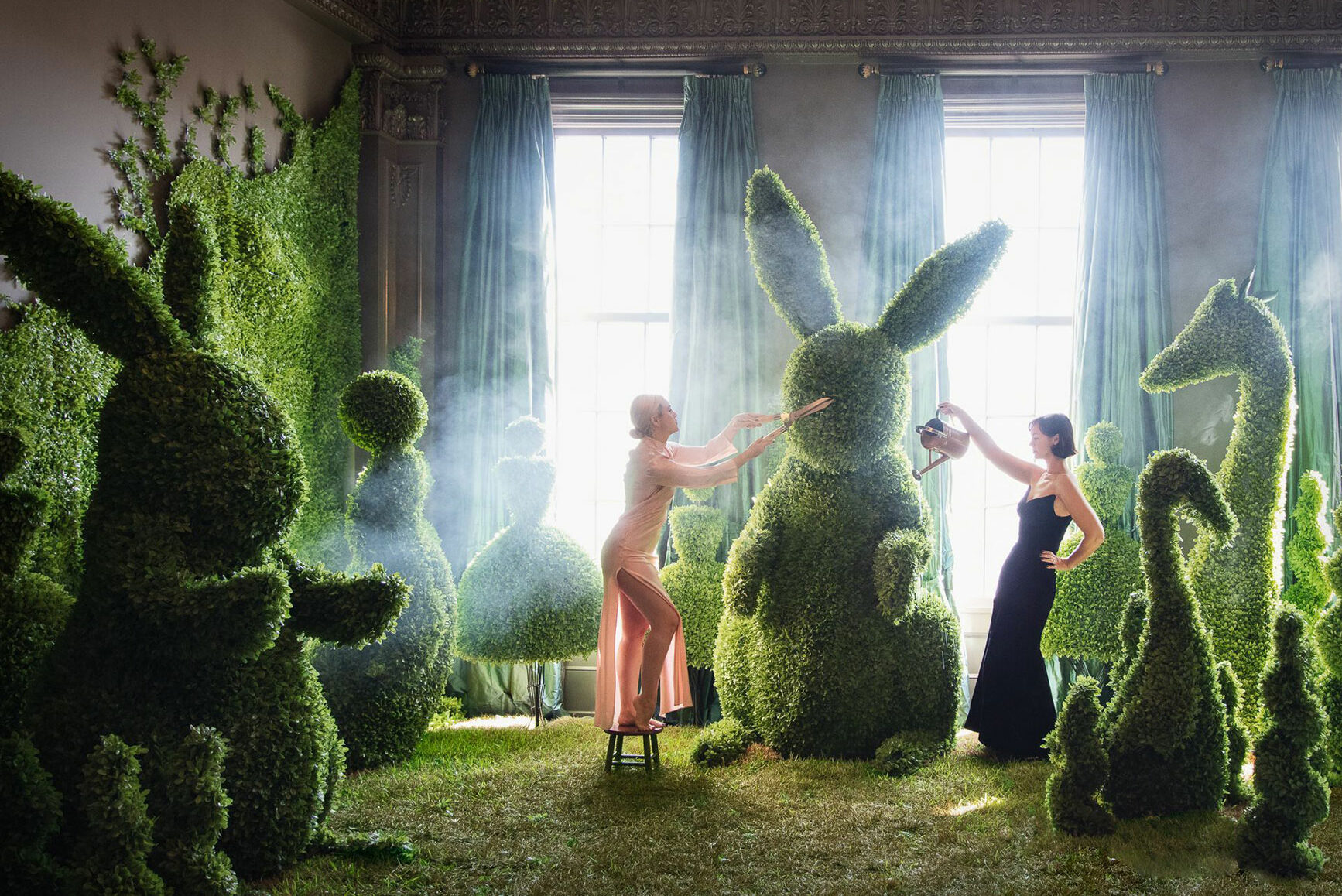
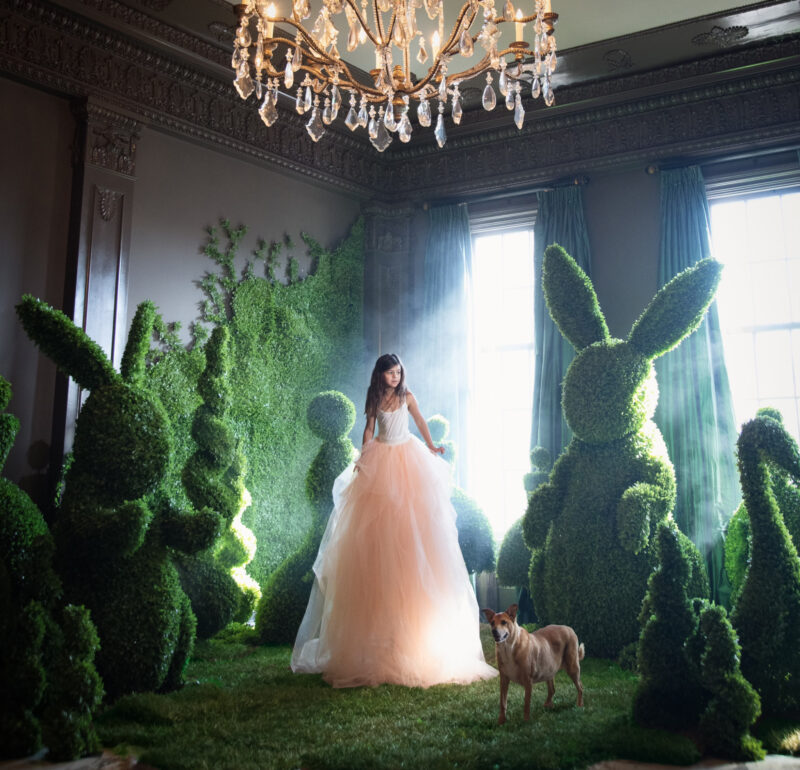
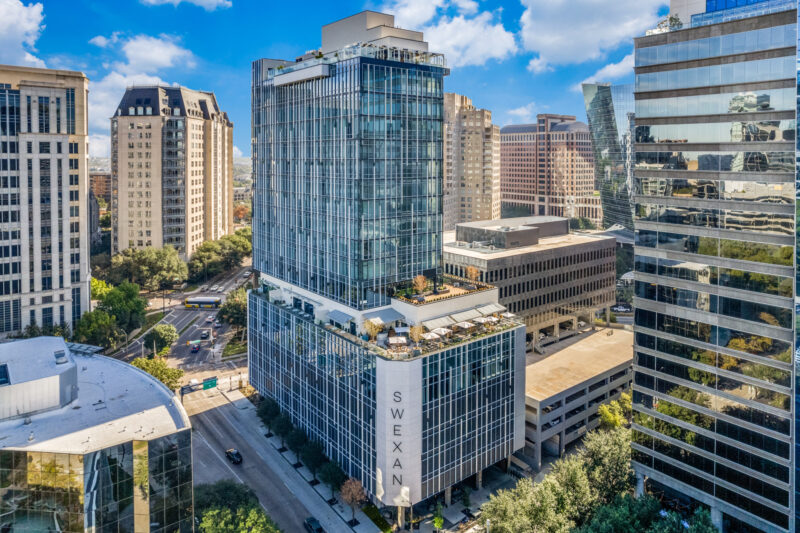
The intersection of high-concept narrative photography and avant-garde hospitality will reach a new milestone this November as acclaimed artist Adrien Broom brings her renowned Living Tableaux series to Dallas. In an ambitious collaboration with the Martine Chaisson Gallery, Broom is set to transform the terrace of the Kengo Kuma-designed Hôtel Swexan into an immersive installation titled The Garden of Unexpected Guests. Running from November 11 to 22, 2026, the residency marks the first time Broom’s site-specific series has been staged within a hotel environment, signaling a shift in how luxury hospitality venues integrate fine art into the guest experience. The installation will feature an otherworldly topiary garden inhabited by a cast of fantastical figures, including a 10-foot-tall rabbit, giraffes, and swans, providing a surreal backdrop for private, high-end portrait sessions.
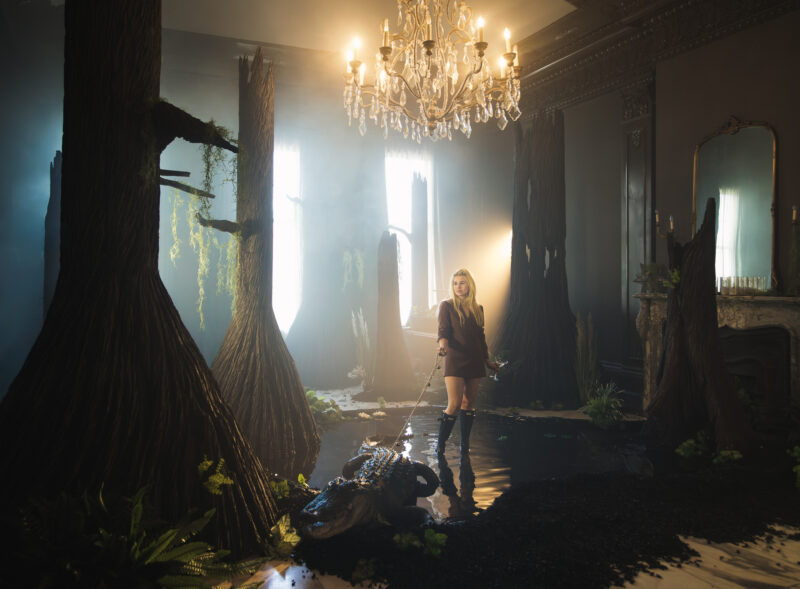
The Living Tableaux series is defined by its rejection of digital shortcuts in favor of tactile, hand-constructed environments. Broom, a narrative photographer whose work often draws from the depths of mythology, folklore, and the persistent wonder of childhood, builds each of her sets from the ground up. By combining sculptural props, bespoke costumes, and cinematic lighting, she creates a physical space that exists on the threshold between the tangible world and a dreamscape. For the Dallas residency, the terrace of Hôtel Swexan will serve as the canvas for this "living" artwork, where natural elements like light, mist, and atmospheric wind are meticulously controlled to produce a singular photographic moment.
The Artistic Vision of Adrien Broom
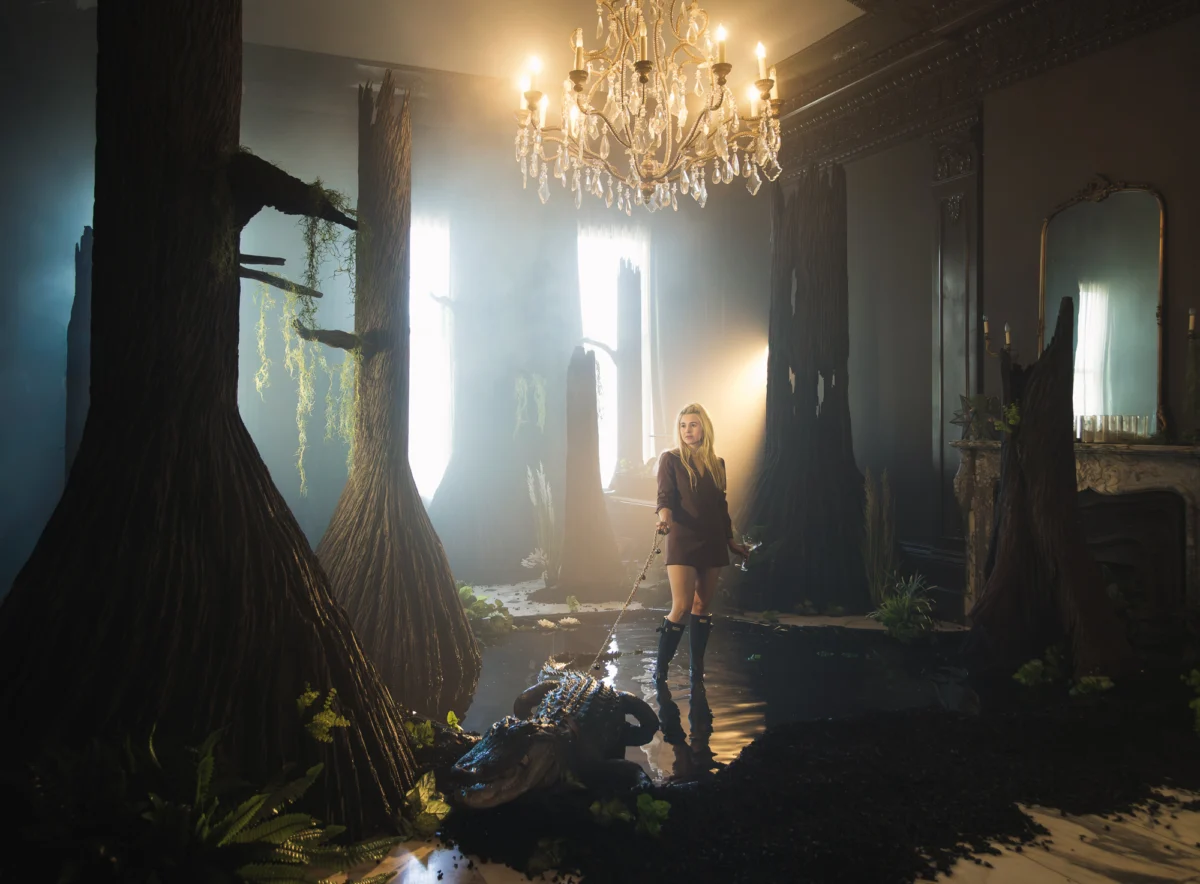
Adrien Broom’s approach to photography is as much about the process of construction as it is about the final image. Each project in the Living Tableaux series begins with a period of intense production design. Broom’s sets are not mere backdrops; they are fully realized three-dimensional worlds. In previous iterations of the series, she has transformed ornate interiors into flooded cypress swamps and formal dining rooms into fungal forests dominated by oversized sculptural mushrooms.
"Every Living Tableaux starts with a world I build by hand and then invite people into," Broom stated regarding the upcoming Dallas residency. "When a sitter steps in, they cross a threshold into the story. I control everything around them, even the wind, and we make the picture together."
This collaborative aspect is central to Broom’s philosophy. Unlike traditional portraiture, where the subject is often passive, Broom’s sessions are described as an interactive art form. She notes that the process involves a blend of sculpture, production design, and a degree of psychological intuition. By creating a physical environment that the subject can touch and inhabit, Broom aims to bypass the self-consciousness often associated with being photographed. The result is a series of portraits where no two compositions are alike, as each subject’s reaction to the surreal environment dictates the narrative of the image.
Architecture and Atmosphere: The Role of Hôtel Swexan
The choice of Hôtel Swexan as the venue for this residency is significant both architecturally and culturally. Located in the Harwood District of Dallas, the hotel is the work of world-renowned Japanese architect Kengo Kuma. Kuma’s design philosophy, which emphasizes the harmony between nature and the built environment, provides a fitting contrast to Broom’s "Garden of Unexpected Guests." The building’s exterior, characterized by its twisting form and glass facade, reflects the modern skyline of Dallas while maintaining an organic sensibility.
The name "Swexan" is a portmanteau of "Swiss" and "Texan," representing a brand identity that merges European hospitality standards with the bold, expansive spirit of Texas. This duality is woven into the hotel’s interior design and culinary offerings. Stillwell’s, the hotel’s signature steakhouse, pays homage to Hallie Stillwell, a pioneering Texas ranchwoman, while Babou’s, the onsite nightclub, offers a library-themed environment that balances sophisticated wood-paneling with a vibrant nightlife energy.
By hosting Broom’s residency on its terrace, Hôtel Swexan is positioning itself as a cultural hub within the Dallas arts community. The residency serves as the launch of the hotel’s formal artist-in-residence program, an initiative designed to foster deeper engagement between guests and the creative process. Julian Payne, the General Manager of Hôtel Swexan, emphasized that this program is a natural extension of the hotel’s "DNA of art, music, culture, and diversity."
The Evolution of the Tableau Vivant
Broom’s work is a modern evolution of the tableau vivant, or "living picture," a style of artistic presentation that peaked in popularity during the 19th century. Historically, tableaus involved actors or models posing motionless to recreate a famous painting or a dramatic scene from history or literature. Broom revitalizes this tradition by incorporating contemporary photography and high-level production design, moving the concept from a static stage performance to a permanent photographic record.
The Living Tableaux series has previously been staged in various settings, ranging from traditional art galleries to private residences. The transition to a hotel terrace introduces new variables, including the integration of the Dallas skyline and the shifting natural light of the Texas autumn. The "Garden of Unexpected Guests" specifically utilizes the concept of the topiary—a practice of training live perennial plants into clearly defined shapes—to create a sense of manicured surreality. The inclusion of oversized animals and professional dancers within this garden further blurs the lines between a traditional botanical setting and a theatrical set.
Economic and Cultural Implications of Immersive Residencies
The residency at Hôtel Swexan reflects a broader trend in the global luxury market: the rise of experiential luxury. Modern consumers, particularly in the high-net-worth segment, are increasingly prioritizing unique, participatory experiences over the mere acquisition of physical goods. A 90-minute session with Broom, priced at $3,500, offers more than just five retouched images; it offers the opportunity to become a permanent part of a renowned artist’s body of work.
This model of "art as an experience" has seen success in other major metropolitan areas, but the Broom residency is a high-profile example of its application within the boutique hotel sector. For the Dallas arts scene, the residency brings a level of international artistic pedigree to the city’s North End. The collaboration with the Martine Chaisson Gallery, which has locations in New Orleans and a strong presence in the contemporary art world, further solidifies the project’s standing within the professional art market.
Furthermore, the residency highlights the growing role of hotels as patrons of the arts. As the hospitality industry becomes increasingly competitive, venues are looking for ways to differentiate themselves. Curated art programs and exclusive residencies provide a way for hotels to build a distinct brand identity that appeals to culturally savvy travelers and local residents alike.
Logistics and Participation
The Garden of Unexpected Guests will be open for a strictly limited window from November 11 through November 22, 2026. During this period, Broom will conduct a series of 90-minute private sessions. These sessions are designed to be inclusive of various subjects, including individuals, couples, families, and even pets, echoing Broom’s belief that anyone can become a subject of a narrative story.
Participants are required to make reservations in advance through the hotel’s dedicated portal. The $3,500 fee includes the session itself—where Broom directs the lighting, atmosphere, and "wind"—as well as five professionally retouched high-resolution images. Given the limited timeframe and the bespoke nature of the set construction, the residency is expected to reach full capacity quickly.
Conclusion and Future Outlook
The arrival of Adrien Broom’s Living Tableaux in Dallas represents a sophisticated fusion of architecture, narrative art, and luxury hospitality. By transforming the terrace of Hôtel Swexan into a surreal topiary garden, Broom is not only showcasing her skills as a photographer and set designer but is also challenging the boundaries of where and how art is consumed.
For the city of Dallas, the event serves as a testament to its growing reputation as a destination for significant contemporary art installations. For the artist, it is an opportunity to test the Living Tableaux concept in a new, highly visible environment. As the residency concludes on November 22, the resulting photographs will serve as a lasting record of a fleeting, hand-built world—a "Garden of Unexpected Guests" that existed only for a moment in the heart of Texas, but will live on through Broom’s lens. This initiative sets a high bar for the future of Hôtel Swexan’s artist-in-residence program and may serve as a blueprint for similar collaborations between fine artists and luxury venues worldwide.