admin
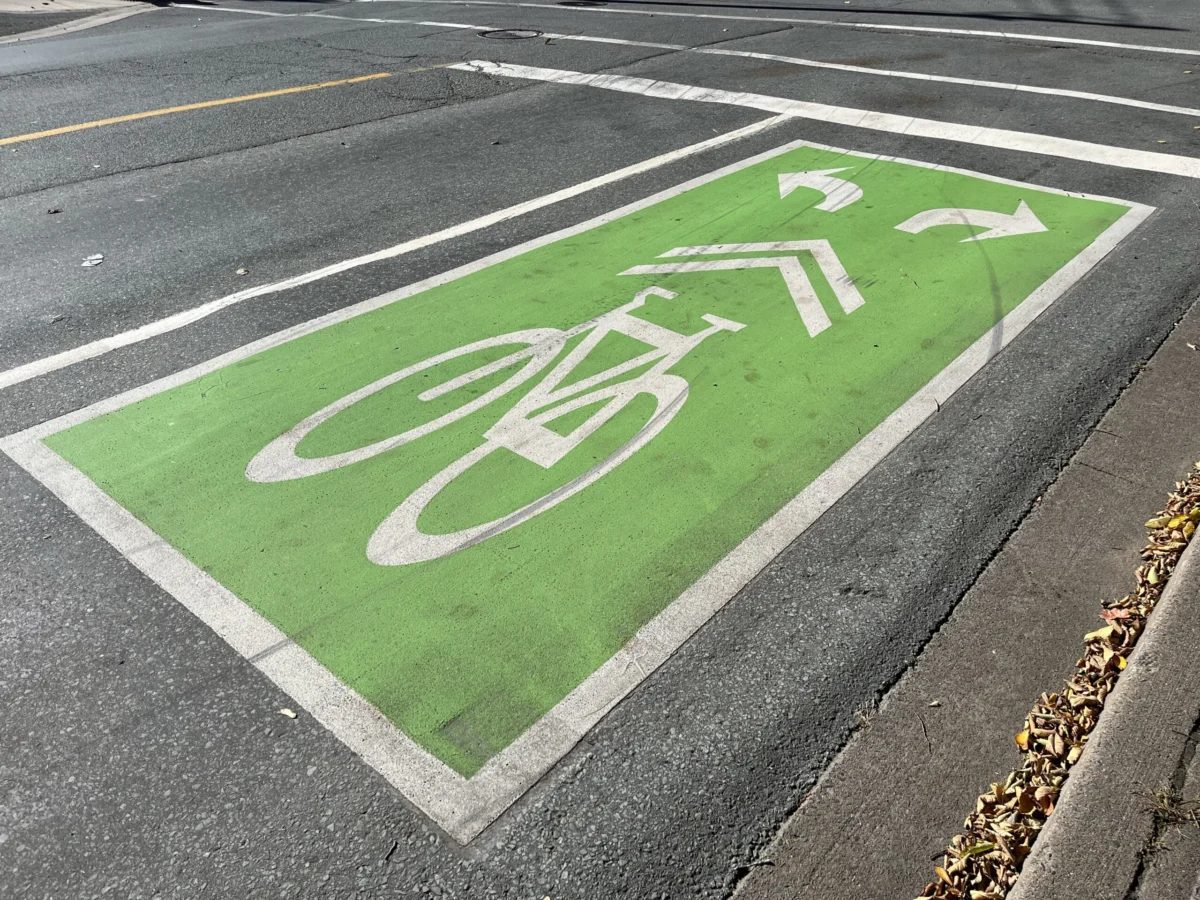
Halifax Regional Council has unanimously deferred taking action on proposed alternatives to the city’s ambitious All Ages and Abilities (AAA) bike network, a pivotal component of the municipality’s Integrated Mobility Plan. The decision, made during a contentious meeting on October 27, 2026, stems from councillors’ collective desire to solicit more comprehensive community feedback on the revised plans. While cycling advocates have largely welcomed this move as an opportunity for better public engagement, Mayor Andy Fillmore voiced significant concerns, arguing that the deferral would inevitably lead to further project delays and substantial cost increases for an initiative already facing considerable budgetary pressures.
The Genesis of Halifax’s AAA Network: A Commitment to Sustainable Mobility
The concept of an All Ages and Abilities (AAA) bike network in Halifax emerged from the city’s broader Integrated Mobility Plan (IMP), adopted in 2017. This visionary plan outlined a strategic shift towards more sustainable and equitable transportation options, aiming to reduce reliance on private vehicles and promote active modes like walking, cycling, and public transit. At its core, the AAA network is designed to create a safe, connected, and accessible cycling infrastructure that can be comfortably used by individuals of all ages and skill levels, from young children and families to experienced commuters and seniors. This includes features such as protected bike lanes, physically separated from vehicle traffic, multi-use pathways, and local street bikeways employing various traffic calming methods.

Initially, the AAA network was lauded as a progressive step for Halifax, aligning the city with leading urban centres globally that prioritize active transportation for its myriad benefits. These benefits extend beyond individual health to include reduced traffic congestion, improved air quality, decreased carbon emissions, enhanced local economic activity, and increased social equity by providing affordable and accessible transportation choices. The initial project, encompassing a comprehensive grid across the municipality, was envisioned to be built incrementally over several years, with an initial cost estimate pegged at approximately $25 million. This figure reflected a blend of optimism and preliminary planning, prior to the detailed engineering, public consultation, and inevitable adjustments that characterize large-scale urban infrastructure projects.
Escalating Costs and the Search for Alternatives
Over the years, as detailed planning progressed and the scope of the project became clearer, the initial cost projections for the AAA bike network began to balloon. By January 2026, the estimated cost had surged to an astonishing $85 million, more than triple the original figure. This significant escalation sparked considerable debate within the council and among the public, raising questions about fiscal responsibility, project management, and the overall feasibility of the ambitious plan. Factors contributing to the cost increase are multifaceted, including rising material costs, increased labour expenses, unexpected complexities in urban environments requiring intricate engineering solutions, potential land acquisition, and the iterative nature of design modifications based on technical assessments and preliminary public input.
In response to these escalating figures, particularly the jump from $25 million to $85 million, Mayor Andy Fillmore and Councillor Tony Mancini took the initiative to request city staff to investigate alternative routes and design solutions. The primary objective of this directive was to explore options that could potentially reduce the overall cost of the network without fundamentally compromising its core principles of safety and accessibility. Staff subsequently compiled a comprehensive report outlining seven alternative routes. However, a critical caveat accompanied these alternatives: while they offered potential cost savings, many of them were noted to be less likely to fully accommodate the "All Ages and Abilities" standard, primarily due to reduced physical separation from motor vehicles or less extensive traffic calming measures. This trade-off between cost efficiency and adherence to the AAA mandate became a central point of contention in the council deliberations.

The October 27th Council Meeting: A Path Diverged
The Halifax Regional Council meeting on Tuesday, October 27, 2026, was anticipated to be a pivotal moment for the future of the AAA bike network. With the staff report on alternative routes in hand, councillors were expected to deliberate on the proposed changes and potentially vote on a direction for the project. However, the discussion took a different turn when Councillor Sean Cleary introduced a motion calling for a deferral of any immediate action.
Councillor Cleary’s motion stipulated that the newly presented report on alternatives first be reviewed by the two relevant transportation committees – the Active Transportation Advisory Committee and the Transportation Standing Committee – before returning to the full council for a final decision. His rationale was rooted in the belief that an informed decision on such a critical piece of infrastructure could not be made without direct input from the very communities and individuals who would be utilizing the network. "I cannot imagine we can make an informed decision on any of these without feedback from the people who are actually going to be using it," Cleary asserted during the meeting, emphasizing the importance of grassroots engagement in shaping urban development. He further expressed concerns that compromising the AAA standard for cost savings would undermine the very purpose of the network. "I have a real problem with that because the whole point of the minimum grid and expanding our protected cycling infrastructure, and other active transportation infrastructure, is to achieve a mode shift to more sustainable modes of transportation," Cleary articulated, highlighting the long-term vision.
The motion passed unanimously, reflecting a strong consensus among councillors for deeper community engagement. This decision, while praised by some for its commitment to democratic process and thoroughness, was met with apprehension by others, particularly Mayor Fillmore.

Reactions from Key Stakeholders: A Spectrum of Views
The deferral elicited a range of reactions from various stakeholders, underscoring the complex dynamics surrounding urban infrastructure projects.
Mayor Andy Fillmore’s Concerns: Mayor Fillmore did not mince words in expressing his disappointment and concern over the deferral. He argued that the decision, while seemingly democratic, effectively halted progress on a critical section of the bike network. "Those committees open the door to redesign, which opened the door to increase costs, which open the doors to delay," the Mayor stated emphatically. He further lamented the deviation from a clear path forward: "Today, we had a clear path to get that section down and to help to complete the bike network. And we stepped off that path into a bit of a swirl." His primary apprehension revolves around the potential for the project to become mired in endless revisions and consultations, leading to escalating expenses and a prolonged timeline that could ultimately jeopardize the network’s completion. The Mayor’s perspective often aligns with a desire for efficient execution and fiscal prudence, viewing prolonged deferrals as counterproductive to these goals.
Councillor Sean Cleary’s Justification: In contrast, Councillor Cleary positioned his motion as a necessary step to ensure the integrity and effectiveness of the project. His emphasis on gathering community feedback speaks to a belief in participatory governance and the importance of designing infrastructure that truly serves its intended users. He articulated that sacrificing the "All Ages and Abilities" standard for cost reduction would be a false economy, as it would fail to achieve the desired "mode shift" towards sustainable transportation, thereby undermining the network’s long-term impact and value.

Cycling Advocates’ Perspective: The cycling community, represented in part by the Halifax Cycling Coalition, largely welcomed the deferral. Cyclists were present in the council chambers to silently protest the report’s suggested alternatives, fearing that less robust infrastructure would compromise safety and usability. David Trueman, Chair of the Halifax Cycling Coalition, voiced the advocates’ core concern: "We need to get it built properly because we know if you build it improperly, they’ll use that as an argument not to improve it." Trueman emphasized that while they appreciate robust infrastructure, the most expensive options are not always necessary. "We don’t need the most expensive options. We just need adequate safe options," he clarified, suggesting a preference for effective, safe designs, such as lanes with concrete dividers, over potentially over-engineered or unnecessarily costly solutions, provided they maintain the AAA standard of safety and separation. The deferral, in their view, offers an opportunity to refine the plans to ensure they meet the fundamental requirements of safety and accessibility without necessarily incurring excessive costs.
Broader Context: The Role of Active Transportation in Urban Development
The debate surrounding Halifax’s AAA bike network is not unique; it mirrors similar discussions unfolding in cities worldwide as they grapple with the challenges and opportunities of urban mobility in the 21st century. Active transportation infrastructure, particularly cycling networks, plays a critical role in fostering healthier, more sustainable, and economically vibrant communities.
- Public Health: Encouraging cycling contributes significantly to public health by promoting physical activity, reducing rates of chronic diseases, and improving mental well-being.
- Environmental Sustainability: A robust bike network can help reduce reliance on automobiles, thereby lowering greenhouse gas emissions, improving air quality, and combating climate change.
- Economic Benefits: Investing in cycling infrastructure has been shown to boost local economies. Cyclists often spend more at local businesses, and well-designed bike lanes can enhance property values and attract tourism. Furthermore, reduced traffic congestion can lead to economic efficiencies.
- Social Equity: Providing safe and affordable transportation options ensures greater accessibility for all residents, regardless of income or car ownership, fostering a more equitable city.
- Traffic Congestion: A functional cycling network offers a viable alternative for short-to-medium distance trips, alleviating pressure on road networks and public transit during peak hours.
Halifax’s commitment to its Integrated Mobility Plan reflects an understanding of these broader benefits. The AAA designation is particularly important as it signifies a commitment to inclusivity, ensuring that cycling is a realistic option for the widest possible demographic, not just experienced or risk-tolerant riders.

Implications of the Deferral: A Balancing Act
The decision to defer action carries several significant implications for the AAA bike network project and for Halifax’s broader urban development strategy.
- Project Timeline: While city staff have indicated that the deferral is not expected to delay the project’s physical construction, which isn’t anticipated to begin until 2028, the extended review process inherently introduces potential for slippage. Every additional layer of consultation or committee review adds time, and unforeseen complexities could push the start date further.
- Budgetary Impact: Mayor Fillmore’s concerns about increased costs are legitimate. Prolonged planning phases can lead to higher administrative expenses, and any subsequent redesigns based on committee feedback or new public input could necessitate additional engineering work, material adjustments, or even land acquisition, all of which contribute to the overall budget. Moreover, inflation on materials and labour over an extended timeline could further drive up costs.
- Public Engagement and Trust: The deferral presents a double-edged sword for public trust. On one hand, it demonstrates a council willing to listen to its constituents and ensure thoroughness, potentially enhancing public confidence in the democratic process. On the other hand, repeated delays and escalating costs can erode public patience and lead to cynicism, with residents questioning the city’s ability to execute large-scale projects efficiently. The success of this deferral will hinge on how effectively the upcoming committee reviews engage the public and produce actionable recommendations.
- Maintaining the AAA Standard: The core tension remains between cost reduction and maintaining the "All Ages and Abilities" standard. The committees’ review will be crucial in determining whether viable alternatives can be found that achieve cost savings without fundamentally compromising safety and accessibility. If the committees recommend reverting to more robust, and therefore potentially more expensive, AAA designs, the council will face renewed pressure on the budget. Conversely, if they endorse less comprehensive alternatives, they risk alienating cycling advocates and undermining the IMP’s core objectives.
- Political Will and Future Decisions: The unanimous deferral indicates a strong desire for consensus and thoroughness within the current council. However, future decisions will require a careful balancing act between various competing interests: fiscal responsibility, public demand for active transportation, environmental goals, and the practical realities of urban planning. The outcome of the committee reviews will heavily influence the political landscape surrounding the bike network in the coming months.
Looking Ahead: The Road Through Committee Review
The immediate next step for the AAA bike network alternatives report is its presentation and review by the Active Transportation Advisory Committee and the Transportation Standing Committee. These committees, comprised of councillors, city staff, and public representatives with expertise in transportation planning, will meticulously examine the proposed alternatives, assess their adherence to AAA principles, evaluate their cost implications, and gather further input.

Their deliberations are expected to delve into the specifics of each alternative route, considering factors such as:
- Safety Metrics: How do the alternatives measure up against established safety standards for cyclists of all ages?
- Connectivity: Do the alternative routes maintain the crucial connectivity of the network, or do they create gaps?
- Community Impact: What are the potential impacts on local businesses, residents, and traffic flow along the proposed routes?
- Integration: How well do the alternatives integrate with existing and planned public transit routes and other active transportation infrastructure?
- Cost-Benefit Analysis: A detailed re-evaluation of the long-term benefits versus the upfront costs for each option.
Following these committee reviews, the report, potentially with amendments or new recommendations, will be returned to the full Halifax Regional Council for further consideration. This iterative process, while time-consuming, is designed to ensure that the final decision is well-informed, publicly supported, and aligned with the city’s long-term vision for sustainable and accessible urban mobility. The coming months will be critical in shaping the final form and fate of Halifax’s much-anticipated All Ages and Abilities bike network.