admin
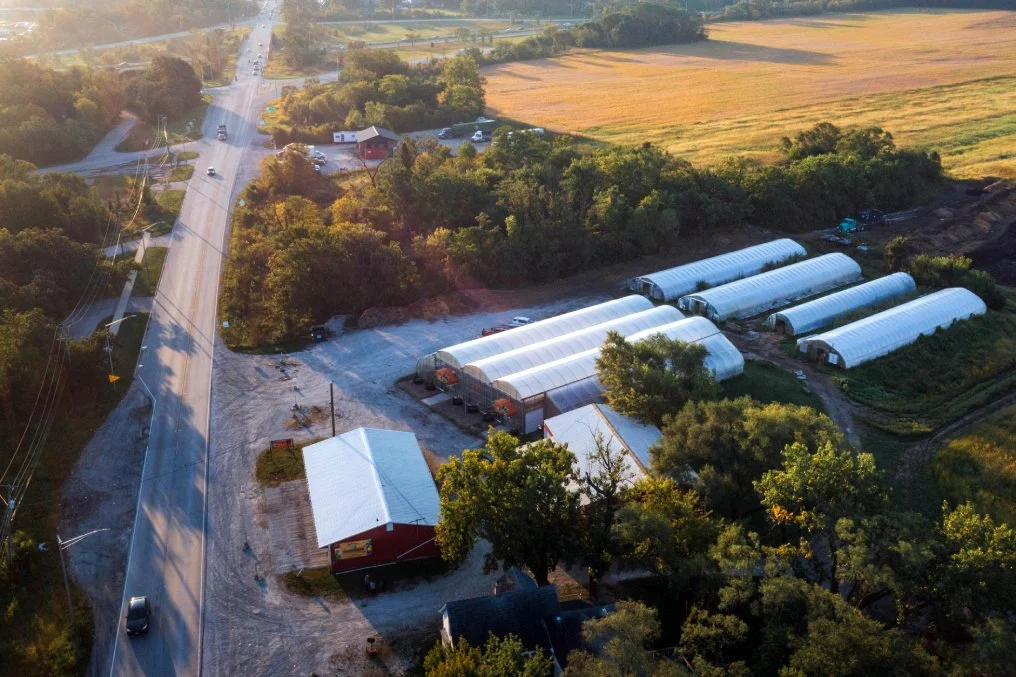
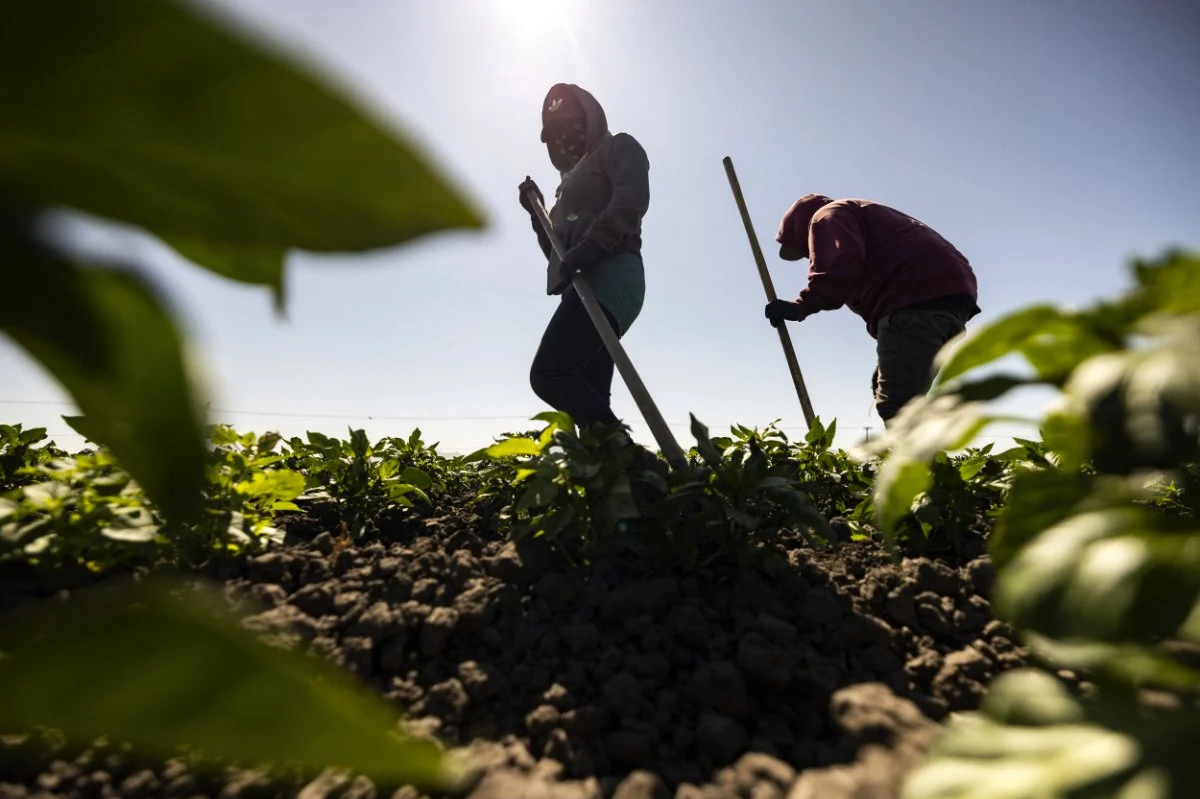
The rapid disappearance of agricultural land across the United States poses a significant threat to local food systems, rural economies, and national food security. An estimated 40 acres of farmland are lost every hour, primarily to urban sprawl and industrial development, a rate that has seen over 140,000 farms vanish between 2017 and 2022. This alarming trend, highlighted by the American Farm Bureau Federation, accounts for a decline of over 20 million acres dedicated to farming in just five years—an area roughly the size of the state of Maine. This land depletion not only diminishes the agricultural footprint but also exacerbates challenges for small and mid-sized farmers struggling to secure affordable, long-term access to land. However, amidst these grim statistics, innovative conservation strategies are emerging as a vital lifeline, offering hope and tangible solutions for the future of local farming.
The Vanishing American Farmland: A National Crisis
The decline in agricultural land is a complex issue driven by multiple interconnected factors. Economic pressures often force older generations of farmers to sell their land, frequently to developers offering lucrative prices that far exceed agricultural valuations. Simultaneously, aspiring new farmers face insurmountable barriers to entry, including prohibitive land costs, lack of capital, and an absence of secure tenure. Many start on temporarily leased parcels, which inhibits long-term planning, investment in sustainable practices, and business growth. This patchwork approach to land access undermines the stability required for a resilient agricultural enterprise.
Data from the Land Trust Alliance underscores the severity of this crisis, projecting continued substantial losses if current trends persist. The conversion of productive agricultural land to commercial, residential, or industrial uses fragments existing ecosystems, reduces biodiversity, and removes the economic backbone of many rural communities. Beyond the immediate economic impact on farmers, the loss of local farmland compromises food independence, increases reliance on distant and often less sustainable food supply chains, and contributes to food insecurity in communities already facing systemic challenges. One in every seven households in the United States experiences food insecurity, making the preservation of local food sources an urgent imperative.
A Local Crisis: The Chicago Story
The pressures on farmland are particularly acute in metropolitan areas, where population growth and development expand outward, encroaching upon prime agricultural soils. The Chicago metropolitan area serves as a stark example of this phenomenon. Between 1995 and the mid-2010s, the region lost a staggering 58 percent of its farmland, according to the Chicago Metropolitan Agency for Planning. This substantial reduction in local food-producing capacity has long-term implications for the region’s food security, environmental health, and economic vitality. If current trends continue across Illinois, the state stands to lose over 360,000 acres of farmland by 2040, further jeopardizing both the future of its agricultural sector and the availability of fresh, local food for its residents.
For farmers operating in and around Chicago, the challenges are magnified. High land values, competitive development interests, and complex zoning regulations make securing permanent agricultural sites exceedingly difficult. Urban farmers, in particular, often navigate a landscape of short-term leases, limited infrastructure, and a lack of consistent policy support. These stressors create an environment where sustained growth and long-term viability become elusive, pushing many promising farm businesses to the brink.

Z-Farm: A Beacon of Hope on Chicago’s South Side
Despite the pervasive challenges, a recent success story on Chicago’s South Side offers a compelling blueprint for how strategic conservation can revitalize local farming. Z-Farm, a 30-acre property with roots dating back to a large family farm established in the 1930s, had been put up for sale, facing the familiar threat of conversion into another commercial or residential development. This summer, however, through the intervention of The Conservation Fund’s Chicago Farms Fund program, Z-Farm was permanently protected and sold to Urban Growers Collective (UGC), a non-profit farm business dedicated to fostering healthy communities through food, education, and land stewardship.
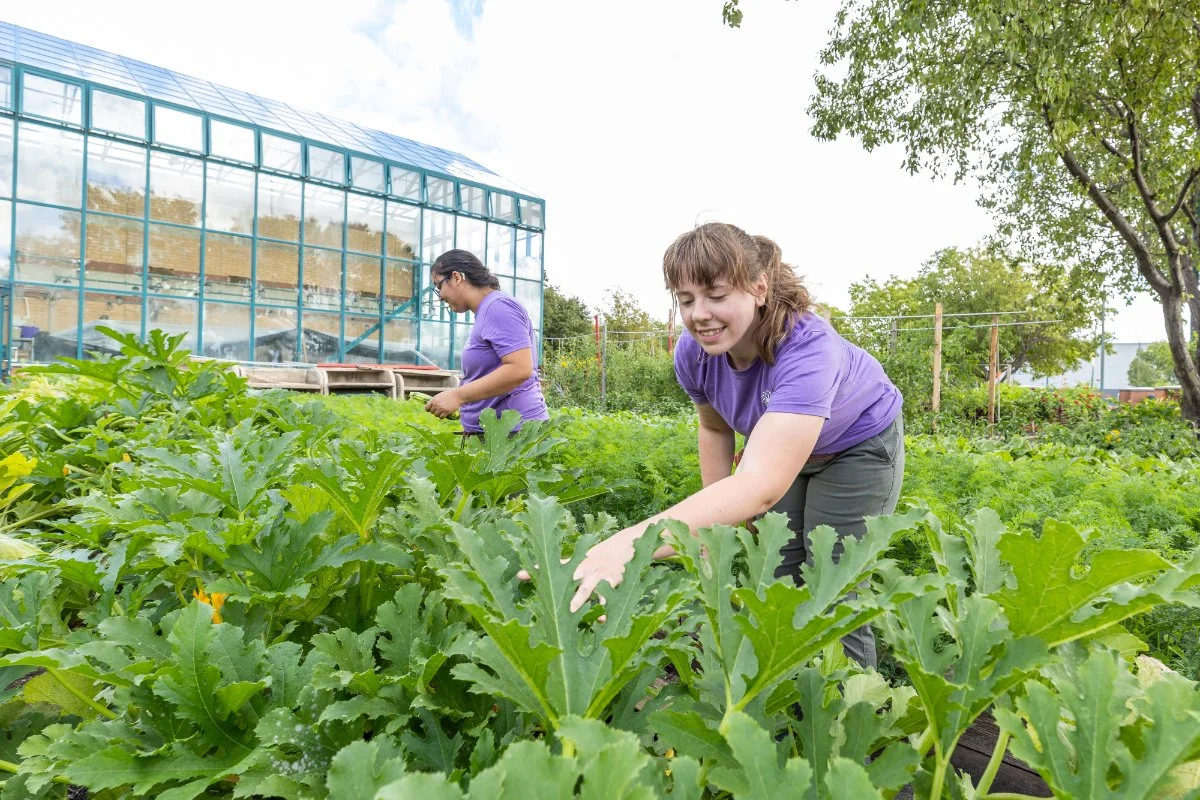
Urban Growers Collective, co-founded by Erika Allen and Laurell Sims, has been actively farming the Z-Farm site since 2024, transforming it into a vibrant hub for local food production and agricultural training. Their mission extends beyond simply growing food; UGC is deeply embedded in addressing food apartheid, providing fresh, nutritious, and affordable produce to underserved neighborhoods across Chicago, while also offering critical job training and educational programs. The permanent ownership of Z-Farm is a monumental achievement for UGC, providing the long-term land security necessary to expand their operations, invest in infrastructure, and deepen their community impact without the constant threat of displacement.
Kelly Larsen, who leads The Conservation Fund’s Farms Fund program in the Chicago metro region, emphasized the significance of this acquisition. "This was a perfect alignment: connecting the right property with the right farm business, offering resources as they found their footing, and ensuring that land became a forever farm," Larsen stated. The permanent protection of Z-Farm through an agricultural conservation easement guarantees that the land will remain agricultural in perpetuity, safeguarding it from non-agricultural development and securing a vital food source for generations to come. This successful model demonstrates that land conservation, when paired with robust farm business support, can create sustainable pathways to affordable farmland, thereby securing the future of local farming.
The Conservation Fund’s Innovative Farms Fund Model
The Z-Farm acquisition is not an isolated incident but rather a testament to the efficacy of The Conservation Fund’s broader Farms Fund program. Established in Atlanta in 2022, the program has since expanded to three other cities, including Chicago, Northwest Arkansas, and Charlotte, North Carolina, demonstrating its replicability and scalability. Each local program is led by on-the-ground experts who possess a deep understanding of regional agricultural needs, community dynamics, and specific farm business challenges.
The Farms Fund operates on a distinct "buy-support-protect-sell" model:
- Buy: The program identifies and acquires at-risk, high-quality farmland that is under threat of development.
- Support: It then matches a small or medium-sized farm business to this land, providing ongoing support that includes market development assistance, technical training, and business planning guidance. This patient incubation period, typically three to five years, allows farmers to establish and grow their businesses securely.
- Protect: The acquired land is permanently protected with an agricultural conservation easement. This legally binding agreement restricts non-agricultural development, ensuring the land remains available for farming forever.
- Sell: Finally, the protected land is sold to the farmer at a significantly lower, agricultural-only valuation. The conservation easement effectively removes the development value from the property, making ownership attainable for farmers who would otherwise be priced out of the market.
This innovative model addresses a critical market failure by making long-term land access financially feasible for new and expanding farm businesses. It allows farmers to invest in soil health, sustainable practices, and long-term infrastructure, knowing their tenure is secure.

Scaling Success: Impact Across the Nation
The success of the Farms Fund program is evident in its growing impact across diverse regions. In 2026 alone, the program facilitated several significant achievements:
- In Northwest Arkansas, a farmer who had contemplated leaving vegetable production due to land insecurity now has a pathway to ownership of a 100-acre farm, securing a crucial supplier for the region’s burgeoning local food movement.
- In Georgia, a 48-acre farm was permanently protected, enhancing food access for a rapidly growing metro area and strengthening its local food economy.
- A mid-sized farm in Charlotte, North Carolina, gained access to permanently protected land, enabling it to expand vegetable production and meet the increasing demand for local produce.
Collectively, since its inception, the Farms Fund program has successfully matched two dozen farms with secure land, protecting over 1,800 acres from development. The tangible benefits are already being realized: farmers supported by the program reported collectively growing an estimated 1.5 million pounds of food in 2025. Using Feeding America’s ratio of 1.2 pounds of food per meal, this equates to approximately 1.25 million meals, significantly contributing to food security in their respective communities. If this model continues to replicate and expand nationwide, the number of thriving farm businesses and the volume of locally produced food could be transformative within the next decade.
Bridging Gaps: Federal Cuts and Community Needs
The importance of innovative programs like The Conservation Fund’s Farms Fund is further underscored by recent reductions in federal programs designed to support farmers. Cuts to critical USDA conservation programs, beginning farmer initiatives, and other agricultural support mechanisms have left many farmers without the essential resources they need to thrive. These federal programs have historically played a crucial role in providing financial assistance, technical guidance, and market access, acting as a buffer against the economic volatility inherent in agriculture.
The withdrawal of such support creates significant voids, particularly for small and mid-sized operations and those from marginalized communities seeking to enter farming. In this context, privately funded and non-profit-led initiatives become even more vital. They step in to provide the tailored, on-the-ground support that can make the difference between a farm’s success and its failure. The Farms Fund’s holistic approach, combining land access with business development, is precisely the kind of comprehensive support required to navigate a challenging agricultural landscape and build resilient local food systems.
Beyond Acres: The Multifaceted Benefits of Farmland Conservation
The benefits of farmland conservation extend far beyond simply keeping land agricultural. They ripple through economic, social, and environmental spheres, creating a more sustainable and equitable future.
- Economic Stability: Secure land tenure allows farmers to make long-term investments in their businesses, adopt sustainable practices, and innovate, leading to greater profitability and job creation in local communities. It supports a diverse agricultural economy that is less susceptible to market fluctuations.
- Food Security and Public Health: By preserving farmland close to urban centers, these initiatives shorten supply chains, reduce transportation costs and emissions, and increase access to fresh, healthy, and affordable food for all residents, especially those in food deserts. This direct access can significantly improve public health outcomes.
- Environmental Stewardship: Protected farmlands often serve as stewards of natural resources, promoting biodiversity, enhancing soil health, improving water quality through reduced runoff, and contributing to climate change mitigation through carbon sequestration. The commitment to sustainable practices is often a prerequisite for farmers participating in conservation programs.
- Community Resilience: Local farms foster community cohesion, provide educational opportunities, and can become anchors for local economies. They strengthen the connection between consumers and their food sources, enhancing community self-reliance and resilience in the face of disruptions.
The growing consumer desire for locally sourced food, coupled with a heightened awareness of where food comes from, indicates a strong market demand that conserved farmlands can help meet. This consumer preference provides a robust economic incentive for supporting local agriculture.

Reconciling Development and Conservation
A common misconception in rapidly growing cities like Chicago is that economic development and land conservation are inherently opposing forces. This perspective often frames land use as an either/or proposition: build or conserve. However, this dichotomy overlooks the synergistic potential where both can thrive. When national parks are expanded, local tourist economies flourish. When wetlands are protected, homes and businesses are shielded from the devastating impacts of flooding. Similarly, when farmland is conserved, economic opportunities for farmers are preserved, local food systems are strengthened, and communities gain access to vital resources.
Farmland conservation is not merely about preserving open space; it is about sustaining an essential economic sector, ensuring public health, and maintaining ecological balance. It represents an investment in human well-being and long-term societal prosperity. The Z-Farm project in Chicago is a powerful illustration of how targeted conservation efforts can create win-win scenarios, benefiting farmers, consumers, and the environment simultaneously.
A Call to Action for a Sustainable Future
The challenges facing local farming in America are profound, but the successes of programs like The Conservation Fund’s Farms Fund offer a clear path forward. In the face of a persistent farming crisis, exacerbated by federal funding cuts, the imperative to invest in innovative, localized solutions is greater than ever. These initiatives not only support individual farmers in realizing their dreams of land ownership but also address systemic issues of food insecurity, environmental degradation, and economic instability.
To truly secure the future of local farming, a concerted effort is needed from policymakers, philanthropists, land trusts, and communities. This includes advocating for robust federal and state agricultural support, increasing funding for land conservation programs, fostering public-private partnerships, and educating communities on the profound benefits of local food systems. By recognizing farmland as an invaluable asset—economic, social, and environmental—and investing in its permanent protection, we can ensure that future generations have access to healthy food, vibrant communities, and a resilient agricultural landscape. The story of Z-Farm is not just a local success; it is a powerful call to action for a national movement to cultivate "forever farms" across America.