admin
A groundbreaking exhibition at the Hull House Museum at the University of Illinois Chicago, titled "Perennial City: Experiments in Urban Gardening," is prompting a vital contemporary discussion on the historical and ongoing struggle for equitable land access and community-led food systems. Running through December 20, 2026, the exhibit delves into a largely forgotten chapter of Chicago’s past: the Hull House settlement’s pioneering efforts in orchestrating large-scale urban farms for immigrant communities in the early 20th century. This historical narrative, uncovered and brought to light, resonates powerfully with today’s challenges concerning food security, immigrant integration, and the sustainable development of urban spaces.
The Hull House Legacy: A Holistic Approach to Social Reform
Established in 1889 by progressive reformers Jane Addams and Ellen Gates Starr, the Hull House settlement in Chicago’s Near West Side was a beacon of social innovation. Located amidst bustling factories, garment sweatshops, and meatpacking plants – industries notorious for harsh labor conditions, as famously depicted in Upton Sinclair’s 1906 novel The Jungle – the Hull House served a burgeoning population of low-income immigrants. These new Americans, hailing from diverse backgrounds including Germany, Ireland, Italy, Bohemia, Greece, Poland, and Russia, sought a fresh start but often faced profound economic hardship and cultural alienation.
The Hull House complex, a sprawling 13-building red-brick urban sanctuary, adopted what would today be described as a "holistic" approach to social reform – a radical concept for its era. It offered a comprehensive suite of wraparound services designed to empower immigrants and respect their cultural heritage. Beyond English language instruction, the settlement provided opportunities in fine arts, crafts, and trades, fostering marketable skills and self-expression. Its facilities included a theater, a gymnasium, a day care, and a kindergarten, addressing the multifaceted needs of the community. The dining hall became a vibrant intellectual hub, drawing figures like Upton Sinclair, who reportedly dined there while researching his exposé on the meatpacking industry.
While the settlement’s rooftop nursery boasted an herb garden and its courtyard offered a rare patch of greenery in a densely packed tenement neighborhood, many residents, particularly those with agricultural backgrounds from their home countries, yearned for more direct engagement with the land. The confined urban environment, however, offered little in the way of open space for cultivation. This desire for land would eventually spark one of Hull House’s most significant, yet historically overlooked, initiatives.
The Genesis of Urban Agriculture: A "Land Fix" for Poverty
The late 19th and early 20th centuries in American cities were marked by rapid industrialization and significant waves of immigration. Chicago, a major industrial hub, experienced explosive population growth, with its immigrant population swelling dramatically. By 1900, nearly 70% of Chicago’s population was foreign-born or had foreign-born parents, many living in overcrowded, unsanitary conditions. The economic Panic of 1893, a severe depression, exacerbated urban poverty and unemployment, spurring innovative relief efforts across the nation.

Inspired by the "Pingree’s Potato Patches" relief gardens for the poor in Detroit, which provided land for unemployed workers to grow food, a similar movement began to take root in Chicago. Backed by organizations like the Chicago Bureau of Charities, modest idle lots were gradually converted into productive farms. In 1896, a group of immigrant gardeners, many of whom were Hull House residents, formed the People’s Friendly Club – possibly Chicago’s first formalized urban gardening association. This intergenerational club, despite losing its initial farming plot, continued to meet at Hull House, highlighting the profound social and cultural significance of gardening beyond mere sustenance.
The impetus for a larger, more formalized urban farming initiative came from Laura Dainty Pelham, Hull House’s theatrical director and resident. Recognizing the deep-seated desire among club members to farm again, Pelham founded the City Gardens Association in 1909. Her extensive social connections proved instrumental in securing a remarkable partnership with International Harvester, then one of the nation’s largest corporations and Chicago’s largest employer.
International Harvester Partnership: A Model Emerges
Pelham brokered a deal with C.W. Price, head of International Harvester’s welfare department, to make 90 acres of land adjacent to the company’s massive factory available for cultivation. This was not a purely altruistic gesture; it was a convergence of interests. From the perspective of Hull House and its allies, it offered a concrete "land fix" for poverty, empowering immigrants through self-sufficiency. For International Harvester, a company heavily invested in agricultural machinery, it provided excellent public relations and aligned with the "City Beautiful" movement’s ideals of creating verdant, orderly urban landscapes. The concept of utilizing idle land to maximize the productivity of tenement-dwellers also resonated with prevailing progressive reformist sentiments.
The City Gardens Association raised approximately $13,000 (equivalent to over $400,000 in 2024 dollars, accounting for inflation) to drain and prepare 20 swampy acres of the Harvester site for farming. After International Harvester staff performed the initial plowing and tilling, members of the People’s Friendly Club and other immigrants were invited to cultivate the land.
While the initiative was undoubtedly progressive for its time, it was not without the paternalistic attitudes common in the Progressive Era. Reformers often framed their efforts in terms of providing "opportunity" and "uplift" to the needy, aiming to foster assimilation. The Hull House reformers believed that working the soil would instill virtues of self-sufficiency, industry, thrift, and honesty, and provide an escape from what they perceived as the moral hazards of substandard city conditions. However, the program also genuinely sought to humanize immigrants and validate their traditional skills, encouraging them to reproduce agricultural practices and grow culturally preferred crops from their home countries.
International Harvester’s corporate magazine lauded the farming effort, with a 1915 article praising the "fine even rows of cabbages, beets, and turnips" and noting how "enthusiastic gardeners still lingering lovingly over the plots they have learned to look upon almost as their own property." Each of the first 100 immigrant growers received a 150 x 37-foot plot, reportedly earning the equivalent of $1,000 each season (over $30,000 in today’s money) after investing less than a quarter of that amount. Laura Dainty Pelham enthusiastically declared it "the greatest movement in the ‘back to the soil’ idea that has originated in Chicago." The project was hailed as a win-win, providing self-help, keeping "idle" city children off the streets, and significantly lessening "the necessity for bread lines and other forms of charity," as a Chicago Tribune headline proclaimed.
The Golden Age of Chicago’s City Farms

The success of the Hull House-International Harvester model spurred a proliferation of urban gardens across Chicago. The City Gardens Association secured additional land from the Western Electric Company and a private estate. Following a Chicago Tribune reader’s letter offering more lots for the cause, Pelham launched a wider campaign to convert vacant spaces into food-producing plots. The demand was immense: a 1915 Tribune article, sensationally titled "Aliens in rush for city farms," reported that "Two hundred Italians, Bohemians, and Slavs crowded into [the] Hull House dining hall yesterday afternoon to participate in the drawing for free garden plots."
By 1915, the City Gardens Association operated three other farm sites in various parts of the city. James Calley, Chicago’s director of unemployment that year, reflected on the movement’s potential: "Think of all the land within the city limits that lies idle year after year – and of the use it might be put to." Ross Jordan, the Hull House Museum’s curatorial manager, emphasizes that these farms allowed immigrants to "literally sow roots and put their knowledge into the Earth," validating their invaluable traditional skills.
However, the paternalistic undertones persisted. While Pelham aimed for cultural sensitivity, encouraging immigrants to grow their preferred crops, Jordan notes that her approach could be considered "essentializing" by today’s standards. Pelham wrote of her plan to have "a definite plan for crops which should be sufficiently elastic to allow our Italian farmers plenty of room for garlic and peppers, our Irish friends potatoes, and our German contingent cabbages and kohlrabi, and still be regular enough to make a pleasant display and a profitable crop." A significant challenge for historians, as noted by Nate Ela, a Temple University political science and law professor who extensively researched this history, is the frustrating absence of firsthand accounts from the growers themselves. "You don’t know what the gardeners themselves actually thought, other than trying to read between the lines of what other people were saying about them," Ela states.
Decline and Disappearance: The Impact of War and Policy Shifts
The vibrant era of Hull House-brokered city farms began to wane as national priorities shifted with the advent of World War I. In 1917, Chicago’s City Hall absorbed the City Gardens Association amid an aggressive nationwide "war gardens" push for food security. While the concept of urban cultivation remained, its roots moved away from community-led initiatives towards a more centralized, government-directed effort. By the summer of 1917, the ambitious push by an International Harvester leader to harness vacant lots to feed "half the city" had largely fizzled.
The exact trajectory of farming by Hull House community members through the 1920s remains unclear due to scant records, especially after Laura Dainty Pelham’s death in 1924. We do know that during the Great Depression, International Harvester continued to offer plots to its laid-off workers, demonstrating the enduring utility of such land access during economic crises.
Nate Ela suggests that the temporary nature of the Hull House-associated land deals, brokered with corporate elites who were reluctant to relinquish private property permanently, ultimately contributed to the gardens’ ephemeral existence. Unlike modern community land trusts or formalized land access agreements, these arrangements lacked long-term security. "A city is a hard place to hold onto land for anything for a long period of time if you don’t own it," Ela observes. "And so in different ways at different times, people have tried to figure out ways to make it, if not permanent, at least longer lasting. And that’s been the struggle."
Further contributing to the decline was a fundamental shift in national anti-poverty policy. The New Deal era moved away from initiatives that helped people grow their own food towards programs that helped them purchase it. While President Roosevelt’s Works Progress Administration (WPA) supported garden work-relief projects in 1935, these were short-lived. The first federal food stamp program was introduced in 1939, solidifying a new approach to food security centered on market access rather than production. Social norms also evolved, with younger generations increasingly disinclined to pursue agricultural labor.

The physical embodiment of the Hull House legacy itself faced a dramatic end. In a controversial and surprise move by Mayor Richard J. Daley, the majority of the Hull House complex was demolished in 1963 to make way for the University of Illinois at Chicago campus. Only two buildings, including the original Hull Mansion, remain today, serving as the Hull House Museum.
A Century Later: Reclaiming the Legacy Through "Perennial City"
The "Perennial City" exhibit at the Hull House Museum serves as a critical bridge, connecting this forgotten history to present-day urban challenges. It directly asks, "What does it mean to cultivate a city rooted in care and access to land?" – a question that is acutely relevant as contemporary immigrants, non-traditional farmers, and food-insecure populations grapple with diminished access to federal support and arable land.
Ross Jordan hopes that modern urban gardeners will recognize their place within this rich historical lineage: "I hope people who are doing urban garden work now can say, ‘Oh, I’m a part of a longer lineage that goes back to Hull House.’" The Hull House’s campaign to provide a "land fix" for poverty offers a markedly different approach to social welfare compared to modern, often market-driven, solutions. It stands as a unique example of how powerful interests, albeit temporarily, aligned to offer marginalized communities access to cultivate food on dormant plots as a shared societal benefit.
Contemporary Urban Farming: Echoes of the Past, Visions for the Future
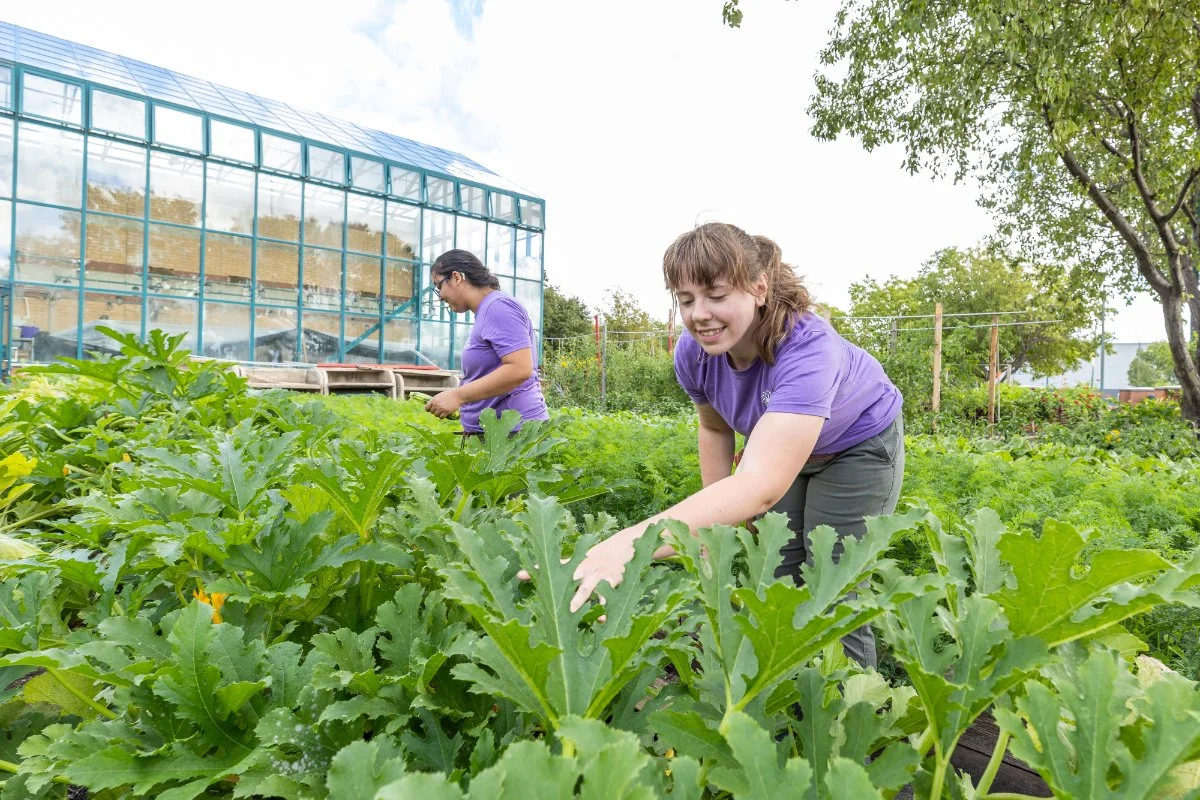
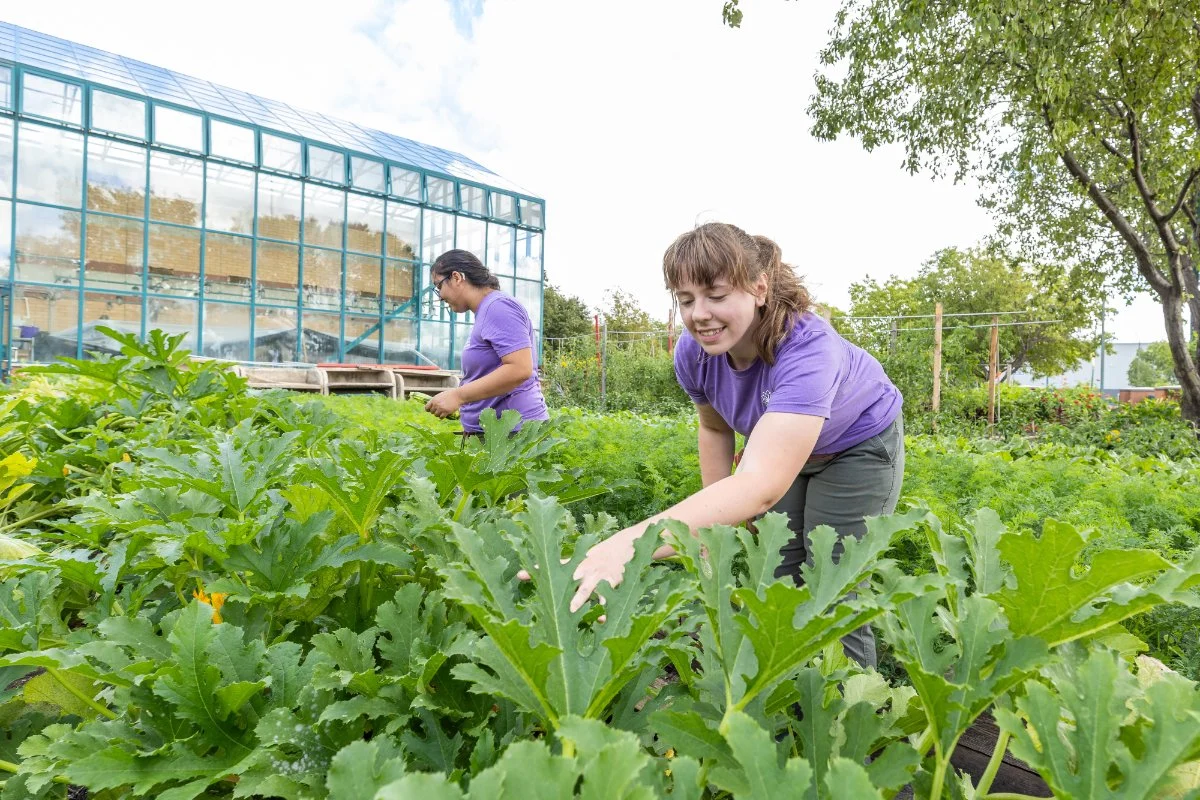
Chicago today boasts a vibrant and diverse urban farming scene, echoing the historical efforts of the Hull House era. These modern initiatives, often driven by non-profits and community organizations, similarly seek to reclaim dormant land, expand nutrition access, and empower communities, though often facing persistent challenges of land tenure and funding.
Within a mile of the former International Harvester site, for instance, two small nonprofit farms operate as programs of Windy City Harvest, part of the Chicago Botanic Garden. These projects resonate deeply with the Hull House legacy by engaging disinvested populations and transforming sobering industrial settings. Rodeo Farm, operating on nearly 2 acres of vacant county land, offers workforce development for the formerly incarcerated, producing greens, root vegetables, sunflowers, and honey. Nearby, the Richard J. Daley College Arturo Velasquez Institute (AVI) Farm, an eighth of an acre, has provided apprenticeships since 2009, selling and donating fresh produce. These farms interrupt the landscape once dominated by the Bridewell Prison (visible to Hull House-era growers), now replaced by the sprawling Cook County Department of Corrections, highlighting the ongoing cycle of social challenges addressed through land-based solutions.
Perhaps the closest contemporary analog to the scale and cultural integration of the Hull House-Harvester gardens is Global Gardens in Albany Park. Located 15 miles away on city property, a former candy factory, this initiative supports some 300 refugees from diverse nations such as Myanmar (bringing at least seven languages and a wealth of unique crops), Afghanistan, Burundi, and Mexico. These gardeners cultivate food for their own kitchens, local markets, and a CSA (Community Supported Agriculture) subscription, fostering food sovereignty and cultural continuity.

Adding a new dimension to Chicago’s urban garden landscape is the Eleanor Roosevelt Fruit and Vegetable Garden at the Obama Presidential Center. Located ten miles from the original Harvester Gardens, this project brings significant visibility and institutional backing. Its 74 raised beds produced 429 pounds of produce for community groups in its first hundred days, marking a high-profile commitment to urban agriculture. This effort stands alongside smaller, grassroots initiatives like the 61st Street Hoop House community garden at the Jackson Park Terrace housing complex.
Challenges and Enduring Lessons for Sustainable Urban Growth
Chicago’s urban farming story is characterized by numerous fits and starts, with a long interruption in the mid-20th century. Nate Ela posits that while establishing gardens and securing land access is an achievement, understanding why these projects end is equally crucial. The Hull House and the associated Harvester gardens played a pivotal role in establishing an urban garden model in Chicago, but their impermanence offers vital lessons for today.
For urban agriculture projects to achieve long-term sustainability, they must evolve beyond the "paternalistic" approaches of the Progressive Era. Contemporary efforts emphasize deeply engaging community members, empowering them not just as beneficiaries but as decision-makers, and crucially, securing and formalizing longer-term access to land. This often involves community land trusts, cooperative ownership models, or robust, legally binding agreements that protect urban green spaces from the relentless pressures of development.
The challenges faced by today’s urban growers — from navigating complex zoning laws and environmental remediation of contaminated soils to securing stable funding and ensuring equitable distribution of resources — are profound. Yet, they are also deeply rooted in the historical struggles that the Hull House sought to address. As Ela concludes, "Most people [today] may not know the stories [from the past], but they know the challenges because they’re doing it. They’re finding secure access to land, and doing it in a way that’s empowering for people in the community."
The "Perennial City" exhibit serves as a powerful reminder that the aspiration to cultivate a city rooted in care, access to land, and community empowerment is a perennial one, an ongoing dialogue between past endeavors and future possibilities. By illuminating this lost history, the exhibit not only honors the pioneering spirit of Hull House and its immigrant gardeners but also invigorates contemporary efforts to build more just, resilient, and food-secure urban environments.