Jia Lissa
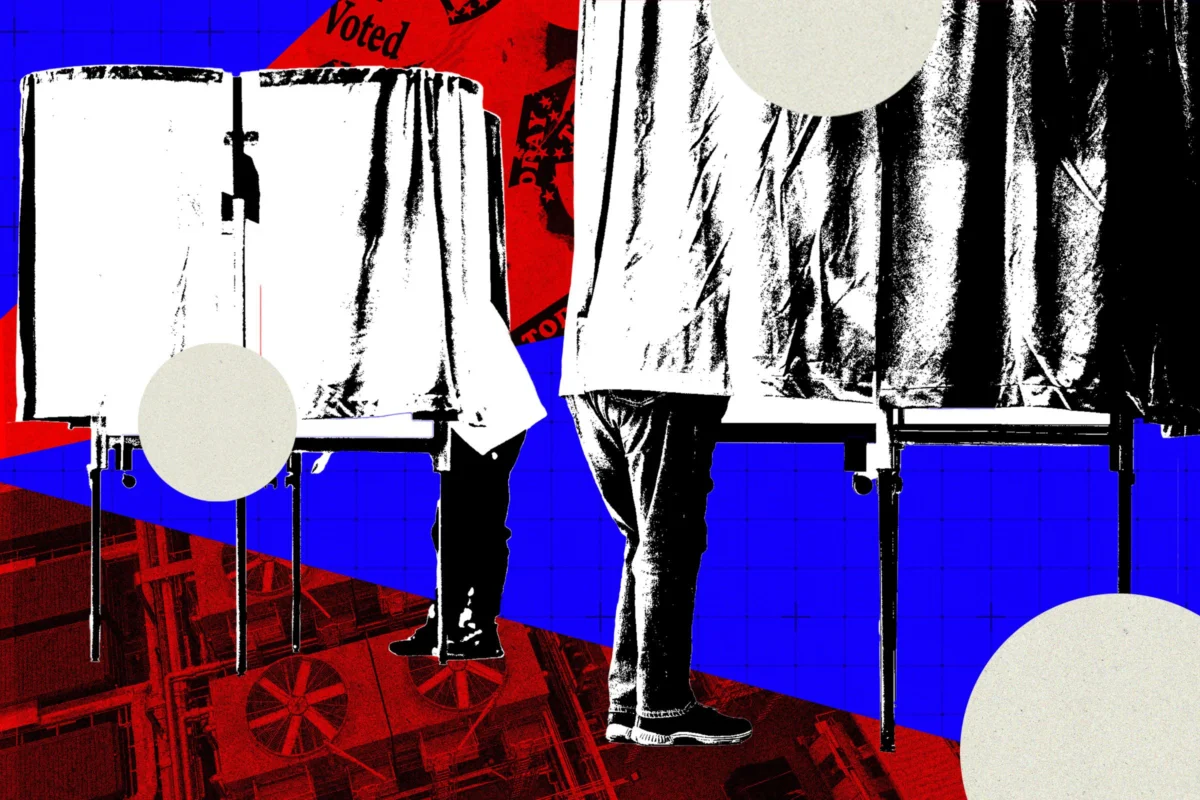
The digital infrastructure underpinning modern life, once a quiet engine of economic growth, has transformed into a surprisingly potent and divisive issue in the ongoing midterm elections, reshaping political narratives and threatening to sway key races across the United States. This electoral season has seen data centers, the sprawling facilities housing the servers that power the internet, cloud computing, and artificial intelligence, evolve from an overlooked component of tech advancement into a flashpoint of public discontent and a significant political liability for candidates on both sides of the aisle. What began as localized protests against specific developments has rapidly escalated into a statewide and even national conversation, forcing candidates to stake clear positions on an industry that was, until recently, largely unscrutinized in political discourse.
The Unforeseen Rise of a Political Wedge Issue
The shift in public perception around data centers has been remarkably swift. Just a few years ago, these facilities were largely welcomed by state and local governments, eager for the promise of tax revenue, high-tech jobs, and economic diversification. Incentives, often in the form of tax breaks or energy subsidies, were common lures for tech giants and hyperscale operators. However, since the beginning of the year, a growing chorus of opposition has emerged, fueled by concerns over massive energy consumption, strain on local infrastructure, environmental impact, and rising utility bills.
This opposition is notably bipartisan, a rare alignment in an increasingly polarized political landscape. Republicans, traditionally aligned with business interests and economic development, are now frequently breaking from figures like former President Donald Trump, who often championed technological expansion. Candidates on the conservative side are appealing to voters on grounds of local control, property rights, and skepticism of "Big Tech" influence. Meanwhile, Democrats, traditionally focused on environmental protection and consumer advocacy, are highlighting the climate footprint, water usage, and the impact of increased energy demand on household budgets. The political weaponization of the issue has led to candidates being branded with derogatory monikers like "Data Center [Name]" by their opponents, a tactic aimed at associating them with perceived corporate greed and negative local externalities. This phenomenon has been observed in at least five races, including two involving candidates named Derek or Derrick, underscoring the ubiquity and effectiveness of this new attack line.
While economic issues, particularly inflation and the cost of living, remain paramount for voters, the data center debate has proven potent enough to potentially swing tight races and ultimately alter the balance of power in Congress. As the November 3 election approaches, the unfolding narrative around these digital behemoths warrants close attention.
Background: The Exponential Growth and Mounting Concerns
Data centers are the physical backbone of the internet, housing vast arrays of servers, storage devices, and networking equipment. They enable everything from streaming movies and social media to advanced AI models and complex financial transactions. Their growth has been exponential, driven by the proliferation of smartphones, cloud computing, and the insatiable demand for digital services. Regions like Northern Virginia, often dubbed "Data Center Alley," have seen unprecedented development, transforming rural landscapes into industrial hubs of digital infrastructure. Similar expansions have occurred in parts of Ohio, Texas, Arizona, and other states with favorable land prices, energy access, and tax incentives.
Initially, data centers were seen as clean industry, providing stable, if not numerous, jobs and significant capital investment. However, as their scale increased, so did their footprint. The primary concerns now driving public and political backlash include:
- Energy Consumption: Data centers are notoriously energy-intensive, consuming vast amounts of electricity to power servers and, critically, to cool them. Globally, data centers account for an estimated 1-1.5% of total electricity consumption, a figure projected to rise significantly with the surge in AI and cryptocurrency operations. In specific localities, a single hyperscale data center can consume as much power as a small city, straining local grids and contributing to increased energy costs for residential consumers. The push for green energy often clashes with the sheer volume of electricity required, sometimes leading to reliance on fossil fuel sources or necessitating costly grid upgrades passed on to ratepayers.
- Water Usage: Cooling systems, particularly evaporative cooling towers, require massive amounts of water. In drought-prone regions or areas experiencing water stress, this demand can exacerbate local shortages, drawing criticism from environmental groups and residents alike. While some data centers employ more efficient cooling methods, water remains a significant concern.
- Land Use: The sprawling campuses required for modern data centers often necessitate the conversion of agricultural land, green spaces, or residential buffer zones, leading to concerns about visual blight, noise pollution from cooling units, and the loss of natural habitats.
- Infrastructure Strain: Beyond energy and water, these facilities place demands on local roads, telecommunications networks, and emergency services, often without fully compensating for the increased burden.
- Tax Incentives vs. Public Benefit: Critics argue that the substantial tax breaks offered to data center operators often outweigh the tangible benefits to local communities, especially when the promised job creation is lower than initially projected due to automation.
These accumulating concerns have transformed a niche infrastructure topic into a mainstream electoral issue, forcing politicians to address the tangible impacts on their constituents.
Political Battlegrounds: Data Centers on the Ballot
The impact of data centers on the midterms is manifesting across all levels of government, from local ballot initiatives to high-stakes Senate races.
Senate Races: Ohio at the Forefront
The National Republican Senatorial Committee (NRSC) issued a memo in August, underscoring the gravity of the data center issue, specifically warning that Democrat Sherrod Brown’s aggressive campaign against his opponent, Senator Jon Husted, in Ohio, could tip the outcome of the race. The NRSC labeled it "a sleeper issue for the entire election cycle." Brown has relentlessly attacked Husted, branding him "the face of data centers in Ohio" and launching ads that directly blame Husted for actively welcoming data centers to the state, resulting in a spike in electric bills for Ohioans. Brown’s campaign highlights instances where Husted, as a key state official, championed policies and incentives that attracted significant data center investment, often without sufficient consideration for the long-term energy and environmental costs to the state’s residents.
In response, Senator Husted attempted to counter the narrative by sponsoring a bill modeled after the White House’s "ratepayer protection pledge," ostensibly designed to safeguard consumers from rising energy costs due to data center demand. However, Senate Democrats, led by Minority Leader Chuck Schumer, swiftly torpedoed the bill, dismissing it as "toothless." Schumer and his allies argued that the legislation lacked real enforcement mechanisms and would do little to curb the energy appetite of the industry or prevent utilities from passing costs onto consumers. This legislative skirmish illustrates the nationalization of the data center debate, moving beyond local zoning boards into the halls of Congress.
Beyond Ohio, data centers have also seeped into other critical toss-up Senate races, including those in Michigan, Iowa, and Texas. In Michigan, industrial land use and potential environmental impacts are key concerns. In Iowa, the conversion of prime agricultural land for data center campuses is a contentious point, pitting economic development against food security and rural heritage. In Texas, the issue is inextricably linked to the state’s notoriously fragile power grid, ERCOT, and ongoing concerns about water scarcity. While these races present diverse local angles, the Ohio contest remains the most prominent example of data centers shaping a statewide Senate campaign.
House Races: A Widespread Phenomenon
With all 435 seats in the House of Representatives up for grabs, data centers have become flashpoints in dozens of races nationwide. According to analyses of competitive races, particularly those labeled "toss-ups" by the Cook Political Report, numerous candidates are deploying data-center-related ads. These ads often accuse incumbents or challengers of being too close to the tech industry, granting excessive tax breaks, or ignoring the environmental and economic impacts on local communities. For instance, in districts experiencing rapid development, candidates might highlight increased traffic, noise, or the visual impact of new facilities. In areas facing energy concerns, ads might directly link a candidate’s pro-data center stance to rising household electricity bills. The sheer number of House races where this issue has gained traction underscores its grassroots appeal and the effectiveness of local opposition movements.
Gubernatorial Races: Moratoriums and Policy Pivots
The gubernatorial landscape reflects a strong trend towards increased regulation and, in many cases, outright moratoriums on data center development. Research from Multistate indicates that at least 20 candidates in the 36 gubernatorial races have pledged to enact some form of data center moratorium if elected. This reflects a significant shift from previous years, where governors often competed to attract these facilities.
New York provides a leading example of this policy shift. Governor Kathy Hochul signed the nation’s first statewide hyperscale data center moratorium in July, a landmark decision driven by concerns over energy consumption and environmental impact, particularly in upstate regions. Hochul, who currently holds a comfortable lead against challenger Bruce Blakeman, enacted the moratorium amidst growing calls for a pause on new development until a comprehensive energy and environmental impact study could be completed. Blakeman, conversely, has expressed support for data center development, arguing for its economic benefits, but faces an uphill battle against the prevailing sentiment.
In Wisconsin’s tight gubernatorial race, the issue has become a competitive differentiator even between candidates who ostensibly share similar concerns. Republican Tom Tiffany has attacked Democrat David Crowley with ads branding him "Data Center David," despite both candidates publicly stating their support for restrictions on the industry. This highlights the political potency of the label itself, demonstrating how candidates attempt to outflank each other on who is "more anti-data center" to appeal to wary voters. Local communities in Wisconsin have voiced concerns over specific proposals that threaten agricultural land and water resources, fueling this competitive dynamic.
Perhaps nowhere is the forced pivot clearer than in Texas. Incumbent Governor Greg Abbott, once a vocal proponent of data center development, has shifted his stance dramatically within the past year, implementing a de facto moratorium on new permits. This change comes amidst mounting pressure over the state’s beleaguered ERCOT power grid, which has suffered from extreme weather events and increased demand, and persistent concerns about water scarcity in many parts of the state. His opponent, Gina Hinojosa, argues that Abbott’s pivot is too little, too late, and that he has not gone far enough to implement robust regulations on the industry, promising more stringent oversight if elected. The Texas situation exemplifies how environmental and infrastructure realities can force even long-standing pro-business politicians to reconsider their positions.
Local Impact: Ballot Measures and Community Activism
The data center debate is perhaps most acutely felt at the local level, where grassroots opposition has translated into direct democratic action. Voters in eight states are considering more than 30 local ballot measures related to data centers. Once again, Ohio stands out, responsible for over half of these measures. These initiatives range from outright local moratoriums on new construction to referendums challenging specific rezoning decisions that would permit data center development.
These local ballot measures represent a powerful expression of community sentiment, often bypassing state-level politics or unresponsive local councils. They demonstrate that residents are increasingly willing to use their direct voting power to shape local land use, protect environmental resources, and influence energy policy when they feel their concerns are not being adequately addressed by elected officials. The success or failure of these local measures will provide crucial insights into the enduring strength of the anti-data center movement.
Broader Implications and Future Outlook
The emergence of data centers as a significant electoral issue carries profound implications for energy policy, economic development strategies, and the future of digital infrastructure.
Energy Policy: The intense scrutiny on data center energy consumption will inevitably accelerate calls for greater transparency from utility companies and data center operators regarding energy sourcing and efficiency. It may also spur innovation in more sustainable cooling technologies and greater integration of renewable energy sources directly into data center operations. Policymakers will face increasing pressure to balance grid stability and affordability with the growing energy demands of the digital economy.
Economic Development: States and localities may begin to re-evaluate the scale and scope of tax incentives offered to data center companies. The narrative is shifting from unquestioning acceptance of "high-tech" investment to a more critical assessment of net benefits versus environmental and infrastructural costs. This could lead to a more selective approach, prioritizing projects with demonstrably lower environmental footprints or higher local job creation.
Regulatory Landscape: The bipartisan nature of the opposition suggests that new state and potentially federal regulations are likely on the horizon. These could include mandates for energy efficiency, water conservation, stricter environmental impact assessments, and requirements for direct integration of renewable energy. The "toothless" critique of Husted’s bill indicates a demand for substantive regulatory frameworks.
Environmental Technology and Mitigation: Amidst the challenges, there is also innovation. A recent exclusive provided to WIRED highlighted a startup called Atoco, which aims to pull water from the air using excess heat from data centers. This innovative approach utilizes metal organic frameworks (MOFs), a technology for which one of its founders won a Nobel Prize. While atmospheric water-harvesting technology exists, Atoco’s unique spin lies in its ability to leverage waste heat from industrial facilities, including data centers, to extract water even in arid regions. This demonstrates a potential pathway for data centers to mitigate some of their environmental impacts, transforming a problematic byproduct (waste heat) into a valuable resource (potable water). Such solutions, if scalable and economically viable, could help address criticisms regarding water usage and energy efficiency, offering a glimpse into a more sustainable future for digital infrastructure.
The 2026 midterm elections mark a pivotal moment for the data center industry. No longer a silent partner in the digital revolution, these facilities have become a focal point of public debate, forcing politicians to confront the tangible costs of the digital age. The outcome of these races will not only determine the balance of power in government but will also significantly influence the regulatory environment, location strategies, and technological evolution of the critical infrastructure that underpins our modern world.