admin
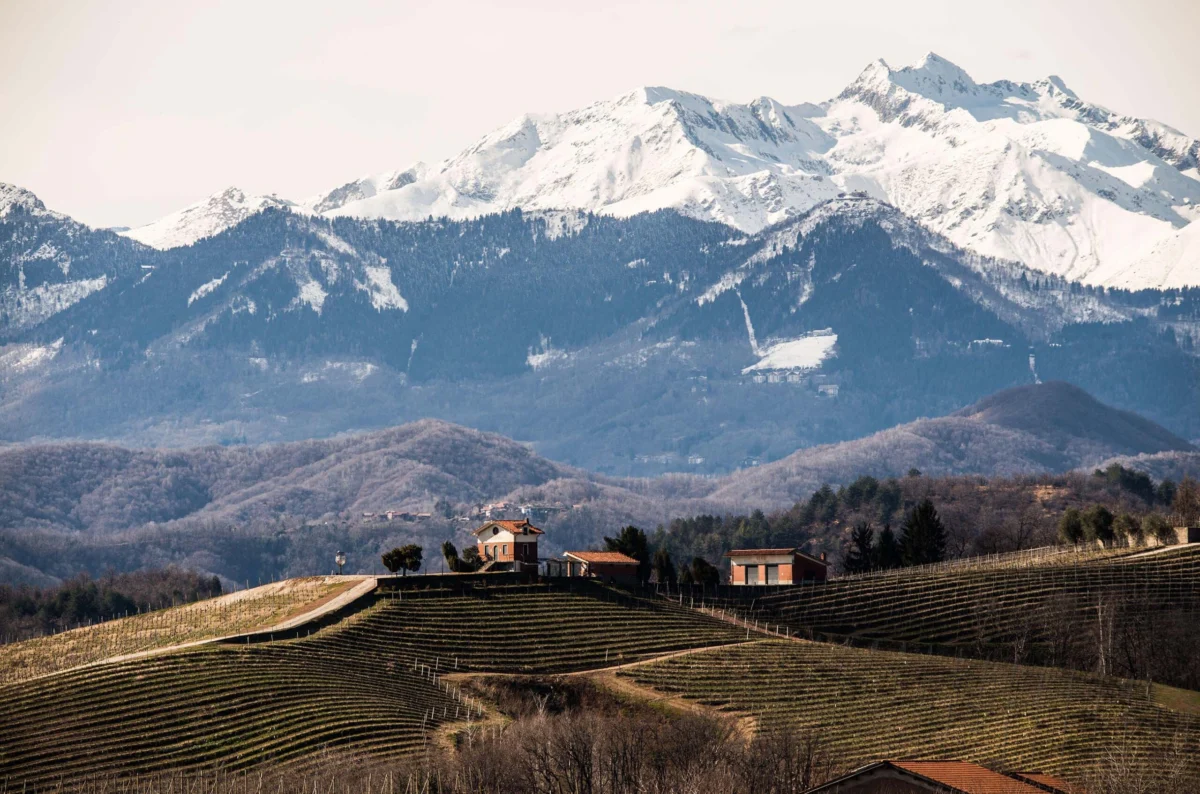
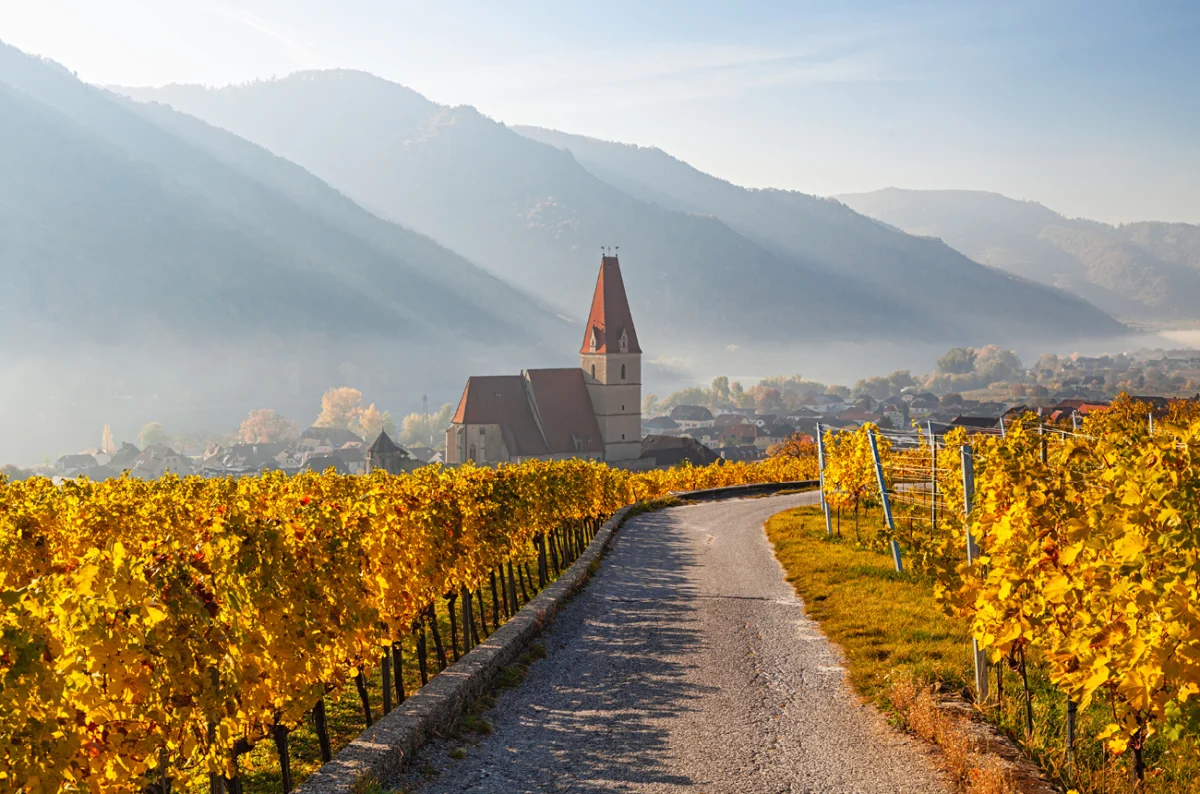
The Tanaro valley, a verdant expanse in southern Piedmont, presents a landscape reminiscent of cinematic grandeur, where the eponymous river carves its path through a uniform tapestry of rolling hills adorned with vineyards. Unlike the rugged, mountainous vistas of Montana evoked by Norman Maclean’s novel A River Runs Through It, this Italian panorama is characterized by a gentle, yet profound, geological narrative. The Tanaro, one of Italy’s longest rivers, flows northeastward before converging with the Po southwest of Milan, acting as a lifeblood for a region that has quietly, yet powerfully, established its unique viticultural significance: the Roero.
Geographical and Geological Foundations of Roero
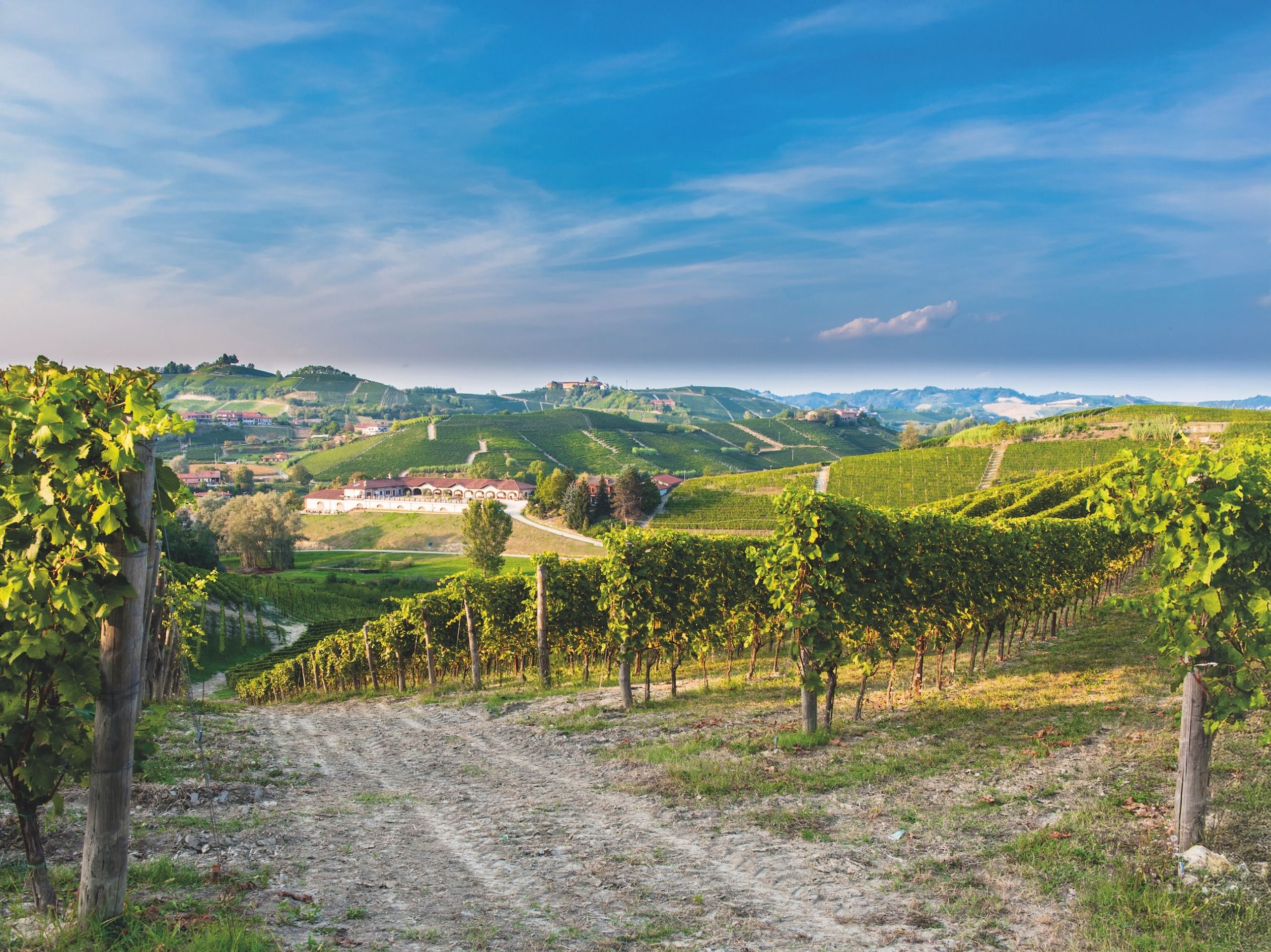
The Roero district, situated northwest of Alba, is defined by the right bank of the Tanaro River, contrasting sharply with the more famous Langhe region on the left bank. This geographical distinction is fundamental to Roero’s unique terroir. While the Langhe is predominantly characterized by marl and limestone soils, Roero’s landscape is a dramatic interplay of ancient marine sands, mixed with clay and silt. These sandy soils, a legacy of the area being submerged by the sea during the Pliocene epoch, are often referred to as ‘sabbie astiane’ (Astian sands). This geological history results in a soil structure that is lighter, more permeable, and drains exceptionally well, contributing distinct characteristics to its wines.
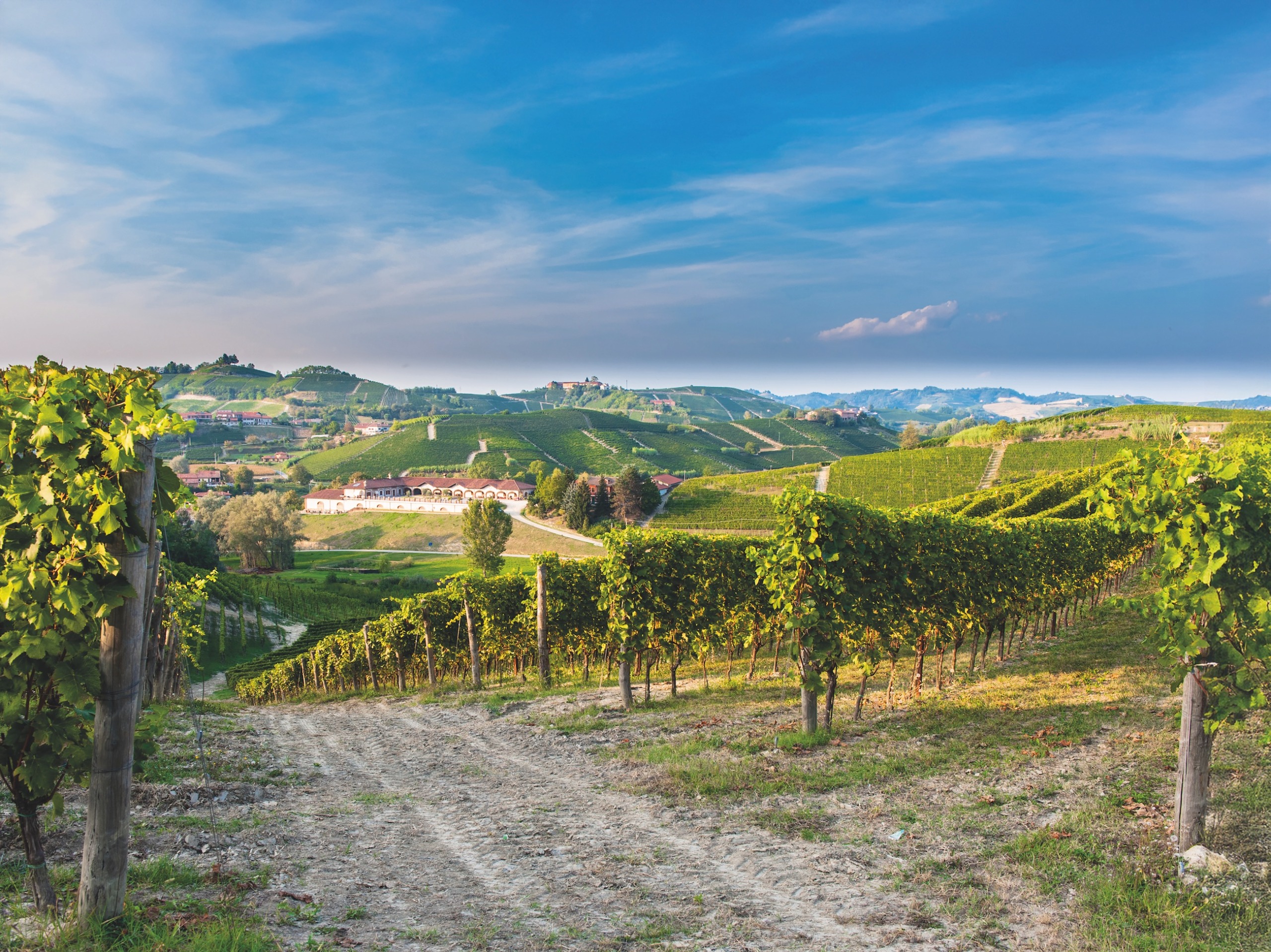
A defining feature of the Roero landscape is its rocche – deep, often dramatic, sandy cliffs and ravines formed by millennia of erosion. These geological formations not only create a breathtaking topography but also influence the microclimates of the vineyards, providing diverse exposures and shelter. The Tanaro River itself moderates temperatures, particularly during the growing season, contributing to a longer, more even ripening period for the grapes. The region spans across several municipalities, including Canale, Vezza d’Alba, and Montà, each contributing to the mosaic of micro-terroirs that make up Roero. Elevations typically range from 200 to 400 meters above sea level, ensuring good diurnal temperature variations that are crucial for developing aromatic complexity in the grapes.
A Timeline of Roero’s Viticultural Evolution
The history of viticulture in Roero stretches back centuries, with evidence of grape cultivation dating to Roman times. However, for much of its history, Roero was overshadowed by its more illustrious neighbors, Barolo and Barbaresco. Its wines were often consumed locally or blended, lacking a distinct identity.
- Pre-20th Century: Vineyards existed, primarily for local consumption and basic wine production. The focus was on quantity over quality, and local varietals were cultivated without much emphasis on terroir expression.
- Mid-20th Century (Post-WWII): A period of recovery and gradual re-evaluation of traditional grape varieties. Nebbiolo and Arneis began to be recognized for their potential beyond simple table wines.
- 1980s: The Dawn of Recognition: This decade marked a pivotal turning point. In 1985, Roero received its Denominazione di Origine Controllata (DOC) status, a crucial step towards formal recognition of its distinct wines. This period saw the rise of pioneering winemakers who believed in the region’s potential. Figures like Matteo Correggia emerged as true visionaries. Correggia, who tragically passed away young, is widely credited with putting Roero on Piedmont’s international wine map. His dedication to quality, innovative viticultural practices, and commitment to expressing Roero’s unique Nebbiolo and Arneis were transformative. His 1996 purchase of the Ròche d’Ampsèj vineyard, which would become a benchmark for Roero Nebbiolo, exemplifies this pioneering spirit.
- 2004: DOCG Elevation: Roero achieved the prestigious Denominazione di Origine Controllata e Garantita (DOCG) status, the highest classification for Italian wines. This upgrade was a testament to the sustained efforts of its producers to elevate quality, enforce stricter production regulations, and build a cohesive regional identity. The DOCG covers both Roero Rosso (made primarily from Nebbiolo) and Roero Arneis (a white wine).
- 2010s Onwards: Consolidation and Modernization: The region has seen continued investment in modern winemaking techniques, sustainable practices, and strategic marketing. The focus remains on showcasing the unique expression of Nebbiolo and Arneis from Roero’s specific terroir. Wineries like Angelo Negro & Figli, a historic estate with a long tradition, and others like Malvirà, Cascina Ca’ Rossa, Valfaccenda, and Marsaglia have played significant roles in cementing Roero’s reputation.
Key Grape Varieties and Their Expression in Roero
The Roero DOCG is primarily known for two grape varieties:
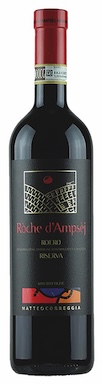
- Nebbiolo (for Roero Rosso): While Nebbiolo is the noble grape of Barolo and Barbaresco, its expression in Roero is distinct. The sandy soils of Roero tend to produce Nebbiolo wines that are typically more aromatic, approachable in their youth, and often exhibit softer tannins compared to their Langhe counterparts. They are characterized by notes of red berries, roses, violets, and often a subtle minerality derived from the sandy terroir. The Riserva designation, as seen in wines like Matteo Correggia’s Ròche d’Ampsèj Riserva or Angelo Negro & Figli’s Sudisfà Riserva, indicates extended aging, often leading to greater complexity, structure, and longevity, while still retaining Roero’s characteristic elegance. The steep, sandy slopes of vineyards like Valmaggiore Audinaggio (Cascina Ca’ Rossa) are particularly challenging to cultivate but yield grapes of intense concentration and aromatic purity.
- Arneis (for Roero Arneis): Known as the "little rascal" due to its historical difficulty in cultivation, Arneis has found its ideal home in Roero. It produces a fragrant, full-bodied white wine with notes of pear, apricot, white flowers, and often a hint of almond or hazelnut. Its crisp acidity and mineral backbone make it a versatile wine, excellent as an aperitif or paired with local Piedmontese cuisine. The success of Roero Arneis has been instrumental in raising the region’s profile, offering a compelling white wine alternative to the predominantly red-focused Piedmont.
Leading Producers and Their Contributions
The Roero region benefits from a cadre of dedicated producers, both historic and emerging, who are passionately committed to expressing its terroir.
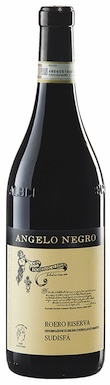
- Angelo Negro & Figli: A truly historic winery, as highlighted by its "Sudisfà Riserva" (first vintage 1996), which is considered a benchmark for the appellation. Run by the Negro family for generations, their deep understanding of the land and commitment to traditional methods, combined with modern expertise, has positioned them as pillars of Roero. Their estate and vineyards, nestled in central Piedmont northwest of Alba, are emblematic of the region’s beauty and dedication to viticulture.
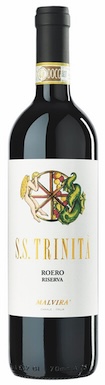
- Malvirà: Owned by brothers Roberto and Massimo Damonte, Malvirà is one of the largest and most influential producers in Roero, managing 43 hectares of vineyards. Their "S.S. Trinità Riserva" (2021) is a testament to their extensive vineyard holdings and commitment to quality, reflecting the breadth and depth of their regional knowledge. Their scale allows them to explore various expressions of Roero’s terroir.
- Matteo Correggia: Even after Matteo’s untimely passing, the winery, now run by his family, continues his legacy of innovation and quality. The "Ròche d’Ampsèj Riserva" (2021) remains a standard-bearer, coming from a perfectly exposed vineyard whose unique soil composition contributes to the wine’s distinctive character. It serves as a living tribute to the winemaker who dared to dream big for Roero.
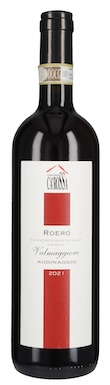
- Cascina Ca’ Rossa: Their "Valmaggiore Audinaggio" (2022) exemplifies the extreme viticulture found in Roero. The Audinaggio vineyard within the vast Valmaggiore MGA is noted for its steep, sandy, southwest-facing plot, demanding meticulous hand-labor but yielding wines of exceptional intensity and character. This highlights the producers’ willingness to tackle challenging terrains for superior quality.
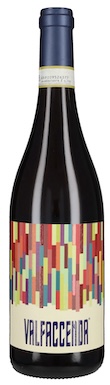
- Valfaccenda: A rising star in Roero, Valfaccenda manages a select few hectares in Canale and Vezza d’Alba, including a hectare in the prestigious Valmaggiore area. Their "Roero" (2023) represents a fresh, dynamic approach to winemaking, often focusing on minimalist intervention to allow the terroir to speak for itself.
- Marsaglia: Their "Brich d’America" (2021) comes from a majestic southeast-facing vineyard at around 350 meters above sea level, surrounded by woods that provide crucial cooling. This specific microclimate contributes to the wine’s unique profile, often described by the winery’s founder as a reflection of the rich, diverse potential of Roero.
Broader Impact and Implications
The rise of Roero wines carries significant implications for the region and the broader Italian wine industry:
- Economic Revitalization: The success of Roero DOCG has brought economic vitality to an area that historically lagged behind its more famous neighbors. It has created jobs in viticulture, winemaking, tourism, and related industries. Increased demand for Roero wines, both domestically and internationally, translates into higher revenues for local businesses and communities.
- Diversification of Piedmontese Wine Offerings: Roero provides a crucial diversification to Piedmont’s wine portfolio. While Barolo and Barbaresco are globally renowned for their powerful, age-worthy Nebbiolos, Roero offers a more approachable, often fruit-forward, and earlier-drinking Nebbiolo, alongside a highly regarded white wine in Arneis. This broadens the appeal of Piedmontese wines to a wider range of consumers and occasions.
- Growth in Wine Tourism: The scenic beauty of the Tanaro valley, combined with the growing reputation of its wines, has spurred an increase in wine tourism. Visitors are drawn to the charming towns, the unique rocche landscape, and the opportunity to discover wines that offer excellent quality and value. Roero presents a less crowded, more intimate experience compared to the bustling Langhe, appealing to those seeking authentic immersion. The presence of agriturismi, local trattorias, and dedicated wine routes contributes to a comprehensive tourist experience.
- Sustainable Practices: Many Roero producers are increasingly adopting sustainable and organic farming practices. The unique sandy soils, while challenging, can also be conducive to certain organic approaches due to good drainage and aeration. This commitment aligns with global consumer trends towards environmentally conscious products and further enhances the region’s image.
- Global Recognition and Market Penetration: While still building its international profile compared to Barolo, Roero wines are steadily gaining recognition in key export markets. Wine critics and sommeliers are increasingly highlighting Roero as a region to watch, appreciating its distinct style and value proposition. The inclusion of Roero wines in prestigious publications and tastings, such as those by Tiziano Gaia, who himself is a respected voice in Italian wine, further aids this global ascent.
Challenges and the Road Ahead
Despite its successes, Roero faces challenges typical of any dynamic wine region. Climate change presents risks, with unpredictable weather patterns potentially affecting grape ripening and yields. Market competition remains fierce, requiring continuous innovation in winemaking and effective marketing strategies to distinguish Roero wines in a crowded global marketplace. The region also works to balance modernization with the preservation of its traditional winemaking heritage and unique landscape.
However, the dedication of its winemakers, the distinctiveness of its terroir, and the inherent quality of its Nebbiolo and Arneis wines position Roero for a bright future. The Tanaro Valley, with its flowing river and undulating vineyards, continues to tell a compelling story of viticultural excellence, inviting wine enthusiasts to explore the nuanced elegance of a region truly coming into its own.