admin
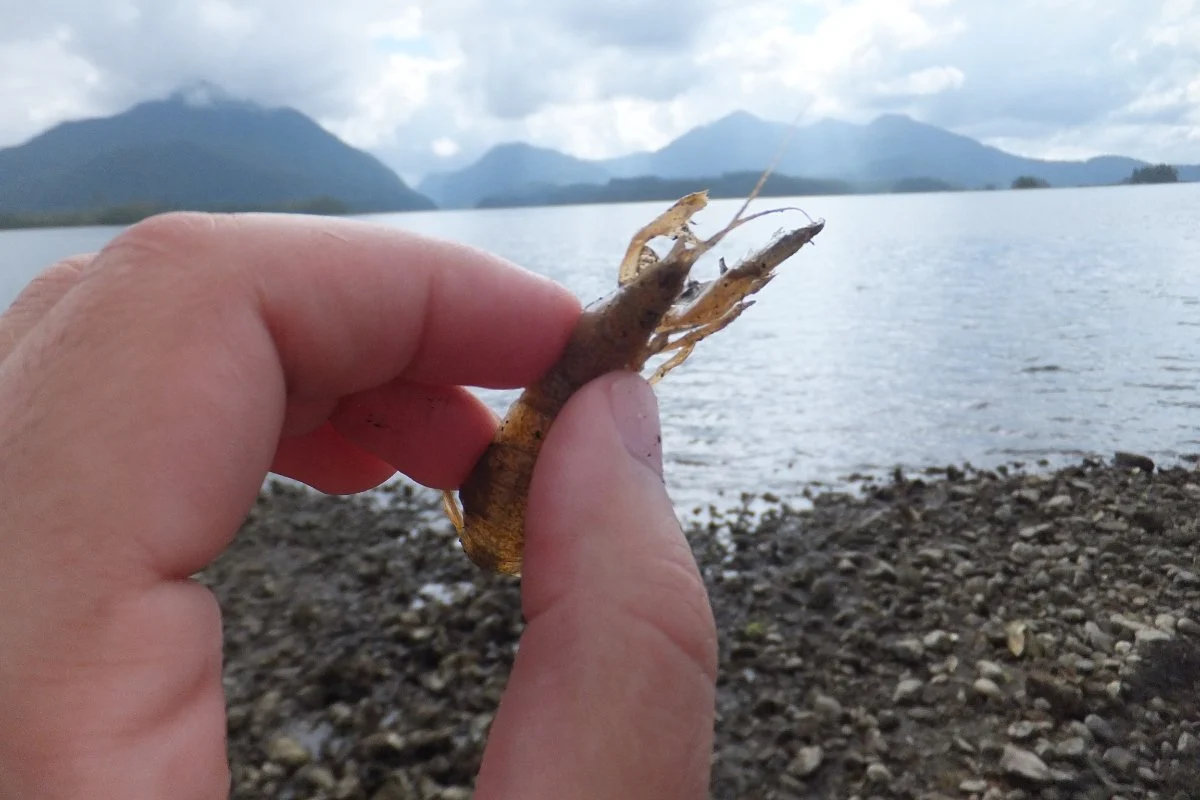
Willapa Bay, a critical hub for oyster aquaculture in the Pacific Northwest, is witnessing a pivotal shift in its battle against the devastating ghost shrimp, Neotrypaea californiensis. At the forefront of this evolving struggle is a promising new vibrocompaction tool, a concept developed by University of Washington research scientist Jennifer Ruesink and her husband, Alan Trimble, a former research scientist at the University of Washington. This innovative approach, recently bolstered by a significant federal grant, represents a beacon of hope for an industry grappling with formidable ecological and economic pressures. The pursuit of sustainable solutions is more urgent than ever, as traditional methods have proven insufficient against a pest that has destabilized vast stretches of productive tideland and threatened the very foundation of an industry vital to the region’s economy and cultural heritage.
The Enduring Challenge of Ghost Shrimp
For decades, oyster farmers in Willapa Bay have faced an existential threat from ghost shrimp. These burrowing crustaceans, native to the Pacific Coast, excavate extensive tunnel systems beneath the sediment, transforming firm oyster beds into unstable, sandy, and muddy substrates unsuitable for oyster cultivation. The continuous churning of the sediment smothers oyster spat, reduces growth rates, and makes harvesting exceedingly difficult, leading to catastrophic crop losses. The economic impact on Willapa Bay, which accounts for approximately 25% of the nation’s oyster production, has been substantial, with annual losses estimated in the millions of dollars. The ghost shrimp problem became particularly acute following the widespread decline of native Olympia oysters and the subsequent introduction of Pacific oysters (Crassostrea gigas), which are highly susceptible to the habitat degradation caused by the shrimp.
Historically, the primary method for controlling ghost shrimp was the application of carbaryl, a potent insecticide. For over 50 years, carbaryl was deemed an effective, albeit controversial, solution. Farmers would apply the chemical to affected tideflats, which would temporarily reduce shrimp populations and allow oysters to flourish. However, growing environmental concerns regarding carbaryl’s impact on non-target species and overall ecosystem health led to a protracted regulatory battle. Environmental advocacy groups, concerned about potential harm to other marine life and the bay’s delicate ecosystem, mounted significant pressure. After years of legal challenges and scientific reviews, the use of carbaryl in Willapa Bay was phased out, with its final ban taking effect in 2012. This left oyster farmers without their primary defense, plunging the industry into a crisis and necessitating an urgent search for environmentally benign alternatives. The ban underscored a broader societal shift towards sustainable aquaculture practices and a heightened awareness of ecological stewardship.
Vibrocompaction: A Novel Engineering Solution
In the void left by carbaryl, researchers and farmers embarked on a desperate quest for new solutions. Earlier attempts to mechanically suppress ghost shrimp involved heavy machinery like tanks, Marsh Masters, and snow rollers driven across the sand. The rationale was to crush the shrimp or compact their burrows. However, these efforts proved largely ineffective. The shrimp, insulated by a meter of wet sand and capable of rapidly re-burrowing, were largely unfazed by surface-level compaction. This series of setbacks highlighted the need for a more sophisticated understanding of the shrimp’s behavior and the sediment dynamics.
It was against this backdrop that Jennifer Ruesink and Alan Trimble conceived the vibrocompaction tool. Trimble, drawing on his background and expertise, hypothesized that the principles used to consolidate wet concrete in building foundations could be adapted to the challenging environment of oyster beds. The core idea was to simultaneously vibrate the mud a foot below the surface while compacting it from above. The expectation was that this dual action would create a hard, impenetrable layer within the sediment, effectively trapping the ghost shrimp beneath a solid barrier and preventing them from re-establishing their disruptive burrow systems. The mechanical process aims to increase the density of the sediment, reducing its permeability and making it unsuitable for the shrimp’s burrowing activities.
Initial trials conducted on active oyster farms within Willapa Bay yielded highly encouraging results. Ruesink and Trimble found that vibrocompaction performed on par with the efficacy previously observed with carbaryl. The treated areas demonstrated a significant reduction in ghost shrimp populations, as the crustaceans were effectively trapped under the newly solidified layer of mud, leading to their demise within a few days. This proof of concept was a critical milestone, offering the first truly viable and environmentally friendly alternative to chemical control. The success of these trials sparked considerable optimism within the industry, providing a tangible path forward after years of uncertainty.
Scaling Up and Securing Critical Funding
With a successful proof of concept in hand, the immediate challenge for Ruesink and Trimble is to scale up the technology to an operational level that can address the vast scope of the problem. Ruesink is actively seeking funding to develop and deploy a larger, more robust machine capable of treating 100 to 200 acres per year. This annual treatment capacity is estimated to be the minimum necessary to maintain the economic viability of oyster farming in Willapa Bay, given the extensive areas affected by ghost shrimp. The development of such a machine is projected to cost approximately $2 million and could be deployed within two years, representing a significant capital investment but one with potentially enormous returns for the industry.
A major step towards this goal was achieved on September 30, 2026, when Ruesink received a $300,000 grant from the U.S. Department of Agriculture (USDA). This crucial federal funding will enable Ruesink to continue her vibrocompaction research across multiple sites in Willapa Bay through 2028. The USDA’s investment underscores the national significance of the research and the potential for vibrocompaction to serve as a model for sustainable aquaculture practices beyond Willapa Bay. A key component of this extended research will be to rigorously assess whether vibrocompaction is harmful to other commercially important species, particularly clams, which are also extensively farmed in Willapa Bay and can also be smothered by ghost shrimp activity. Understanding the broader ecological impacts is paramount for ensuring the long-term sustainability and acceptance of the technology. Initial indications suggest minimal adverse effects on clams, but thorough study is essential for regulatory approval and widespread adoption.
Alternative Strategies: Avoidance and Off-Bottom Cultivation
While vibrocompaction offers a proactive solution, some oyster farmers are exploring alternative strategies, including avoidance and a fundamental shift in cultivation methods. Wilson, an oyster farmer, suggests a two-pronged approach: "track the shrimp or get off the bottom somehow." This perspective acknowledges the dynamic nature of the ghost shrimp problem and the need for adaptable farming practices.
The concept of tracking shrimp movements is gaining traction. Farmers have observed that ghost shrimp populations are not static; they tend to move across tidelands, leaving behind areas that, for a time, become "pretty good ground" for oyster cultivation once the shrimp have departed. Ruesink notes that it has become easier to observe these natural dynamics since the cessation of pesticide use, allowing researchers to document that "the borders of grounds where the shrimp live can retreat between 9 and 30 meters per year." This offers a potential tactical advantage. If farmers can accurately predict and track these movements, they could strategically plant oysters on the receding side of shrimp migrations. However, significant questions remain regarding the viability of this approach, particularly the interval between shrimp departure and their eventual return, which dictates the window of opportunity for oyster growth.
To enhance the precision of shrimp tracking, Katie Ruesink of Bay Center Farms, Ruesink and Trimble’s daughter, has been utilizing drone technology. Since early 2026, she has been flying a camera-mounted drone over one of their plots, capturing aerial photographs that allow for visual tracking of shrimp movements from above. This innovative application of drone technology offers an unprecedented level of detail and broad-scale monitoring, potentially providing critical data to inform tactical planting decisions. The data collected from these drone surveys could help develop predictive models for shrimp migration, making avoidance a more scientifically informed strategy.
Another significant strategy involves "getting off the bottom" entirely, a fundamental departure from traditional ground culture. Several farms are now utilizing the bay’s open water for cultivation. Shoalwater Seafood, operated by the Shoalwater Bay Indian Tribe, began farming oysters in 2019 by investing in floating cage systems, specifically the FlipFarm system from a New Zealand-based company. This method involves growing oysters in cages suspended in the water column, entirely eliminating direct contact with the sediment and, consequently, the ghost shrimp problem.
The FlipFarm system is primarily geared towards the half-shell market, which represents a rapidly growing segment of the oyster industry, particularly compared to the traditional market for oyster meat, which has long been Willapa Bay’s staple product. This shift not only mitigates shrimp damage but also offers distinct commercial advantages. An entry-level FlipFarm installment, costing roughly $30,000, can produce approximately 5,000 dozen oysters. This yield is roughly equivalent to what can be grown on one acre using traditional ground culture methods in Willapa Bay, but in half the time. Half-shell oysters typically reach market size in 12 to 18 months, significantly faster than the three to five years required for larger ground oysters. This faster turnaround offers quicker financial returns and potentially higher profitability for farms capable of making the transition.
However, the transition to floating cages presents substantial financial hurdles for larger, established farms like Wilson’s, which spans hundreds of acres. The initial capital investment required to convert from bottom culture to an extensive floating cage system would be immense. Furthermore, while the half-shell market is competitive and offers faster money, Wilson notes that "they’re not getting that much more for their product than we are" compared to the established ground oyster market. This suggests that the economic calculus for large-scale conversion may not be straightforward, and the benefits might not uniformly outweigh the costs for all operations.
Broader Industry Challenges and Resilience
The ghost shrimp problem, while significant, is but one of many formidable challenges confronting Willapa Bay’s oyster farmers. The industry operates under immense pressure from a multitude of environmental factors, leading to high mortality rates. Wilson candidly states, "We are in an industry where we have an 89.6 percent mortality [rate for oysters], and on top of that, we have shrimp and now green crab." This stark figure underscores the precarious nature of oyster farming, where nearly 90% of oysters fail to reach market maturity due to a combination of diseases, predation, and environmental stressors.
Beyond ghost shrimp, farmers contend with invasive species such as estuary weeds, which can smother oyster beds and compete for nutrients, and predatory snails and crabs, including the rapidly spreading invasive European green crab (Carcinus maenas), which preys on juvenile oysters and competes with native species. Each of these threats adds layers of complexity and cost to oyster cultivation, demanding constant vigilance and adaptive management strategies.
Despite these dire statistics and the relentless succession of challenges, there is a profound sense of resilience and determination within the Willapa Bay oyster farming community. Farmers, scientists, and tribal communities are collaborating to find sustainable solutions and adapt to an ever-changing environment. The efforts to develop and scale vibrocompaction, coupled with innovative shifts to off-bottom farming and strategic shrimp tracking, exemplify this spirit of perseverance.
Implications for the Future of Aquaculture
The ongoing research and adaptation in Willapa Bay have significant implications for the future of aquaculture, both regionally and globally. The successful deployment of vibrocompaction could provide a blueprint for managing burrowing pests in other estuarine environments, offering a non-chemical, mechanical solution that aligns with modern environmental stewardship principles. The USDA grant signals governmental recognition of the importance of these innovations for food security and economic stability in coastal communities.
Furthermore, the diversification of farming methods, particularly the adoption of floating cage systems for the half-shell market, illustrates a broader trend in aquaculture towards optimizing production for specific market demands and mitigating environmental risks. While such transitions require substantial investment and strategic planning, they offer pathways to greater resilience and profitability for segments of the industry. The careful monitoring of shrimp movements using drone technology also highlights the increasing role of precision agriculture and data-driven decision-making in traditional farming sectors.
The Willapa Bay experience serves as a microcosm of the global challenges facing aquaculture: balancing economic viability with ecological sustainability, adapting to climate change impacts, and managing invasive species. The collaborative spirit among researchers, farmers, and indigenous communities in seeking innovative solutions offers a powerful model for confronting these complex issues. As Wilson poignantly reflects, "It’s been dire for so long, but I think we just have to come to accept it as being normal. That’s farming, right?" This sentiment encapsulates the enduring spirit of an industry that, despite facing monumental obstacles, continues to innovate and adapt, ensuring that the legacy of Willapa Bay oysters endures for generations to come. The coming years will be crucial in determining the long-term success of these multifaceted strategies and the sustained health of one of America’s most productive oyster-growing regions.