admin
Halifax, Nova Scotia – October 23, 2026 – Ali Assakereh, a 54-year-old Halifax resident, is now facing two additional criminal charges related to "hoax terrorist activity" following an alleged bomb threat that triggered a significant security alert at the United States consulate in downtown Halifax in August. These new charges further intensify the legal proceedings against Assakereh, who was previously charged with uttering threats, public mischief, and threatening an internationally protected person, the latter of which is considered a terrorism offence under Canadian law and carries a potential sentence of up to life imprisonment. The escalation of charges underscores the serious nature with which Canadian authorities treat threats against diplomatic missions and any activities that cause widespread public alarm and disrupt critical public safety resources.
Chronology of a Crisis: From Alert to Arrest
The initial incident unfolded on the morning of August 10, 2026, plunging the normally bustling downtown core of Halifax into a state of heightened alert. At approximately 9:00 AM AST, Halifax Regional Police (HRP) received a distress call reporting a suspicious vehicle parked precariously close to the U.S. Consulate building on Hollis Street. The vehicle, later identified as belonging to Ali Assakereh, was found to contain a propane tank and various flammable liquids, elements that immediately raised alarm bells for explosive materials. Compounding the initial discovery, a separate, suspicious bag was also located nearby, prompting an even more cautious and comprehensive response from emergency services.

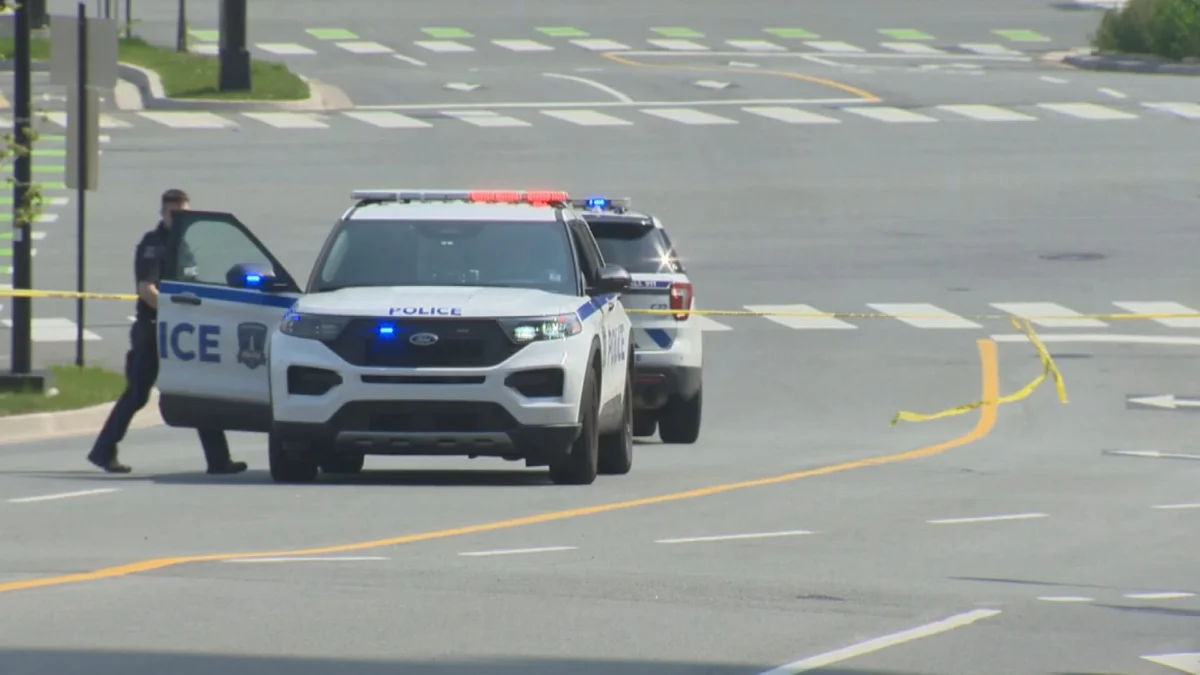
The immediate response from Halifax Regional Police was swift and decisive. Recognizing the potential for a grave threat, authorities implemented a comprehensive security perimeter, evacuating nearby buildings and shutting down several key streets in the downtown area, including Hollis, Duke, and Granville Streets. This cordon effectively isolated the U.S. Consulate and surrounding blocks, disrupting morning commutes, local businesses, and pedestrian traffic for several hours. The incident necessitated the deployment of specialized units, including the HRP’s Explosive Disposal Unit (EDU), who were tasked with safely approaching, inspecting, and ultimately neutralizing the perceived threat. Their meticulous work involved utilizing remote-controlled robots and specialized equipment to assess the contents of the vehicle and the suspicious bag, all while ensuring the safety of the public and first responders. The thoroughness of this operation was paramount, reflecting the high stakes involved when dealing with potential explosive devices near sensitive diplomatic installations.
Later that day, following hours of meticulous assessment and clearance, Ali Assakereh was apprehended in connection with the incident. The following day, August 11, initial charges were formally laid against him: uttering threats and public mischief. These charges reflect the immediate impact of his alleged actions – creating fear and diverting significant public resources under false pretenses. However, the legal trajectory of the case took a more severe turn on August 19. Prosecutors, having reviewed the evidence, laid an additional charge of threatening an internationally protected person under Section 424 of the Criminal Code of Canada. This particular charge carries immense weight, as it is classified as a terrorism offence, signaling the Crown’s intent to pursue the most stringent penalties available under Canadian law, including the possibility of life imprisonment. The decision to label this a terrorism-related offence reflects not only the potential for physical harm but also the broader intent to cause fear and disrupt international relations, even if the actual device was not designed to detonate.
The Weight of the Law: Understanding the Charges
The latest charges of "hoax terrorist activity" further delineate the seriousness of Assakereh’s alleged actions. While the term "hoax" might suggest a lack of genuine intent to cause an explosion, Canadian law, particularly in the context of terrorism, treats such incidents with extreme gravity. A "hoax terrorist activity" charge typically applies when an individual, knowing the information to be false, causes another person to believe that a terrorist activity is occurring, has occurred, or is about to occur. The mere act of creating the appearance of a credible threat, regardless of the ultimate capability of the purported device, is enough to warrant severe legal repercussions. This is primarily because such hoaxes achieve many of the same disruptive and fear-inducing effects as actual terrorist acts, triggering massive emergency responses, causing widespread public panic, and diverting critical resources that could be needed elsewhere.

Section 424 of the Criminal Code, "Threatening internationally protected persons," is a cornerstone of Canada’s commitment to upholding international diplomatic conventions. Internationally protected persons typically include heads of state, diplomatic agents, consular officers, and their families, as defined by international treaties such as the Vienna Convention on Diplomatic Relations and the Vienna Convention on Consular Relations. Threats against such individuals are not merely criminal acts but also carry implications for international relations and Canada’s standing as a safe host nation for diplomatic missions. The classification of this charge as a terrorism offence underscores the view that attacks or threats against diplomatic personnel are often seen as acts intended to intimidate or coerce a government or a segment of the public, which aligns with the definition of terrorism under Canadian law.
Broader Context: Security for Diplomatic Missions
Diplomatic missions, like the U.S. Consulate in Halifax, are frequently symbols of national presence and international relations. As such, they are often considered potential targets for individuals or groups seeking to express grievances, cause political disruption, or inflict harm. Global events and geopolitical tensions invariably heighten security concerns for these facilities. Canada, as a signatory to international conventions protecting diplomats, is obligated to ensure their safety and the inviolability of their premises. This responsibility translates into robust security protocols, including surveillance, access control, and rapid response capabilities from local law enforcement.
The incident in Halifax serves as a stark reminder of the constant vigilance required to protect these critical assets. While specific security measures around the U.S. Consulate are not publicly disclosed for operational reasons, it is understood that such facilities employ multiple layers of security, both overt and covert, to deter threats. The swift activation of emergency protocols by HRP demonstrated the effectiveness of inter-agency coordination in responding to such crises, highlighting pre-existing contingency plans for incidents involving diplomatic targets.

Operational Response and Community Impact
The response to the August 10 incident was a massive logistical undertaking. Beyond the Halifax Regional Police, the operation likely involved assistance from federal agencies such as the Royal Canadian Mounted Police (RCMP), particularly given the international and potential terrorism-related aspects of the threat. Fire and Emergency Health Services were also on standby, ready to respond to any unforeseen escalation. The coordinated effort involved dozens of personnel, specialized vehicles, and advanced equipment, all dedicated to resolving the situation safely.
The disruption to downtown Halifax was considerable. Businesses within the evacuated zone were forced to close their doors, resulting in lost revenue and inconvenience for employees and customers alike. Commuters faced significant delays and re-routing as key thoroughfares remained impassable. For residents and workers in the vicinity, the incident caused palpable anxiety and uncertainty. The sight of armed officers, bomb disposal units, and closed streets created a tense atmosphere, underscoring the profound psychological impact that even a "hoax" threat can have on a community. While the immediate threat was ultimately contained without an explosion, the memory of the lockdown and the fear it engendered lingered.
Official Reactions and Legal Implications

While Halifax Regional Police, consistent with ongoing investigations, did not provide specific details beyond confirming the new charges, their public statements reiterated their commitment to public safety and the thoroughness of their investigative process. The laying of additional charges, particularly those related to hoax terrorist activity, signals a comprehensive approach to prosecuting individuals who intentionally cause public alarm and misuse emergency resources.
The U.S. Consulate, in line with diplomatic protocols, typically refrains from commenting on active investigations in a host country but relies on local authorities to ensure the safety and security of its personnel and premises. Such incidents are undoubtedly reviewed internally to assess and reinforce existing security measures.
Legal experts, speaking generally on such cases, note that the prosecution’s decision to pursue terrorism-related charges, even for a hoax, reflects a broader strategy to deter similar incidents. They emphasize that the impact of a perceived threat, in terms of public fear, economic disruption, and the strain on emergency services, can be as significant as a genuine attempt. The "hoax terrorist activity" charges are designed to hold individuals accountable for these far-reaching consequences, regardless of whether a bomb was actually capable of detonating. The upcoming court appearance in November will be a critical juncture, where further details of the prosecution’s case and the defence’s arguments are expected to emerge.
Looking Ahead: The Path to Justice

The legal process for Ali Assakereh is expected to be protracted, given the complexity and gravity of the charges, particularly those related to terrorism and internationally protected persons. The Crown will need to present a compelling case, demonstrating not only Assakereh’s actions but also the intent or knowledge required for each specific charge. The defence will undoubtedly scrutinize the evidence, potentially challenging the classification of the charges and the interpretation of Assakereh’s intent.
This case will be closely watched by legal professionals, security experts, and the public alike. It serves as a precedent for how Canadian courts address threats against diplomatic missions and the legal ramifications for those who intentionally create widespread public fear and disruption. The outcome will reinforce the message that Canadian authorities are unwavering in their commitment to protecting both their own citizens and the international community residing within their borders, and that any perceived threat, real or hoax, that invokes the specter of terrorism will be met with the full force of the law. The proceedings will undoubtedly highlight the significant resources invested in maintaining public safety and the intricate legal framework designed to safeguard national and international security.