admin
The celebratory pop of a Champagne cork provides the soundtrack to weddings, birthdays, and candlelit anniversary dinners, a ubiquitous symbol of festivity and luxury worldwide for centuries. While Champagne itself spent over 300 years marking countless global milestones, it remarkably lacked a dedicated celebration of its own until a pivotal moment in 2009. This year, as the fourth Friday of October approaches, enthusiasts globally prepare to honor this effervescent icon, reflecting on its rich history, unique terroir, and profound cultural impact.
The Genesis of a Global Celebration
The concept of a dedicated "Champagne Day" was born from the vision of Chris Oggenfuss, a Californian wine educator. In 2009, Oggenfuss initiated a simple yet powerful call to action: he encouraged fellow wine lovers to open a bottle of Champagne and share their joyous moment on social media using the hashtag #ChampagneDay. What began as a grassroots digital initiative quickly transcended its online origins, blossoming into a significant annual event. Within a few years, the celebration spilled offline, with bars, restaurants, and wine shops across continents hosting an array of tastings, educational seminars, and themed events every October. The rapid global adoption of Champagne Day underscored the widespread affection and reverence for this specific sparkling wine. Recognizing its growing influence and the organic enthusiasm it generated, the Comité Champagne – the official trade body representing the region’s growers and houses – officially endorsed the day, dedicating a page on its own website to promote and support the celebration. This official blessing cemented Champagne Day’s status as a legitimate, industry-backed observance, further amplifying its reach and impact.
Timing is Everything: Why the Fourth Friday of October?
While Chris Oggenfuss never explicitly revealed his precise rationale for selecting the fourth Friday of October, the timing proves to be remarkably harmonious and strategically advantageous for various stakeholders within the Champagne industry and its global consumer base. By late October, the arduous and often unpredictable Champagne harvest is typically concluded. The newly pressed grape juice has undergone its primary fermentation, and the nascent wines are safely resting in the region’s historic cellars, beginning their slow transformation into the world-renowned sparkling beverage. This period offers a brief respite for growers and winemakers, providing a natural window to pause, reflect on the season’s efforts, and celebrate the fruits of their labor before the intensive aging processes truly begin.
Furthermore, late October positions Champagne Day perfectly on the horizon of the festive season. The weeks leading up to Christmas and New Year’s Eve represent the busiest and most lucrative period for Champagne sales globally. Retailers, distributors, and hospitality venues begin to stock their inventories in anticipation of heightened demand for holiday celebrations. Champagne Day serves as an ideal precursor, generating buzz, stimulating consumer interest, and encouraging early purchases. It acts as a global marketing catalyst, reminding consumers of Champagne’s quintessential role in festive gatherings. The choice of Friday itself is also intrinsically fitting. As the culmination of the traditional work week, Friday inherently signals relaxation and the commencement of leisure time. Wine lovers require little persuasion to uncork a bottle of something sparkling as they transition into the weekend, making it an opportune day for spontaneous celebrations and shared moments, both large and small.
A Sparkling History: From Accidental Fizz to Global Icon
The history of Champagne is as effervescent and complex as the wine itself, often shrouded in myth and legend. The most enduring tale credits the Benedictine monk Dom Pérignon with its invention in the 17th century, famously exclaiming, "Come quickly, I am drinking the stars!" upon his first sip. However, historical records present a more nuanced reality. That iconic quote, for instance, first appeared in an advertisement roughly two centuries after the monk’s time, a testament to clever marketing rather than historical fact. In truth, much of Dom Pérignon’s career was dedicated to preventing secondary fermentation in the bottle, a phenomenon that caused bottles to explode under pressure in the region’s cellars, leading to significant losses and dangers.
The true legacy of Dom Pérignon lies not in inventing sparkling wine, but in pioneering crucial advancements that refined its production and established the foundations of what Champagne is today. He is widely credited with developing the art of blending grapes from different vineyards and varietals – primarily Chardonnay, Pinot Noir, and Pinot Meunier – to achieve consistency and complexity, laying the groundwork for the distinctive "house styles" that define Champagne houses. His meticulous efforts in refining gentle pressing techniques were also paramount, enabling the production of clear white wine from black grapes like Pinot Noir and Pinot Meunier, a process essential for blanc de noirs and many traditional blends. Furthermore, he contributed significantly to the development of stronger glass bottles and the use of cork stoppers secured with twine, which were vital for containing the wine’s internal pressure.
It is also important to acknowledge that Champagne was not the world’s first sparkling wine. Monks in Limoux, in the Languedoc region of southern France, were producing "Blanquette de Limoux" as early as 1531, predating Champagne by well over a century. Moreover, English scientists and vintners were experimenting with deliberately induced sparkle. In 1662, Christopher Merret, an English physician and scientist, presented a paper to the Royal Society in London detailing how the addition of sugar to wine could create a secondary fermentation, resulting in a sparkling beverage. This occurred decades before Champagne winemakers fully embraced and perfected the méthode champenoise.
The region of Champagne’s crowning achievement was not invention, but perfection. Over generations, its winemakers meticulously refined the process known as the méthode traditionnelle (formerly méthode champenoise). This intricate method involves a second fermentation taking place directly within the sealed bottle, trapping the carbon dioxide that creates the characteristic bubbles. This is followed by an extended period of aging on its lees (spent yeast cells), a crucial step that imparts Champagne’s signature fine bubbles, creamy texture, and complex notes of brioche, toast, and hazelnut – elements that distinguish it from other sparkling wines and contribute to its unparalleled prestige. Innovations like "riddling" (remuage), developed in the early 19th century by Veuve Clicquot’s cellarmaster, Antoine Müller, and later perfected by Madame Clicquot herself, further refined the process by consolidating yeast sediment in the bottle neck, making its removal (disgorgement) more efficient and resulting in crystal-clear wine.
The Terroir and Craftsmanship of Champagne
The unique character of Champagne is inextricably linked to its distinctive terroir – the specific combination of climate, soil, and topography that defines its vineyards. Situated at the northernmost extreme of France’s wine-growing regions, Champagne experiences a cool continental climate, which is critical for retaining the high acidity necessary for sparkling wine production. The average annual temperature hovers around 11°C, and the region receives ample rainfall, ensuring a consistent water supply for the vines.
Beneath the vineyards, the geological composition is predominantly chalk, a porous limestone rich in marine fossils. This chalk subsoil provides excellent drainage while also retaining sufficient moisture to sustain the vines during drier periods. It also contributes to the wines’ characteristic minerality. The Champagne appellation covers approximately 34,200 hectares, primarily centered around the historic cities of Reims and Épernay. This vast area is further subdivided into several distinct sub-regions, each contributing unique nuances to the final blends:
- Montagne de Reims: Predominantly Pinot Noir, known for wines with power and structure.
- Vallée de la Marne: Dominated by Pinot Meunier, offering fruitiness and suppleness.
- Côte des Blancs: Almost exclusively Chardonnay, producing elegant, fresh, and vibrant blanc de blancs.
- Côte de Sézanne: Also Chardonnay-focused, often producing slightly softer styles.
- Aube (Côte des Bar): Further south, with a higher proportion of Pinot Noir and Kimmeridgian clay soils, yielding wines with distinct ripeness and richness.
The three primary grape varieties cultivated in Champagne are Chardonnay (a white grape), and Pinot Noir and Pinot Meunier (black grapes). Each contributes distinct qualities:
- Chardonnay: Provides finesse, acidity, floral, and citrus notes, and excellent aging potential. It is the sole grape in blanc de blancs.
- Pinot Noir: Adds body, structure, red berry fruit flavors, and complexity.
- Pinot Meunier: Contributes fruitiness, suppleness, and a rounded character, especially important for non-vintage blends that are meant to be enjoyed younger.
Another defining feature of Champagne production is the extensive network of cellars, or crayères, carved into the chalk bedrock. These subterranean labyrinths stretch for hundreds of kilometers beneath the vineyards and towns, providing ideal conditions for the slow aging of millions of bottles. The constant, cool temperatures and high humidity within these cellars are essential for the secondary fermentation and the prolonged maturation on lees, which can last from 15 months for non-vintage wines to several years, or even decades, for vintage and prestige cuvées. In recognition of this unique natural and human heritage, Champagne’s "Hillsides, Houses and Cellars" were collectively inscribed on UNESCO’s World Heritage list in 2015, acknowledging their outstanding universal value.
Protecting a Legacy: The Appellation and Global Influence
Champagne’s ascent to global renown began in the early 18th century, finding favor at the opulent French court, particularly under the Regent Philippe d’Orléans, who made it a fixture of his lavish banquets. A pivotal moment for its commercial expansion arrived in 1728 with a royal decree that, for the first time, permitted Champagne – uniquely among French wines – to be transported in bottles rather than barrels. This critical legislative change opened the floodgates to export markets, leading to the establishment of the first Champagne houses, such as Ruinart (1729) and Chanoine Frères (1730), which quickly began building international reputations.
Over the next century, continuous innovations in production, such as the aforementioned riddling process and advancements in bottle strength, further solidified Champagne’s appeal, captivating wine lovers from the salons of London to the imperial courts of St. Petersburg. However, this remarkable success inevitably attracted imitators. By the early 1900s, some unscrupulous producers began purchasing cheaper grapes from outside the historically recognized Champagne region, bottling them and labeling them as Champagne. This deception sparked widespread outrage among legitimate growers, culminating in a period of intense social unrest in 1911. Furious local growers took to the streets, leading to violent protests, the seizure of illegitimate shipments, and the dramatic tipping of wine into the Marne River. This civil unrest ultimately served as a catalyst for legislative action. In 1927, a landmark law was enacted, precisely fixing the geographical boundaries of where grapes for Champagne could be grown and where the wine could be produced. This legislation formed the bedrock of the Champagne Appellation d’Origine Contrôlée (AOC), a powerful legal framework that rigorously protects the name and production standards of Champagne to this day.
The Comité Champagne remains a vigilant guardian of this protected name. Its efforts extend far beyond France’s borders, safeguarding the "Champagne" designation in over 130 countries globally. The committee has successfully waged numerous high-profile legal battles to prevent the misappropriation of the name, challenging products as diverse as elderflower "champagne" in Britain, sparkling wines made outside the region, and even perfumes attempting to use the prestigious name, as seen in cases involving brands in China. This fierce protectionism underscores the immense value and reputation associated with the Champagne brand, which is not merely a geographic indicator but a symbol of unparalleled quality and tradition.
Economic Impact and Global Reach
The dedication to quality and protection has translated into significant economic success. Champagne is a colossal global business, generating billions in revenue annually. While the original text mentions 2025 with a sales figure, assuming this refers to a past year for current reporting, in a recent year, the Champagne region shipped an astounding 266 million bottles, generating revenues estimated at €5.7 billion. More than half of this impressive volume was destined for export markets, highlighting Champagne’s powerful international appeal. Key export markets include the United States, the United Kingdom, Japan, Germany, and Australia, among others. The industry supports tens of thousands of jobs directly in the region, from vineyard workers and cellar masters to marketing and administrative staff, and countless more indirectly through its global distribution and retail networks. The sustained demand, even amidst global economic fluctuations, demonstrates the enduring allure and perceived value of Champagne as a premium product. Its economic footprint extends to tourism, with millions visiting the region’s houses, vineyards, and cellars each year, further contributing to the local economy.
Navigating the Nuances: A Guide to Choosing Your Champagne
For consumers, selecting a bottle of Champagne can initially seem daunting given the variety of labels and styles. However, understanding a few key distinctions can simplify the choice:
- Non-Vintage (NV) Champagne: This is the backbone of any Champagne house, representing around 80-90% of production. NV wines are blended from grapes harvested in multiple years, allowing the cellar master to maintain a consistent "house style" year after year, irrespective of vintage variations. They typically offer excellent value and are designed for immediate enjoyment, showcasing freshness, fruit, and the house’s signature character.
- Vintage Champagne: Produced only in exceptional years, Vintage Champagne is made from grapes harvested in a single, declared year. These wines are aged for a minimum of three years on lees, but often much longer. They are characterized by their ability to age and evolve, developing complex layers of honey, hazelnut, toast, and dried fruit, with bubbles that become increasingly fine and integrated over time. Vintage Champagnes are expressions of a particular year’s unique qualities.
- Blanc de Blancs: Meaning "white from whites," these Champagnes are made exclusively from white grapes, almost always 100% Chardonnay. They are known for their elegance, vivacious acidity, bright citrus and floral notes, and often a delicate minerality. While Chardonnay is the dominant grape, some producers may also incorporate other permitted white varieties like Arbane, Petit Meslier, Pinot Blanc, or Pinot Gris, albeit rarely.
- Blanc de Noirs: Translating to "white from blacks," these are white Champagnes made entirely from black grapes – Pinot Noir, Pinot Meunier, or a blend of both. They tend to be fuller-bodied than blanc de blancs, offering richer fruit profiles with notes of red apples, berries, and sometimes a hint of spice or earthiness, alongside a more robust structure.
- Rosé Champagne: Achieved either by blending a small amount of still red wine (Pinot Noir or Pinot Meunier) into the white base wine before the second fermentation (the most common method) or by leaving the black grape skins in contact with the juice for a brief period (saignée method). Rosé Champagnes offer red fruit characteristics (strawberry, raspberry), often with a delicate floral aroma and a refreshing acidity.
- Brut Nature / Zero Dosage / Non Dosé: These terms indicate that no dosage (a small amount of sugar dissolved in wine, added after disgorgement) was added to the wine. They are the driest style of Champagne, showcasing the purest expression of the grapes and terroir, often with pronounced acidity and minerality.
- Extra Brut, Brut, Extra Dry, Sec, Demi-Sec, Doux: These terms denote increasing levels of sweetness, from Extra Brut (very dry) to Doux (sweetest). Brut is the most common style, offering a balanced dryness.
Celebrating Excellence: Award-Winning Selections
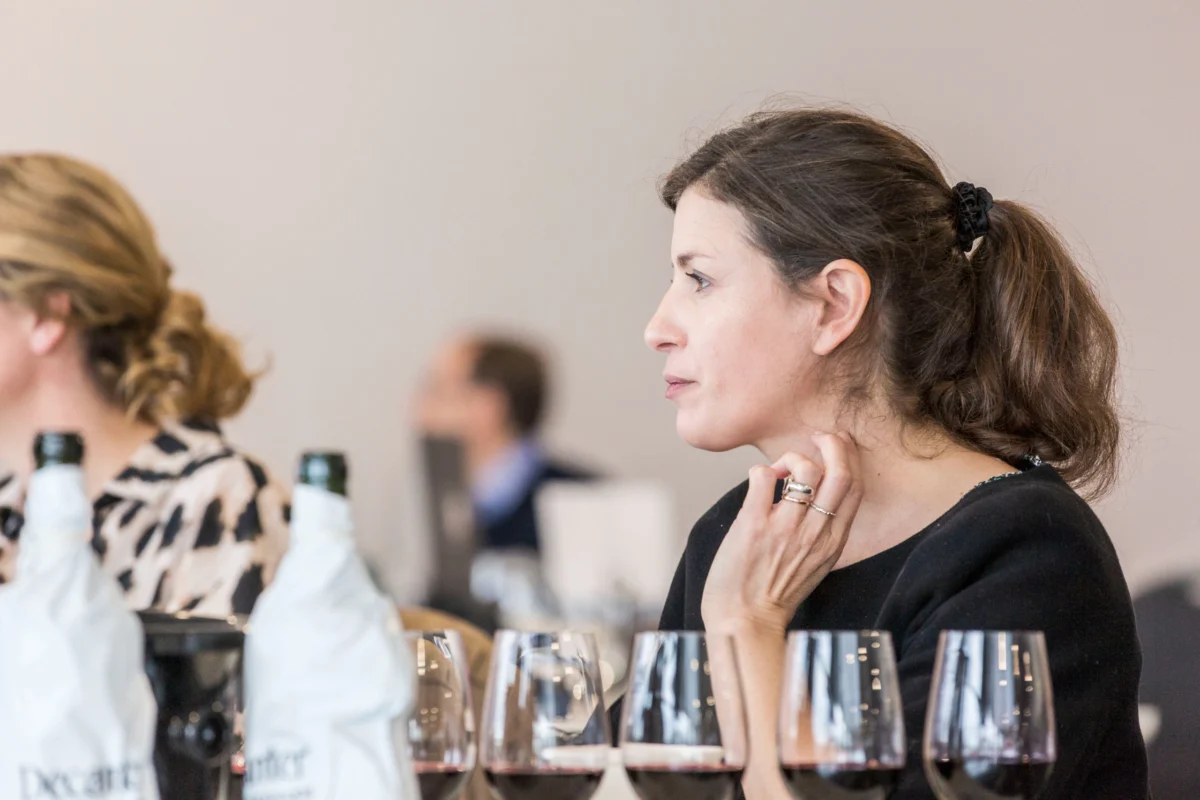
The pursuit of excellence is a constant in Champagne, as evidenced by prestigious wine competitions like the Decanter World Wine Awards (DWWA). The following examples, highly decorated with Best in Show and Platinum awards, highlight the diversity and quality found within the region:
- Charles Collin, Cuvée Charles Blanc de Blancs Brut 2012 (Best in Show, 97 points): A testament to the enduring appeal of the fine-boned Blanc de Blancs style, this wine from the challenging yet triumphant 2012 vintage combines controlled generosity with remarkable refinement. Its aromatic profile includes peach, quince, brioche, dried lemon, and root botanicals, leading to a vibrant, multi-faceted, elegant, and refreshing palate with impressive breadth and carriage.
- De Saint-Gall, Orpale Blanc de Blancs Brut Grand Cru 2012 (Best in Show, 97 points): Another outstanding 2012 Blanc de Blancs, this Grand Cru showcases a vintage that overcame early challenges with a magnificent late season. Pale yellow with a fine-beaded mousse, it offers complex, richly fruited aromas with hints of mocha and toasted brioche. The palate reveals authentic Grand Cru concentration, length, and perfect ripeness, finishing with a hint of fruit-salt and stone.
- Brimoncourt, Régence Brut NV (Platinum, 97 points): An outstanding example of non-vintage Champagne, delivering blissful reams of orchard fruit, baked lemon pie, and toasted biscuits on the nose, followed by bright citrus effervescence and a stylish mineral frame. Superbly driven and energetic.
- Cattier, Blanc De Blancs Brut Premier Cru NV (Platinum, 97 points): Demonstrating impressive Chardonnay typicity, this wine features well-defined honeyed peaches, yellow apples, toasted sourdough, and light brioche notes woven into a fine, creamy mousse. Enhancing wet stone freshness guides razor-sharp acidity and a long, saline finish.
- Drappier, Brut Nature NV (Platinum, 97 points): Vivacious wild strawberries, red apples, and fragrant florals grace the nose, with wafer biscuit and salty pastry complexity bringing depth. Vivid grapefruit acidity slices through the chalky mousse, permeating a nutty length.
- Jacquart, Blanc De Blancs Brut 2018 (Platinum, 97 points): Luminous pearls of golden citrus, peach, pear, and apple boast finesse and character alongside a chalky texture and delicate bubbles. A stunning tension of acidity flows towards a fresh saline finish, wonderfully linear and persistent.
- Marks & Spencer, Delacourt Blanc de Blancs Brut 2017 (Platinum, 97 points): A dazzling complexity of peach, apricot, quince, and golden apple with lashings of toasted bread and brioche underscoring the profile. Broad and muscular, with rippling mousse and racy lime acidity curtailing a grilled nut glow on the finale.
- Philippe Gonet, Ter Blanc De Blancs Extra Brut NV (Platinum, 97 points): Nuances of honeysuckle, citrus, toasted almond, and hazelnut intersperse and conjoin with a glossy bread crust mousse. Fragrant lime acidity adds power and lift, with a peachy backbone energizing the long length, an archetypal Blanc de Blancs.
- Prestige Des Sacres, Cuvée Dynastie Blanc De Blancs Brut NV (Platinum, 97 points): A spectacular cohesion of fresh florals, toasted hazelnuts, and brioche eases across the nose, intermingling with a glossy texture, bustling mousse, and chalky lime acidity. Wonderfully orchestrated and focused with a refreshing saline length.
- Rare, Millésime Brut 2012 (Platinum, 97 points): Overflowing with decadence and ethereal aromatics, offering voluptuous sweet nuts, popcorn, coffee cream, and toasted hay aromas counterbalanced by chiseled lemon effervescence and green apple acidity. Tantalizingly rich yet magnificently fresh and driven.
- Saint Réol, Brut Grand Cru Ambonnay 2008 (Platinum, 97 points): An accomplished nose of hazelnut, chestnut, ginger, and gunflint, showcasing perfect magnum aging. Beautifully structured with a svelte nougat mousse underpinned by polished grapefruit acidity and an enthralling flinty mineral length, promising plenty of life ahead.
These examples underscore the meticulous craftsmanship and diverse expressions possible within the Champagne appellation, from the crisp elegance of a Blanc de Blancs to the rich complexity of a vintage cuvée.
The Future of Fizz: Sustaining the Legacy
As Champagne Day continues to grow, it not only celebrates the past achievements but also looks towards the future. The region is increasingly focused on sustainable viticulture, adapting to climate change, and exploring new innovations while rigorously upholding its traditions. Efforts to reduce environmental impact, preserve biodiversity, and ensure the long-term viability of the vineyards are becoming central to the industry’s strategy. The enduring global appeal of Champagne, its association with joy and celebration, and the unwavering commitment of its producers ensure that this iconic sparkling wine will continue to mark milestones and inspire toasts for centuries to come. Whatever bottle one chooses, Champagne Day provides the perfect, globally recognized excuse to chill a bottle, pop the cork, pour a glass, and join the universal toast to this extraordinary elixir.