admin

In the rolling hills of West Virginia’s eastern panhandle, less than 100 miles from the nation’s capital, a stark reality unfolds for thousands of families navigating the tightening grip of food insecurity. Far from the abstract debates of Washington D.C., community organizations and struggling residents paint a grim picture of diminished access to vital nutritional assistance, a direct consequence of recent federal policy shifts. Since the passage of the "One Big Beautiful Bill" by Congressional Republicans in July 2025, a significant reduction in Supplemental Nutrition Assistance Program (SNAP) benefits has left 14,000 fewer West Virginians, including an estimated 4,000 children, reliant on the program. This substantial drop, however, does not signify a decrease in need but rather a growing inability for vulnerable populations to access crucial support.
The Legislative Shift and Its Immediate Aftermath
The "One Big Beautiful Bill," officially known as the Fiscal Responsibility and Economic Opportunity Act of 2025, represented a sweeping legislative package that, among other provisions for immigration enforcement and climate rollbacks, included significant cuts to social safety net programs, particularly SNAP. Proponents of the bill argued for fiscal prudence and the promotion of self-sufficiency, suggesting that stricter eligibility requirements and work mandates would encourage greater employment and reduce reliance on government aid. However, the on-the-ground impact in communities like Martinsburg, West Virginia, tells a different story.
Aly Nazarok, a housing counselor at Telamon, a national non-profit organization that provides counseling to low-income individuals on housing and budgeting, articulates the disconnect between official statistics and lived experience. "That number doesn’t share the need," Nazarok states, referring to the 14,000 fewer SNAP recipients. "That number shares the amount of people who now are unable to access that resource. And that is what we see boots on the ground every day, and that’s the sad and the scary part." Her observation underscores a critical point: a reduction in program participation often reflects systemic barriers rather than an improvement in economic well-being.
The changes ushered in by the 2025 legislation represent a continuation of a broader trend of tightening eligibility for federal assistance programs. For decades, SNAP, formerly known as the Food Stamp Program, has served as the nation’s first line of defense against hunger, providing low-income individuals and families with electronic benefits to purchase food. Its evolution from a paper-coupon system to modern Electronic Benefit Transfer (EBT) cards has aimed to streamline access, yet persistent debates over its scope, eligibility, and perceived costs have led to recurring legislative efforts to reform or restrict the program. The "One Big Beautiful Bill" introduced specific provisions, including expanded work requirements for able-bodied adults without dependents (ABAWDs) and increased administrative hurdles at the state level, directly contributing to the current reduction in beneficiaries.
A Chronology of Diminished Access
The timeline of these changes reveals a swift and compounding impact on communities already grappling with economic challenges:
- July 2025: The "One Big Beautiful Bill" passes Congress, laying the groundwork for significant SNAP reforms, including stricter work requirements and potential for increased administrative burdens at the state level. The legislative victory for conservative factions is presented as a step towards fiscal responsibility.
- Late 2025: States begin to implement the new federal guidelines. This period sees a gradual tightening of work requirements for certain SNAP recipients. Previously, some states had waivers for these requirements due to high unemployment or economic distress, but these waivers become more difficult to obtain or are phased out. Simultaneously, state administrators, responding to federal pressure or directives, begin to increase the amount of paperwork and verification required for SNAP applications and reapplications. This leads to longer processing times, increased complexity for applicants, and a higher rate of denials or delayed approvals.
- November 2025: The U.S. government experiences its longest full government shutdown in history. For the first time, SNAP benefits are not disbursed as expected, causing widespread panic and hardship. Food pantries and emergency food programs, already stretched thin, are suddenly expected to shoulder the immense burden of temporarily replacing delayed federal benefits, pushing many to their breaking point. This event serves as a stark precursor to the fragility of the food assistance system.
- January 2026: West Virginia becomes one of the early adopters of state-level SNAP food restrictions, prohibiting the purchase of items like candy, soda, and other foods deemed "unhealthy" with SNAP benefits. This policy, approved via a USDA waiver, ignites debate over individual choice, public health, and the practicalities of implementation.
- July 2025 – June 2026: Over this twelve-month period, national SNAP participation drops by over 5 million people, according to an analysis by the Center on Budget and Policy Priorities (CBPP). This unprecedented decline reflects a 17-year low for the program, occurring despite a lack of significant indicators that the national economy has improved sufficiently to warrant such a substantial reduction in food assistance needs. West Virginia’s 14,000-person drop is part of this larger national trend, highlighting a widespread increase in food insecurity.
- June 2026: A federal judge issues an injunction, pausing the implementation of West Virginia’s SNAP food restriction policies. This legal challenge underscores the contentious nature of such policies and raises questions about their legality and efficacy.
The Human Cost: Stories from the Front Lines
At Telamon’s Martinsburg office, the ripple effects of these policy changes are palpable. On a recent Wednesday morning, clients and case managers gathered with reporters to share their experiences. Chelsea Garcia, a case manager, brings a unique perspective to her work, having herself been a young mother who relied on SNAP benefits. She vividly recalls the despair of learning she had lost access to benefits. "I thought I was gonna lose my flippin’ mind," Garcia recounted, reflecting the profound anxiety and uncertainty that accompanies the loss of essential support. "I don’t know what I’m going to do." Her personal journey highlights the critical role of SNAP as a lifeline for families struggling to make ends meet and the devastating emotional and practical consequences when that lifeline is severed.
Clients echo these sentiments, emphasizing how rising costs have eroded their purchasing power. Jerome Lacks, a current SNAP recipient, notes a dramatic change in his grocery budget. "Two years ago, I could fill my grocery cart with $100," Lacks explains. "Now, I’m left wondering where all the food is after spending the same amount." His experience is not isolated. Jeffery Luff, a veteran, client, and board member at Telamon, encapsulates the sentiment: "You don’t get the same bang for the buck that you get nowadays." He attributes this erosion to the confluence of rising food and housing costs, compounded by stagnant wages in the region, which together make it increasingly challenging for West Virginians to achieve economic stability.
Telamon case managers report a growing struggle to help clients manage their budgets. Aly Nazarok explains that while she once advised clients on how to cut back on grocery spending, now, "more and more clients are having to supplement grocery visits with food banks." This shift indicates a deeper crisis, as even careful budgeting with SNAP benefits is no longer sufficient to meet basic nutritional needs.
Supporting Data and Broader Implications
The struggles observed in West Virginia are mirrored across the nation, supported by alarming statistics. The CBPP’s analysis, revealing a 5 million person drop in SNAP participation, indicates a program at a 17-year low, even as economic indicators suggest that widespread improvement has not occurred to justify such a reduction. This suggests that the decrease is largely due to policy and administrative hurdles, not a genuine decrease in poverty or food insecurity.
Food price inflation has played a significant role in exacerbating the challenges faced by SNAP recipients. According to the Bureau of Labor Statistics, the Consumer Price Index for food at home has seen substantial increases over the past two years, with categories like meats, poultry, fish, eggs, and dairy products experiencing some of the steepest hikes. For low-income families whose budgets are already stretched thin, these price increases mean less food for the same amount of money, effectively reducing the real value of their SNAP benefits.
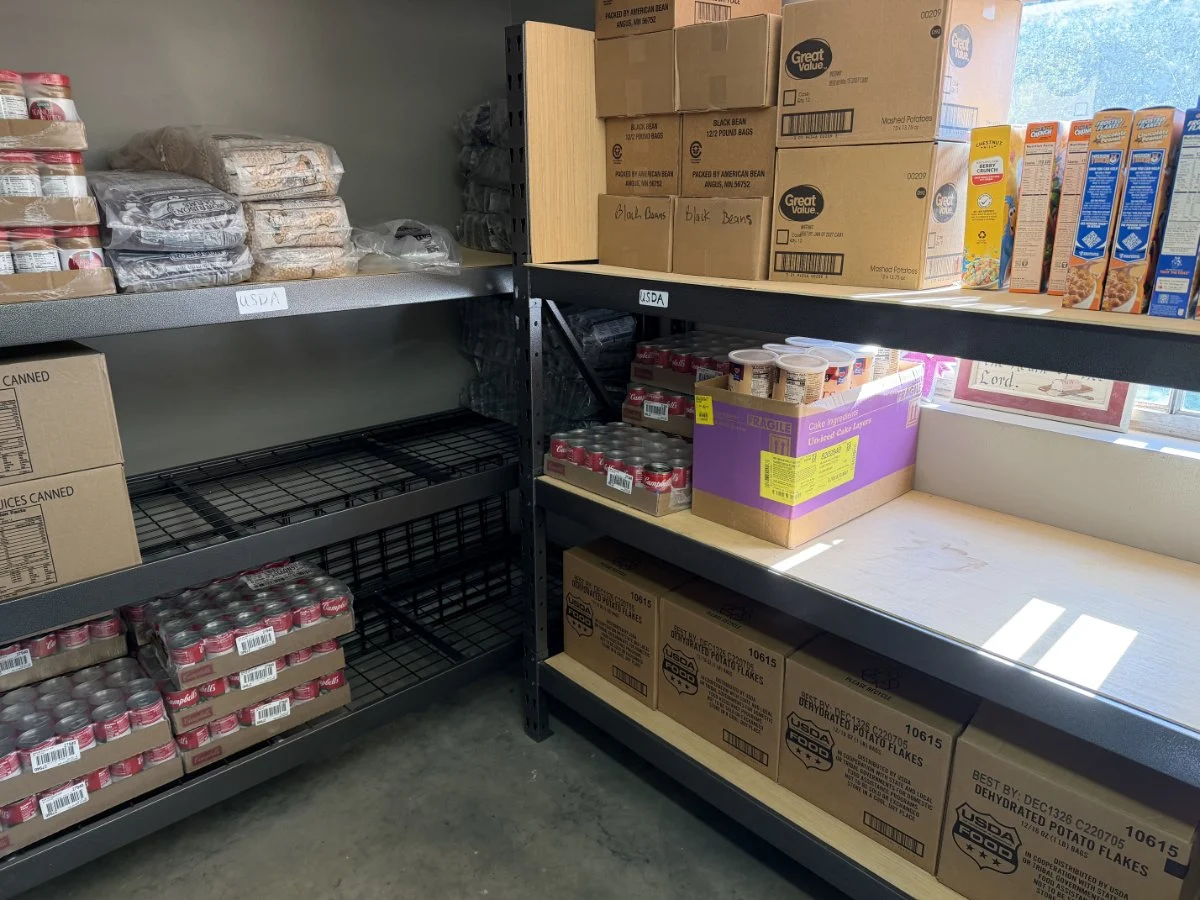
The strain on the emergency food system is also reaching critical levels. Yannick Mundy, a housing family mentor at Telamon, describes food banks facing an "onslaught" of additional need. Many pantries in the area are simply running out of food or are left with only limited commodities. Nazarok notes that local pantries still haven’t fully recovered from the November 2025 government shutdown, which created unprecedented demand. A nearby pantry in Jefferson County recently posted a critical appeal for basic items like pasta. "That is like 99 cents, like, oh my goodness, what is happening?" Nazarok exclaims, highlighting the severity of the shortage.
This localized crisis is part of a national trend. An NBC News survey of 90 major food banks revealed that 75 percent were experiencing increased demand, while a staggering 80 percent reported receiving less food from the U.S. Department of Agriculture (USDA). This dual pressure of rising demand and dwindling supply creates a precarious situation for millions of Americans who rely on emergency food assistance. The reduction in USDA commodities can be attributed to various factors, including shifts in agricultural policies, supply chain disruptions, and changes in federal purchasing programs that previously channeled surplus goods to food banks.
The tightening of work requirements for SNAP recipients, a key feature of the 2025 legislation, has been particularly contentious. While intended to encourage employment, critics argue that these requirements often overlook the complex realities faced by low-income individuals. Many recipients struggle with inconsistent work schedules, lack of affordable childcare, transportation barriers, health issues, or caregiving responsibilities that make it difficult to meet strict hourly mandates. The administrative burden of documenting work hours and navigating complex reporting systems can also lead to wrongful terminations of benefits, trapping individuals in a cycle of poverty rather than liberating them from it. The data suggests that for many, losing benefits due to work requirements does not lead to stable employment but rather deeper food insecurity.
The Debate on SNAP Food Restrictions
West Virginia was among the early states to adopt SNAP food restrictions, which aimed to limit the purchase of certain items like candy and soda. The rationale behind such policies is often rooted in public health concerns, intending to steer beneficiaries towards healthier food choices. However, these restrictions have been met with widespread opposition from advocacy groups and many recipients, who view them as paternalistic and impractical. Arguments against such restrictions highlight the challenges of defining "healthy" foods, the added burden on retailers, and the potential for these policies to disproportionately impact individuals in food deserts who have limited access to fresh, affordable produce.
Sequoyah Spears, a Marine veteran and client at Telamon, offers a nuanced perspective on the restrictions. Initially, Spears found the soda restrictions "too much." However, with the consistent support and guidance from Telamon advisors, he eventually transitioned to a healthier, vegetarian diet, incorporating foods like kale and soy corn dogs into his meal prep. He credits this change with significant personal health improvements, including lower blood pressure and reversal of pre-diabetic symptoms. "I like the healthy approach," Spears said. "That means longevity for myself, because it has caused me to make changes that bettered me."
Yet, Spears’ positive experience, while inspiring, highlights a critical distinction. His success was largely facilitated by the intensive education and counseling he received from Telamon. As Nazarok points out, most West Virginians lacking similar resources and time cannot stretch their SNAP dollars through meal prepping and dietary education. Even Nazarok, who works three jobs while her fiancé holds a full-time job, must meticulously budget and strategically choose grocery stores to get the best deals. "I’m in a spot of privilege, but still our grocery bill is something that causes tension in our household," Nazarok admits, underscoring that even middle-income families are "strapped." This demonstrates that while the intent of promoting healthier eating may be valid, simply restricting purchases without providing robust educational and logistical support can exacerbate hardship rather than improve health outcomes. The federal judge’s decision to pause West Virginia’s restrictions further underscores the legal and practical complexities of such policies.
Official Responses and Advocacy
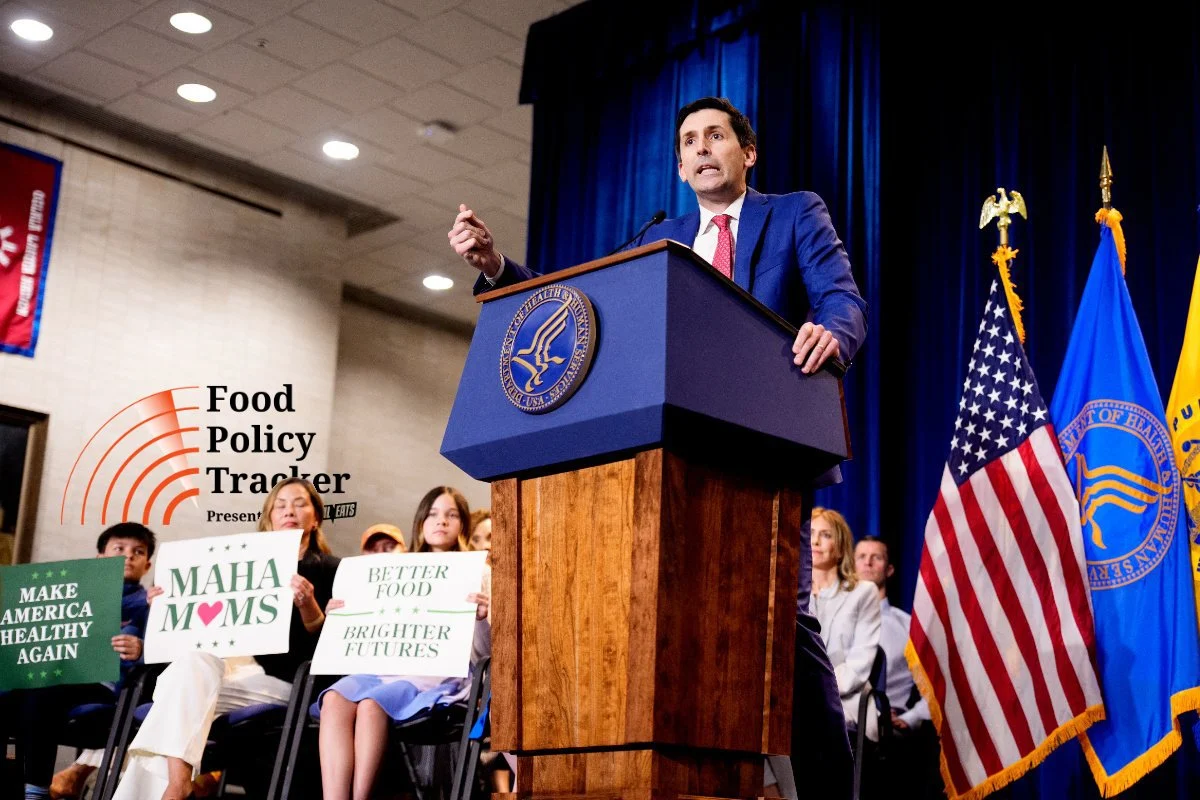
The "One Big Beautiful Bill" and its SNAP provisions were met with strong reactions from various stakeholders. Congressional Republicans largely defended the legislation, citing the need for fiscal discipline and reducing reliance on federal aid. They emphasized the importance of encouraging work and self-sufficiency, often framing the cuts as necessary reforms to ensure the long-term sustainability of safety net programs.
Conversely, anti-hunger advocacy groups, such as the Center on Budget and Policy Priorities (CBPP) and Feeding America, vehemently opposed the cuts. They provided extensive data and analysis, arguing that the changes would disproportionately harm vulnerable populations, increase food insecurity, and have negative long-term impacts on public health and economic productivity. These groups have consistently called for the restoration of benefits and a focus on evidence-based policies that effectively address poverty and hunger.
State SNAP agencies, while responsible for implementing federal mandates, have also faced significant challenges. Many state officials have expressed concerns about the increased administrative burden, the potential for overwhelming their systems, and the direct impact on their constituents. While they are bound by federal law, some state governments have sought waivers or advocated for more flexible interpretations of the rules to mitigate the negative effects on their residents.
Broader Impact and Future Outlook
The situation in West Virginia’s eastern panhandle is a microcosm of a larger national challenge. The confluence of federal policy changes, rising living costs, and an already strained social safety net is creating a crisis of food insecurity that has profound long-term implications. Increased hunger among children can lead to developmental delays, poorer academic performance, and long-term health issues. For adults, food insecurity impacts productivity, health, and overall quality of life, perpetuating cycles of poverty.
The current trajectory suggests that without significant policy reversals or new investments in anti-hunger programs, food banks and local charities will continue to be overwhelmed, unable to bridge the gap left by federal cuts. The ongoing debate surrounding SNAP reflects a fundamental tension between differing philosophies on government’s role in providing social welfare. As communities like Martinsburg continue to grapple with the daily realities of diminished access to food, the human cost of these policy decisions becomes increasingly evident, demanding a re-evaluation of strategies to ensure that no American goes hungry. The path forward will likely involve continued advocacy, legal challenges, and renewed legislative efforts to balance fiscal responsibility with the fundamental need for a robust and accessible safety net.