admin

As Nova Scotia stands on the precipice of a significant labour disruption, more than 5,000 school support staff represented by the Canadian Union of Public Employees (CUPE) are poised to initiate strike action starting Monday, October 26, sending ripples of apprehension through communities across the province. The looming walkout, which encompasses a critical range of personnel from education program assistants (EPAs) and lead early childhood educators to bus drivers, janitorial staff, and cafeteria workers, threatens to fundamentally alter the daily operations of schools and disproportionately impact some of the province’s most vulnerable students. Advocacy groups and families are voicing urgent concerns, criticizing what they perceive as inadequate provincial planning and an unfair burden placed upon parents to navigate the impending chaos.
The potential strike stems from an impasse in collective bargaining negotiations between CUPE and the provincial government, with the union asserting that the latest wage proposals fail to adequately address the rising cost of living and the essential value of their members’ contributions to the education system. While specific details of the union’s full demands have been closely guarded during negotiations, the province’s last disclosed offer—an increase of $1.62 per hour for most job classifications over a four-year agreement—has been widely seen by the union as insufficient to meet the economic realities faced by its members. This financial sticking point underscores a broader debate about the recognition and remuneration of public sector workers, particularly those whose roles are often behind the scenes but are undeniably foundational to the safe and effective functioning of schools.
The Critical Roles of School Support Staff
The breadth of services provided by the more than 5,000 CUPE members involved in this dispute highlights the potential scale of disruption. Education Program Assistants (EPAs) are frontline heroes, offering indispensable one-on-one support to students with diverse learning needs, including those with physical disabilities, developmental delays, autism spectrum disorder, and mental health challenges. Their work ensures accessibility, safety, and inclusion, often facilitating communication, mobility, and academic engagement that would otherwise be impossible for many students. Beyond direct student support, bus drivers are responsible for transporting tens of thousands of students safely to and from school each day across the province’s vast geography. Janitorial staff maintain hygienic and safe learning environments, a role underscored in recent years by global health crises. Cafeteria workers provide essential nutrition, while early childhood educators in pre-primary programs lay crucial developmental foundations. The absence of any of these groups would create significant logistical and operational challenges, but a simultaneous withdrawal of services from all these classifications would bring the educational system to a near standstill for many.
Families Grapple with Unprecedented Choices
For parents like Kirkley Westhaver of Halifax, the impending strike presents an agonizing dilemma. Her eight-year-old daughter, who lives with autism and a global developmental delay, relies heavily on an EPA for constant supervision and support throughout her school day. Westhaver articulates the profound safety concerns posed by her daughter’s condition, noting, "She’s often unaware of the hazards that are around her. You know, general things like, would walk right in front of a car and not understand that that’s dangerous, would walk straight into a lake and has tried to do so before. She’s one of those kids who just kind of needs 24/7 supervision."
The Halifax Regional Centre for Education (HRCE) has reportedly informed Westhaver that her daughter would not be permitted to attend school without her direct accompaniment in the event of a strike. This effectively forces parents of children with intensive support needs to choose between their child’s education and their own employment, a choice many find untenable. Westhaver’s sentiment, "If our children can’t meaningfully access education and meaningfully access programs . . . that we are paying for, then no children should be able to access it," encapsulates the frustration of many families who feel their children’s right to an equitable education is being compromised. The potential for lost wages for parents forced to stay home, coupled with the emotional toll of disrupted routines and missed learning opportunities for children, paints a stark picture of the strike’s immediate human cost.
Advocacy Groups Sound the Alarm on Equity

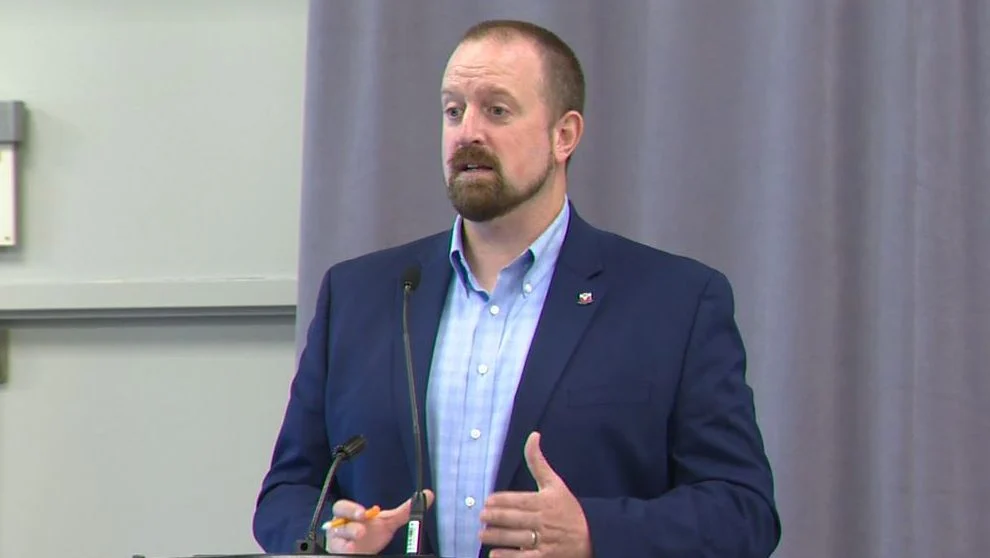
The concerns raised by individual families are echoed by broader advocacy efforts. Brian Foster, executive director of Inclusion Nova Scotia, reports hearing from numerous parents in similar predicaments, all facing profound uncertainty. Foster sharply criticizes the provincial government’s perceived lack of robust contingency planning, asserting that the province is "putting parents between them and the labour negotiations because they won’t make the hard decisions about the contingency plans (that do) not disproportionately (affect) people with disabilities."
This critique highlights a fundamental issue of educational equity. Under human rights legislation and principles of inclusive education, students with disabilities are entitled to access education in a manner that is equitable to their peers. A strike that effectively bars these students from school due to a lack of essential support personnel raises serious questions about the province’s commitment to these obligations. The argument posits that if the province cannot guarantee safe and accessible education for all students during a labour dispute, then it must ensure that the impact is shared universally, rather than falling disproportionately on those already requiring additional support. The call for comprehensive, inclusive contingency plans underscores the belief that the responsibility for mitigating strike impacts lies firmly with the provincial government, not with individual families.
A Timeline of Tense Negotiations and Impending Action
The road to this potential strike has been a protracted one, reflecting persistent disagreements at the bargaining table. Negotiations between CUPE and the Nova Scotia government have been ongoing for several months, with the union advocating for improved wages, benefits, and working conditions for its diverse membership. Following what CUPE deemed unsatisfactory progress in direct negotiations, the union sought and received a strong strike mandate from its members, indicating a collective willingness to take job action if a fair agreement could not be reached.
While the specific date for the strike vote is not detailed, the announcement of a potential strike for October 26 suggests that CUPE provided the necessary legal notice of intent to strike. In Nova Scotia, unions are typically required to provide 48 hours’ notice before commencing strike action, a period designed to allow employers to implement contingency plans. As of Thursday, the Department of Education spokesperson confirmed that the provincial government had not yet received formal 48-hour strike notice from CUPE, a detail that adds to the uncertainty as families headed into the weekend preceding the Monday deadline. Discussions were reportedly set to continue on Friday, representing a last-ditch effort to avert the strike. This tight timeline further exacerbates parental anxiety, leaving families scrambling to make arrangements without definitive information.
Official Responses and Contingency Measures
In response to the escalating concerns, official statements from educational authorities and the provincial government have sought to reassure the public while acknowledging the challenges. The Halifax Regional Centre for Education (HRCE) released a statement indicating that it is actively developing plans to ensure students requiring EPA support can continue to access educational services "reasonably and safely." However, the statement also cautioned that "The ability to attend school will depend, in part, on the individual supports a student requires and how those supports may be affected by job action," highlighting the highly individualized and complex nature of the challenge. This nuanced response underscores the difficulty in providing blanket assurances given the diverse needs of students and the varied roles of striking workers.
Premier Tim Houston, when questioned on Thursday, reiterated his belief in the collective bargaining process, asserting that "our track record on collective bargaining is very good." He conveyed a message of hope to parents, stating, "We don’t want any labour disruption. We’re working through this process. We’ll put a fair process on the table, but the union will ultimately decide. But we’re hopeful and we don’t want any disruption." While expressing a desire for a peaceful resolution, the Premier’s comments also place the ultimate decision to strike squarely on the union, a stance that has drawn criticism from advocacy groups like Inclusion Nova Scotia for not taking more decisive action to prevent the disruption.
The province has outlined preliminary contingency plans, indicating that the impacts of a strike would vary by region. Some classes might continue as normal, particularly in areas less reliant on the specific striking classifications or where alternative arrangements can be made. Other students could be shifted to online learning, a model that became familiar during the COVID-19 pandemic but presents its own challenges, particularly for younger students or those requiring hands-on support. Crucially, bus services are expected to be suspended in some areas, and various pre-primary and before- and after-school programs are slated for cancellation. These fragmented plans underscore the logistical nightmare a full-scale strike would present, highlighting the essential, integrated nature of school support services.

Broader Implications: Educational, Social, and Economic Fallout
The potential CUPE strike in Nova Scotia carries significant implications that extend far beyond the immediate disruption to school schedules.
Educational Impact: A prolonged strike could lead to substantial learning loss, particularly for students who thrive on routine and consistent support. For students with special needs, even short disruptions can reverse progress and make reintegration into the school environment challenging. The shift to online learning, while an option, is not universally effective, particularly for younger children or those lacking adequate home support or digital access. The overall educational experience for all students could be diminished, affecting curriculum delivery and extracurricular activities.
Social Impact: The burden on families would be immense. Parents, many of whom are already juggling work and family responsibilities, would be forced to find alternative childcare or take unpaid leave, leading to financial strain. This disproportionately affects single-parent households and low-income families, exacerbating existing social inequalities. The emotional and mental health toll on both students and parents dealing with uncertainty and disruption cannot be underestimated. Moreover, the strike could deepen the divide between various stakeholders within the education system, potentially impacting morale and collaboration in the long term.
Economic Impact: The economic consequences of a strike of this magnitude would ripple through local communities. Lost parental wages due to childcare needs, increased demand for paid childcare services (which may not be readily available or affordable), and decreased productivity for businesses due to employees needing to stay home all contribute to a measurable economic cost. Furthermore, if the strike is prolonged, the perception of instability in the public education system could have longer-term impacts on attracting and retaining families and workers in the province.
Political and Labour Relations Context: This dispute unfolds within a broader provincial and national context of public sector labour relations. With rising inflation and cost-of-living increases, unions across various sectors are increasingly pushing for wage adjustments that keep pace with economic realities. The outcome of this strike, whether through a negotiated settlement or a prolonged dispute, could set precedents for future collective bargaining agreements in Nova Scotia’s public sector. The government’s handling of the situation will inevitably be scrutinized, potentially influencing public perception and future electoral outcomes.
The Urgent Need for Resolution
As Nova Scotia faces the looming deadline, the urgency for a resolution cannot be overstated. The impasse in negotiations is not merely a bureaucratic disagreement; it is a human issue with profound consequences for thousands of students, their families, and the fabric of communities across the province. The dedicated work of education program assistants, bus drivers, janitorial staff, cafeteria workers, and early childhood educators is integral to the functioning of Nova Scotia’s schools and the well-being of its children. Their value, both in terms of their direct contributions and their role in ensuring equitable access to education, is undeniable.
The call from advocates like Brian Foster to avoid disproportionate impacts on vulnerable populations underscores a critical moral and legal imperative. As discussions continue, hopefully to a fruitful conclusion, the spotlight remains firmly on the bargaining table. The hope shared by parents, educators, and the wider community is that a fair and equitable agreement can be reached before Monday, October 26, ensuring that the essential services provided by CUPE members continue uninterrupted, and that all students in Nova Scotia can access their education safely and meaningfully. The stakes are high, and the clock is ticking for a province holding its breath.