admin
In March 2021, a collaborative initiative known as the "Celebrating Sisters" campaign was launched by the Indigenous Brew Crew (IBC), a trio of Indigenous brewers aiming to raise awareness and funds for Indigenous women across Canada. While the campaign was initially greeted with enthusiasm by craft beer enthusiasts, it simultaneously ignited a profound and polarized debate within Indigenous communities regarding the ethics of promoting alcohol—a substance inextricably linked to colonial trauma and systemic oppression. The resulting controversy, which played out across social media and industry forums, ultimately led to the dissolution of the IBC months later, underscoring the deep-seated complexities Indigenous entrepreneurs face when entering the multibillion-dollar Canadian liquor industry.
The Legislative Framework of Exclusion: A Chronology of Trauma
To understand the current tension within the Indigenous craft beer sector, one must examine the historical legislative framework that governed Indigenous life in Canada. For over a century, the Canadian government utilized alcohol as both a tool of dispossession and a justification for state paternalism.
1876: The Indian Act and Total Prohibition
The inception of the Indian Act in 1876 consolidated various colonial laws into a single framework of control. Under this Act, Indigenous people were legally prohibited from purchasing, possessing, or consuming alcohol. This was not merely a matter of public health but a mechanism of "cultural genocide," as defined by the 2015 Truth and Reconciliation Commission (TRC). Indigenous people were categorized as "wards of the state," and their perceived inability to manage alcohol was used as a pretext to deny them basic rights, including the right to vote or manage their own lands.
The Era of "Indian Beer" and Residential Schools
During the late 19th and early 20th centuries, the only legal "beer" available to Indigenous people was a non-alcoholic substitute derogatorily referred to as "Indian Beer." Simultaneously, the residential school system and the "Sixties Scoop" fractured Indigenous families, inflicting deep psychological and physical wounds. In many instances, alcohol became a coping mechanism for survivors of these institutions. Historians note that while fermented beverages existed in some pre-colonial Indigenous cultures for medicinal or ceremonial use, the introduction of high-proof spirits by European traders was intentionally used to destabilize Indigenous trading systems and social structures.
1950s–1980s: Slow Legislative Reform
It was not until the mid-20th century that provincial and federal laws began to shift. Between the 1950s and 1980s, prohibition was gradually lifted for Indigenous people, yet the damage of a century of exclusion—and the subsequent cycle of dependency born from trauma—remained. Today, many Indigenous communities continue to struggle with high rates of alcohol-related harm, leading some to advocate for total prohibition on reserves as a form of harm reduction, while others view the right to consume and produce alcohol as a matter of self-determination.

The Economic Landscape: Indigenous Entrepreneurship and Craft Beer
Despite the historical weight of the industry, a growing number of Indigenous entrepreneurs are asserting their presence in the Canadian craft beer market. This movement is part of a broader trend in Indigenous economic development. According to the Canadian Council for Aboriginal Business (CCAB), Indigenous businesses contribute over $30 billion annually to the Canadian GDP, with a growth rate nearly double that of the national average.
Case Study: Locality Brewing and the Weight of Representation
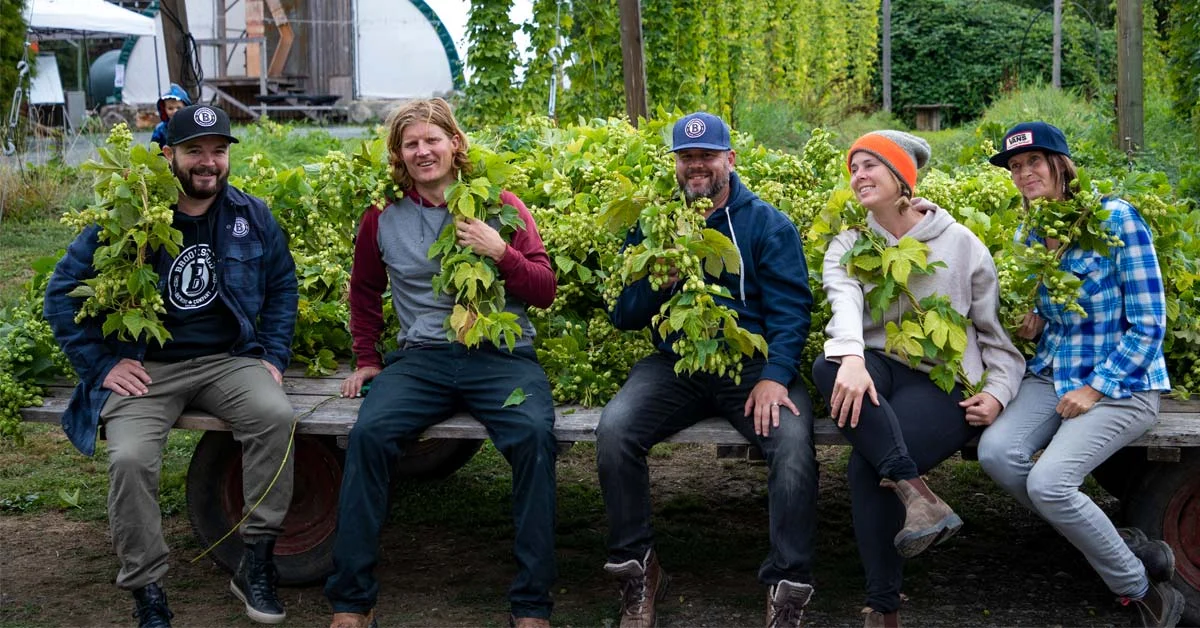
Melanie MacInnes, a Métis woman and co-owner of Locality Brewing in Langley, British Columbia, exemplifies the internal conflict many Indigenous owners face. When nominated for the Best Indigenous-Led Business at the 2022 BC Food & Beverage Awards, MacInnes initially hesitated to accept the recognition. The decision to publicly identify her business as Indigenous-led carried what she described as a "huge responsibility."
MacInnes’s eventual acceptance and subsequent win highlighted a shift in the industry. Her business model focuses on "gathering and growth," utilizing family land to source ingredients and create a space for community connection. Her success serves as a rebuttal to the "shame" historically associated with Métis identity, a sentiment echoed by marketing expert Darian Kovacs, who notes that for generations, Métis families were encouraged to hide their heritage to avoid discrimination.

The Mohawk Tradition: Kahnawake Brewing Company
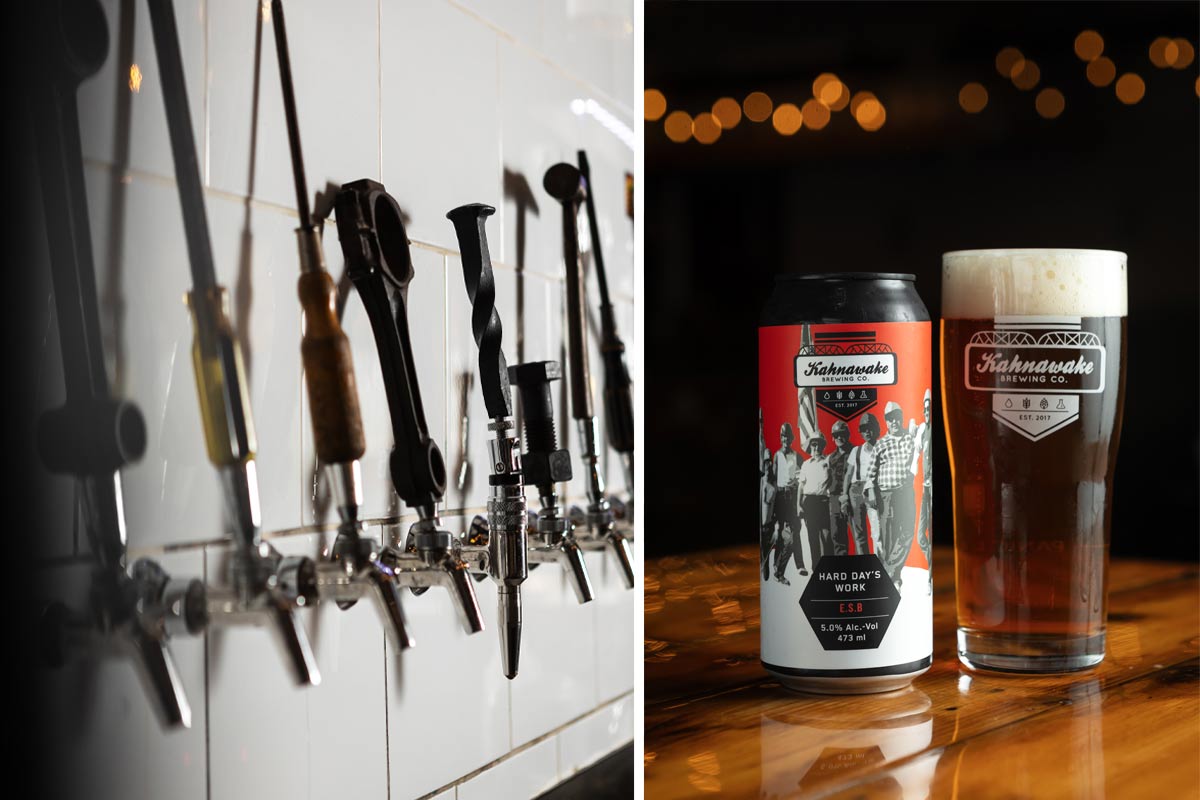
On the South Shore of Montreal, the Kahnawake Brewing Company & Black Bridge Taproom stands as Canada’s first openly Indigenous-owned craft brewery located on Indigenous land. Co-owner Fred Leblanc, a former ironworker, draws on the storied history of the Mohawk people, specifically the "Black Bridge" (the Saint-Laurent Railway Bridge) built in 1900. By blending traditional Mohawk labor history with modern brewing, Kahnawake Brewing has garnered national acclaim, winning multiple medals at the 2024 and 2025 Canada Beer Cups. Leblanc’s vision is one of inclusivity—a "Native brewery for everyone"—that leverages economic success to foster community pride.
Reclaiming the Narrative: Ingredients as Cultural Expression
For many Indigenous brewers, the "Indigeneity" of a beer is defined not just by the owner’s heritage, but by the relationship to the land and the ingredients used. This "salve" of reclamation is seen in the choice of botanicals and brewing styles.
- Red Tape Brewery (Toronto): Inuit brewer Sarabeth Holden incorporates ingredients tied to her northern heritage, such as orange pekoe tea (reminiscent of hunting trips) and the Paunnat (dwarf fireweed) Saison.
- Nonsuch Brewing Co. (Winnipeg): Matthew Sabourin utilizes the "Beer Bannock" experience to educate consumers on Indigenous history, using the brewery as a classroom for cultural exchange.
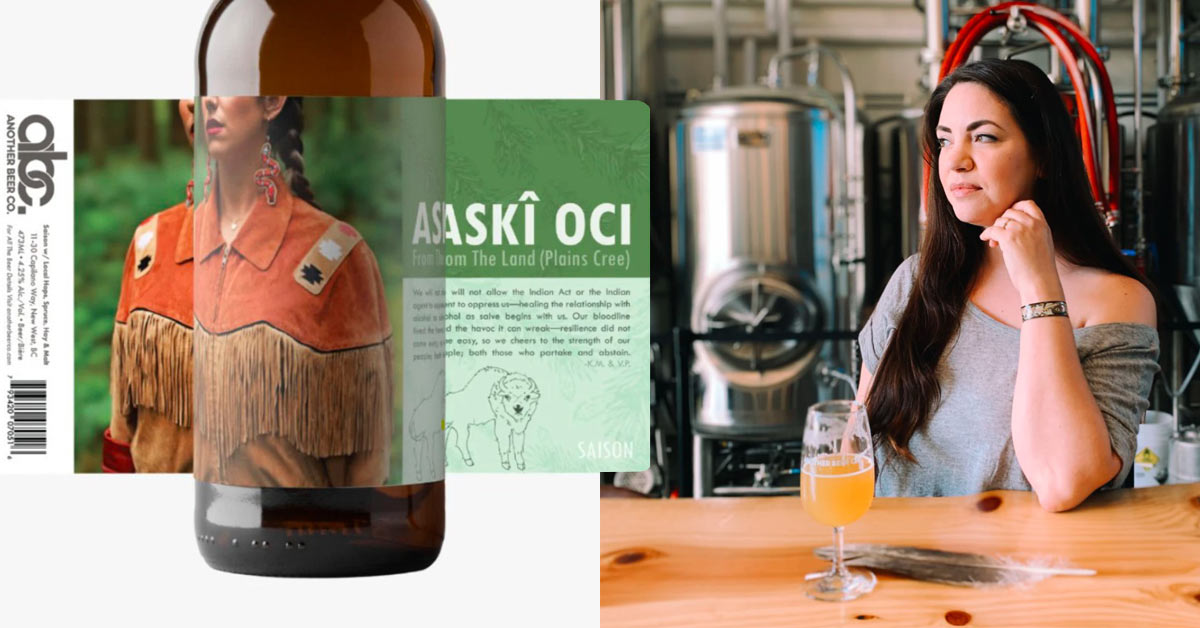
- Another Beer Co. (New Westminster): Before its closure, founder Nadine Jopson developed the Askî Oci saison, brewed with alfalfa and spruce tips. The label explicitly addressed the Indian Act, stating that "healing the relationship with alcohol as salve begins with us."
Industry Responses and the Path to Reconciliation
The craft beer industry, traditionally dominated by white, male entrepreneurs, is facing increasing pressure to diversify. However, Indigenous leaders argue that inclusion must go beyond tokenism.

The Role of Financial Infrastructure
The growth of these businesses is supported by an emerging network of Indigenous-oriented financial institutions. The Manitoba Métis Federation and Farm Credit Canada have been instrumental in providing the capital necessary for Indigenous entrepreneurs to overcome the systemic barriers to entry in the capital-intensive brewing industry.
Official Perspectives on Sovereignty
Darnell Stager of Indigenous Tourism BC argues that the antagonism faced by Indigenous brewers is a vestige of "economic gatekeeping." He points to the language on Indian status cards—which traditionally labeled holders as "wards of the state"—as evidence of why self-determination in all industries, including alcohol, is vital for true sovereignty.
Niigaan Sinclair, an Anishinaabe professor, offers a nuanced philosophical perspective. He suggests that because beer is derived from natural elements, Indigenous people must "figure out a relationship with it." This perspective does not necessarily encourage consumption but emphasizes the responsibility that comes with sovereignty: the duty to avoid causing harm to others while maintaining the right to participate in the global economy.
Implications for the Canadian Craft Beer Sector
The dissolution of the Indigenous Brew Crew in 2021 serves as a permanent reminder that the path to inclusion is not linear. For the broader Canadian craft beer industry, the implications are clear: true reconciliation requires more than "land acknowledgments" on beer labels.
1. Supply Chain Visibility: Industry leaders like Jason Tremblay of Two Loons Brewing emphasize the need for Indigenous representation throughout the supply chain, from malting facilities to hop farms.
2. Relationship-Based Business: Inez Cook, co-founder of Salmon n’ Bannock, suggests that breweries must move beyond transactional relationships and engage directly with local Tribal Nations. "Indigenous people do business with people, not with businesses," Cook notes, suggesting that a personal apology for past exclusions is often the first step toward a productive partnership.
3. Ethical Land Use: As the industry grapples with climate change and rising costs, the Indigenous focus on "respecting the land" offers a sustainable model for farm-to-glass brewing that prioritizes ecological health over rapid expansion.
The emergence of Indigenous voices in craft beer is not merely a trend in beverage marketing; it is a significant development in the ongoing struggle for Indigenous economic sovereignty. While the "silence" that followed the 2021 controversy suggested a retreat, the continued success of breweries like Kahnawake, Red Tape, and Locality proves that Indigenous people are not just part of the industry—they are fundamentally reshaping its values. By confronting the "dark history" of alcohol and replacing it with a model based on community, kindness, and land stewardship, these brewers are crafting a new legacy that honors the past while securing a prosperous, self-determined future.