admin
In the far west of West Virginia, nestled near the Ohio border, Marvin and Robin Miller operate a vital food pantry from the basement of the Sandyville United Methodist Church. Atop a serene hill, a simple cross adorns the roof of the modest brick building, overlooking vast stretches of farmland that, paradoxically, largely lie fallow. This quiet landscape belies a profound struggle unfolding within its communities: a mounting battle against food insecurity, exacerbated by rising costs, fluctuating federal support, and a palpable disconnect between Washington D.C.’s policy debates and the daily realities of rural life.
The Millers, lifelong residents of Sandyville, have witnessed firsthand the evolving needs of their neighbors since establishing the pantry in 1993. What began as a local effort to support a handful of families has transformed into a critical lifeline for an ever-increasing number of residents. Their experience mirrors a broader narrative across West Virginia, a state grappling with some of the nation’s highest rates of poverty and chronic disease, where access to nutritious food is not a luxury but a persistent challenge.
The Echoes of Shutdowns and Policy Shifts
The vulnerability of this essential community service was starkly exposed during the government’s longest shutdown in history last fall. The resulting delay in Supplemental Nutrition Assistance Program (SNAP) benefits, a first-time occurrence, sent shockwaves through vulnerable households. For the Sandyville pantry, the consequences were immediate and dramatic: the number of families seeking assistance doubled overnight. "I’m a pretty moderate, down-the-middle guy," Marvin Miller expressed, his frustration evident, "but the fact that we have to call our politicians’ attention to a crisis that [they] have helped manufacture, I have an issue with that." While the pantry can typically serve around 45 families, this sudden surge stretched its limited resources, prompting Marvin to appeal to local lawmakers who responded with a modest but crucial $1,000 allocation.
This incident was not isolated. It occurred against a backdrop of ongoing federal policy adjustments that have significantly impacted food systems and assistance programs. The previous year had already seen SNAP benefits become more challenging and inconsistent for many West Virginians. Eligibility requirements have tightened, and the administrative hurdles to access aid have grown, often leaving those most in need struggling to navigate a complex system. These changes, often framed by proponents as measures to encourage self-sufficiency or fiscal responsibility, have had tangible, often detrimental, effects on families striving to make ends meet.
Beyond direct food assistance, federal programs supporting local food supply chains have also faced cutbacks. Tim Cooper, a farmer an hour west in Points, West Virginia, recounts the devastating impact when the U.S. Department of Agriculture (USDA) canceled funding for a popular program that had enabled small farms to supply fresh produce to food banks. "They cut all those programs, and we had a half-a-million dollar crop and nowhere to go with it, and then the government shut down," Cooper lamented, highlighting the compounded difficulties faced by local producers. "They told everybody to go to food banks, but they took the funding from them, so that was extremely difficult." This particular program, the Local Food Purchase Assistance (LFPA) cooperative agreement, was established to strengthen local and regional food systems, especially in the wake of the pandemic, by enabling state and tribal governments to purchase food from local and underserved producers for distribution to food-insecure communities. Its cancellation was perceived by many as a step backward, severing a critical link between local agriculture and community nutrition.
West Virginia’s Food Insecurity Crisis: A Statistical Overview
West Virginia consistently ranks among the states with the highest rates of food insecurity. According to recent data, approximately 14% of West Virginians experience food insecurity, notably higher than the national average of around 10-11%. For children, this figure can climb even higher, impacting their development, educational outcomes, and long-term health. The state’s rural landscape, characterized by isolated communities, limited public transportation, and fewer economic opportunities, exacerbates these challenges. Many residents live in designated food deserts, areas with limited access to affordable and nutritious food, particularly fresh produce.
Compounding this, West Virginia also struggles with high rates of chronic diseases such as diabetes, heart disease, and obesity, often linked to diets lacking in fresh, healthy options. The average household income in West Virginia lags behind the national average, making rising food prices a particularly heavy burden. When the cost of staple groceries increases, families on fixed or low incomes are forced to make difficult choices between food, housing, healthcare, and other necessities. The price of food has indeed surged across the country, with the consumer price index for food rising by significant percentages over the past two years, making the meager SNAP benefits even less adequate.
Federal Policies, Local Realities: A Deep Dive into SNAP and USDA Cuts
The Supplemental Nutrition Assistance Program (SNAP), formerly known as food stamps, is the nation’s largest anti-hunger program, providing crucial support to millions of low-income individuals and families. However, changes to SNAP at the federal level have created significant hurdles. Work requirements, for instance, have been a recurring point of contention. While designed to encourage employment, these requirements often fail to account for real-world barriers such as lack of affordable childcare, limited transportation in rural areas, health issues, or a scarcity of suitable jobs. Aly Nazarok, a housing counselor with Telamon Corporation in Martinsburg, West Virginia, works with low-income veterans and has witnessed these challenges firsthand. She helps her clients budget as food prices rise and their SNAP benefits are reduced, often due to stricter work requirements. "For those who have not lost their benefits, however, the biggest challenge is finding a way to transition off of SNAP while still affording groceries, housing, and healthcare, even when working a decent job," Nazarok explains, highlighting the precarious balance many families must maintain.
The government shutdown, specifically, caused a delay in the issuance of February SNAP benefits to January, creating confusion and forcing many to stretch a single month’s benefits across two months. This disruption left many food pantries, already strained, struggling to meet the sudden surge in demand. "We still haven’t fully recovered from that," Nazarok noted, months after the shutdown ended.
The USDA’s decision to cut funding for local food programs, such as parts of the LFPA, further strained the system. These programs were instrumental in connecting local farmers with food banks and other distribution networks, ensuring fresh, regionally sourced food reached those in need while simultaneously supporting small agricultural businesses. "When they cut all that funding for LFPA, I heard that the programs weren’t necessary and they were pre-pandemic programs," farmer Tim Cooper recalled. "But hunger didn’t start with COVID, and it surely didn’t fix it. We’re here to feed people, and that’s just where I stand on it. I don’t think it should be a political issue. I think it should be the most bipartisan subject across the board." His words underscore a sentiment prevalent among those on the ground: basic human needs, like food, should transcend political partisanship.
The "Make America Healthy Again" Agenda vs. Basic Access
West Virginia officials were early adopters of certain "Make America Healthy Again" (MAHA) ideas and policies, which often focused on promoting healthier eating habits through measures like advocating for the removal of artificial food dyes from processed foods or implementing bans on soda purchases with SNAP benefits. While the intent behind promoting healthier eating is laudable, these initiatives often fall short in addressing the fundamental issue of access. In many southern parts of the state, residents face more pressing concerns, such as the lack of safe drinking water, an issue that dwarfs the concern over food dyes for many.
Furthermore, while soda bans in SNAP might encourage some healthier choices, the reality of the retail landscape in rural West Virginia severely limits options. In numerous towns, the only accessible grocery store is a Dollar General or Family Dollar. These discount retailers, while providing essential goods, typically stock very little, if any, fresh produce, lean meats, or other nutritious staples. Upcoming changes to SNAP rules for retailers could further complicate this, potentially making it so these stores no longer qualify to accept SNAP benefits at all if they don’t meet new stocking requirements for healthy foods. While this aims to improve access to nutritious options, it risks creating even larger food deserts if alternative retailers are not readily available.
Challenges on the Farm: Rising Costs and Lost Support
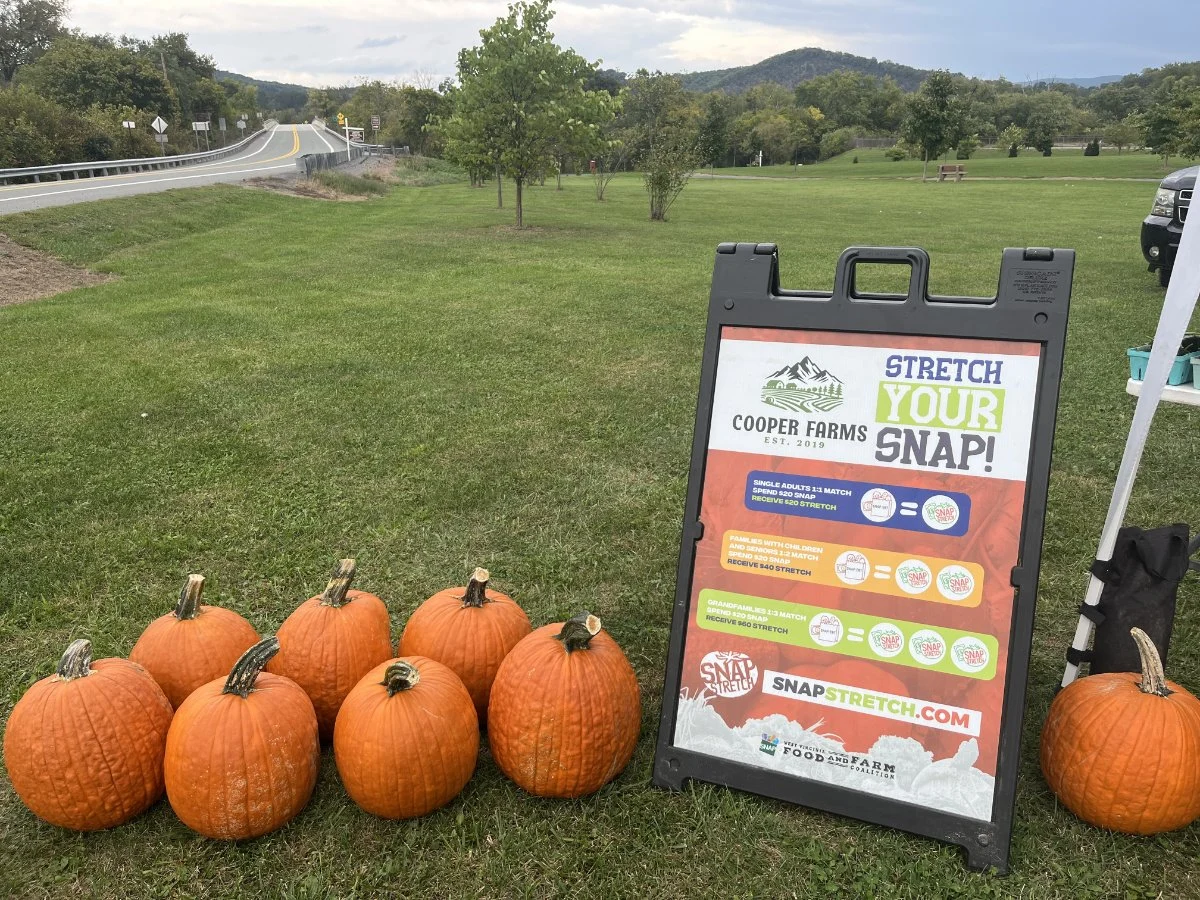
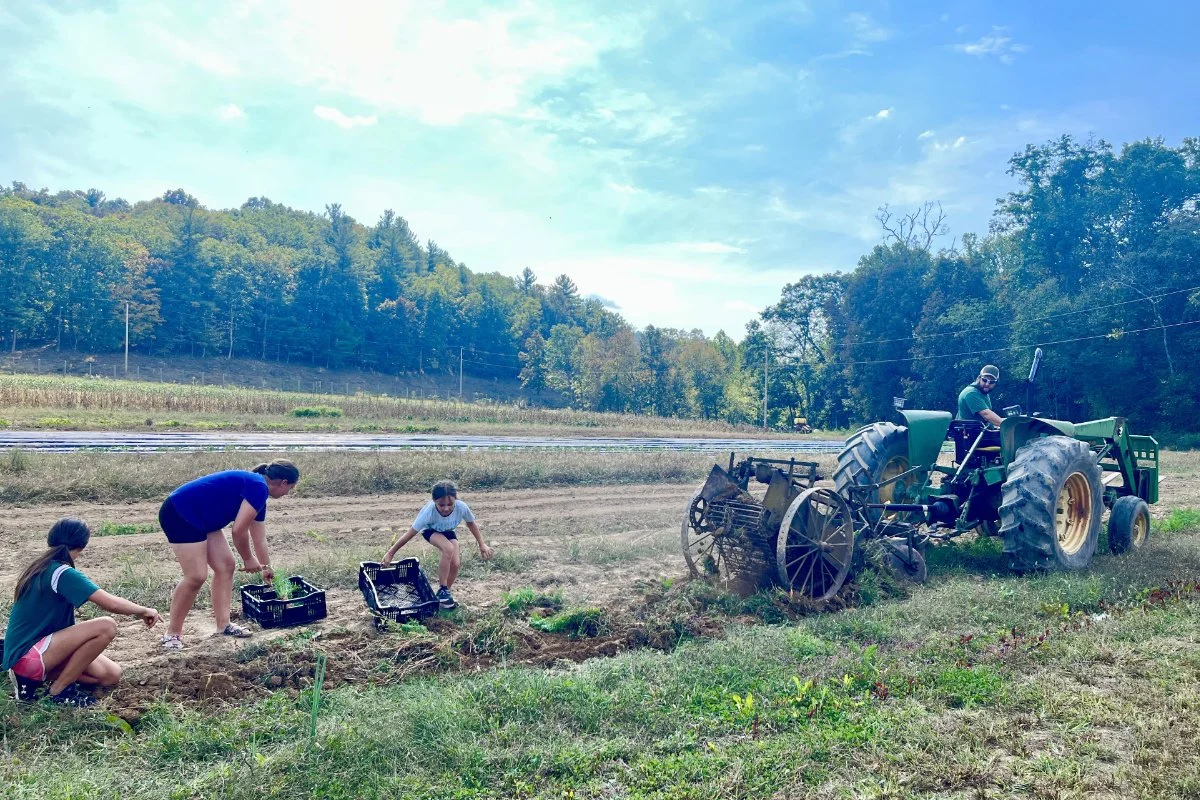
Farmers like Tim and Rebecca Cooper at Cooper Farms face a double bind. They are dedicated to feeding their neighbors, often donating produce to local pantries, while simultaneously navigating their own economic crises. The cost of agricultural inputs—diesel for machinery, fertilizers, seeds—has skyrocketed over the past two years, squeezing already thin profit margins. Global events, supply chain disruptions, and inflationary pressures have all contributed to these rising costs, making farming an increasingly precarious profession.
The cuts to USDA local food programs further compounded their difficulties. These programs provided a stable market for small and mid-sized farms, reducing waste and ensuring that locally grown food reached communities. Without this support, many farms struggled to find alternative outlets for their harvests. The implication is clear: when federal support for local agriculture wanes, it not only impacts farmers’ livelihoods but also diminishes the availability of fresh, local food for everyone, including those relying on food assistance.
Community Resilience: Turning Inward for Solutions
Despite these systemic challenges, a powerful current of community resilience runs through West Virginia. When federal and state mechanisms falter, residents increasingly turn to each other for solutions. This ethos of self-reliance and mutual aid forms the bedrock of many local initiatives. Nathan Bergdoll, a planning coordinator for the state Department of Agriculture, embodies this shift. Recognizing the limitations of relying solely on distant federal leadership, Bergdoll is actively working to connect farms in West Virginia’s eastern panhandle with local businesses and communities that need fresh foods. "We stick to our own and we help each other and we build circles around us with markets," Bergdoll articulated, describing a strategy focused on local networks and partnerships.
One tangible outcome of this approach is the new Magnolia Market, which operates every Friday, 20 miles north of Cooper Farms in Paw Paw. This market was spearheaded by Community Markets Inc. (CMI), a non-profit organization dedicated to linking rural West Virginia families with locally grown foods. Mark Peiffer, the operations manager at Community Markets, echoes the sentiment of local empowerment: "There’s a place for state and federal government, but I think it’s the communities that decide we’re going to take care of each other. We’re going to feed each other." These grassroots efforts, born out of necessity and a deep sense of community, are filling critical gaps in the food system that federal policies have left unaddressed.
Implications for Rural Voters and the Path Forward
The Civil Eats reporting project, undertaken in West Virginia in September, aimed to understand the impact of changing food policies on rural communities ahead of midterm elections. What emerged from conversations with farmers, veterans, retirees, social workers, and pastors was a consistent theme: a profound sense of disconnection from food policy discussions in Washington, D.C. Residents rarely wanted to engage in partisan debates or discuss individual elected officials. Instead, they highlighted three overarching issues: persistent challenges in accessing healthy food and clean water, the struggles faced by small farms, and a growing tendency for communities to seek solutions internally.
This disengagement from partisan politics, coupled with a focus on immediate, tangible problems, carries significant implications for future elections. While national headlines may move on from government shutdowns and specific policy debates, the ripple effects continue to be felt deeply in communities like Sandyville. Rural voters are not necessarily swayed by abstract political rhetoric but by the direct impact of policies on their ability to feed their families, sustain their farms, and access basic necessities.
The ongoing crisis in West Virginia’s food system underscores a fundamental truth: effective food policy must be rooted in an understanding of local realities. While federal programs offer crucial support, their design and implementation must be flexible enough to address the unique challenges of diverse communities. Moreover, sustainable solutions will likely involve a collaborative approach, empowering local initiatives and fostering partnerships between state agencies, community organizations, and local producers. As communities across West Virginia continue to navigate a complex and often uncertain food landscape, their resilience and innovative spirit offer a powerful testament to the enduring commitment to ensure that no neighbor goes hungry, even if it means building their own safety net, one market and one pantry at a time. The bipartisan imperative, as Marvin Miller and Tim Cooper suggest, is not just about political agreement, but about recognizing and prioritizing the shared human need for nourishment and dignity.