admin
Grand Junction, Colorado, situated at the confluence of the Colorado and Gunnison Rivers, is currently undergoing a significant cultural and economic transformation, positioning itself as a premier destination for both outdoor recreation and craft viticulture. While traditional Colorado tourism has historically centered on the Front Range—encompassing Denver, Boulder, and Fort Collins—or the high-alpine ski resorts of the Rockies, the Western Slope is increasingly recognized for its unique geological features and a rapidly maturing craft beer industry. This evolution is characterized by a strategic integration of the city’s natural assets, such as the Colorado National Monument and the Grand Mesa, with a sophisticated hospitality sector that caters to a demographic of "adventure tourists."
The Geological Foundation of Western Slope Tourism
The appeal of Grand Junction is rooted in its diverse and often superlative natural geography. The Colorado National Monument, a 32-square-mile expanse of red rock canyons, sandstone pillars, and sheer monoliths, serves as the region’s primary aesthetic draw. Despite its visual parity with more famous landmarks like the Grand Canyon or Zion National Park, the Monument remains remarkably underutilized by the broader domestic tourist market. According to National Park Service data, the Colorado National Monument typically sees a fraction of the annual visitation of its neighbors in Utah or Arizona, offering a "crowd-free" experience that has become a central selling point for the local tourism board.
Beyond the canyons, Grand Junction is flanked by the Grand Mesa, which holds the distinction of being the largest flat-top mountain in the world. Covering approximately 500 square miles and rising to over 11,000 feet, the Mesa provides a distinct ecological contrast to the arid valley floor, featuring over 300 alpine lakes and significant snowfall for winter recreation. Furthermore, the region houses the Rattlesnake Arches within the Black Ridge Canyons Wilderness, which contains one of the highest concentrations of natural arches in the world outside of Arches National Park. This trifecta of geological variety—canyon, mesa, and desert arches—forms the physical infrastructure upon which the local craft beer scene has been built.
A Chronology of the Grand Junction Brewing Industry
The development of the craft beer scene in Grand Junction can be viewed through two distinct eras: the foundational period of the 1990s and the modern expansion of the 2020s.
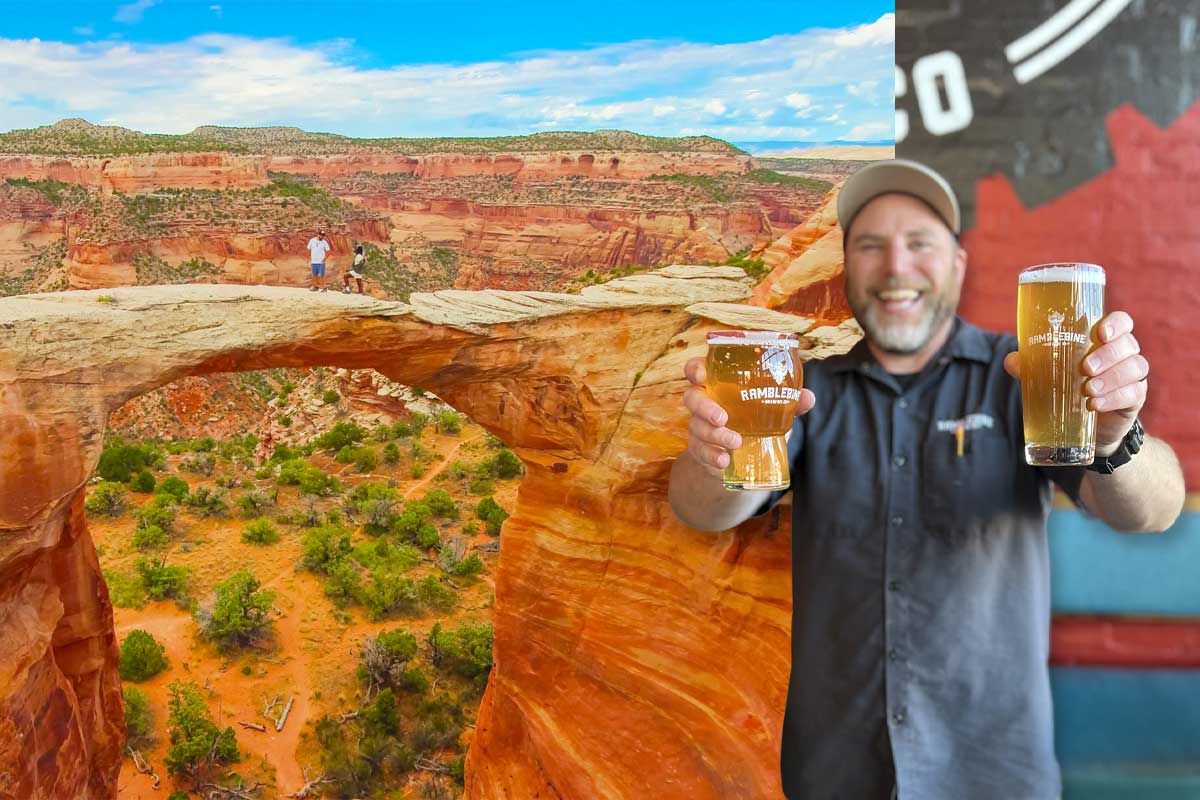
The industry’s local origins date back to 1994 with the establishment of The Rockslide Brew Pub. As the "original" craft brewery in the city, Rockslide introduced the brewpub model to the Western Slope, focusing on traditional English and German styles. For nearly two decades, the market remained relatively stable and limited in scope. However, the last five to seven years have seen an unprecedented surge in new licenses and specialized taprooms.
The modern era was catalyzed by a shift in consumer behavior and urban planning. The city began investing in the Riverside District and Las Colonias Park, creating a "business-friendly" environment for entrepreneurs. Ramblebine Brewing, which opened in 2020, represents the vanguard of this new wave. Despite the challenges posed by the global pandemic, the brewery successfully launched by focusing on stylistic diversity and community engagement. This was followed by specialized concepts like Trail Life Brewing and WestCo Brewing, the latter of which opened in the burgeoning Las Colonias area, further cementing the link between municipal redevelopment and the craft beverage industry.
Profiles in Artisanal Innovation
The current marketplace in Grand Junction is defined by breweries that have moved beyond standard "house ales" to embrace experimental fermentation and hyper-local themes.
Ramblebine Brewing
Located in a historic building that reflects the city’s industrial past, Ramblebine Brewing has gained notoriety for its technical proficiency across a wide range of styles. Founders Eli Gerson and Rob James have moved away from the "IPA-only" model that dominates much of the American craft scene. Their flagship, "God Hammer," utilizes Kveik—a Norwegian farmhouse yeast known for its high-temperature fermentation and unique ester profile—to create a red ale that bridges the gap between traditional malty profiles and modern fermentation science. Their portfolio also includes barrel-aged stouts and tart fruit sours, catering to a sophisticated palate.
Trail Life Brewing and the "Adventure-Retail" Model
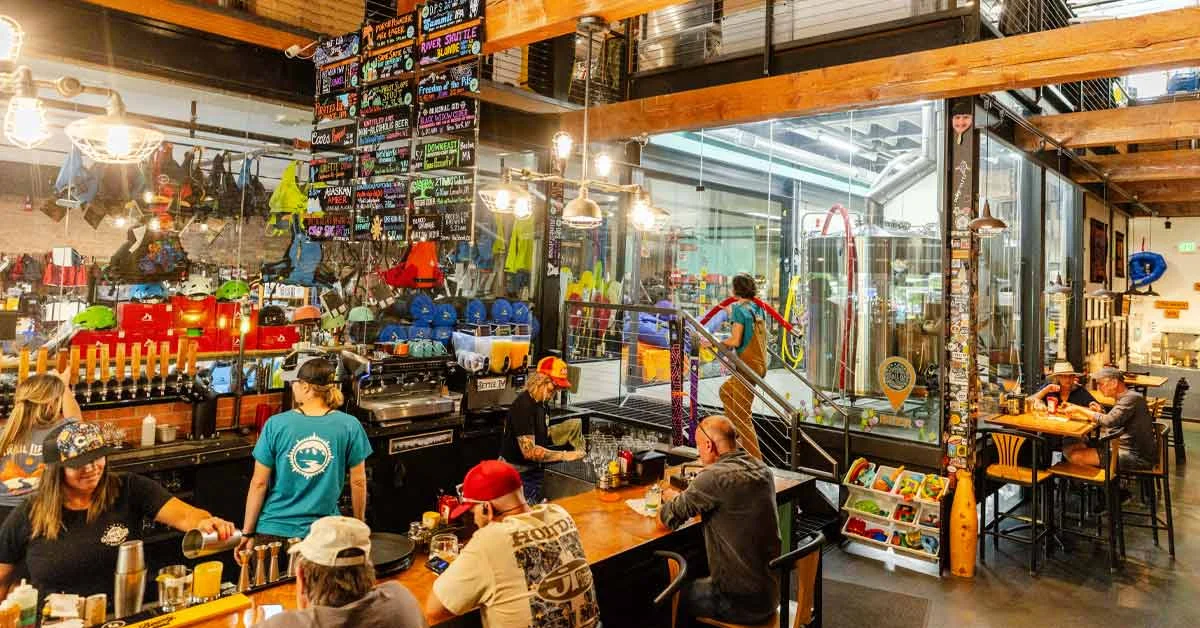
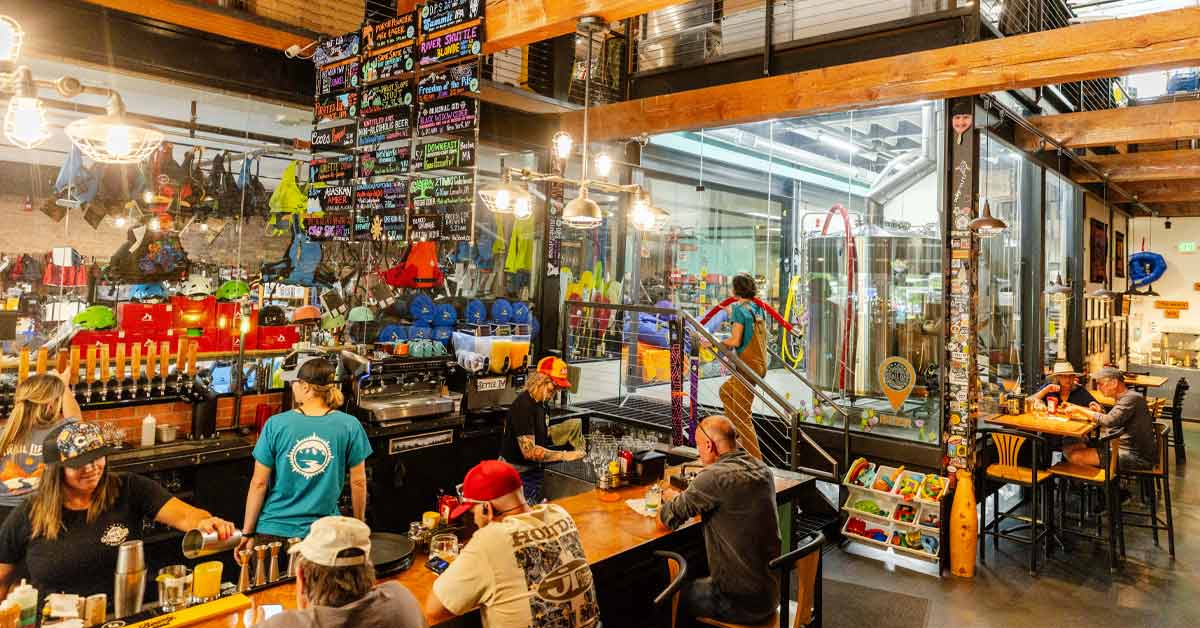
Perhaps the most emblematic of Grand Junction’s identity is Trail Life Brewing. The facility is physically attached to a mountain bike shop, a deliberate business strategy that acknowledges the symbiotic relationship between outdoor sports and craft beer. In this "adventure-retail" model, the taproom serves as a post-excursion hub for hikers and cyclists. The beer menu, featuring Mexican-style lagers and Black IPAs, is designed to be refreshing yet complex, reflecting the "work hard, play hard" ethos of the local population.
WestCo Brewing and Culinary Integration
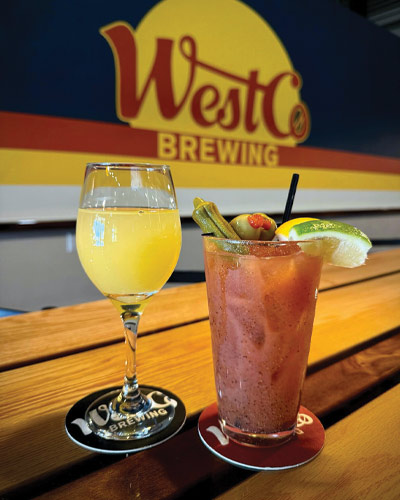
WestCo Brewing, the latest addition to the local landscape, highlights the increasing importance of culinary programs within the brewing industry. Founded by industry veterans Adam Kinsey and Danny Wilson, WestCo is situated adjacent to the Amphitheater at Las Colonias Park. Unlike traditional taprooms that rely on external food trucks, WestCo features a sophisticated kitchen offering a fusion of international and local flavors, including Japanese chicken curry poutine and Colorado elk sloppy joes. This focus on "destination dining" suggests that the local beer scene is maturing into a broader gastronomic movement.
Supporting Data and Economic Impact
The growth of brewing in Grand Junction mirrors a statewide trend in Colorado, which consistently ranks in the top five states for breweries per capita. According to the Brewers Association, the craft brewing industry contributes over $1 billion annually to the Colorado economy. In Grand Junction specifically, the beer scene acts as a critical secondary attraction for the tourism industry.
Data from Visit Grand Junction suggests that "culinary and beverage experiences" are among the top three motivators for travelers visiting the region. By providing a high-quality "après-adventure" environment, the breweries increase the average "length of stay" for visitors, which in turn boosts local tax revenue and supports job creation in the hospitality sector. The transition of Grand Junction from a pass-through city on Interstate 70 to a destination in its own right is largely attributed to this diversification of the local economy.
Industry Perspectives and Market Analysis
Adam Kinsey, a prominent figure in the local scene and owner of Handlebar Tap House and WestCo Brewing, observes that the "underrated" status of the city is its greatest asset. Kinsey notes that the lack of overcrowding—typical of Denver or the Grand Canyon—allows for a more authentic connection between the brewer and the consumer. This sentiment is echoed by local residents who view the breweries as "community gathering places" rather than mere commercial outlets.
Market analysts suggest that Grand Junction is currently in a "Goldilocks" phase of development: it possesses the infrastructure and quality of a major beer hub but has not yet reached the point of market saturation or "tourist fatigue." The integration of the breweries with the city’s outdoor identity creates a "lifestyle brand" for the region that is difficult for other cities to replicate without similar geological assets.
Broader Implications and Future Outlook
The rise of the Grand Junction beer scene has broader implications for the Western Slope and the state of Colorado. It represents a successful model of how mid-sized cities can leverage natural beauty to build a sustainable, high-value tourism economy. As more "beer-driven tourists" seek alternatives to the crowded taprooms of the Front Range, Grand Junction is positioned to capture a significant share of the market.
However, this growth also brings challenges. The industry must navigate issues of water conservation—a critical topic in the Colorado River Basin—and the sustainability of rapid expansion. The breweries that succeed in the long term will likely be those that continue to innovate stylistically while maintaining deep roots in the local community and environment.
In conclusion, Grand Junction has successfully transitioned from a quiet river town into a vibrant center for craft brewing and outdoor exploration. The synergy between its world-class geological features—the Colorado National Monument, the Grand Mesa, and Rattlesnake Arches—and its burgeoning artisanal beer scene has created a unique destination. For the craft beer enthusiast and the outdoor adventurer alike, Grand Junction offers a rare combination of serenity, challenge, and high-quality craftsmanship, making it an essential fixture on the American travel map.