admin
admin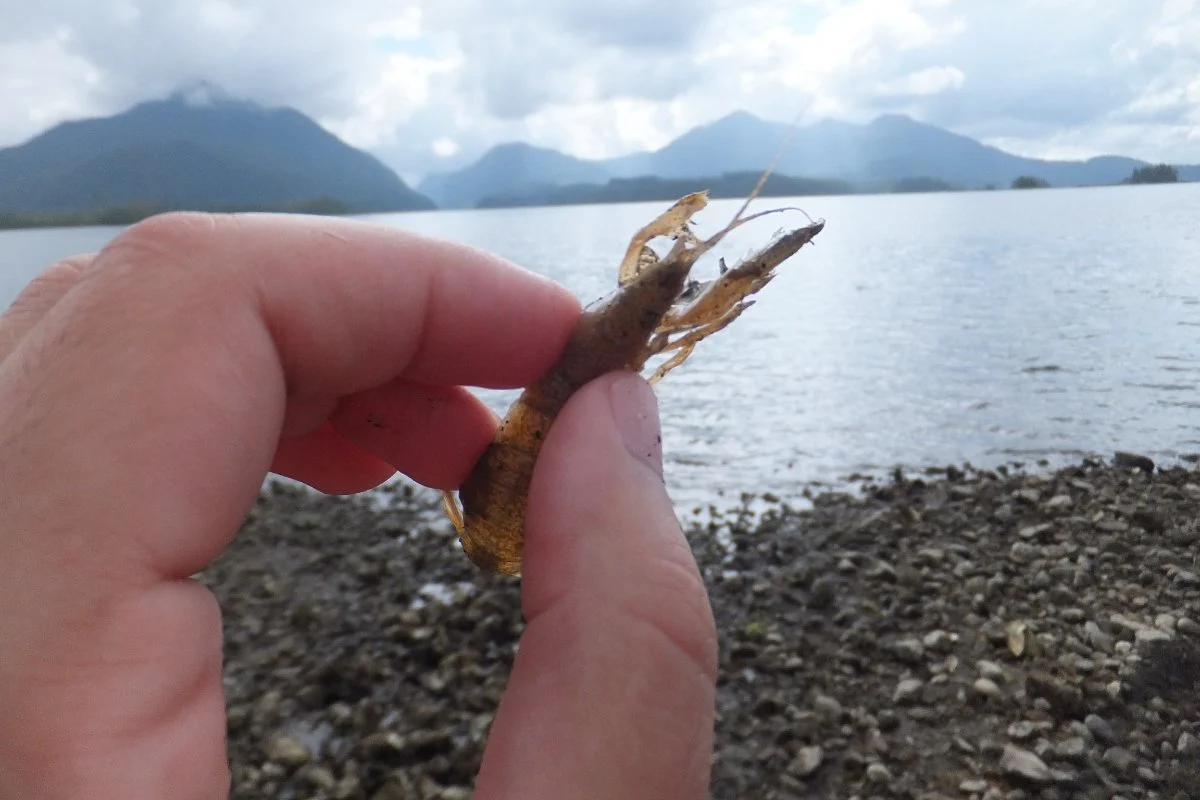
The venerable oyster farming industry of Willapa Bay, Washington, a region synonymous with bivalve aquaculture for generations, is facing an existential threat from an unlikely adversary: the burrowing ghost shrimp (Neotrypaea californiensis). This pervasive crustacean destabilizes the seabed, suffocating oyster beds and leading to devastating crop losses. In response to this decades-long struggle, which has seen traditional methods fail and chemical controls banned, researchers and farmers are now exploring a multi-pronged approach encompassing groundbreaking mechanical solutions, sophisticated tracking technologies, and a significant shift towards off-bottom cultivation methods. At the forefront of this scientific endeavor is Dr. Jennifer Ruesink, a University of Washington professor, and her husband, Alan Trimble, a former research scientist at the University of Washington, whose innovative vibrocompaction tool offers a promising, environmentally benign alternative.
The Persistent Challenge of Ghost Shrimp Infestation
For decades, ghost shrimp have plagued Willapa Bay’s oyster farmers. These small, pale crustaceans construct extensive burrow systems, tunneling through the sediment up to a meter deep. Their constant digging and expulsion of mud destabilize the substrate, making it impossible for oysters, particularly juvenile seed, to anchor and thrive. The result is often smothering or being washed away, leading to severe mortality rates for oyster crops. The economic impact on Willapa Bay, a region that has historically accounted for a significant portion of the nation’s oyster production, is substantial. This ecological disruption not only threatens the livelihoods of farming communities but also impacts the broader bay ecosystem, affecting other benthic organisms and the overall health of the tidal flats.
Historically, farmers attempted various methods to control ghost shrimp populations. These included deploying heavy machinery like tanks, Marsh Masters (amphibious vehicles), and snow rollers, driving them over the infested sand flats with the hope of crushing the shrimp. However, these efforts proved largely futile. The shrimp, insulated by a meter of wet sand and their resilient burrow structures, remained largely unfazed, demonstrating the inadequacy of surface-level compaction.
A more effective, albeit controversial, solution emerged in the form of carbaryl, a carbamate insecticide. For many years, carbaryl was applied to oyster beds, effectively reducing ghost shrimp populations and allowing oyster crops to flourish. However, carbaryl is a neurotoxin, and its use raised significant environmental concerns regarding its potential impact on non-target marine species and water quality. Following sustained pressure from environmental groups and growing scientific evidence of its ecological harm, the use of carbaryl in Willapa Bay was banned, leaving oyster farmers without a primary defense against the shrimp. This ban, while lauded by environmental advocates, created a critical void for the industry, intensifying the search for sustainable alternatives. As oyster farmer Wilson starkly puts it, "We are in an industry where we have an 89.6 percent mortality [rate for oysters], and on top of that, we have shrimp and now green crab." This alarming statistic underscores the dire need for effective, environmentally sound management strategies.
Vibrocompaction: A Novel Engineering Solution Emerges
The vacuum left by the carbaryl ban spurred a renewed push for innovative solutions. It was in this context that Alan Trimble, drawing upon his background in engineering and a deep understanding of material science, conceived of vibrocompaction. His inspiration came from the construction industry, specifically the principles used to consolidate wet concrete in building foundations. In concrete work, vibrating tools are used to remove air pockets and compact the mixture, creating a dense, strong structure. Trimble hypothesized that a similar approach could be applied to the soft, muddy sediments of Willapa Bay.
The core idea was to combine vibration with compaction. Instead of merely driving over the surface, the proposed method would involve vibrating the mud approximately a foot below the surface while simultaneously compacting it from above. The expectation was that this dual action would create a hard, impenetrable layer of consolidated mud, effectively trapping the ghost shrimp beneath it. The shrimp, unable to burrow through this solidified barrier to access oxygen and food, would subsequently perish within a few days.
Dr. Ruesink and Trimble put this hypothesis to the test in trials conducted on active oyster farms within Willapa Bay. The results were remarkably encouraging. Their research indicated that vibrocompaction performed on par with the previously used carbaryl in terms of ghost shrimp mortality. This proof of concept was a significant breakthrough, offering a non-chemical, mechanical solution that could potentially restore productivity to infested oyster beds. The trials demonstrated that the method created a durable barrier that the shrimp could not penetrate, validating their initial theory.
Scaling Up and Securing the Future
With proof of concept in hand, the next critical step for Dr. Ruesink is to secure the necessary funding to scale up the vibrocompaction technology. Her ambitious goal is to develop a machine capable of treating 100 to 200 acres per year, a scale she deems essential to maintain the economic viability of oyster farming in Willapa Bay. Such a machine is estimated to cost around $2 million and could potentially be deployed within two years, marking a relatively swift transition from research to practical application.
The scientific community and industry stakeholders are watching these developments with keen interest. Wiegardt, an industry representative, expressed significant optimism about the vibrocompaction tool, recognizing its potential to revolutionize ghost shrimp management. This optimism is bolstered by recent financial support: on September 30, Dr. Ruesink was awarded a substantial $300,000 grant from the U.S. Department of Agriculture (USDA). This crucial funding will enable her to continue vibrocompaction research across multiple sites in Willapa Bay through 2028. A key component of this extended research will be to rigorously assess whether vibrocompaction has any adverse effects on other commercially important species, particularly clams, which are also extensively farmed in Willapa Bay and can similarly be smothered by ghost shrimp activity. Ensuring the ecological safety of this new method is paramount for its widespread acceptance and long-term sustainability.
Adaptive Strategies: Tracking Shrimp Movements and Off-Bottom Cultivation
While vibrocompaction offers a direct solution to ghost shrimp infestations, oyster farmers and researchers are also exploring adaptive strategies that involve working around the shrimp or entirely circumventing their habitat. These strategies reflect a growing understanding of the shrimp’s natural dynamics, particularly since the cessation of pesticide use, which allowed for more natural observations.
One such strategy is avoidance. As Wilson suggests, farmers essentially have "two options: track the shrimp or get off the bottom somehow." The idea behind tracking is to exploit the shrimp’s migratory patterns. Ruesink notes that without pesticides, "We’ve documented that the borders of grounds where the shrimp live can retreat between 9 and 30 meters per year." This natural movement means that areas previously infested can become viable again. Farmers could "tactically put oysters on the receding side of their movements," planting in areas that shrimp have recently vacated, as Wilson explains. These areas are often described as "pretty good ground behind" once the shrimp move on.
To facilitate this tracking, innovative methods are being employed. Katie Ruesink, Dr. Ruesink and Trimble’s daughter and an operator at Bay Center Farms, has been flying a camera-mounted drone over their plots since early 2026. These aerial photographs provide visual data, allowing her to precisely track the movements of the shrimp populations from above. However, this strategy is not without its uncertainties. Wilson raises critical questions: "What’s the interval between when they’re gone and when they come back?" Understanding these temporal dynamics is crucial for the long-term viability of an avoidance strategy.
Another significant adaptive strategy involves moving away from traditional ground culture entirely by utilizing the bay’s open water, essentially "getting off the bottom." This approach circumvents the ghost shrimp problem by removing oysters from their habitat. Several farms are already making this transition. Shoalwater Seafood, operated by the Shoalwater Bay Indian Tribe, began farming oysters in 2019 using this method. Instead of laying oyster seed directly on the tideflats, they invested in floating cages, specifically the FlipFarm system from a New Zealand-based company.
The FlipFarm system represents a modern approach to oyster aquaculture, primarily cultivating oysters for the lucrative half-shell market. This market is experiencing faster growth than the traditional market for oyster meat, which has historically been Willapa Bay’s staple product. The advantages of the FlipFarm system are multifaceted. An entry-level installment, costing approximately $30,000, can produce around 5,000 dozen oysters. This yield is roughly equivalent to what can be grown on one acre using traditional ground culture methods in Willapa Bay, but crucially, it achieves this in half the time. Half-shell oysters grown in floating cages typically reach market size in 12 to 18 months, significantly faster than the three to five years required for larger ground oysters. This accelerated growth cycle means faster turnover and potentially quicker returns on investment for farmers.
However, the transition to floating cage systems presents substantial financial hurdles for larger, established farms. A farm like Wilson’s, which spans hundreds of acres, would necessitate a significant capital investment to convert its operations from bottom culture to floating cages. Furthermore, Wilson points out that while the half-shell market offers faster turnaround, it is also "really competitive" and does not necessarily guarantee substantially higher prices for the product compared to traditional ground oysters. This economic reality means that for many established farmers, a full transition to off-bottom culture may not be a universally viable or desirable solution, especially given the existing infrastructure and expertise geared towards ground farming.
The Broader Context: Resilience in the Face of Multiple Threats
The ghost shrimp challenge is but one of many obstacles confronting Willapa Bay’s oyster farmers. The industry operates under immense pressure, contending with a complex array of ecological and economic factors. Wilson’s earlier statement about an 89.6 percent mortality rate for oysters speaks volumes about the constant battle against environmental stressors. Beyond ghost shrimp, farmers must also contend with other invasive species, including estuary weeds that can choke out oyster beds, predatory snails that feed on young oysters, and the increasingly prevalent green crab, another invasive species that poses a significant threat to shellfish populations.
This confluence of threats creates an environment of perpetual challenge, demanding extraordinary resilience from farmers. For many, like Wilson, this relentless struggle has become an accepted reality. "It’s been dire for so long," he says, "but I think we just have to come to accept it as being normal. That’s farming, right?" This sentiment reflects a deep-seated stoicism and an unwavering commitment to an industry deeply ingrained in the region’s cultural and economic fabric. Willapa Bay’s oyster industry supports numerous families and contributes significantly to the local economy, making the search for sustainable solutions not just a scientific endeavor but a vital community imperative.
Implications for the Future of Aquaculture
The ongoing developments in Willapa Bay hold significant implications not only for the local oyster industry but also for broader aquaculture practices globally. The shift away from chemical controls towards mechanical and adaptive biological solutions sets a precedent for environmentally responsible farming. Vibrocompaction, if scaled successfully, could offer a blueprint for managing burrowing pests in other shellfish growing regions without relying on harmful pesticides. The extensive research into its effects on non-target species like clams is crucial for establishing its ecological credentials.
Similarly, the adoption of off-bottom culture systems like FlipFarm highlights a growing trend towards diversifying farming methods to mitigate environmental risks and capitalize on evolving market demands. While requiring significant initial investment, these systems offer benefits such as faster growth cycles, improved product quality, and a reduced footprint on sensitive intertidal zones. The drone-based tracking of shrimp movements also exemplifies the integration of modern technology into traditional farming, providing data-driven insights for more tactical and sustainable management.
In conclusion, the fight against ghost shrimp in Willapa Bay encapsulates a broader narrative of resilience, innovation, and adaptation within the aquaculture sector. From the promising mechanical solution of vibrocompaction championed by Dr. Ruesink and Alan Trimble, supported by critical USDA funding, to the adaptive strategies of tracking shrimp migrations and the transformative potential of off-bottom farming, the industry is actively charting a course toward a more sustainable future. While significant challenges, including high mortality rates and the constant threat of multiple invasive species, persist, the collective efforts of scientists and farmers underscore a determined commitment to preserving Willapa Bay’s rich oyster farming heritage for generations to come. The blend of cutting-edge research and practical, on-the-ground adaptation offers a beacon of hope for an industry facing its most complex adversary yet.