admin
admin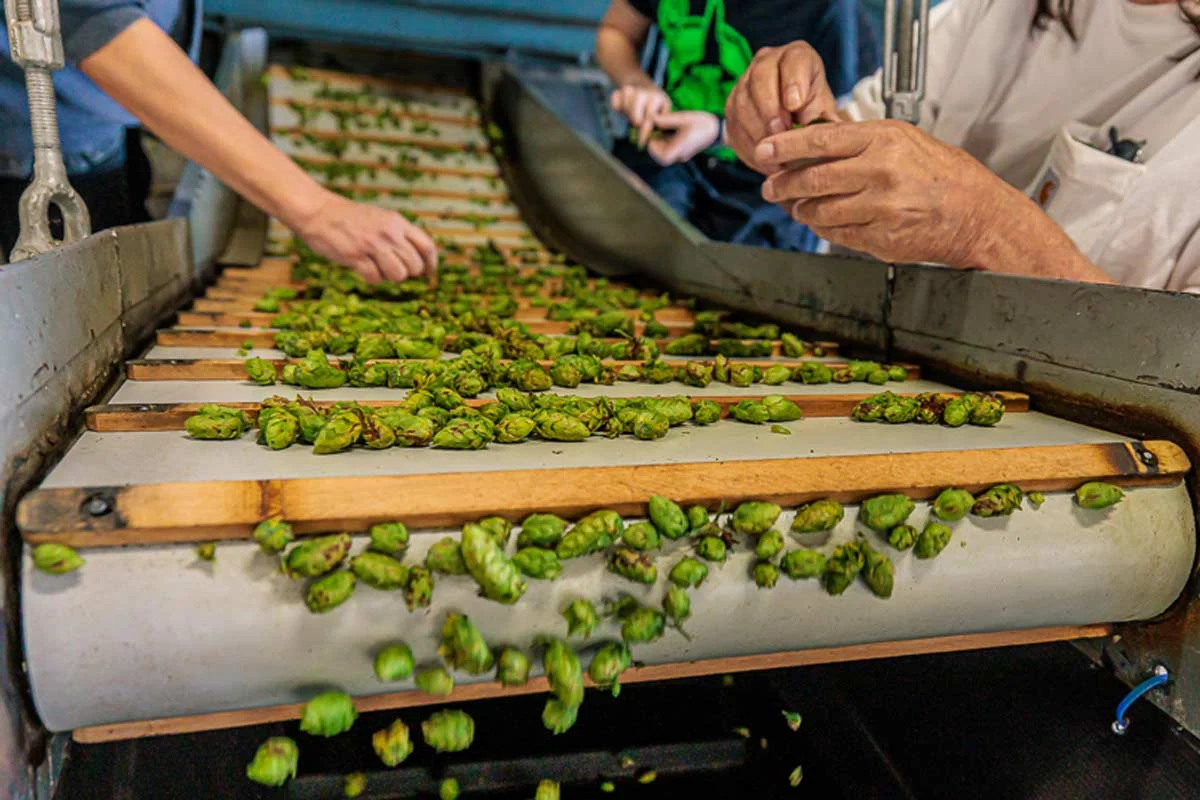
Michigan’s agricultural landscape has undergone a profound transformation over the last two decades, elevating the state to the rank of number one in the Great Lakes region and number four nationally for total hop acreage. While the imagery of hop farming is often dominated by large-scale mechanical harvesters and multi-generational patriarchal legacies, a closer examination of Michigan’s success reveals a robust network of women driving the industry’s technical and commercial viability. From greenhouse propagation and integrated pest management to land stewardship and industrial quality control, these professionals are navigating a complex market defined by climate volatility and shifting consumer preferences. Despite their pivotal roles, many of these women remain behind the scenes, providing the essential labor and expertise that allow the state’s brewing industry to flourish.
The Geographic and Botanical Foundation of Michigan Hops
The success of hops in Michigan is not a matter of chance but a result of specific geological and climatic conditions. Hops (Humulus lupulus) are notoriously temperamental perennials that require a precise balance of environmental factors to produce the essential oils and alpha acids desired by brewers. The 45th parallel, which bisects Northern Michigan, represents the "sweet spot" for hop production. This latitude provides the long, sun-drenched summer days necessary for rapid growth and the cold winter nights required for the plants to enter a necessary state of dormancy.
Botanically, hops are distinct from common climbing plants. While grapes grow on vines and utilize tendrils to secure themselves, hops grow on bines. Bines use stiff, downward-pointing hairs along their stems to wrap clockwise around support structures, typically twine made of coconut fiber (coir). In a single Michigan growing season, these bines can rise more than 20 feet. This vertical growth requires significant structural investment, including 18-to-20-foot trellises, which have become a hallmark of the Michigan countryside. The soil profile, a legacy of glacial movement thousands of years ago, provides the well-drained, nutrient-rich "dirt" that prevents the "wet feet" (root rot) to which hops are susceptible.
Institutional Support and Scientific Oversight: The Role of MSU
The modern resurgence of the Michigan hop industry is inextricably linked to Michigan State University (MSU). As the industry grew from a niche hobby to a commercial powerhouse around 2008, the need for research-backed agricultural practices became paramount. Erin Lizotte, MSU’s integrated pest management (IPM) coordinator and senior statewide educator, has emerged as a central figure in this scientific infrastructure.
Lizotte’s work involves navigating the intersection of crop health and environmental safety. For hop growers, the threats are constant: downy mildew, powdery mildew, and various mites can decimate a harvest in days. Lizotte provides the diagnostic bridge between the field and the lab, working with the MSU Plant and Pest Diagnostics lab to ensure farmers have access to critical testing. Her role has become even more vital as climate change introduces new variables, such as erratic rainfall and shifting insect migration patterns. By providing research-backed support for chemical approvals and organic alternatives, Lizotte’s expertise offers a level of risk mitigation that has allowed small, independent growers to remain competitive against larger operations in the Pacific Northwest.
Propagation and the Clean Plant Protocol
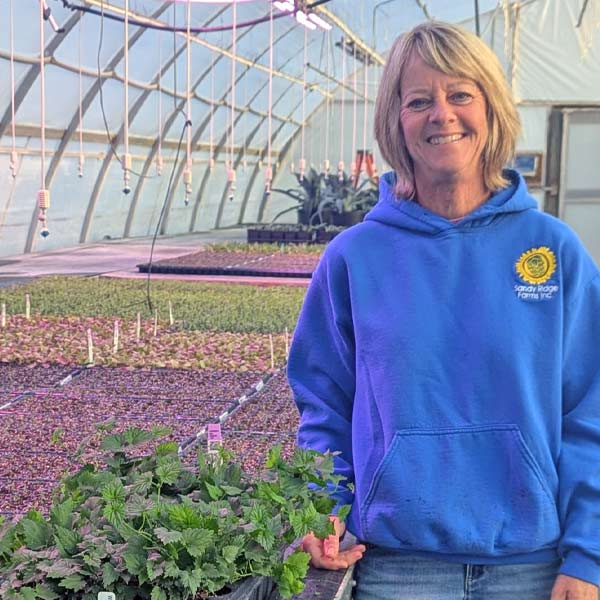
The lifecycle of a Michigan hop begins long before it reaches the trellis. Skilled propagators like Julie Kane of Sandy Ridge Farms in Zeeland, Michigan, are responsible for the "starter stock" of the entire industry. With over 20 years of experience in the greenhouse sector, Kane transitioned into hop specialization in 2008 when state interest in local brewing ingredients spiked.
Kane’s work is defined by the "Clean Plant" protocol. Starting with virus-free mother plants sourced from the National Clean Plant Network, she maintains a rigorous sanitation environment to prevent the spread of hop latent viroid and other pathogens. This involves strict tool sterilization, preventative fungicide applications, and annual testing. The importance of this work was highlighted during the 2024 growing season, characterized by a prolonged heatwave. Inside the greenhouses, temperatures frequently exceeded 100 degrees Fahrenheit, necessitating the use of extra shade cloths and increased irrigation cycles to maintain plant viability. Kane’s ability to produce resilient, disease-free plants is the primary safeguard for the state’s hop acreage.
Engineering Efficiency: The Industrialization of the Farm
The transition of hops from the field to the brewery requires a level of quality control often associated with manufacturing. Mel Trowbridge of Top Hops Farm in Goodrich, Michigan, applied her 40-year career as an automotive engineer to the agricultural sector. Her approach to farming is process-driven, focusing on structure, training, and operational debriefs.
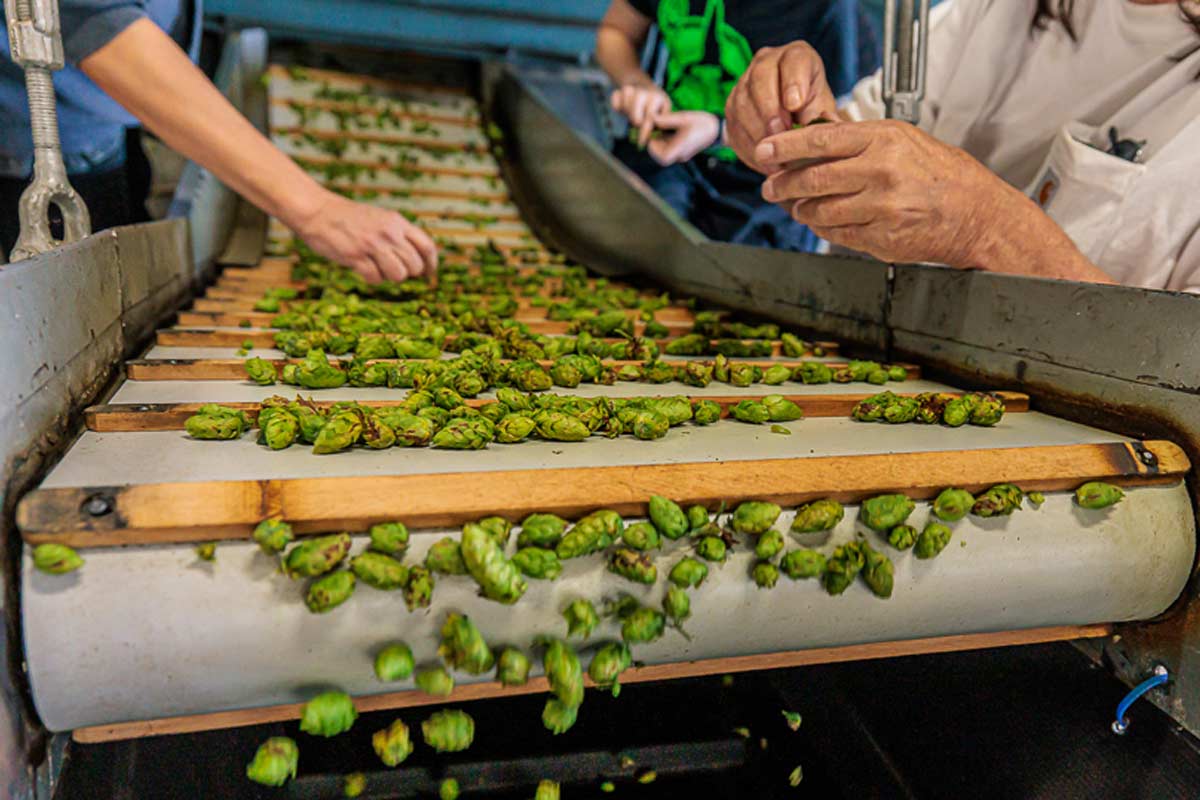
At Top Hops, Trowbridge oversees a system where tasks are rotated to prevent burnout and every shift concludes with a team analysis of what succeeded and what required improvement. During the harvest—a period Trowbridge describes as "wrestling a jungle"—her role is one of orchestration. She manages the logistics of timing, ensuring that the bines are harvested at peak lupulin maturity while maintaining a rigid schedule that prevents the hops from degrading before they reach the dryer. This application of industrial engineering to agriculture has raised the standard for Michigan-grown products, moving the industry toward a model of consistent, repeatable quality.
Stewardship and the Sensory Experience at Bell’s Brewery
At Bell’s Brewery in Comstock, one of the most recognized names in American craft beer, the connection between the land and the glass is managed by Bonnie Steinman and Elizabeth Mullins. Steinman, a veteran horticulturist, serves as the land steward, overseeing a two-and-a-half-acre hop yard that serves as both a production site and an educational tool.
Steinman’s approach emphasizes the sensory aspects of hop farming. Under the mentorship of former vice president of operations John Mallett, Steinman developed a daily practice of "rubbing and smelling" the cones to track their chemical evolution. This method allows growers to identify the precise moment when a variety like Chinook shifts from "grassy" to "fruity" or "resinous."
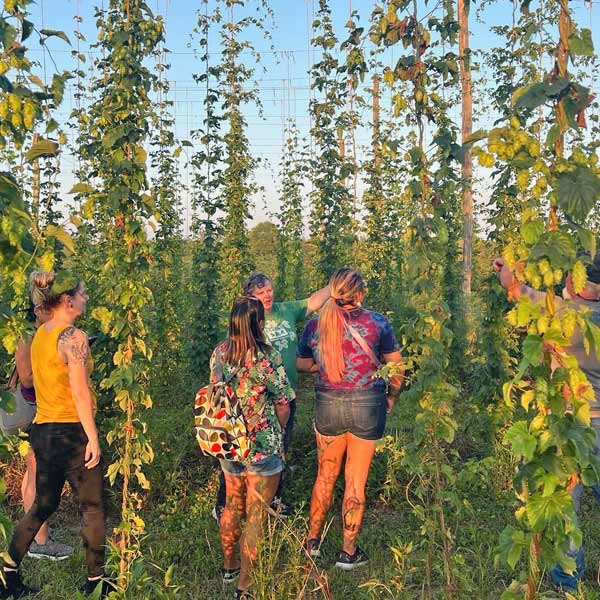
Mullins, who specializes in pest management and field operations, works alongside Steinman to monitor the health of five distinct varieties. Their work extends beyond production into sustainability, managing an ecosystem that includes an apple orchard, an employee garden, and a butterfly waystation. They also host members of the Pink Boots Society, an organization dedicated to supporting women and nonbinary professionals in the beverage industry, fostering a community that bridges the gap between agricultural production and the final pint.
The Chinook Cup and Michigan’s Varietal Identity
One of the most significant developments in the state’s industry is the push for a unique varietal identity. While the Pacific Northwest is known for high-alpha bittering hops, Michigan has carved out a niche with its specific expression of the Chinook variety. "Michigan Chinook" is noted for its distinct pineapple and citrus notes, which differ significantly from the more resinous, pine-forward Chinook grown in other regions.
Rose Stahl, co-owner of Mr. Wizard’s Hops in Monroe, has been a key advocate for this distinction. Stahl’s entry into the industry was born of necessity; after a massive flood ruined five acres of corn on her family farm, she pivoted to hops at the suggestion of her son, an employee at Short’s Brewing. Over the last decade, Stahl has helped organize the Chinook Cup, a competition hosted by the Hop Growers of Michigan. The event allows growers to submit their best harvests for blind sensory analysis by a panel of professional brewers. This competition has not only fostered a sense of camaraderie among growers but has also served as a marketing tool to convince national brewers that Michigan hops offer a unique terroir that cannot be replicated elsewhere.
Economic Challenges and the "Invisible" Labor Force
Despite the technical successes, the Michigan hop industry faces substantial headwinds. Market contraction in the craft beer sector, rising labor costs, and the increasing frequency of extreme weather events have led some farms to scale back operations. Furthermore, the role of women in this industry is often obscured by traditional social structures.
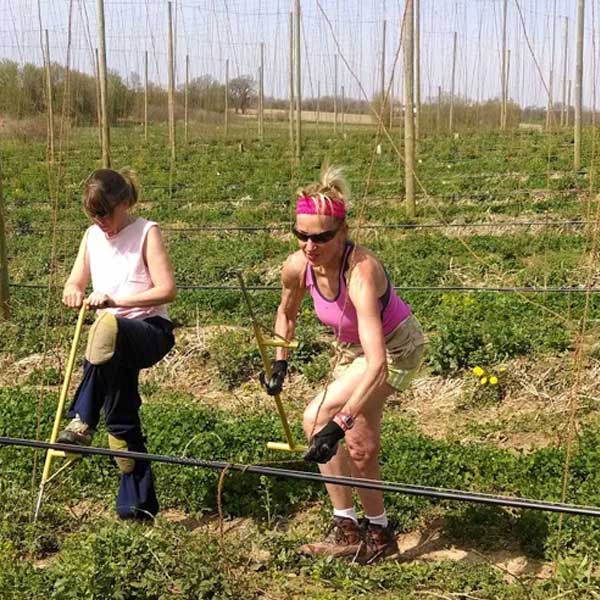
Amy Tennis of the Michigan Hop Alliance points out that on many family-owned farms, women handle the essential "back-office" and labor-intensive tasks—including grant writing, bookkeeping, irrigation management, and bine training—while men remain the public face of the business. This "invisible" labor is the backbone of the industry’s financial stability. The long-term viability of Michigan hops depends on recognizing this labor and ensuring that the next generation of farmers has the institutional support needed to navigate a volatile global market.
Future Outlook and Broader Implications
The story of Michigan’s hop industry is one of transition from a fledgling experimental crop to a sophisticated agricultural sector. Researchers like Nicole Shriner at MSU emphasize that Michigan is not trying to replicate the Pacific Northwest; rather, the goal is to establish a "Michigan identity" in brewing. This involves a focus on quality, sustainability, and the unique flavor profiles provided by the state’s soil and climate.
The women profiled in this industry—scientists, engineers, and stewards—represent a shift toward a more interdisciplinary and inclusive agricultural model. Their work ensures that when a consumer sees "Michigan Hops" on a label, it signifies a product that has been vetted by rigorous scientific standards and handled with industrial precision. As the industry moves forward, the integration of climate-resilient farming practices and the continued support of organizations like the Pink Boots Society and the Michigan Hop Alliance will be critical in maintaining the state’s position as a leader in the Great Lakes brewing economy. The bines may be strong and the harvest may be difficult, but the infrastructure built by these women ensures that Michigan’s hop story is only just beginning.