admin
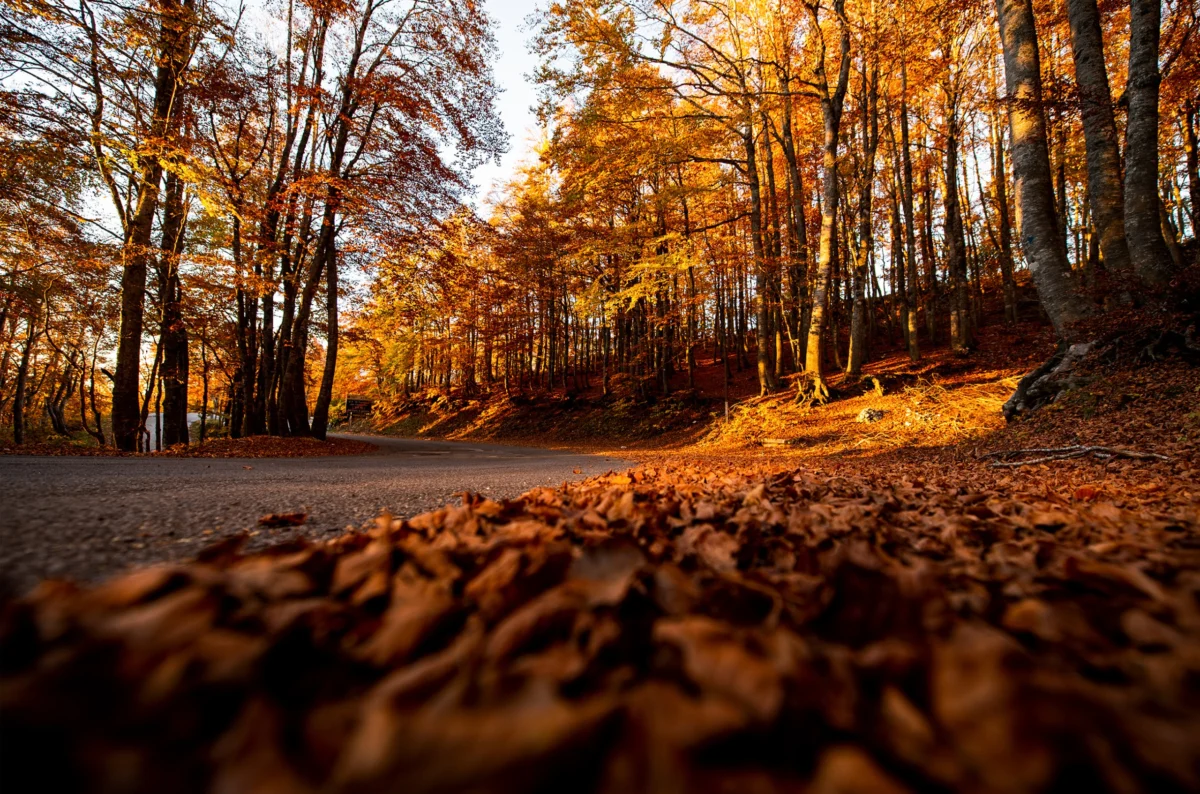
As the crisp air of autumn descends, painting landscapes in hues of gold and crimson, there is a natural gravitation towards richer, more comforting flavors in culinary and beverage choices. The light, effervescent drinks synonymous with summer sunshine might seem like a distant memory, but this perception overlooks the profound versatility and enduring appeal of one particular Italian classic: the spritz. Far from being confined to sun-drenched terraces and languid summer afternoons, this adaptable aperitif is proving itself equally adept at capturing the essence of cooler, cozier seasons, transforming with the changing palate of the year.
The spritz, in its most fundamental form, is a cocktail built on a simple yet brilliant formula: a bitter liqueur, sparkling wine, and soda water. However, its true genius lies in its capacity for evolution. With a touch of seasonal inspiration, this straightforward structure can be infused with the complex, warming notes characteristic of autumn. This includes everything from the aromatic depth of dried herbs and the subtle sweetness of orchard fruits to the nuanced bitterness of aged amaros and the vibrant zest of spiced citrus. The shift from summer’s bright and zesty profiles to autumn’s more contemplative and robust offerings is not merely a trend but a testament to the spritz’s inherent flexibility and its deep cultural roots.
The Historical Tapestry of the Spritz and the Art of Aperitivo

To fully appreciate the spritz’s contemporary autumnal renaissance, one must delve into its origins and its profound cultural significance in Italy. The spritz’s story begins not in Italy, but during the Austro-Hungarian Empire’s presence in Lombardy-Venetia in the late 19th century. Austrian soldiers, unaccustomed to the potency of local wines, would request a "spritzen" (German for "splash") of sparkling water to dilute their drinks. This practice laid the groundwork for the modern spritz, establishing the essential dilution principle.
The 20th century saw the introduction of amaro, or bitter liqueurs, into this wine and soda combination. This addition was a pivotal moment, giving birth to the distinctive bittersweet character that defines the spritz today. Regional variations quickly emerged, with iconic brands like Aperol (created in Padua in 1919) and Campari (Milan, 1860) becoming integral to the drink’s identity. The Venetian spritz, often made with Select or Aperol, and the Paduan style, predominantly featuring Aperol, highlight the drink’s diverse regional interpretations. This evolution transformed a simple dilution into a sophisticated and balanced cocktail, establishing its place in Italian drinking culture.
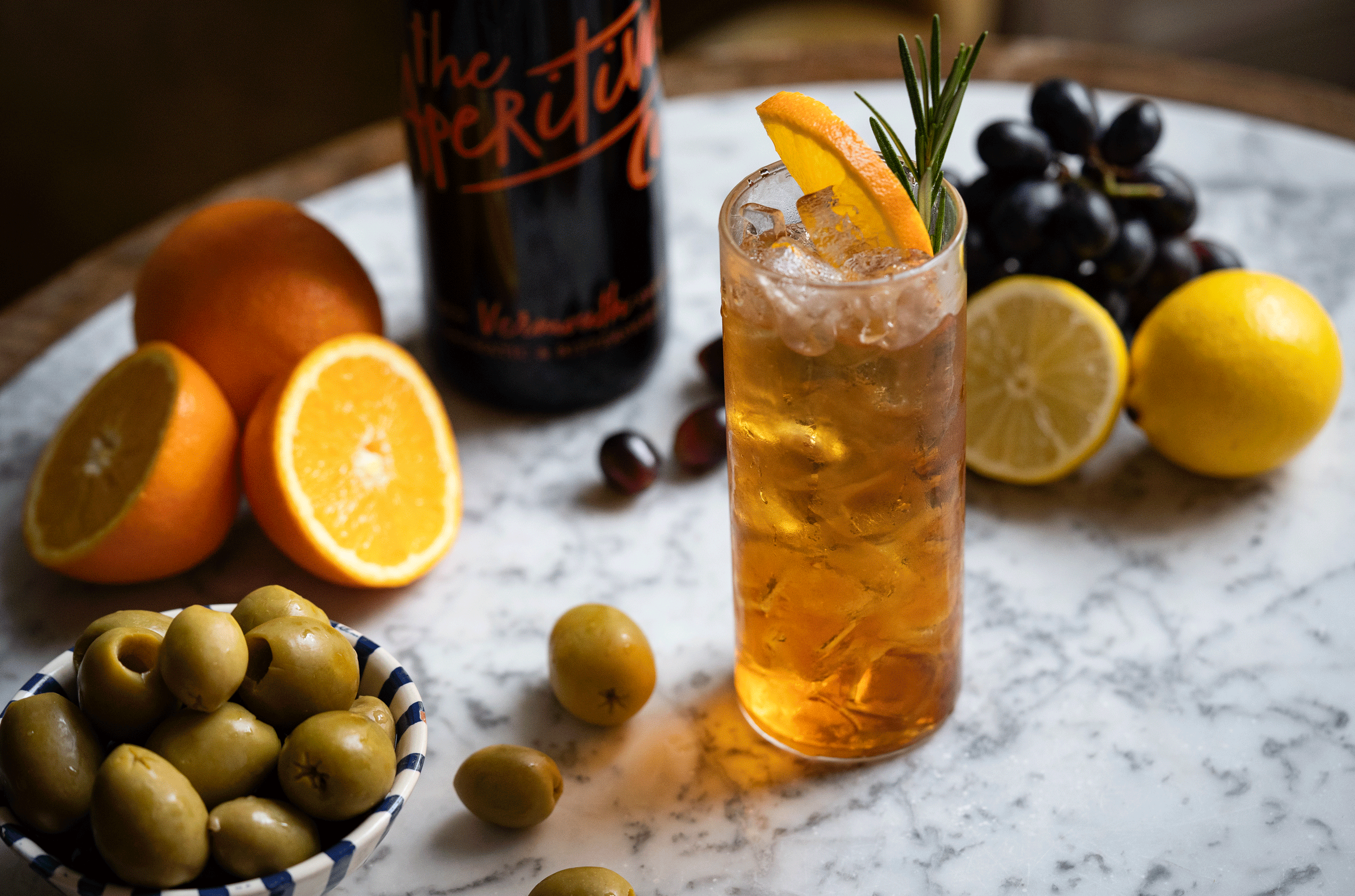
Beyond its ingredients, the spritz embodies a cherished Italian ritual: aperitivo hour. This is not merely a happy hour but a cultural institution – a pause in the late afternoon or early evening, typically between 6 PM and 8 PM, before dinner. It’s a time for leisurely conversation, light snacks (such as olives, cured meats, or small cheeses), and a refreshing, palate-awakening drink. The spritz, with its low-alcohol content and stimulating bitterness, is perfectly designed for this purpose, preparing the stomach for the meal to come while fostering social connection.
This spirit of "slowing down" resonates particularly strongly in autumn. As days shorten and the pace of life often quickens with seasonal transitions, the aperitivo offers a welcome opportunity for reflection and connection. Gathering friends around a table before dinner, or simply enjoying a tranquil drink as twilight descends, transforms the act of drinking into a meaningful social experience. The spritz, therefore, becomes more than just a beverage; it’s an invitation to embrace a mindful moment, an embodiment of la dolce vita adapted for the cooler climes.
The Autumnal Pivot: Shifting Palates and Seasonal Ingredients
The adaptation of the spritz for autumn is a natural progression, driven by evolving consumer tastes and the availability of seasonal produce. While summer spritzes thrive on citrus, berries, and light floral notes, autumn invites a deeper exploration of flavors. This includes:
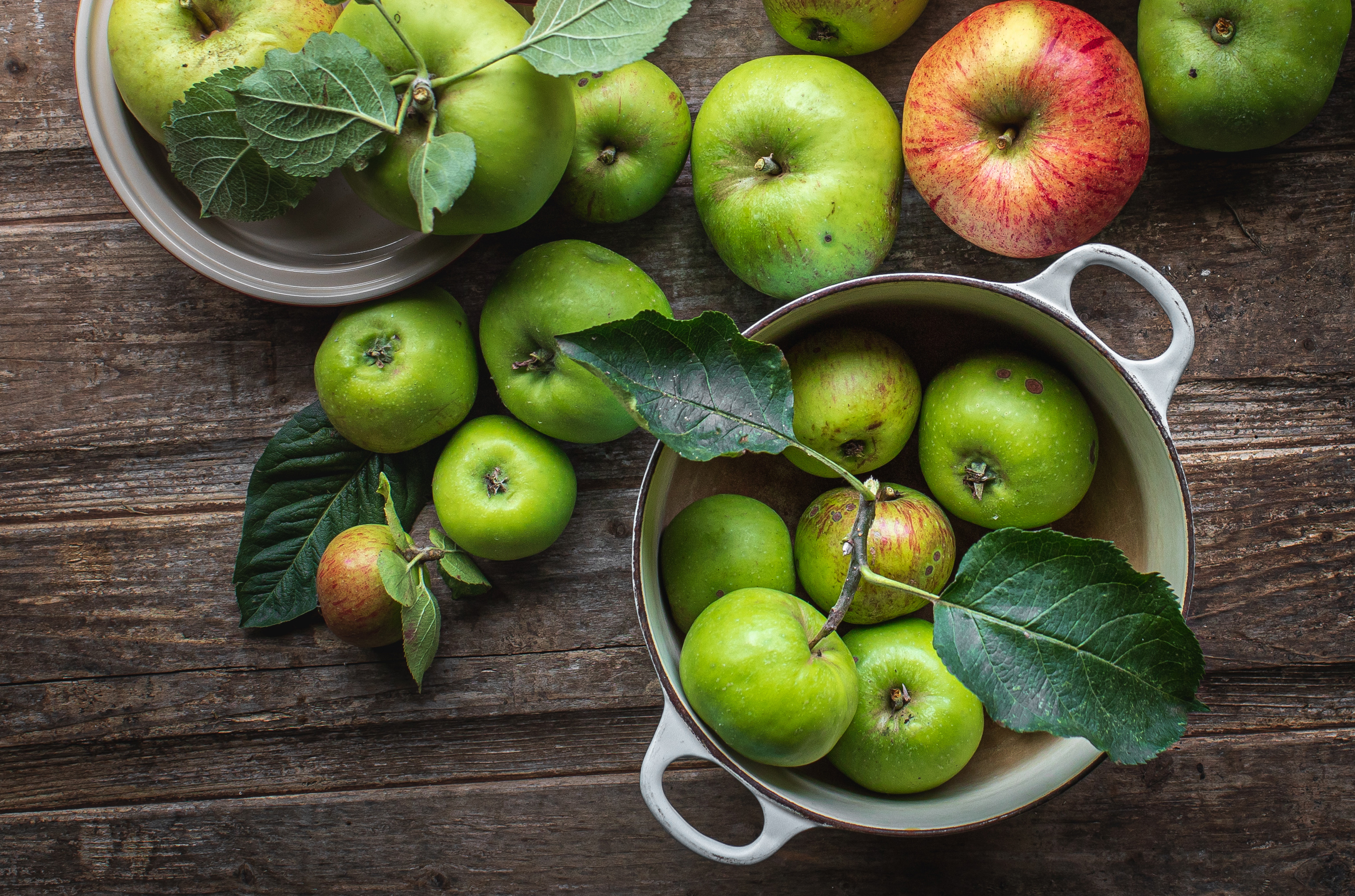
- Orchard Fruits: Apples, pears, and quince, with their inherent sweetness and subtle tartness, provide a rich fruit base that complements the bittersweet notes of traditional amaros. A splash of fresh apple juice or a homemade quince syrup can instantly transform a spritz.
- Aromatic Herbs and Spices: Rosemary, thyme, sage, and even subtle hints of cinnamon or star anise introduce an earthy, herbaceous, or gently spiced complexity. These botanicals evoke the smells and tastes of the autumn harvest and hearth.
- Darker Spirits and Vermouths: Moving beyond the classic Aperol, mixologists are experimenting with darker amaros, aged whiskies, Calvados (apple brandy), or even robust red vermouths. These spirits contribute richer, more complex profiles, often with notes of dried fruit, caramel, and deeper herbal undertones.
- Specialty Sodas and Mixers: The market has seen an increase in artisanal and flavored sparkling mixers. Swapping plain soda water for cherry soda, fig leaf soda, or even a spiced ginger ale can introduce an entirely new layer of character and aroma, providing both fizz and flavor.
This seasonal recalibration allows the spritz to retain its core identity – refreshing and bittersweet – while embracing the deeper, more comforting characteristics of autumn. The key, as always, is balance. Autumnal flavors can be inherently richer, so maintaining a delicate equilibrium between sweetness, bitterness, and a lively effervescence is crucial to ensure the drink remains invigorating and light enough for an aperitif. The aim is not to create a heavy, syrupy cocktail, but rather a sophisticated, multi-layered beverage that tantalizes the palate without overwhelming it.
Market Trends and Industry Innovations
The year-round embrace of the spritz reflects broader trends in the beverage industry. Data from market research firms consistently shows a growing consumer interest in low-ABV (alcohol by volume) cocktails and aperitifs. This trend, often driven by health-conscious consumers seeking lighter options, aligns perfectly with the spritz’s inherent characteristics. Furthermore, the rising popularity of bitter flavors, as evidenced by the expanding category of amaros and digestifs, has paved the way for more adventurous spritz variations.
Leading mixologists and beverage directors in major culinary hubs have been instrumental in championing the autumnal spritz. They observe that consumers are increasingly sophisticated, seeking experiences that align with the seasons. "The spritz offers an incredible canvas for creativity," notes a prominent London-based beverage consultant. "It’s not just about Aperol anymore; we’re seeing demand for bespoke spritzes incorporating local, seasonal ingredients, artisanal vermouths, and craft sodas. This allows us to tell a story with each drink, reflecting the time of year."
Restaurant groups and bars are responding by curating seasonal spritz menus, featuring local produce and showcasing lesser-known amaros or regional sparkling wines. This innovation not only keeps the offering fresh but also educates consumers about the vast potential of the spritz beyond its most famous iterations. The growth in craft distilleries producing unique bitters and liqueurs further fuels this trend, providing an ever-expanding palette of flavors for creative bartenders.
Mastering the Autumnal Spritz: Essential Techniques
Crafting the perfect spritz, regardless of the season, relies on a few fundamental principles that ensure optimal flavor and presentation. These techniques become even more critical when working with the richer, more complex ingredients of autumn:
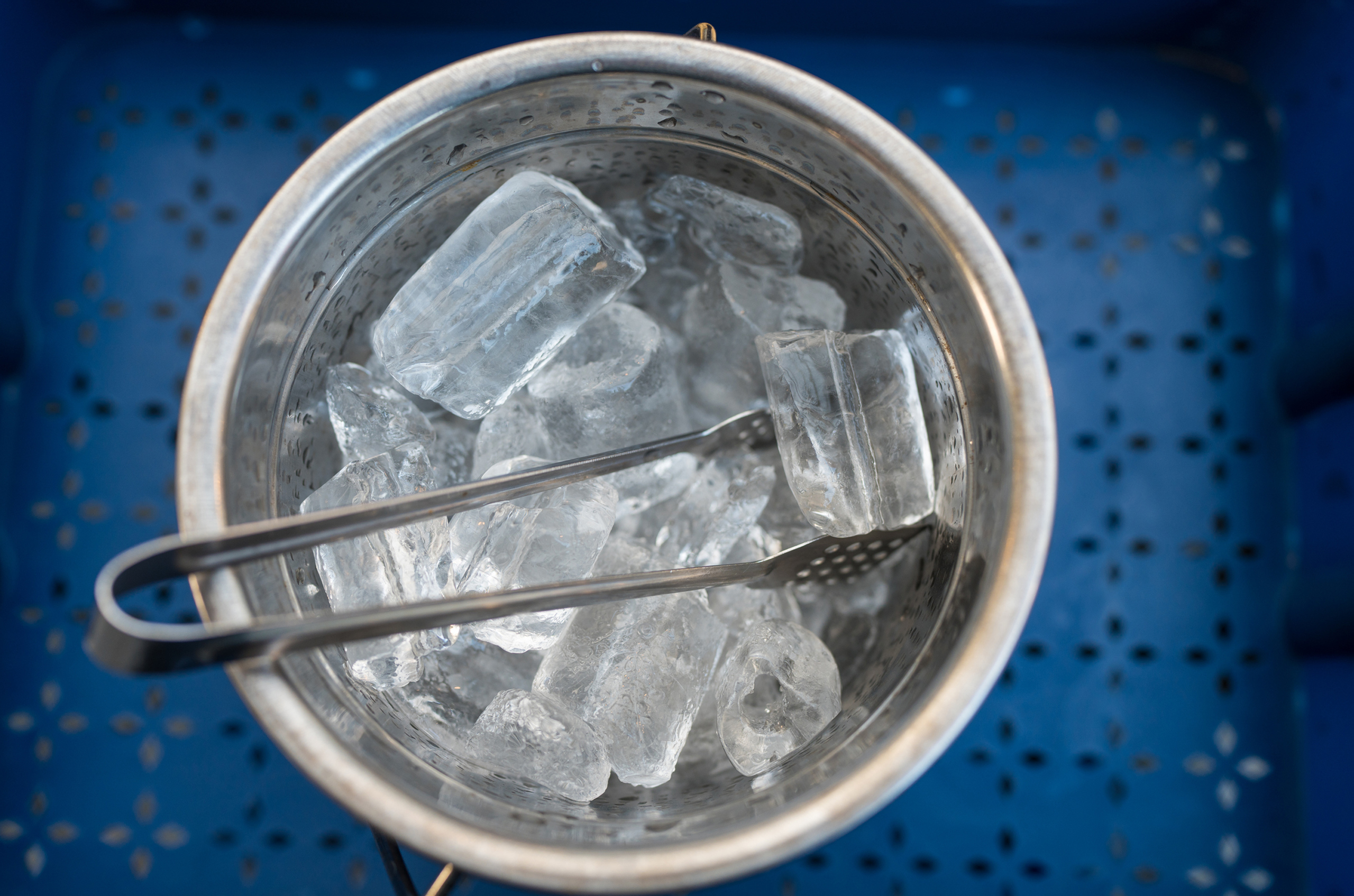
- The Power of Ice: Always use large, dry ice cubes, and plenty of them. Large cubes melt slower, preventing rapid dilution of the drink, while a generous amount ensures the spritz stays colder for longer. This is particularly important for maintaining the effervescence and crispness that defines a good spritz. Pre-chilling your glass further enhances this effect.
- Chilled Ingredients: Keep all components of your spritz—the bitter liqueur, sparkling wine, and soda—thoroughly chilled in the refrigerator. Cold ingredients ensure that the final drink is perfectly refreshing from the first sip and minimizes ice melt.
- The Build Order: Always build your spritz with still ingredients first. This means adding the bitter liqueur and any fruit juices or syrups to the glass with ice. Then, gently add the sparkling wine, followed by the soda water. Adding effervescent components last and slowly helps to preserve their bubbles and prevents the drink from overflowing, ensuring a lively and sparkling finish.
For an autumnal twist, begin with a foundation of your chosen sparkling wine (Prosecco, Crémant, or Cava offer diverse profiles) and a bitter aperitif. From there, let your imagination roam through the seasonal pantry. A robust Prosecco might pair beautifully with a richer amaro and a splash of spiced apple cider, while a drier Crémant could be an excellent foil for a botanical gin and a hint of rosemary syrup.
Recipe Inspirations for the Autumnal Spritz
The following recipes showcase the diverse and delicious possibilities for adapting the spritz to the autumn season, moving beyond the traditional and embracing new flavor dimensions.
1. Cherry Spritz: A Bittersweet Symphony
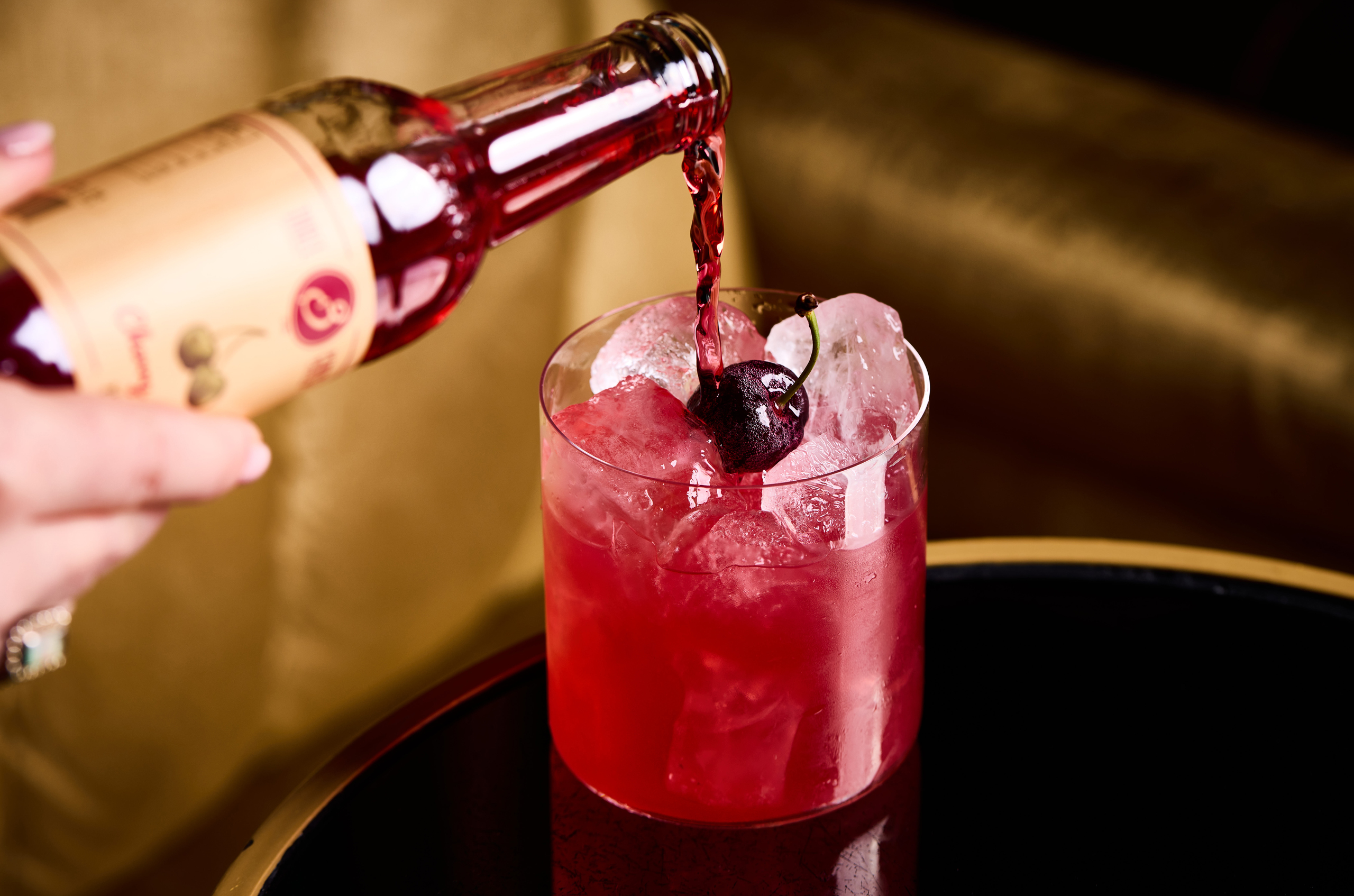
This effortlessly crafted cocktail offers a delightful balance of bittersweet and aromatic notes, making it an ideal choice for the cooler months. The key to its autumnal depth lies in the use of cherry soda, which infuses the drink with a richer, fruit-forward complexity that plain soda simply cannot achieve. Experimenting with different amaros, such as the herbaceous Select or the more intensely bitter Campari, can further enhance its layered profile.
- Ingredients:
- 30ml Sipello Bittersweet Aperitif (or chosen amaro like Select or Campari)
- Three Cents Cherry Soda (or similar high-quality cherry soda) to top
- Glass: Lowball
- Garnish: Maraschino cherry
- Method: Fill a chilled lowball glass generously with cubed ice. Pour in the Sipello Bittersweet Aperitif. Slowly top with the cherry soda, ensuring not to over-fizz. Garnish with a single maraschino cherry.
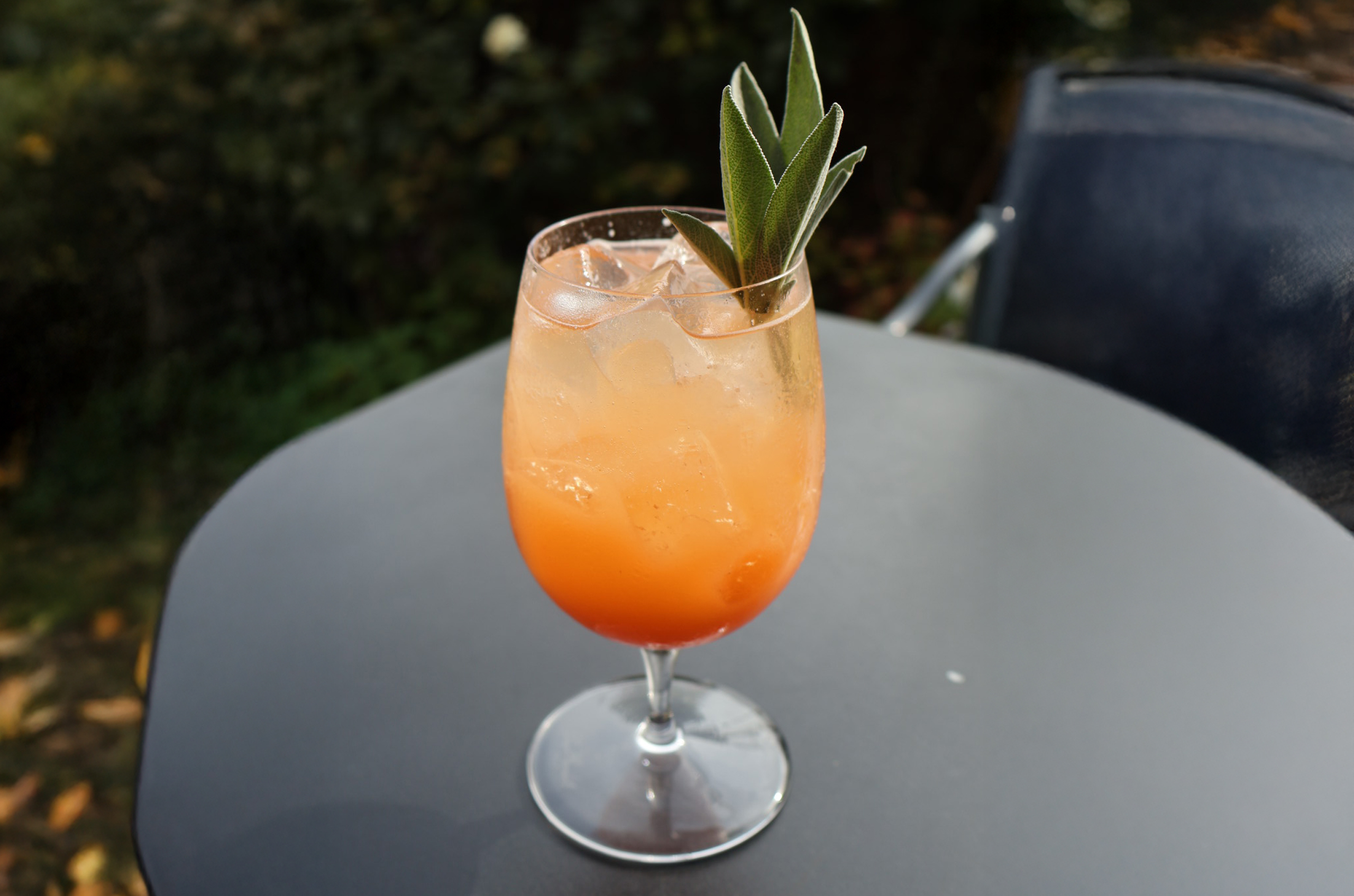
2. Sage, Apple & Quince Spritz: An Orchard’s Embrace
This refined recipe, originating from Updown Farmhouse in Deal, elegantly combines the bounty of the autumn orchard with herbaceous sophistication. Ruth Leigh, co-owner of Updown Farmhouse, highlights the choice of Domaine de Flaguerie’s Six Year Old Calvados for its fresh apple notes balanced by hints of wood and spice. The inclusion of fresh sage introduces a vibrant herbaceous counterpoint, while Westwell Wicken Foy NV sparkling wine is recommended for its "super-bright" character and notes of apple and pear, which expertly cut through the sweetness of the quince jam.
- Ingredients:
- 50ml Calvados infused with sage leaves (infuse by letting sage leaves steep in Calvados for 24-48 hours, then strain)
- 20ml fresh lemon juice
- 1tsp quince jam
- Sparkling wine (e.g., Westwell Wicken Foy NV) to top
- Glass: Wine glass
- Garnish: Fresh sage leaves
- Method: Combine the sage-infused Calvados, quince jam, and lemon juice in a cocktail shaker filled with ice. Shake vigorously until well chilled. Strain the mixture into a wine glass filled with fresh ice. Top with sparkling wine and garnish with fresh sage leaves for an aromatic flourish.
3. Fig Leaf Americano: A Sophisticated Seasonal Twist
Elevating the classic Americano, this recipe infuses a sophisticated autumnal dimension with the unique flavor of fig leaf. The choice of Asterley Bros Bartender Series Red Vermouth is suggested for its depth, but this recipe encourages exploration with various red vermouths and amaros to discover a personalized flavor combination. The fig leaf soda provides an unexpected, earthy sweetness that beautifully complements the bitter and vermouth notes.
- Ingredients:
- 50ml red vermouth (e.g., Asterley Bros Bartender Series Red Vermouth)
- 30ml amaro (choose an Italian bitter that complements the vermouth)
- Three Cents Fig Leaf Soda (or similar artisanal fig leaf soda) to top
- Glass: Highball
- Garnish: Small fig leaf
- Method: Fill a chilled highball glass with cubed ice. Pour in the red vermouth and the chosen Italian bitter. Slowly top with Three Cents Fig Leaf Soda. Garnish with a delicate fig leaf to enhance the aromatic experience.
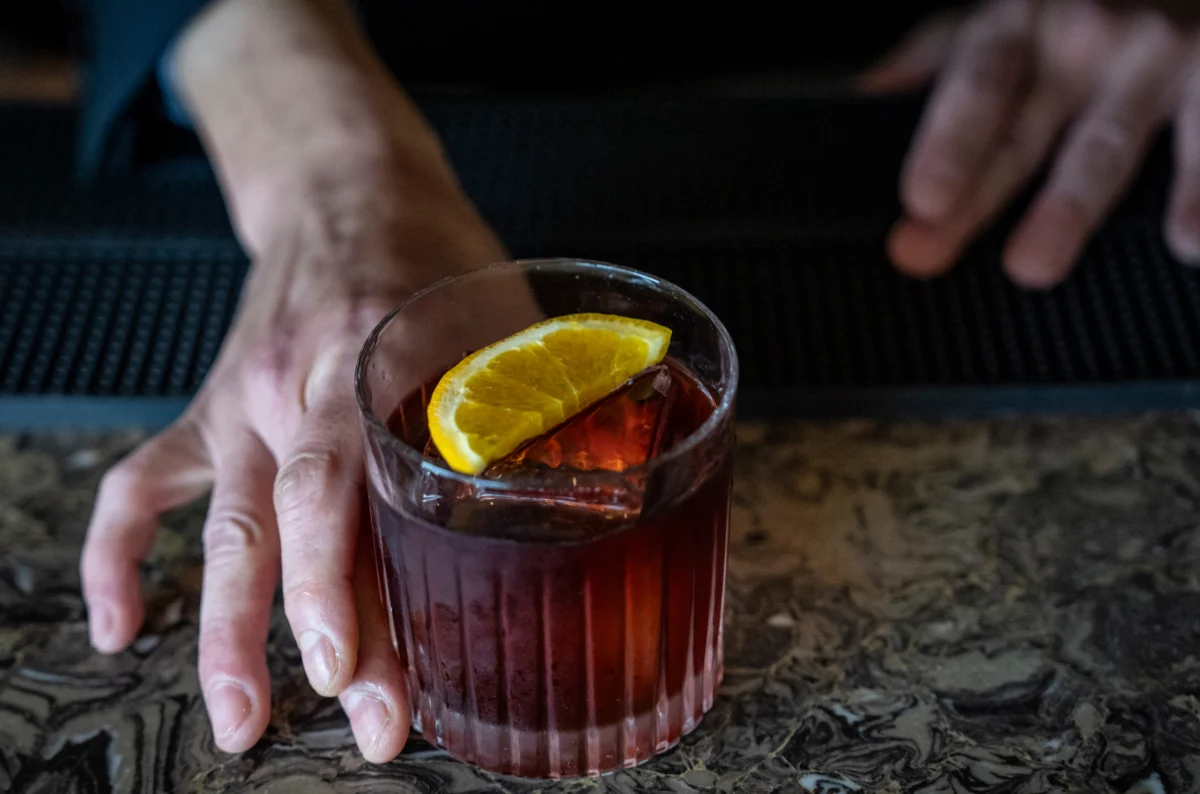
4. Sloe Spritz: A Rich, Dry English Homage
Created by Penny Vine and the bar team at Impala in London, this spritz offers a warmer, drier take, specifically designed to complement the complex, layered spices found in the restaurant’s North African-influenced menu. Vine explains the thoughtful selection of Plymouth Sloe Gin for its deep, tart berry character derived from traditional English sloe berries. This is expertly paired with Lustau Rosé Vermut, a Sherry-based vermouth that lends a savory, salty depth. The ensemble is brightened by Sébastien Brunet Sparkling Vouvray, providing a crisp, dry finish that harmonizes the rich components.
- Ingredients:
- 50ml sloe gin (e.g., Plymouth Sloe Gin)
- 50ml rosé vermouth (e.g., Lustau Rosé Vermut)
- 50ml sparkling wine (e.g., Sébastien Brunet Sparkling Vouvray)
- Dash of soda water
- Glass: Wine glass
- Garnish: Orange slice
- Method: Build the drink directly in a stemmed wine glass filled with ice. Pour in the sloe gin and rosé vermouth. Top with the sparkling wine, followed by a dash of soda water. Gently stir to combine. Garnish with a vibrant orange slice.
5. Pickled Hugo Spritz: A Tangy, Modern Interpretation
Tapping into the burgeoning trend of pickle-flavored everything, from TikTok challenges to gourmet snacks, this recipe introduces a bold, savory twist to the popular floral Hugo spritz. The addition of pickle soda provides a feisty, tart, and tangy kick, transforming a quintessential summer drink into a surprisingly refreshing autumnal offering with an unexpected umami depth.
- Ingredients:
- 45ml elderflower liqueur
- 8 fresh mint leaves
- Three Cents Pickle Soda (or similar high-quality pickle-flavored soda) to top
- Glass: Wine glass
- Garnish: Mint sprig
- Method: Chill a wine glass and fill it with fresh mint leaves and plenty of ice. Pour in the elderflower liqueur. Slowly top with the Three Cents Pickle Soda, stirring gently to integrate the flavors. Garnish with a fresh mint sprig.
Broader Implications and the Enduring Appeal
The transformation of the spritz from a summer staple to a versatile, year-round delight underscores its enduring appeal and adaptability within the dynamic world of cocktails. It signifies a broader cultural shift towards appreciating seasonality in beverages and a growing desire for sophisticated yet approachable drinks. This trend also highlights the ingenuity of mixologists and beverage companies in reinterpreting classics for contemporary palates and changing seasons.
As the days shorten and the warmth of summer fades, there is no longer a need to bid farewell to the beloved spritz. Instead, it offers an invitation to explore a rich tapestry of autumnal flavors, to experiment with new ingredients, and to continue the cherished Italian tradition of slowing down and savoring the moment. Whether enjoyed on a cozy terrace, by a crackling fire, or amidst convivial company, the autumnal spritz stands as a testament to innovation and the timeless pleasure of a well-crafted drink, proving that some traditions are simply too good to be confined to a single season.