admin
admin
The evolution of the American craft beer industry has been defined by a restless pursuit of flavor innovation, moving from the aggressive bitterness of West Coast IPAs to the pillowy sweetness of New England styles. Among the most complex and increasingly popular flavor profiles emerging in this landscape is the banana. While historically associated with traditional German wheat beers, the banana has found a new home in modern pastry stouts, heavy-bodied fruit smoothies, and experimental ales. This shift represents a intersection of biochemistry, historical agricultural shifts, and a changing regulatory environment that has recently simplified the path for brewers to experiment with tropical adjuncts.
The Newark Incident: A Microcosm of Craft Innovation
In early 2020, Josh and Heather Lange, co-founders of DankHouse Brewing in Newark, Ohio, faced a logistical and culinary hurdle that typifies the grit of small-scale brewing. Preparing for the Juicy Brews IPA festival in Pittsburgh, the couple found that their signature hazy IPA, "Banana Peel’d," lacked the aromatic intensity they desired. With time running out and bulk aseptic purees unavailable for immediate shipping, the Langes turned to unconventional sourcing.
The discovery that their preferred high-end puree shared a near-identical composition with Gerber banana baby food led to what Lange described as a "scooping party." By clearing out the inventory of every grocery store within a 40-mile radius of Columbus, the team was able to fortify the beer’s flavor profile just days before the event. At the festival, DankHouse found themselves pouring their baby-food-enhanced IPA alongside industry titans like The Alchemist, creators of the legendary Heady Topper. The success of the beer, despite its humble supplementary ingredients, highlighted a growing consumer appetite for bold, fruit-forward profiles that challenge traditional brewing boundaries.
The Biochemistry of the Banana Profile
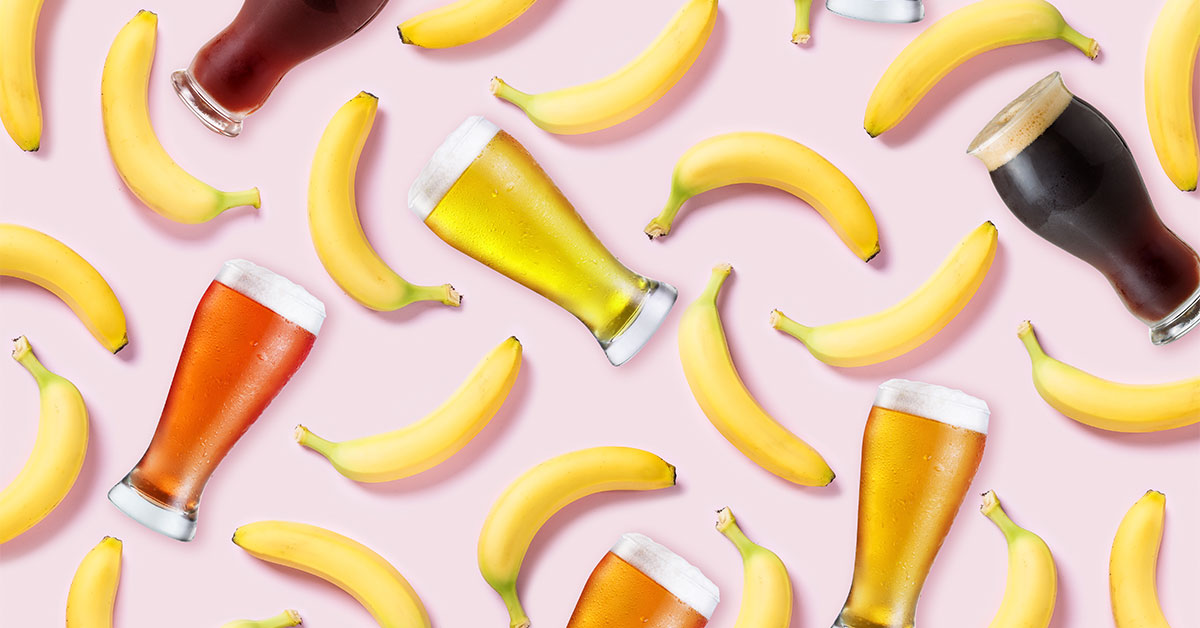
To understand why banana flavor is so prized—and so difficult to master—one must look at the molecular level. The primary compound responsible for the signature scent of a banana is isoamyl acetate, a fruity ester produced during the fermentation process. In the world of commercial lagers, such as Coors Banquet, a subtle hint of banana is a byproduct of specific cold-fermentation techniques. However, in many styles, an overabundance of isoamyl acetate is classified as an "off-flavor," indicating that the yeast was stressed or the fermentation temperature was poorly regulated.
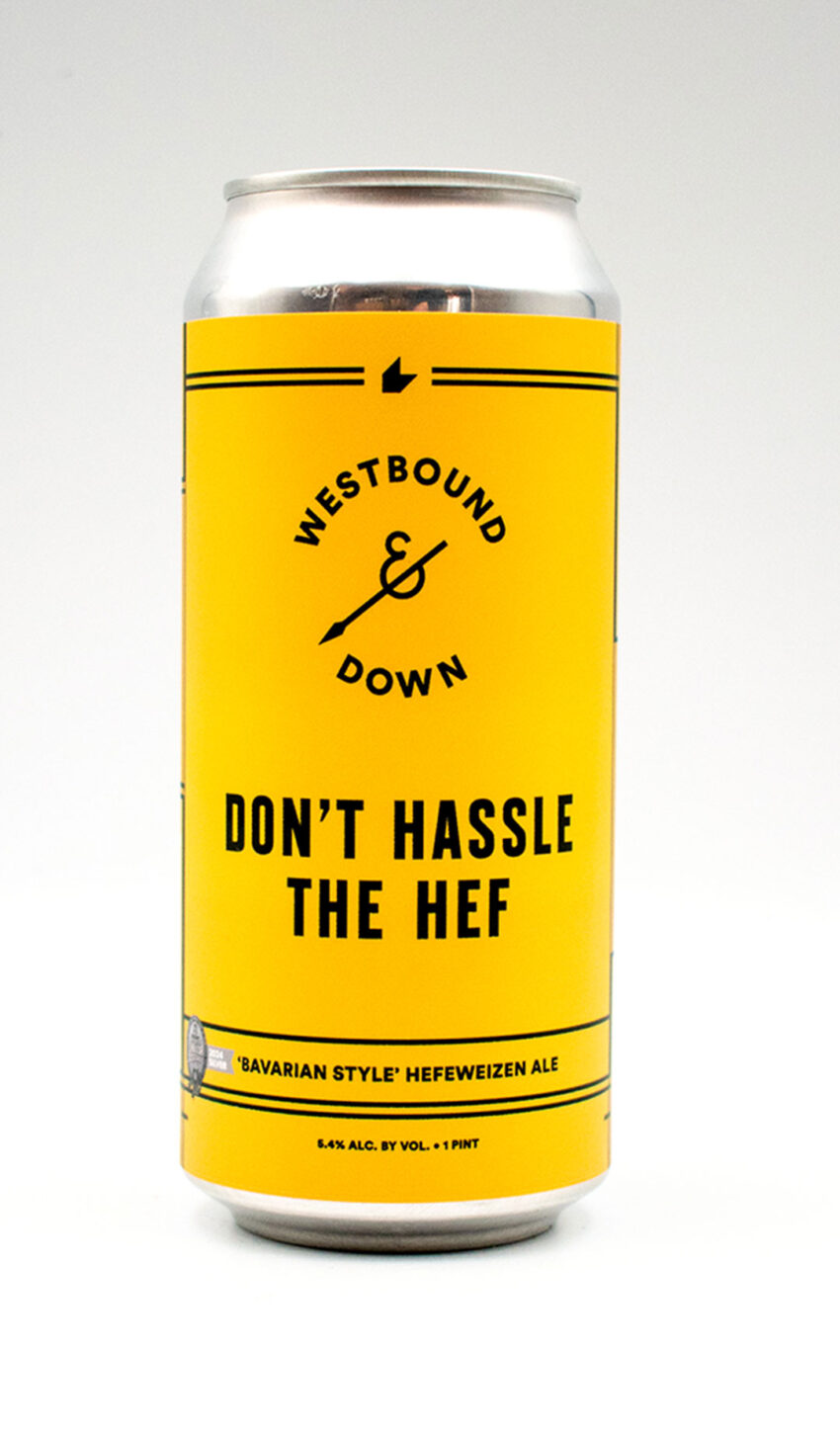
In contrast, for a German Hefeweizen, the banana aroma is not a flaw but a requirement. Derek Goodman, head brewer at Westbound & Down Brewing in Colorado, notes that achieving the perfect "banana Runt" aroma requires a delicate manipulation of the yeast. By intentionally under-pitching yeast—providing only about one-third of the recommended cell count—and restricting oxygen, brewers force the yeast into a state of "greedy" reproduction. As the yeast struggles to adapt to the nutrient-rich wort, it produces high concentrations of esters, resulting in the vibrant banana and clove notes that earned Westbound & Down’s "Don’t Hassle the Hef" a silver medal at the 2024 Great American Beer Festival.
The Great Banana Disconnect: Gros Michel vs. Cavendish
A significant factor in the consumer perception of "banana flavor" is rooted in agricultural history. Until the 1950s, the global market was dominated by the Gros Michel (Big Mike) banana. This variety was richer in isoamyl acetate and possessed a more pungent, candy-like flavor. When a fungal outbreak known as Panama disease decimated the Gros Michel, the industry pivoted to the Cavendish banana, which is more resistant to disease but significantly milder in flavor.
This historical shift created a sensory gap. Artificial banana flavorings, such as those found in Laffy Taffy or Runts candy, were modeled after the Gros Michel. Consequently, when modern consumers seek a "banana-forward" beer, they are often looking for the nostalgic, intense profile of a fruit that is no longer widely available in produce aisles. This forces brewers to seek out concentrated purees or exotic varieties to meet the "Gros Michel" expectations of the modern palate.
The Premiumization of Adjuncts: The Wild Thai Banana
As the "pastry stout" movement gained momentum in the late 2010s, breweries began looking beyond standard purees to achieve deeper, more caramelized fruit notes. This led to the rise of the wild Thai banana, often referred to by importers like Rodrick Markus of Rare Tea Cellar as the "Grand Cru" of the fruit. Unlike the water-heavy Cavendish, these small, dried bananas from Southeast Asia offer a concentrated, fructose-rich essence that infuses beer without thinning the body or introducing the "brown" oxidation colors that plagued early experiments by DankHouse and others.
The economic impact of using such premium ingredients is substantial. Matt Tarpey, co-founder of The Veil Brewing in Richmond, Virginia, indicates that high-end barrel-aged stouts like "Sky Summoner" require upwards of 10 pounds of these bananas per barrel. With prices hovering around $50 per pound—compounded by a 35% tariff on Thai imports—the cost of fruit alone can exceed $500 per barrel. While these beers are often "labors of love" with slim profit margins, they serve as vital brand-builders in a competitive market where "whales" (highly sought-after, rare beers) drive social media engagement and taproom traffic.
Regulatory Evolution: The TTB Modernization
For years, the federal government viewed bananas as a non-traditional brewing ingredient. Under the Alcohol and Tobacco Tax and Trade Bureau (TTB) regulations, breweries were required to submit complex formula exemptions before they could legally sell banana-infused beers. This bureaucratic hurdle often deterred smaller breweries with limited administrative resources from experimenting with the fruit.
However, a significant shift occurred in late 2023. The TTB expanded its list of exempt ingredients, officially recognizing bananas (along with several other fruits) as traditional adjuncts. This deregulation has lowered the barrier to entry, allowing for a surge in experimental batches. According to Jeff Mello of Bootleg Biology, a leading yeast supplier, the demand for Hefeweizen yeast strains has skyrocketed, now trailing only Hazy IPA strains in total sales volume. This data suggests that the "banana moment" in craft beer is not merely a fad but a sustained market trend supported by both regulatory ease and consumer demand.
Technical Hurdles: Oxidation and Fermentation Dynamics
Despite the regulatory ease, the technical challenges of brewing with banana remain formidable. When using fresh or pureed fruit, brewers must contend with high starch content and the risk of sulfur production. Nick Panchamé, president of HOMES Brewery and the brain behind the "Smooj" hard smoothie line, emphasizes the importance of post-fermentation additions. Adding banana puree after the primary fermentation is complete preserves the residual sweetness and provides the thick, "smoothie-like" mouthfeel that has become a hallmark of the modern "fruit-pour" style.
Furthermore, the "Cheetos dilemma," as described by Larry Horwitz of Crooked Hammock Brewery, highlights the biological preferences of yeast. Yeast cells are prone to "laziness" when presented with simple sugars from fruit purees, often ignoring the more complex malt sugars and stalling the fermentation process. Managing this "junk food" preference requires precise timing and temperature control to ensure the beer reaches its target alcohol by volume (ABV) without developing off-flavors or becoming cloyingly sweet.
Implications for the Future of Craft Beer
The trajectory of banana-infused beer reflects a broader shift toward "culinary brewing," where the lines between the kitchen and the brewhouse are increasingly blurred. The success of events like the "Banana Brunch" in Nashville, which pairs ice cream with Hefeweizens, suggests that the future of the category lies in experiential consumption.
As breweries continue to refine their techniques—moving from grocery store baby food to $50-a-pound Thai bananas—the consumer is the ultimate beneficiary of this diversity. Whether it is a traditionalist seeking the clove-and-banana esters of a perfectly brewed German wheat beer or a modern enthusiast hunting for a 15% ABV liquid banana-split stout, the "appeal of the peel" has never been stronger. The combination of improved yeast management, access to exotic global supply chains, and a favorable regulatory climate ensures that the banana will remain a cornerstone of the craft brewer’s toolkit for the foreseeable future.