admin
The Environmental Protection Agency (EPA) recently reported that the average American household wastes nearly 10,000 gallons of water annually due to easy-to-fix leaks, a figure that represents approximately 10 percent of the average water bill. While visible drips from faucets or running toilets are often addressed promptly, a more insidious threat exists within the modern residential structure: hidden leaks. These "silent" failures occur behind drywall, beneath concrete slabs, and within the cabinetry of high-use appliances, often remaining undetected until structural damage, mold colonization, or catastrophic flooding occurs. For homeowners and property managers, understanding the mechanics of these five specific leak sources—appliance hoses, toilet seals, slab-bound pipes, irrigation lines, and outdoor spigots—is essential for maintaining the integrity of the building envelope and ensuring long-term financial stability.
The Scale of Domestic Water Waste: Supporting Data and Context
Data from the EPA’s WaterSense program indicates that nationwide, household leaks can waste more than 1 trillion gallons of water annually. This volume is equivalent to the annual home water use of more than 11 million homes. While a single leaking faucet dripping at one drip per second can waste 3,000 gallons per year, hidden leaks are far more prolific. A pinhole leak in a pressurized copper pipe can lose hundreds of gallons per day, saturating insulation and fostering an environment conducive to Stachybotrys chartarum (black mold) within 24 to 48 hours of initial exposure.
The economic implications are equally severe. The insurance industry reports that water damage and freezing are the second most common cause of home insurance claims, with the average claim costing approximately $12,500. However, many policies contain "seepage and leakage" exclusions, which may deny coverage if a leak is determined to have been ongoing for weeks or months due to lack of maintenance. This puts the onus of detection squarely on the homeowner.
Analysis of the Five Most Frequently Overlooked Leak Sources
1. Pressurized Appliance Supply Hoses
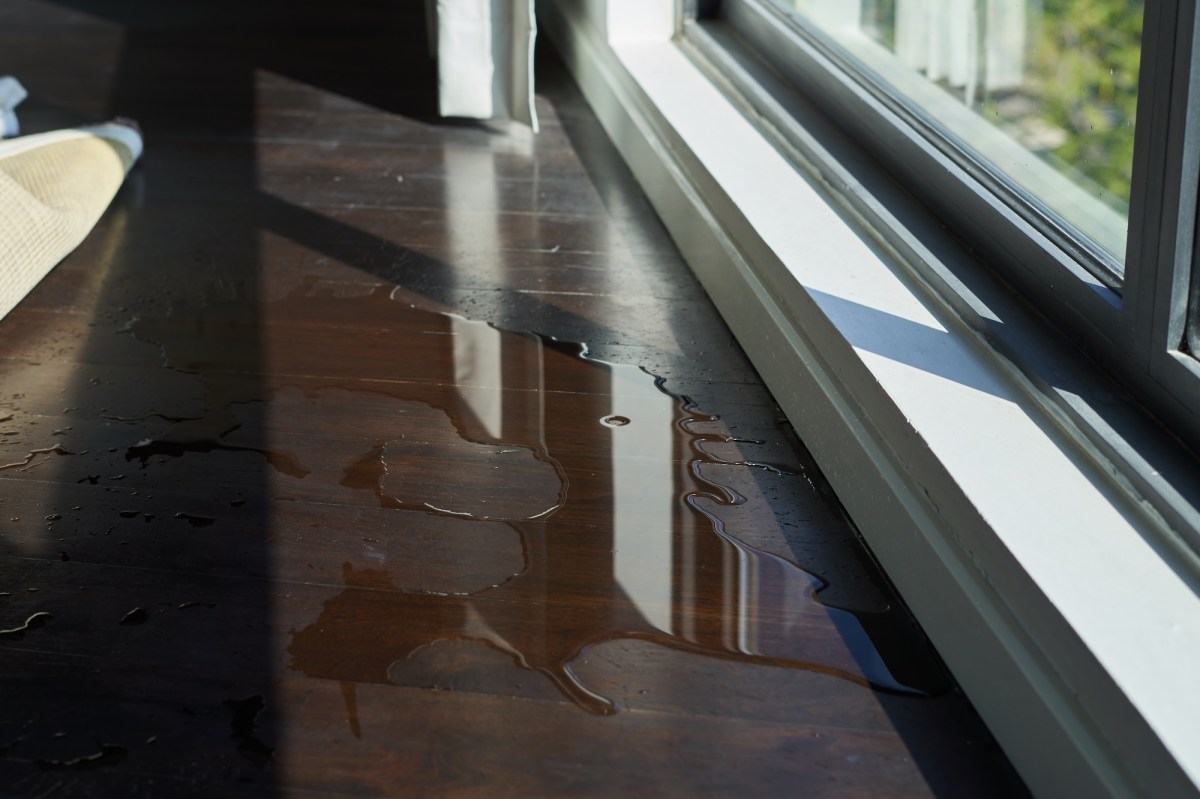
Modern kitchens and laundry rooms rely on a network of flexible supply lines to feed dishwashers, ice makers, and washing machines. Traditionally constructed from EPDM rubber, these hoses are subject to constant internal pressure and material fatigue. Over time, the rubber can become brittle or develop "bubbles" that precede a total burst. Because these appliances are typically installed in tight recesses, a slow leak at the connection point often goes unnoticed.
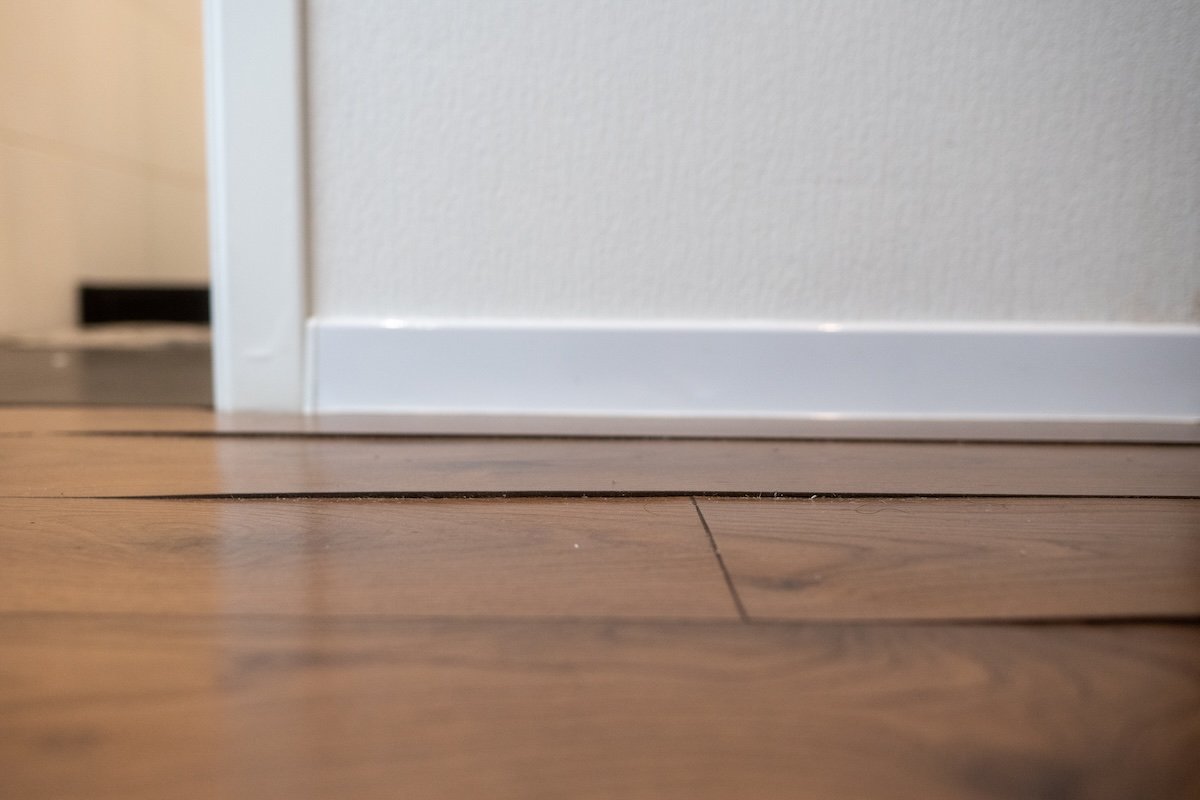
The damage profile for appliance leaks is unique because water often migrates beneath the flooring material. In kitchens with hardwood or laminate, this leads to "cupping" or crowning of the planks. In laundry rooms, water may seep through the subfloor, compromising the structural joists before a puddle is ever visible on the surface. Industry experts recommend replacing standard rubber hoses with braided stainless steel lines every five to seven years to mitigate this risk.
2. The Degraded Toilet Wax Ring and Flange
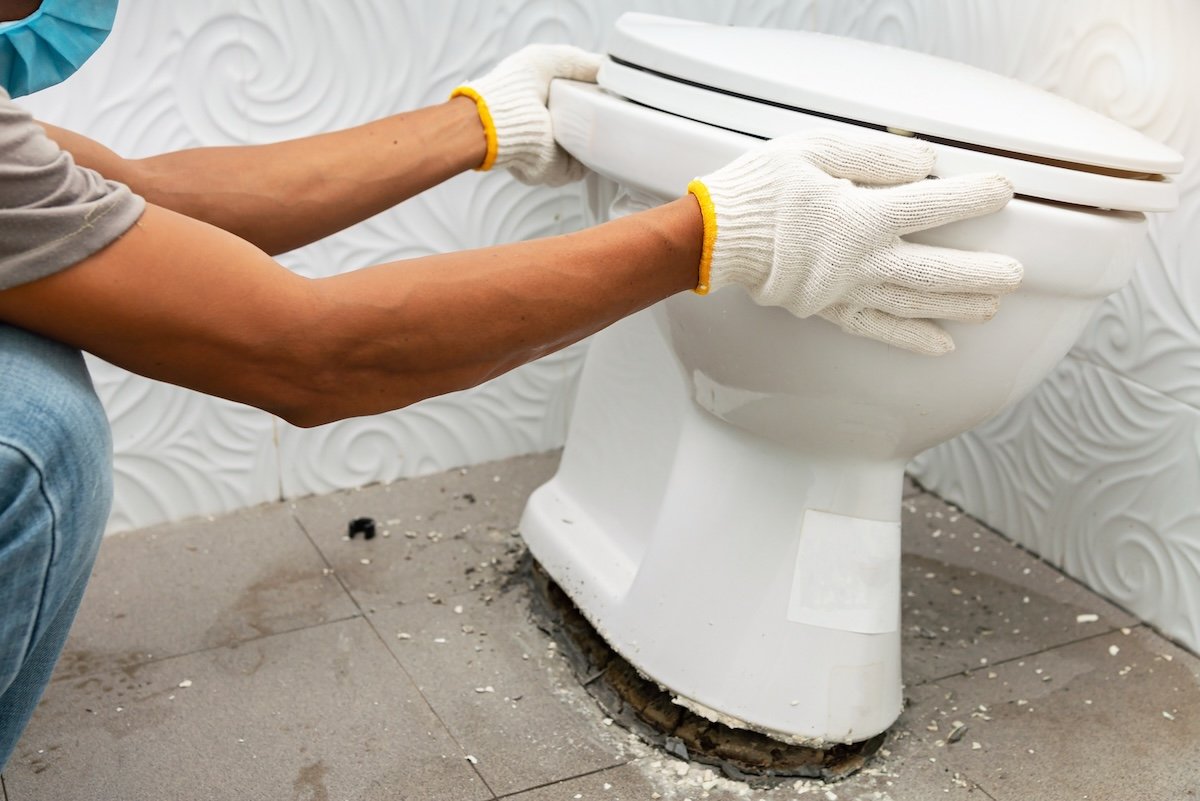
The toilet is the highest water-use fixture in the home, yet its primary seal—a simple ring of molded wax—is one of its most vulnerable points. This seal creates a gas-tight and water-tight bond between the toilet horn and the closet flange. However, if a toilet becomes "unseated" or begins to rock due to loose bolts or an uneven floor, the wax seal is easily compromised.
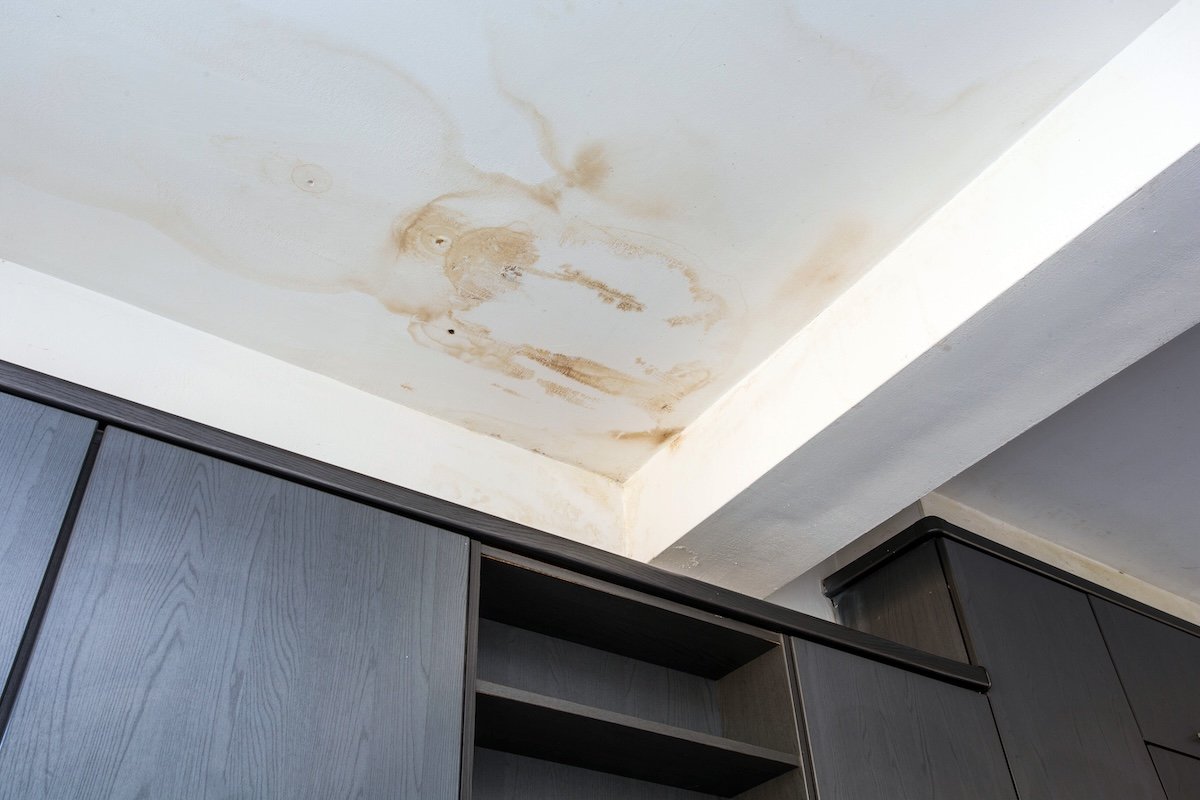
Unlike a tank leak, which results in water running into the bowl, a seal leak sends water directly into the subfloor during every flush. For bathrooms located on the second story, the first sign of failure is often a yellow or brown stain on the ceiling below. By the time this staining appears, the wooden floor structure is usually saturated, necessitating expensive remediation.
3. Sub-Slab and In-Wall Pipe Failures
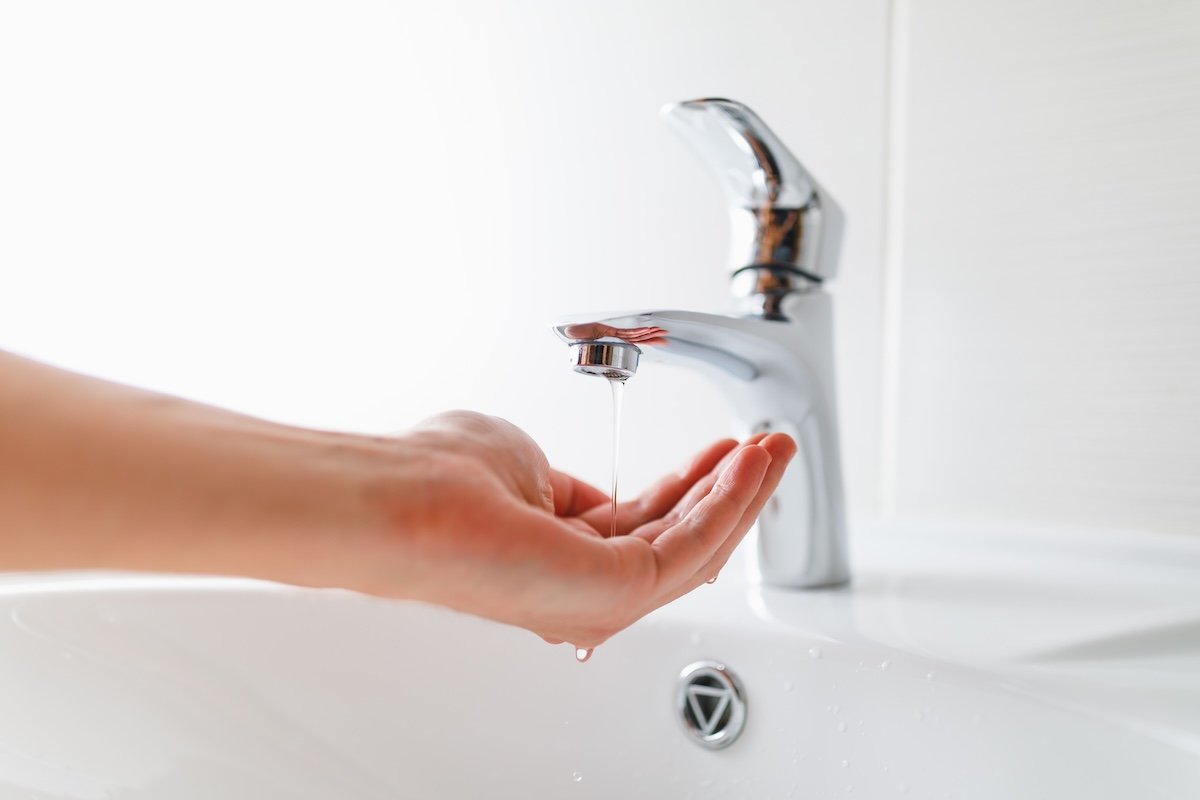
Perhaps the most difficult leaks to detect are those occurring within the "thermal envelope" or beneath the foundation. In homes built on concrete slabs, copper or PEX water lines are often routed beneath the concrete. These pipes can fail due to "pitting corrosion"—a chemical reaction between the metal and the soil—or due to the physical friction caused by the pipe expanding and contracting against the concrete.
The chronology of a slab leak is often slow. Homeowners may notice a localized "warm spot" on the floor (indicating a hot water line leak) or hear the sound of rushing water when no fixtures are in use. Left unaddressed, these leaks can wash away the supporting soil beneath the foundation, leading to "slab heave" or structural cracking that can cost tens of thousands of dollars to stabilize.
4. Underground Irrigation Systems
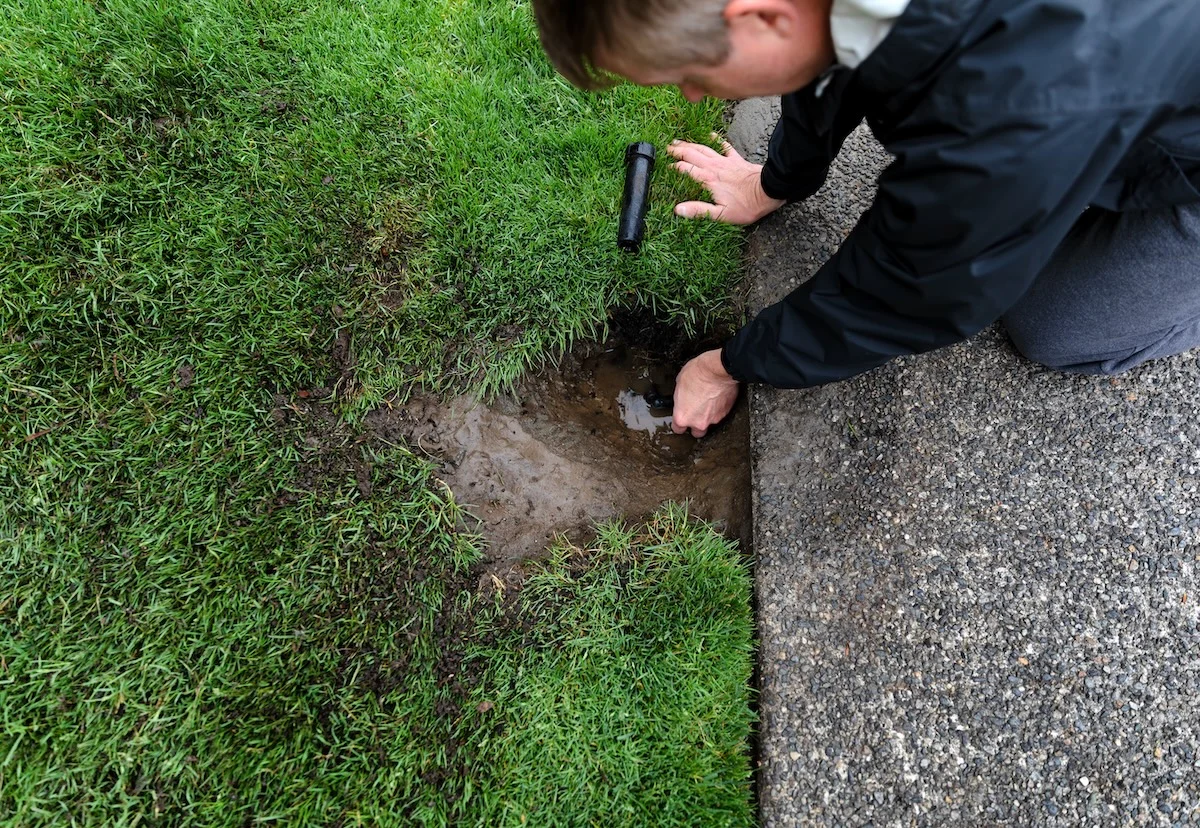
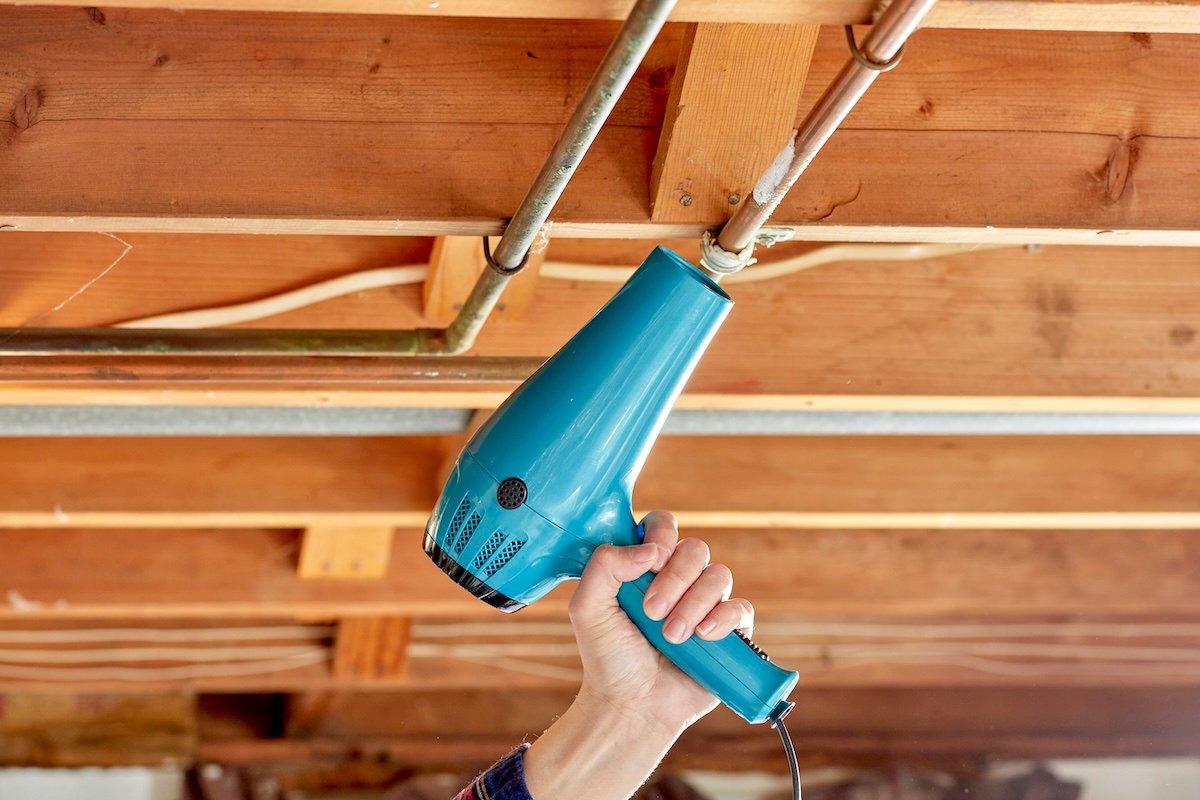
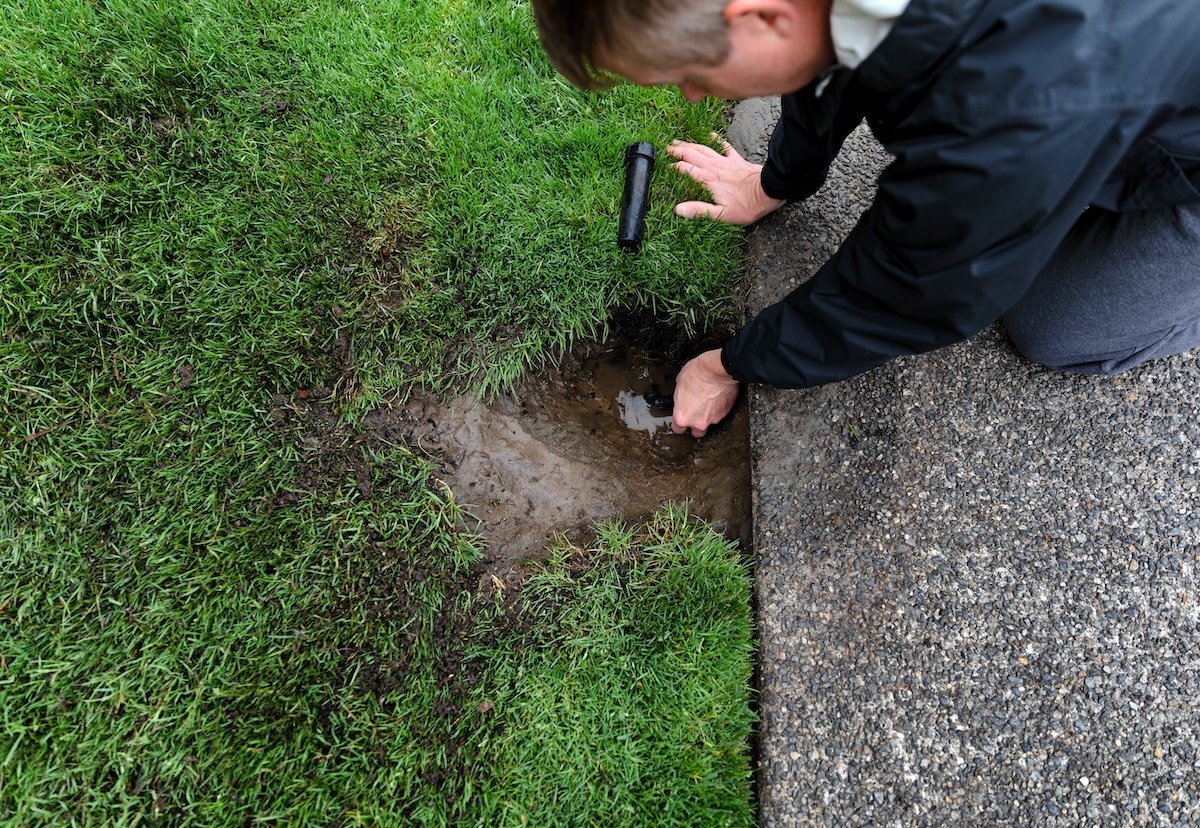
Irrigation systems are frequently excluded from standard home inspections, yet they represent a significant point of failure. Because these lines are buried, a cracked lateral line or a broken sprinkler head can discharge thousands of gallons of water directly into the earth.
The EPA notes that an irrigation system with a leak only 1/32nd of an inch in diameter can waste about 6,300 gallons of water per month. Beyond the utility cost, excessive underground water near the foundation can lead to hydrostatic pressure issues, where water is forced through the basement walls or into the crawlspace. Indicators of irrigation failure include unusually lush patches of grass, "squishy" soil during dry periods, or a sudden drop in water pressure across the entire system.
5. External Spigots and the "Frost-Proof" Fallacy
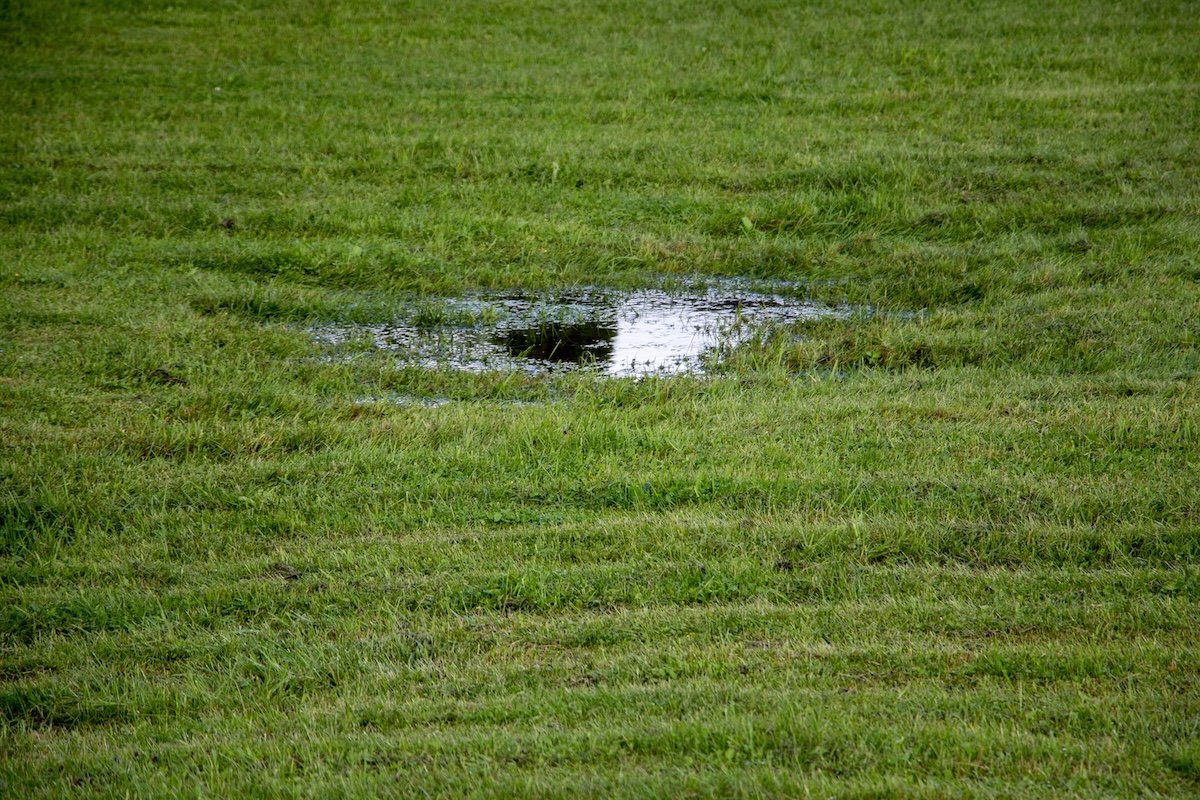
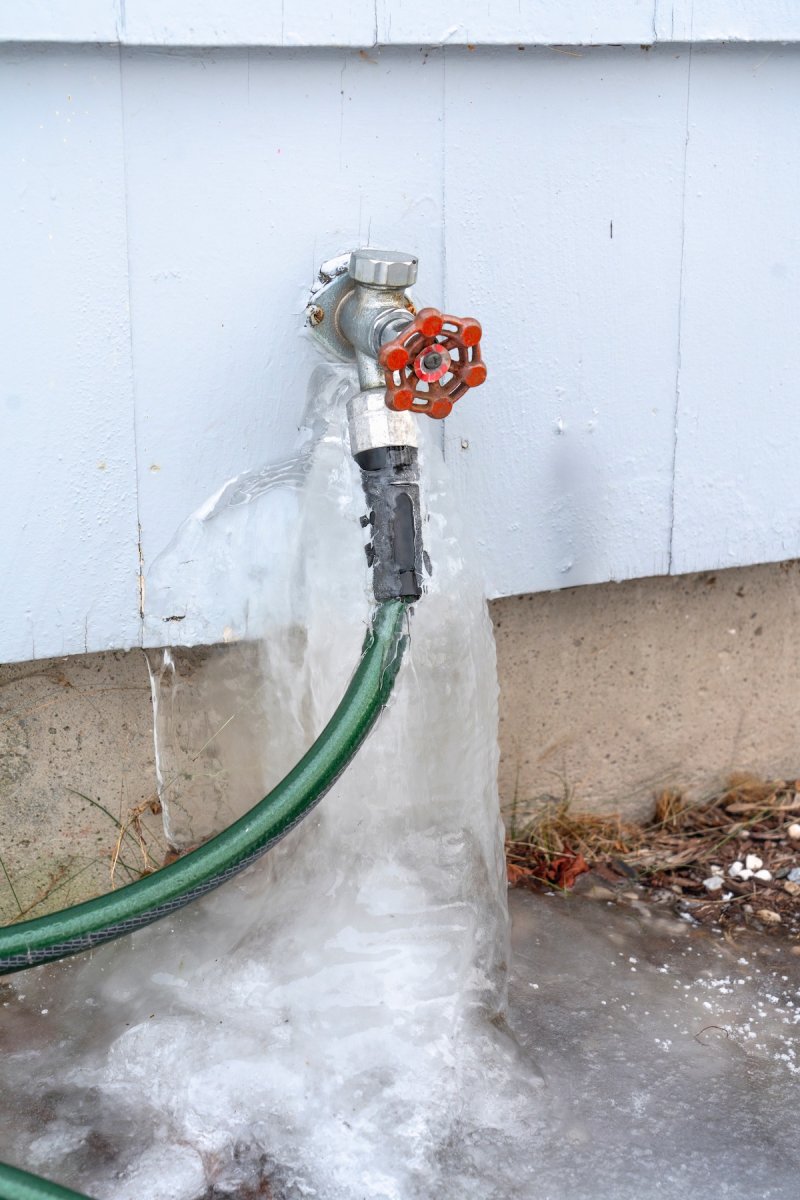
Outdoor spigots, or sillcocks, are a primary source of hidden leaks during seasonal transitions. Many modern homes utilize "frost-proof" spigots, which feature a long stem that shuts off the water deep inside the heated interior of the wall. However, if a garden hose is left attached during a freeze, water remains trapped inside the pipe. When this water freezes, it expands and splits the copper tubing.
The failure is often invisible because the leak only occurs when the valve is opened in the spring. As the homeowner waters the garden, water sprays out of the split pipe inside the wall cavity, soaking the wall studs and insulation. This hidden "spray" can continue for an entire season before the homeowner notices mold growth on the interior baseboards or a musty odor in the home.
Chronology of a Leak: From Failure to Structural Damage
The timeline of water damage is remarkably consistent across different residential environments:
- 0–2 Hours: Water migrates across floor surfaces and is absorbed into furniture, carpets, and drywall.
- 2–24 Hours: Drywall begins to swell and break down; metal surfaces may start to tarnish; odors begin to develop.
- 48 Hours – 7 Days: Mold and mildew growth becomes visible and begins to release spores; wood begins to swell and warp; paint blisters; structural integrity of subfloors is compromised.
- 1 Week+: Structural members (studs and joists) may experience rot; mold colonization becomes a significant health risk; remediation costs increase exponentially as "tear-out" becomes necessary.
Professional Recommendations and Technological Solutions
In response to the rising costs of water damage, the plumbing and insurance industries have moved toward proactive technological solutions. Smart leak detection systems, such as those that monitor ultrasonic waves or flow rates at the main water meter, can now identify a leak as small as a single drop per minute. Many of these systems are equipped with automatic shut-off valves that can terminate the home’s water supply the moment an anomaly is detected.
Official responses from organizations like the International Association of Plumbing and Mechanical Officials (IAPMO) emphasize the importance of regular "plumbing audits." These audits include checking the water meter for movement when all valves are closed, inspecting appliance hoses for cracks, and ensuring that all outdoor spigots are properly winterized.
Broader Impact and Implications
The cumulative effect of hidden residential leaks extends beyond individual property damage; it impacts municipal infrastructure and environmental sustainability. In regions facing chronic drought, such as the American Southwest, domestic water waste places an unnecessary strain on dwindling reservoirs and aging treatment facilities. Furthermore, as utility companies raise rates to fund infrastructure repairs, the financial burden on homeowners with undetected leaks continues to grow.
Ultimately, the transition from a "reactive" to a "preventative" maintenance mindset is the only effective defense against the damage caused by hidden leaks. By treating the home’s plumbing as a critical infrastructure system requiring regular inspection—rather than a "set and forget" utility—homeowners can protect their equity, their health, and the environment. The data is clear: the cost of a proactive $15 hose replacement or a $5 wax ring is negligible compared to the five-figure devastation of a neglected failure.