admin
admin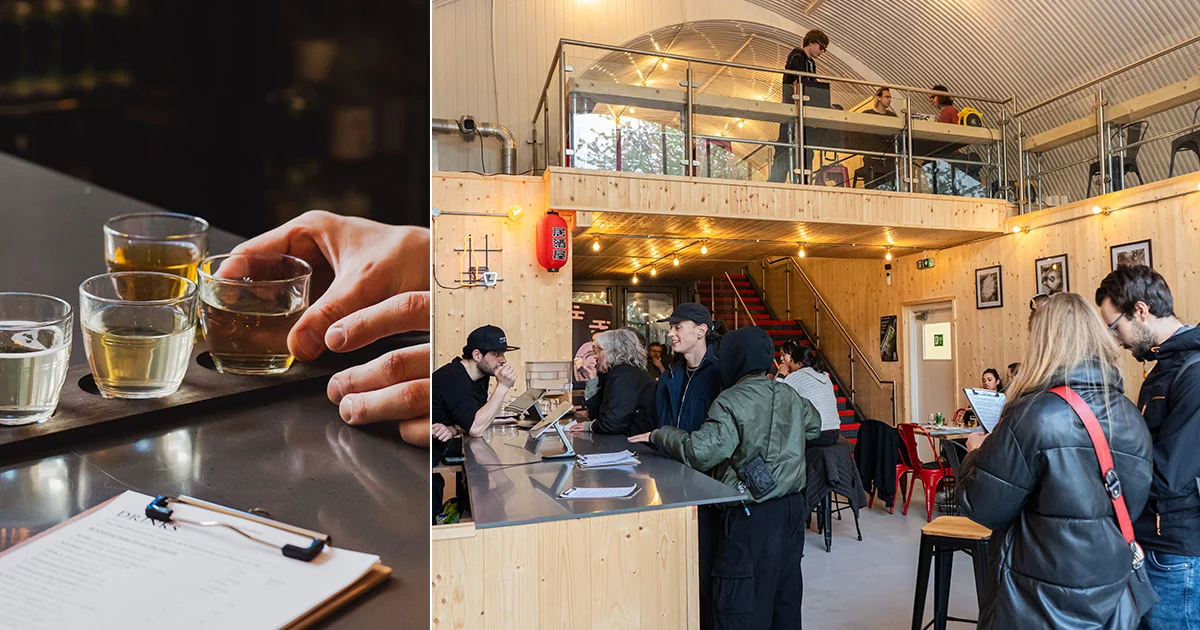
The international beverage landscape is currently witnessing a transformative shift as the traditional Japanese art of sake brewing integrates with the vibrant culture of Western craft beer. Across the United States and the United Kingdom, a new generation of "kurabito"—sake brewers—is moving the ancient rice-based beverage out of the exclusive confines of high-end sushi restaurants and into the communal atmosphere of the modern taproom. By utilizing hops, experimental yeasts, and collaborative brewing techniques, producers such as Sango Kura in Pennsylvania, Kanpai in London, and Nova Brewing in California are successfully creating "sake segue" products designed to appeal to the adventurous palates of craft beer enthusiasts. This convergence represents more than a culinary trend; it is a sophisticated rebranding of sake as an accessible, versatile, and locally produced craft beverage that honors Japanese tradition while embracing Western innovation.
The Evolution of Domestic Sake Production and the Sango Kura Model
The journey of Jason Cooper, the founder of Sango Kura, serves as a quintessential case study for the burgeoning domestic sake movement. Cooper’s immersion into Japanese culture began two decades ago during his tenure at a language school in Kyoto. What started as a personal fascination evolved into a professional pursuit, beginning with a food truck, Wabi Sabi Kitchen, and eventually culminating in the establishment of Pennsylvania’s first sake brewery. Sango Kura opened its doors in Delaware Water Gap in July 2018, with the first sake pours occurring in November of that year.
The choice of location was not merely aesthetic; it was a decision rooted in the fundamental chemistry of fermentation. In Japan, sake breweries are historically situated near pristine water sources, as the mineral content of the water dictates the clarity and mouthfeel of the final product. The Delaware Water Gap provides the soft, high-quality water necessary for producing delicate Junmai (pure rice) styles. Cooper’s approach to bridging the gap between beer and sake is most evident in his Junmai Ginjo, which is dry-hopped with Galaxy and Mosaic hops. These varieties, staples of the New England IPA movement, provide a floral and fruity aromatic profile that offers a familiar entry point for beer drinkers.
In 2022, Cooper expanded the business by launching Rewind Brewing in collaboration with his wife, Melissa Hirschhorn. This dual-concept model—offering both traditional beer and craft sake—allows the establishment to operate as a cultural hub. The culinary component is equally vital; Sango Kura features an izakaya-style menu where handmade noodles and small plates complement the beverage program, mirroring the social drinking culture of Japan.
The Science of Koji and the Rigor of the Craft
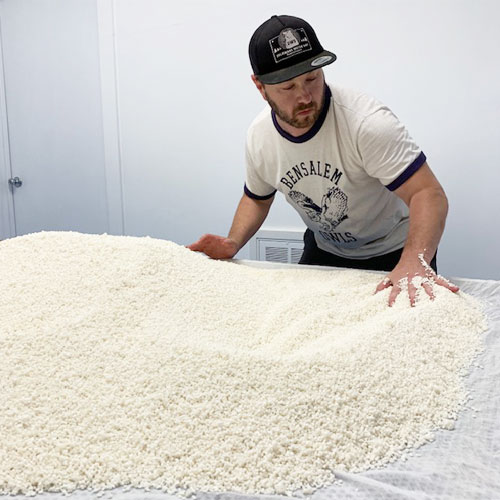
The technical complexity of sake production often exceeds that of beer brewing, primarily due to the role of "Koji" (Aspergillus oryzae). While beer relies on the malting process to convert starches into fermentable sugars, sake utilizes a process called multiple parallel fermentation. Koji, a mold culture, is grown on steamed rice to break down starches into sugar, while simultaneously, yeast converts those sugars into alcohol.
At Sango Kura, the production of Koji is an intensive, manual process conducted in a specialized, sterile room known as a "muro." The team soaks and steams rice before transferring it to the muro, which is maintained at approximately 100 degrees Fahrenheit for three days. The process requires constant monitoring; Cooper often resides at the brewery during active fermentation to make minute temperature adjustments. This level of dedication highlights the "craft" nature of the industry, where small-batch quality is prioritized over industrial scale.
Strategic Positioning: Kanpai and the Bermondsey Beer Mile
Across the Atlantic, the London-based brewery Kanpai has pioneered a similar path. Founded in 2016 by Tom Wilson and Lucy Wilson, Kanpai—which translates to "cheers" in Japanese—was born from a desire to create an accessible, British-made sake. Originally located in Peckham, the brewery made a strategic move to Bermondsey in 2023. This relocation placed Kanpai in the heart of the "Bermondsey Beer Mile," a famous stretch of railway arches housing numerous craft breweries and taprooms.
By positioning a sake brewery within a concentrated hub of beer tourism, Kanpai has tapped into a demographic of "curious and discerning drinkers." Tom Wilson, the head brewer, notes that the taproom environment makes sake feel familiar to beer drinkers. Kanpai’s focus on "nama" sake—unpasteurized, raw sake—is a significant draw. Because nama sake is enzymatically active and highly perishable, it is rarely exported from Japan in its optimal state. Providing fresh, draft nama sake in London offers a unique value proposition that aligns with the "drink local" ethos of the craft beer community.
Kanpai has further cemented its ties to the beer world through collaborations. A notable example is "Shiro," a Japanese white ale produced with Surrey-based brewery By The Horns. This hybrid beverage utilizes rice, shiso, and yuzu, blending the botanical complexity of sake ingredients with the refreshing profile of a wheat beer. Their product range also includes experimental offerings like a sparkling sake dry-hopped with Nelson Sauvin and a 16.5% ABV white koji sake, which produces citric acid to mimic the crisp acidity of a dry white wine.
Technological Innovation at Nova Brewing Company
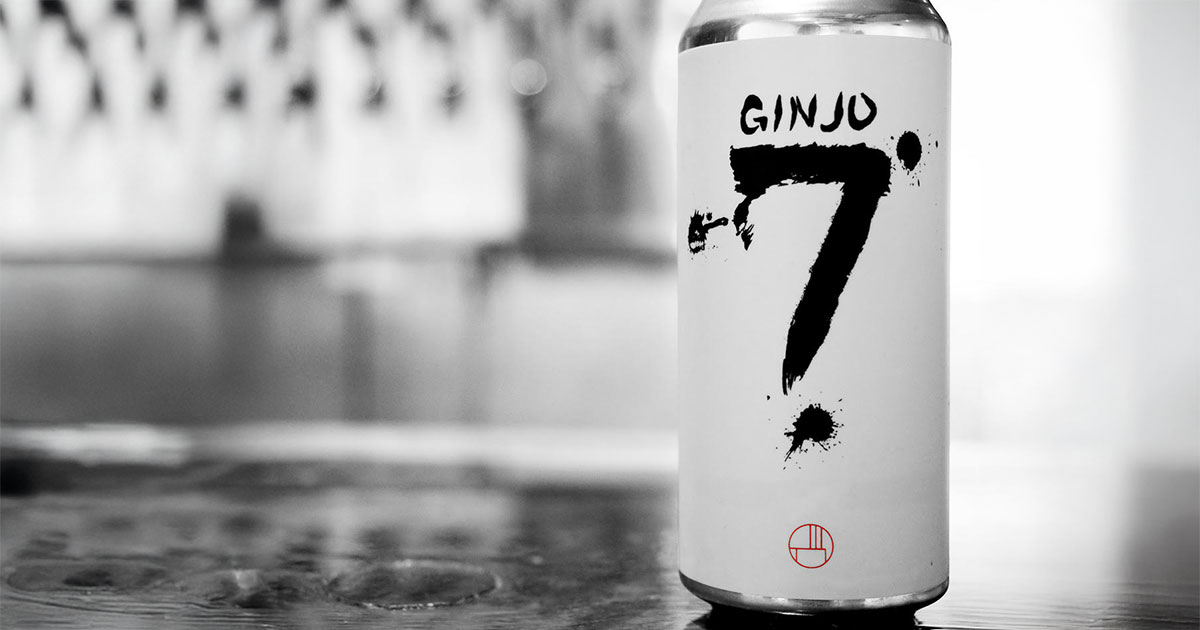
In Covina, California, Nova Brewing Company has adopted a scientific approach to bridging the two fermentation worlds. After taking over a facility formerly occupied by REV Brewing Company in 2019, founder and head brewer James Jin began experimenting with the "Ginjo 7" project. This initiative involves brewing traditional beer using sake yeast, specifically Kyokai #701.
Jin discovered that sake yeast, when applied to a beer wort consisting of pilsner malt and steamed rice, produces fruity esters and aromatic profiles reminiscent of Belgian ales. Because sake yeast can withstand the cold temperatures typical of lager fermentation, it allows for a clean, crisp finish. This "cross-fermentation" strategy serves two purposes: it creates a unique product for beer fans and eliminates the risk of cross-contamination between beer and sake production lines within the same facility.
Nova Brewing also emphasizes the importance of "Seimaibuai," or rice polishing. Their flagship "Gravity" sake uses California-grown Calrose rice polished to 50%. The polishing process removes the outer layers of the rice grain containing proteins and fats that can lead to "off" flavors. By achieving a 50% polish, Nova produces a "Daiginjo" grade sake that is light, refined, and highly aromatic, challenging the misconception that all domestic sake is harsh or overly potent.
Chronology of the Modern Craft Sake Movement
To understand the current momentum, it is necessary to look at the timeline of the industry’s development outside of Japan:
- 2010–2015: The "First Wave" of modern US craft sake begins with pioneers like Moto-i in Minneapolis and Ben’s Tune-Up in Asheville, proving that the brewpub model can work for sake.
- 2016: Kanpai is founded in London, marking a major milestone for the European craft sake scene.
- 2018: Sango Kura opens in Pennsylvania, and Kanpai launches its first dedicated taproom in Peckham.
- 2019: Nova Brewing is established in California, focusing on the intersection of sake yeast and craft beer styles.
- 2020–2021: Despite the global pandemic, domestic sake sales see an uptick as consumers explore specialized home-delivery options and "nama" varieties.
- 2022: Sango Kura integrates Rewind Brewing, formalizing the dual-brewery business model.
- 2023: Kanpai moves to the Bermondsey Beer Mile, signaling the full integration of sake into the mainstream craft beer tourism circuit.
Supporting Data and Market Analysis
The growth of local sake production coincides with a record-breaking era for Japanese sake exports. According to data from the Japan Sake and Shochu Makers Association, exports of sake reached a record high for the 13th consecutive year in 2022, with total value exceeding 47 billion yen (approximately $315 million USD). The United States remains the largest market for these exports.
However, the "craft" segment—locally produced, small-batch sake—is carving out its own niche. The Sake Brewers Association of North America (SBANA), founded in 2019, now represents over 20 commercial sake breweries across the continent. This growth is fueled by a shift in consumer demographics; while sake was once consumed primarily by older generations in formal settings, the current growth is driven by Millennials and Gen Z consumers who value transparency, local sourcing, and flavor innovation.
Analysis of Implications and the "Sake Segue"
The success of these breweries suggests a permanent shift in how fermented beverages are marketed. The "sake segue" mentioned by Jason Cooper is a strategic recognition that consumer education is the primary barrier to entry. By utilizing the "taproom" format—which encourages flights, guided tastings, and casual social interaction—brewers are demystifying a product that has long been viewed as intimidating or overly traditional.
The implications for the broader beverage industry are significant. As craft beer faces market saturation in many regions, the inclusion of sake offers breweries a way to diversify their portfolios and attract "crossover" drinkers—those who enjoy craft beer, natural wine, and artisanal spirits. Furthermore, the focus on gluten-free ingredients (as sake is naturally gluten-free) aligns with health-conscious consumer trends.
The convergence of these two worlds also fosters a deeper cultural exchange. Western brewers are traveling to Japan to study under master "Tojis" (head brewers), while Japanese breweries are increasingly looking at Western dry-hopping and barrel-aging techniques to modernize their own offerings.
Conclusion: A New Era of Fermentation
The work being done at Sango Kura, Kanpai, and Nova Brewing represents the vanguard of a global movement. By honoring the rigorous technical standards of Japanese tradition while adopting the experimental spirit of the craft beer revolution, these producers are ensuring that sake has a bright future in the global market. The transition from a niche import to a local craft staple is well underway, driven by the belief that a well-crafted beverage, whether made from barley or rice, has the power to bring people together in the spirit of "Kanpai."