admin
admin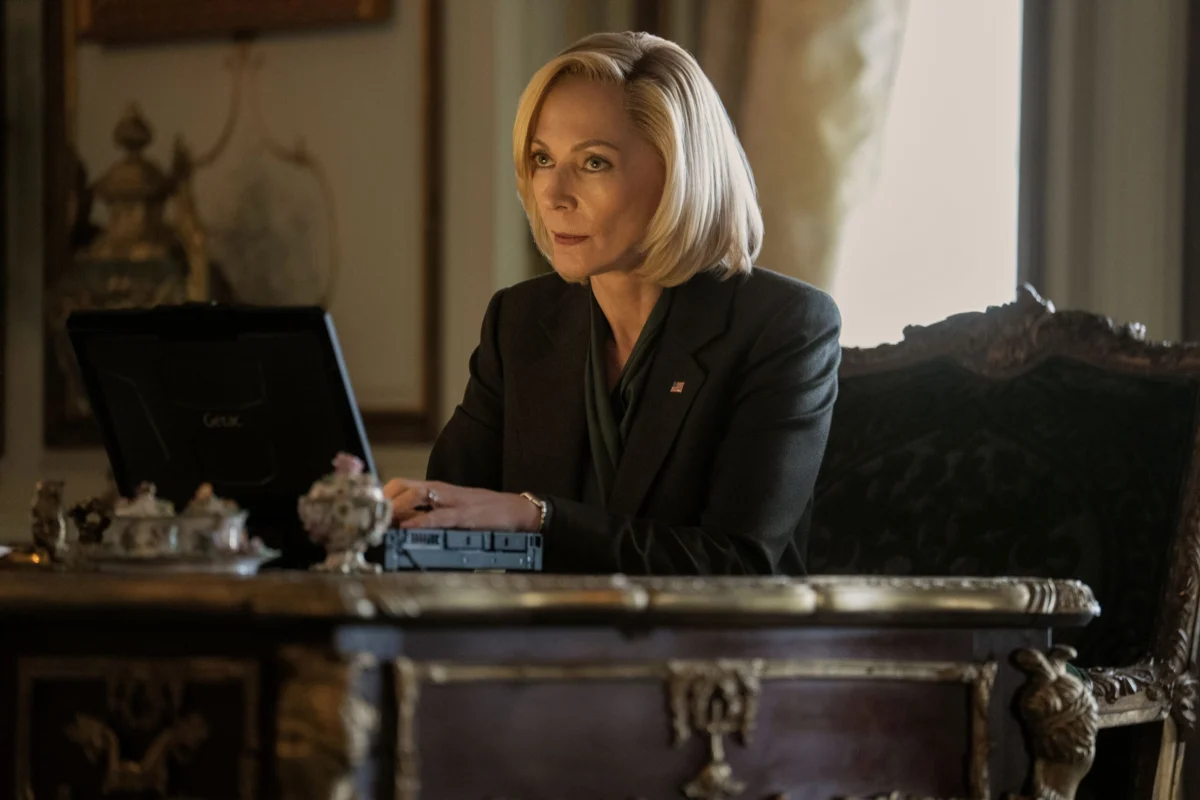
The acclaimed Netflix political drama, The Diplomat, returns for its fourth season, plunging viewers back into the intricate world of international relations, personal betrayals, and the often-unseen machinations of global power. This season, the narrative expands its geographical footprint, weaving a complex tapestry of political intrigue across iconic European landmarks and meticulously crafted studio sets. Production designer Curt Beech offers an exclusive look behind the scenes, revealing the real-world inspirations and creative choices that bring the show’s dramatic confrontations and clandestine meetings to life. This season, a dramatic assassination attempt on the US President sets a volatile tone, propelling the characters from the historic grounds of Windsor Castle to the diplomatic corridors of Washington D.C. and culminating in a tense G7 summit in the heart of Italy.
A Season of Global Stakes and Strategic Backdrops
The Diplomat has consistently distinguished itself by its portrayal of diplomacy not as a personal journey, but as a series of encounters within spaces that are rarely owned, only visited. This season amplifies this theme, as Production Designer Curt Beech explains, "The series is about bringing the characters together physically but never emotionally in spaces the public doesn’t get to see. The places may be historical, but they’re almost never personal. That is what’s so different about this show from a design standpoint. Usually, we’re creating someone’s bedroom or their house, and we dig into their family history and who they are and what they like. We don’t get any of that here because the spaces that they inhabit are not theirs. They are almost always visitors." This approach lends the series a unique gravitas, emphasizing the transient and often impersonal nature of high-level diplomatic work.

Windsor Castle: The Epicenter of an Assassination Attempt
Season four opens with a shocking incident that reverberates through the political landscape. In the premiere episode, U.S. President Grace Penn, portrayed by Allison Janney, survives a brazen assassination attempt just as she is departing Windsor Castle. This pivotal event sets in motion a chain of increasingly erratic behavior from the President, creating profound uncertainty for her husband Todd (Bradley Whitford), Vice President Hal Wyler (Rufus Sewell), and U.S. Ambassador to the UK, Kate Wyler (Keri Russell).
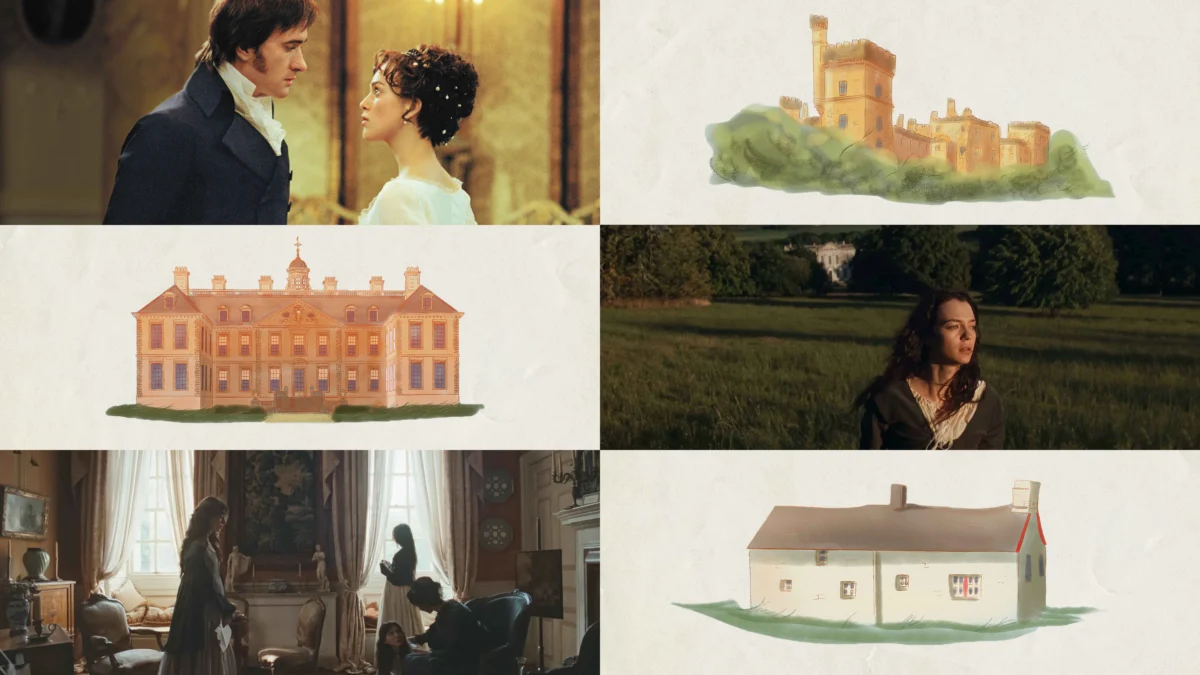
The production team undertook a monumental task to recreate the grandeur and historical significance of Windsor Castle. Beech reveals that the iconic fortress was a composite of nine distinct locations. The exterior shots and the inner courtyard were filmed at the magnificent Burghley House, a stately home in Lincolnshire known for its architectural splendor. For the interior scenes, a variety of prestigious venues were utilized, including Belvoir Castle in Leicestershire, Lancaster House in London (often used for filming historical dramas due to its opulent interiors), and the British Foreign Office. To further enhance the sense of place and the urgency of the situation, American locations were also incorporated. Woolworth Estate, St. Josaphat Monastery Library, and Sleepy Hollow Country Club in New York served as stand-ins for certain White House-related environments. The dramatic scene where Kate and Hal are forced into lockdown following the shooting was filmed in the crypt of a church on Manhattan’s Upper West Side, adding a somber and confined atmosphere to their immediate crisis.
Beech elaborates on the design philosophy for Windsor Castle, noting, "It’s a lot of different architectural styles, but that is typical of these houses. Windsor has a bunch of things going on because these houses are very, very old, and they’ve been built during different centuries with different people in charge of the construction. We embraced that. We also have a mix of things that are accurate to Windsor Castle and things that aren’t." This approach acknowledges the historical layering of such significant landmarks while prioritizing the dramatic needs of the narrative.

Marine One and the Aircraft Carrier: A Race Against Time
In the immediate aftermath of the assassination attempt, President Penn is airlifted via Marine One to a docked U.S. aircraft carrier for urgent surgery. The production team ingeniously recreated this high-stakes scenario. The helicopter landing sequence was filmed in the parking lot of Steiner Studios in New York, providing a controlled environment for the aerial maneuvers. The interior of the aircraft carrier, including the medical bay, was meticulously constructed within a Marine training facility also located in New York City.
Beech details the technical challenges and creative solutions involved in filming the Marine One sequence: "We did real takeoffs and landings with the helicopter. While it was on the ground, we dressed the interior because Marine One feels like a private jet inside. It’s very luxurious and well appointed. But you can’t add weight to a helicopter like that without going through a lot of different FAA approvals, so we couldn’t keep it dressed while flying." This statement highlights the complex interplay between creative ambition and regulatory constraints in modern filmmaking. The luxurious interior of Marine One, designed to evoke the comfort and exclusivity of a private jet, underscores the unique privileges and pressures associated with presidential travel.
Winfield House: The Ambassador’s Residence
The official residence of the U.S. Ambassador to the UK, Winfield House, continues to be a significant setting in The Diplomat. As in previous seasons, the exterior shots were filmed at Wrotham Park, a magnificent Palladian mansion in Hertfordshire, England. This estate has served as a backdrop for numerous films and television shows, lending an air of established prestige.

The interior of Winfield House presents a fascinating design challenge, as Beech explains the division of filming locations: "There’s a blue room, a library, and a red room in the real building. The foyer is also there. The green room, the Wedgewood hallway, and the blue study are on stage in New York." This indicates a strategic blend of practical shooting at Wrotham Park and set construction at Steiner Studios to capture the essence of the ambassadorial residence. The coordination required to maintain the illusion of a single, cohesive location is considerable. "It takes a lot of coordination to keep track," Beech admits. "The actors are incredible because they’re able to tap back into whatever they were doing at that moment two months ago, and make it feel like they just turned the corner and are walking into a room." This highlights the actors’ remarkable ability to immerse themselves in the narrative and seamlessly transition between different filming environments.
The U.S. Embassy in London: A Modern Diplomatic Hub
The U.S. Embassy in London, located in the Nine Elms district, serves as another recurring and vital setting. Originally constructed on a soundstage in London for earlier seasons, the set was relocated to Steiner Studios for Season 3 and meticulously rebuilt. For Season 4, minimal changes were made to the existing set. "We moved some furniture around to get better lighting, but nothing major has changed in those spaces," Beech notes.
In a particularly poignant moment, the production team managed to film a scene directly outside the actual U.S. Embassy in Nine Elms. This scene features CIA station chief Eidra Park (Ali Ahn) and deputy chief Stuart Hayford (Ato Essandoh). Beech shares his enthusiasm for this opportunity: "That was right around the corner from the embassy, which was incredible to see. That building is in so many different shows now and it’s beautiful." The modern architectural design of the Nine Elms embassy has made it a sought-after location for productions, symbolizing a contemporary approach to diplomatic representation.

Eidra’s Apartment: A Stark Reflection of a Transient Life
In contrast to the grand official residences, Eidra Park’s apartment in Tribeca, New York, offers a rare glimpse into a character’s personal space, albeit one that reflects the transient nature of her profession. This apartment, where Stuart Hayford eventually moves in as their relationship develops, was filmed in a real Tribeca residence.
Beech describes the design of Eidra’s apartment as a deliberate choice to mirror her professional life: "This is another space that’s personal, but not. We told the story that she moves a lot for the safety of her position. She’s never in the same place for very long. So it’s very stark and doesn’t have a lot of personality." The minimalist aesthetic and lack of personal adornments are visual cues to Eidra’s constant state of flux and the professional sacrifices she has made. This starkness serves as a counterpoint to the opulent settings of the diplomatic world, highlighting the personal toll of her demanding career.
The White House: A Reimagined Seat of Power
The White House, the ultimate symbol of American executive power, undergoes subtle yet significant alterations in Season 4. Production designer Curt Beech opted to move away from the familiar Oval Office set, instead focusing on President Penn’s private study.

"The president typically does have a study, and it’s right off the Oval Office, but it’s very small," Beech explains. "You see lots of pictures of Obama sitting in his. We made a very large study for her that has three separate zones—a work zone, a meeting zone, and a power zone where her desk is. That does not exist in the real White House, but it does in our White House." This creative liberty allows for a more dynamic and visually engaging portrayal of presidential decision-making, creating distinct areas within the study to facilitate different types of interactions and strategic planning.
Furthermore, a scene depicting Todd Penn swimming laps in the White House pool, a feature not present in the actual building, was filmed in the basement of the historic Woolworth Building in Tribeca. Beech provides fascinating historical context: "There used to be a pool years and years ago in the White House. They plastered it over, and it’s now the press briefing room. But you see in the old pictures there was a really beautiful room with arched windows and that’s where the pool was." This detail adds a layer of historical verisimilitude to the fictionalized setting, suggesting that the production team draws inspiration from the building’s past.
10 Downing Street: The Heart of British Politics
10 Downing Street, the official residence and workplace of the British Prime Minister, has been a fixture in previous seasons. However, for Season 4, a new set was constructed. Beech explains, "That was filmed at a location in the UK that was no longer available, so we built it on our stage." This shift to a studio build allowed for greater control over the set’s design and functionality.

Adding another layer of authenticity, the iconic staircase of 10 Downing Street was recreated using the Steinway Mansion in New York. This historic Queens residence, known for its distinctive architectural features, provided the perfect visual element to capture the grandeur of the British political heart.
The show also subtly reflects shifts in power within the British government. When a new Prime Minister takes office mid-season, the set of 10 Downing Street undergoes minor adjustments to signify the transition. "It got a bit more sparse, indicating that she had just gotten there," Beech notes. "They had moved him out; she hadn’t completely moved in yet. So some pictures are off the walls, and the lamp on his desk changed. It’s small stuff." These nuanced changes underscore the meticulous attention to detail in the production design, aiming to enhance the narrative’s realism.
The exterior of 10 Downing Street presented its own set of logistical challenges. Filmed outside the British Foreign Office in London, the production team employed a creative combination of practical effects and digital enhancement. "We wound up building the doorway and the lectern in a parking lot in Brooklyn with a green screen, and then we added it together with what we shot in London on that street," Beech explains. This sophisticated post-production technique allows for the seamless integration of disparate filming locations, creating a believable representation of a world-renowned landmark.

The Prime Minister’s Residence: A Rare Personal Sanctuary
In a departure from the show’s usual focus on impersonal diplomatic spaces, Kate Wyler visits the newly appointed British Prime Minister at their family home. This provides a rare opportunity to explore a character’s private life and domestic setting. The production utilized two distinct locations to create this sprawling manor house. The entrance and gate were filmed at Ingatestone Hall in Essex, England, a historic manor house with significant grounds. The interior scenes were then shot in a house on Long Island, New York.
Beech sheds light on the design narrative for this location: "In England with these huge estates, it’s very expensive to keep them going, so the family compresses to living in one wing of the house. We wanted to tell that story about her house, and there’s a coldness to it. Her office space is in a room that is gigantic for an office. And there are heaters everywhere." This description emphasizes the contrast between the grandeur of the estate and the practical realities of its inhabitants, suggesting a sense of faded opulence and the ongoing struggle to maintain such a large property. The strategic placement of heaters hints at the challenges of keeping such vast spaces comfortable, adding a subtle layer of realism to the portrayal of a privileged yet perhaps strained domestic environment.
Lucca, Italy: The G7 Summit and the Season Finale
The dramatic arc of The Diplomat Season 4 culminates in a gripping summit of the G7 nations held in the picturesque city of Lucca, Italy. The production spent six weeks filming across eight distinct locations within and around the historic Tuscan city, immersing the characters and the audience in a setting of immense cultural and political significance.

Key filming sites included Villa Viesca, the former summer residence of fashion icons Salvatore and Wanda Ferragamo, and Dimora Ghirlandaio, a luxurious resort in Tuscany. These locations served as the villas where the American envoy resided during the summit. The high-stakes G7 meetings themselves were staged at several grand historical villas, including the recently restored Villa Reale di Marlia, Villa Medici in Poggio a Caiano, and Villa Medicea La Petraia. These magnificent settings, steeped in history and architectural beauty, provide a visually stunning backdrop for the intense diplomatic negotiations and personal conflicts that unfold.
Beech recounts the decision-making process for selecting these locations: "We were going to play Florence for Lucca, but we leaned into Lucca as Lucca, and it felt better and more authentic. We went to the Pitti Palace in Florence and determined that it wasn’t right. Most of the time, the vibe is very modern in these meetings. We decided to make it very classical. We embraced the vibe of this incredible room with floor-to-ceiling frescoes, and we built custom desks that had little fresco elements that matched the walls. These meetings are very bespoke, so everything is always created for them. We did that, but in a slightly different manner." This statement underscores the production’s commitment to authenticity and its ability to adapt historical settings to serve the narrative’s needs. The decision to lean into Lucca’s unique character rather than a more generic Florentine backdrop ultimately enriched the visual storytelling. The creation of custom desks adorned with fresco elements further emphasizes the bespoke nature of international diplomacy, where every detail, no matter how small, can be a reflection of power and prestige. The season’s conclusion in this historically rich Italian setting leaves viewers on the edge of their seats, anticipating the consequences of the season’s dramatic events and the future of international relations depicted in The Diplomat.