admin
As the proliferation of cordless tools, smart home devices, and high-performance electronics continues to outpace the electrical infrastructure of modern and aging homes alike, the demand for reliable power distribution solutions has reached an all-time high. To address this growing necessity, a comprehensive industry assessment was conducted to identify the premier power strips currently available on the market. Following an exhaustive research phase that scrutinized over 35 leading models, a selection of 15 top-tier units underwent rigorous hands-on testing. The results of this evaluation highlight a shift in consumer needs, moving beyond simple outlet expansion toward specialized features such as magnetic mounting, weather resistance, and advanced surge suppression.
The Evolution of Power Management in the Modern Home
The role of the power strip has evolved significantly over the last decade. Historically viewed as a basic utility for doubling the capacity of a wall outlet, modern power strips are now expected to serve as sophisticated hubs for energy management. In 2026, the integration of USB-C rapid charging, smart technology, and industrial-grade durability has become the standard for high-end models.
According to electrical safety data, the average household now manages between 15 and 25 connected devices at any given time. This surge in connectivity has placed a premium on safety features. Industry experts note that the risk of electrical fires—often caused by overloaded circuits or the improper use of low-quality extension cords—makes the selection of a high-quality, UL-certified power strip a matter of home safety rather than mere convenience.
Methodology: Two Weeks of Rigorous Field Testing
The testing phase for the 2026 power strip lineup spanned a two-week period, designed to simulate real-world usage in various environments, including home offices, workshops, and outdoor settings. Led by veteran product testers Glenda Taylor and Tony Carrick, the evaluation focused on four primary metrics: design, durability, performance, and value.
The process began with a market-wide scan of over 35 products, filtering for those with high consumer ratings and verified safety certifications. The final 15 models were then subjected to three specific performance tests:
- Load Distribution: Assessing how well the strip accommodates various plug sizes, including large "wall wart" adapters and grounded three-prong plugs.
- Mounting Stability: Evaluating the strength of magnets, keyhole slots, and clamps under the weight of multiple heavy-duty cords.
- Durability Stress Test: Monitoring for heat buildup during sustained use and assessing the impact resistance of the housing materials.
Top Performers: The DeWalt Magnetic Power Strip Leads the Market
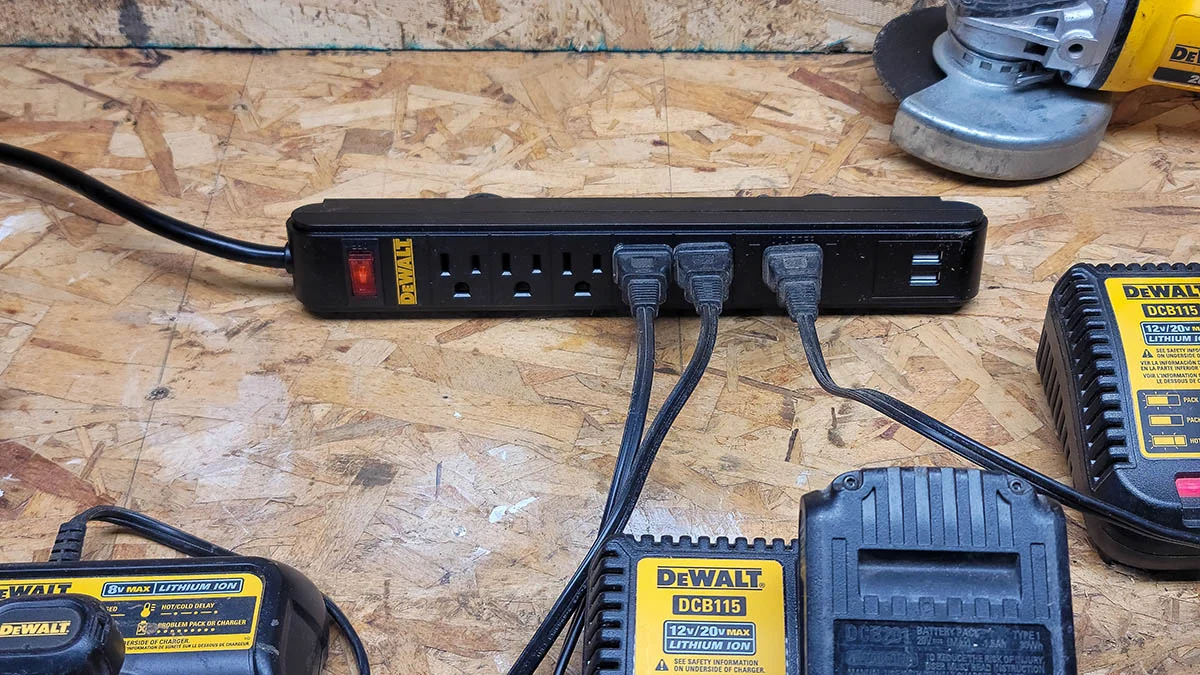
The standout performer in the 2026 testing cycle was the DeWalt Magnetic Power Strip. Earning top honors for its industrial-grade build and innovative mounting system, this unit is specifically designed for the rigors of a workshop. The inclusion of two ultra-strong magnets on the rear housing allows the strip to adhere firmly to tool chests and metal workbenches, solving the common problem of power strips sliding onto the floor or becoming tangled in machinery.
Equipped with six standard outlets and two USB ports, the DeWalt model also features a 6.5-foot heavy-duty cord. Testers noted that the master power switch provides a crucial safety layer, allowing users to cut power to all connected chargers and tools with a single action at the end of the workday.
Specialized Solutions for Home and Office
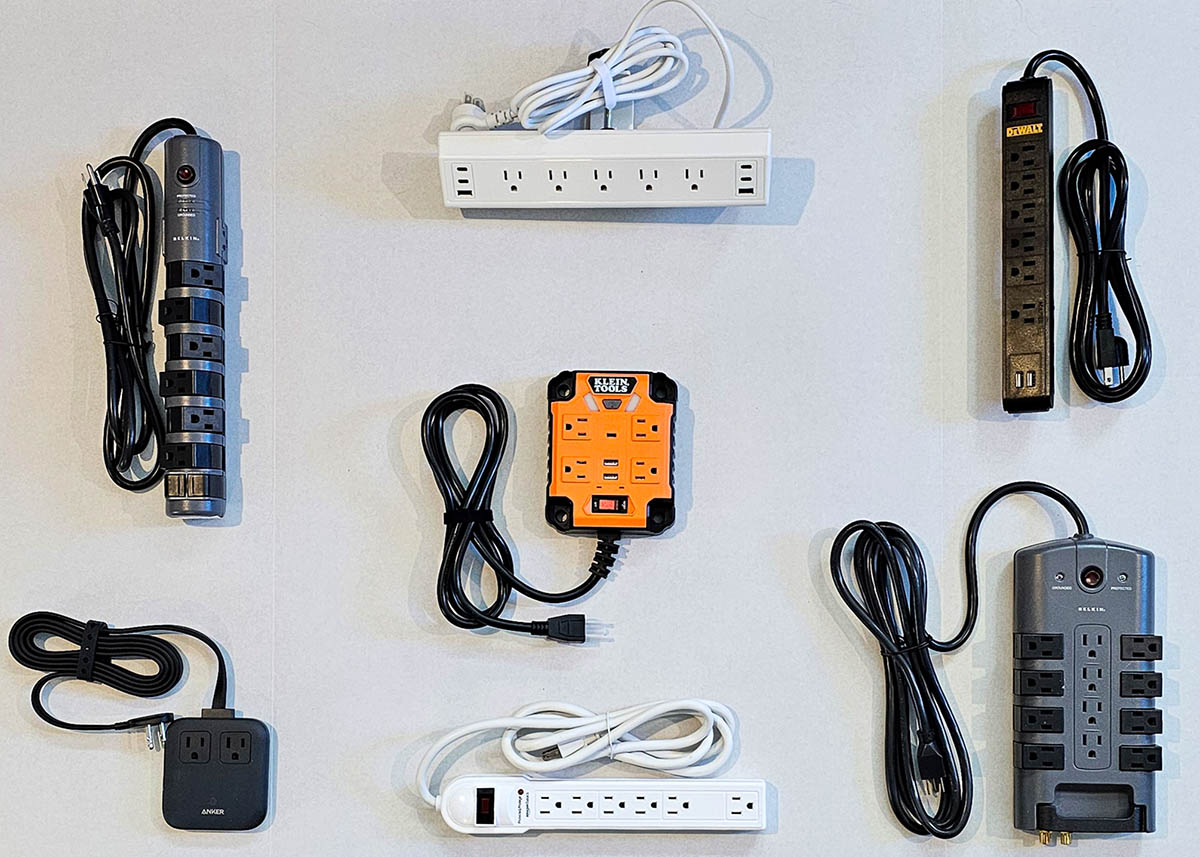
While industrial models like DeWalt and Klein Tools dominated the workshop category, other brands focused on the specific needs of the home office and media center.
Advanced Surge Suppression: The Belkin PivotPlug Series
For users protecting sensitive digital assets—such as high-end gaming PCs or home theater systems—the Belkin 12-Outlet PivotPlug Surge Protector emerged as a critical tool. With a surge suppression rating of 4,320 Joules, it offers one of the highest levels of protection against voltage spikes. The unique "pivot" design allows individual outlets to rotate, accommodating large power bricks without blocking adjacent sockets.
Organizational Efficiency: Jgstkcity Desk Clamp
The Jgstkcity Desk Clamp Power Strip was identified as the premier solution for workspace cable management. By securing directly to the edge of a desk, it brings five AC outlets and six USB ports (including four USB-C) within easy reach. This prevents the "tangle of cords" often found behind office furniture. However, testers recommended pairing this unit with a secondary under-desk surge protector for maximum safety of expensive computing peripherals.
Portability and Sustainability: Anker Nano
In the portable category, the Anker Nano 6-in-1 Power Strip was lauded for its ultra-slim profile and eco-friendly construction. Made from 75 percent recyclable materials, it features a flat-plug design and a 5-foot flexible cord that wraps around the unit for travel. While it lacks a Joule rating for high-level surge protection, its over-volt and short-circuit protection make it an ideal companion for remote workers in cafes or airports.
Outdoor and Heavy-Duty Requirements
For environments exposed to the elements or physical abuse, the 2026 lineup featured two distinct leaders.
The APS Outdoor Power Strip earned high marks for its IPX6 weather resistance rating. This certification indicates that the unit can withstand high-pressure water jets, making it suitable for use near pool decks or in rainy conditions. It features six well-spaced 3-prong outlets and three USB ports, all protected by a durable plastic housing that showed minimal wear after drop testing.
Conversely, the CRST Heavy-Duty Power Strip is designed for maximum physical durability. Featuring a 15-foot 14-gauge cord and a rugged aluminum housing, it is built for outdoor DIY projects and construction sites. While it is not water-resistant, its high-visibility yellow color and integrated cord-wrap system make it a staple for dry-weather utility work.
Technical Analysis: Understanding Surge Protection and Safety
A critical component of the 2026 assessment was the education of consumers on technical specifications. The most misunderstood metric in power management is the Joule rating.
The Significance of Joules
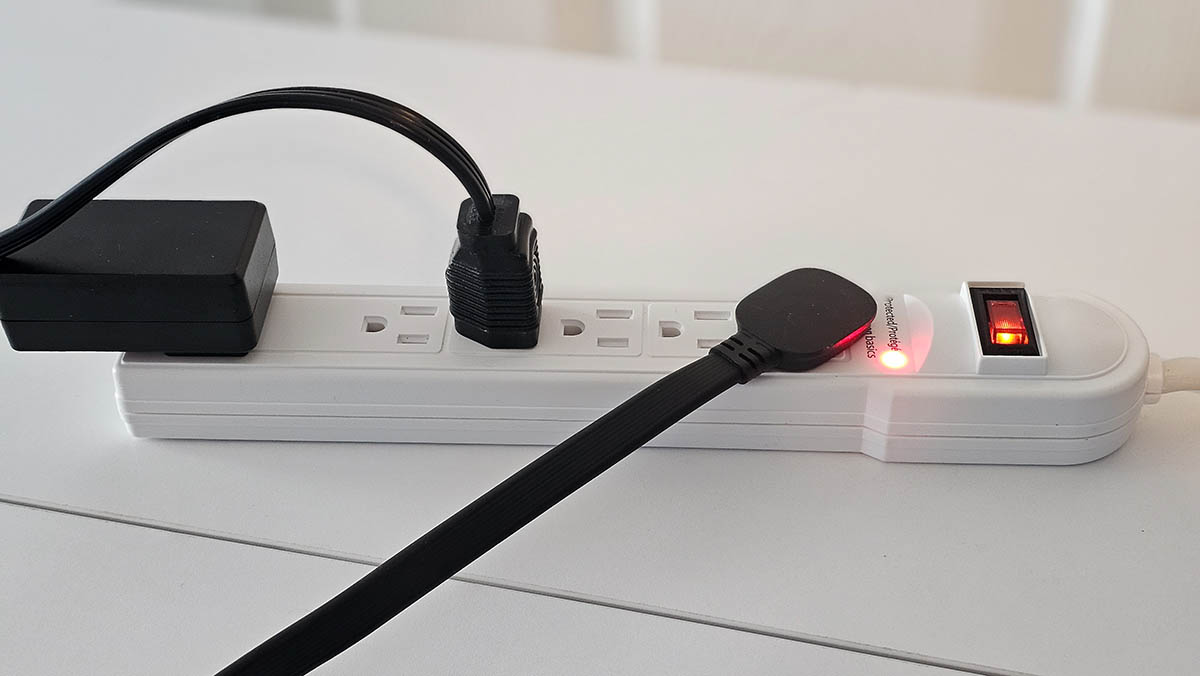
A Joule rating indicates how much energy a surge protector can absorb before it fails. For basic household items like lamps or clocks, a rating of 200 to 400 Joules is sufficient. However, for computers and home entertainment systems, experts recommend a minimum of 1,000 to 2,000 Joules. The Belkin 12-outlet model’s 4,320-Joule rating represents the "gold standard" for residential electronic protection.
IPX Ratings Explained
In the outdoor category, the "IP" (Ingress Protection) rating is the definitive measure of safety. The "6" in the APS model’s IPX6 rating specifically denotes protection against powerful water jets. Consumers are warned that any power strip used outdoors without a minimum IPX4 rating poses a significant risk of short-circuiting or electrocution.
Official Guidelines and Safety Implications
Following the testing results, safety organizations have reiterated several "never-plug" rules to prevent domestic fires. Despite the increased capacity of 2026 power strips, high-draw appliances such as space heaters, refrigerators, microwaves, and air conditioners should never be connected to a power strip. These devices draw a level of current that can cause the internal wiring of a strip to melt, even if the strip itself is rated for "heavy-duty" use.
Furthermore, the practice of "daisy-chaining"—plugging one power strip into another—remains a major violation of the National Electrical Code (NEC) and Occupational Safety and Health Administration (OSHA) regulations. Daisy-chaining creates excessive electrical resistance and can bypass the safety mechanisms of the circuit breaker, leading to rapid overheating.
Market Trends and Environmental Impact
The 2026 testing cycle revealed a growing trend toward "Smart Tech" integration. Several tested models now feature Wi-Fi connectivity, allowing users to monitor energy consumption and set schedules via smartphone apps. This technology is viewed as a key component in reducing "vampire power"—the electricity consumed by devices when they are turned off but still plugged in.
Environmental considerations are also influencing manufacturing. The Anker Nano’s use of recycled plastics marks a shift in the industry toward sustainable production. As electronics recycling becomes more strictly regulated, the use of modular designs that allow for easier repair or component recycling is expected to become a primary competitive advantage for brands in the coming years.
Conclusion and Future Outlook
The 2026 evaluation of power strips underscores a fundamental truth about modern living: as our reliance on technology grows, so does our need for safe, efficient, and specialized power distribution. From the magnetic convenience of the DeWalt workshop strip to the high-capacity surge protection of the Belkin series, the market now offers solutions tailored to every specific environment.
As we look toward the 2027 cycle, industry analysts expect to see even greater integration of USB-C Power Delivery (PD) standards, capable of charging laptops directly from the power strip without the need for bulky AC adapters. For now, the 15 models identified in this testing phase represent the pinnacle of safety and utility, providing essential infrastructure for the modern, connected home.