admin
admin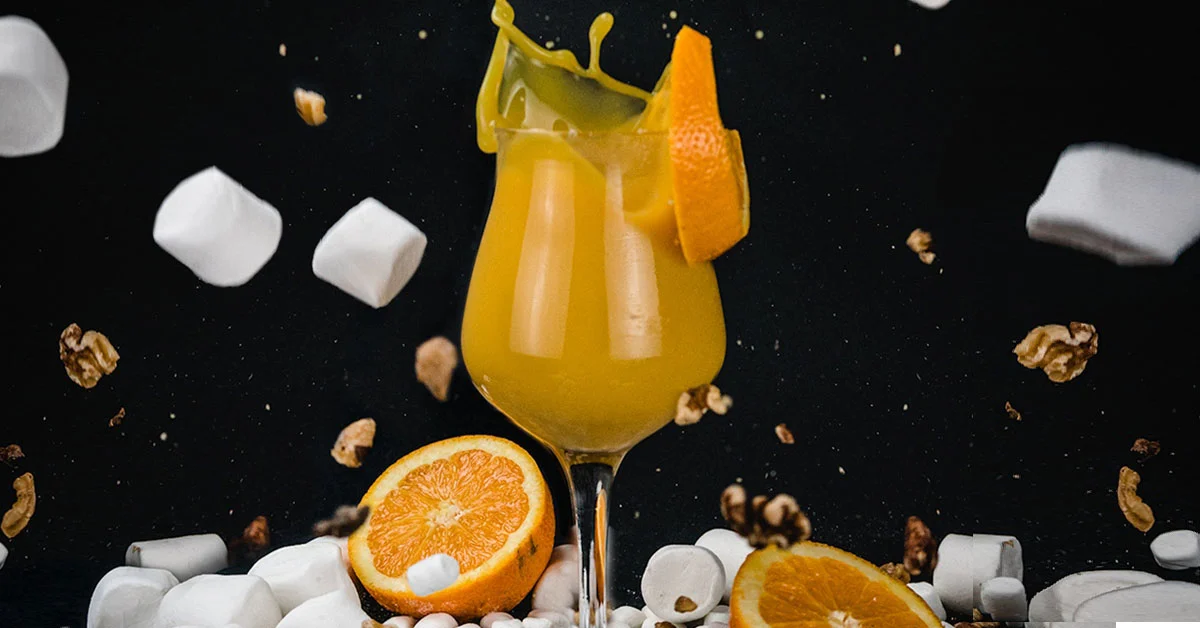
The craft beer industry, which began its meteoric rise in the United States during the 1980s and 1990s, has historically been defined by its adherence to traditional styles, such as the India Pale Ale (IPA), Stout, and Pale Ale. However, as the market reached a point of saturation in the late 2010s, with over 9,000 active breweries operating across the country, the necessity for differentiation became a primary driver of technical innovation. This competitive landscape birthed a polarizing yet commercially successful sub-genre: the smoothie sour. Characterized by high fruit content, a thick, viscous mouthfeel, and the inclusion of non-traditional "adjunct" ingredients, smoothie sours represent a significant departure from the Reinheitsgebot—the German Beer Purity Law—and signify a shift toward culinary-inspired brewing.
The Genetic Lineage of the Smoothie Sour
The emergence of the smoothie sour was not an overnight phenomenon but rather an evolutionary progression of the fruited sour category. To understand its origins, one must look at the resurgence of the Gose and Berliner Weisse styles approximately a decade ago. These traditional European ales, known for their tartness and low alcohol content, provided a canvas for American brewers to experiment with fruit additions. Initially, these additions were subtle, intended to complement the base beer’s acidity.
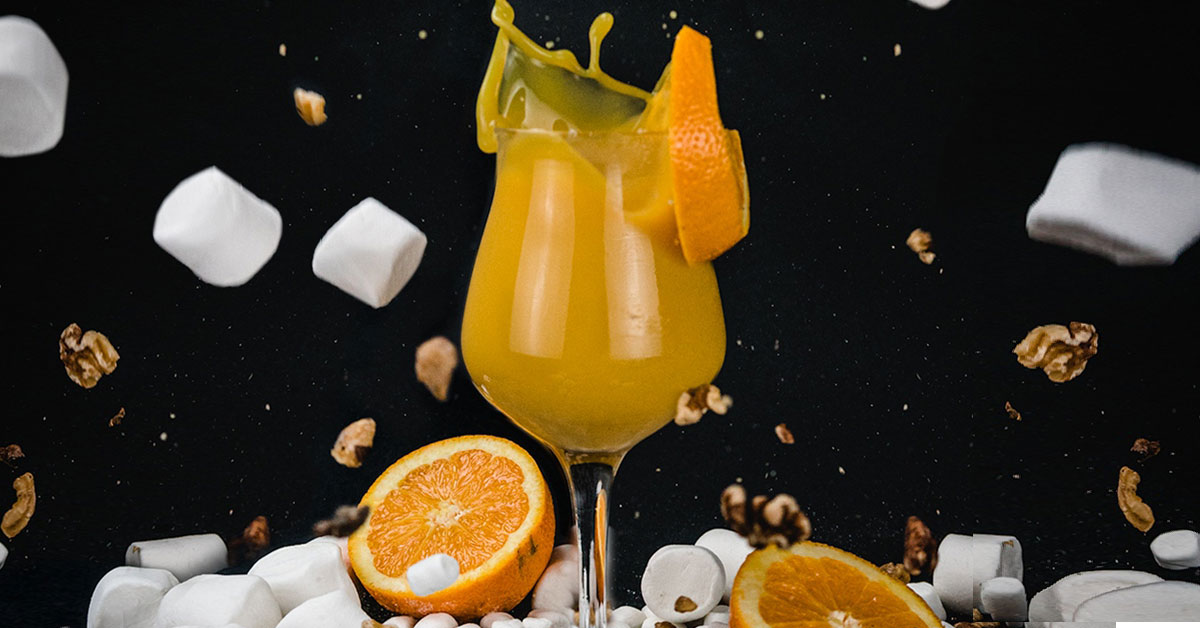
By the mid-2010s, the "kettle souring" process—a method where Lactobacillus is added to the wort before boiling to create quick acidity—allowed breweries to produce sours at a fraction of the time and cost required for traditional barrel-aged wild ales. As consumer palates moved toward more intense flavor profiles, breweries began increasing fruit dosages. The transition from "fruited sour" to "smoothie sour" occurred when brewers stopped filtering the fruit solids and began adding unfermented fruit purées, marshmallows, vanilla, and lactose after the primary fermentation process, resulting in a product that mimics the texture and flavor profile of a fruit smoothie or a liquid dessert.
Case Studies in Market Disruption: Imprint Beer Company and 903 Brewers
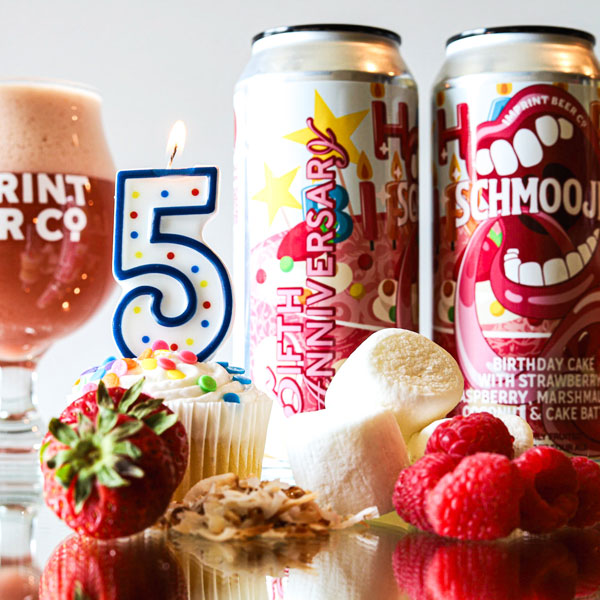
The commercial viability of this style is best exemplified by early adopters who utilized the smoothie sour to anchor their brand identities. Imprint Beer Company, located in Hatfield, Pennsylvania, emerged as a pioneer in the late 2010s. According to co-founder and brewer Ryan Diehl, the brewery’s trajectory was fundamentally altered by a single experimental release. At an event Diehl described as the company’s "coming out party," the brewery debuted "Puffsicle," a sour ale conditioned on raspberry, blueberry, pineapple, and marshmallow.
The overwhelming consumer response led to the creation of the "Schmoojee" line, which has since become a cornerstone of the brewery’s portfolio. Now celebrating over five years in operation, Imprint produces a rotating series of these beers featuring adjuncts such as cheesecake, white chocolate, and fudge. The production process for the Schmoojee line is distinct from the brewery’s standard ales; it involves an eight- to 11-day fermentation period for the base beer, followed by the integration of the souring agent and a heavy concentration of adjuncts. This model has proven so successful that the brewery now offers holiday-themed variety packs, such as the "12 Days of Schmoojee," highlighting the style’s shift from a seasonal novelty to a year-round staple.
Similarly, 903 Brewers in Dallas, Texas, turned to the smoothie sour as a means of reinvention. After six years of traditional brewing, owner Jeremy Roberts observed a shift in consumer behavior, specifically the rise of ready-to-drink (RTD) cocktails and a growing segment of the population that remained indifferent to traditional beer flavors. In an effort to capture this demographic, 903 Brewers developed a cherry limeade sour inspired by popular drive-in soda fountain drinks. The rapid sell-out of this product led to the "Slushy" line, which incorporates whimsical elements such as edible glitter and flavors like "Blueberry Donut" and "Cotton Candy." This strategic pivot illustrates how breweries are using the smoothie sour to compete not just with other beers, but with the broader beverage alcohol market.
Technical Innovations and Safety Protocols
The production of smoothie sours presents unique technical challenges, particularly regarding shelf stability and safety. Because these beers often contain high amounts of unfermented sugars from fruit purées, they are susceptible to "re-fermentation" inside the can. If left unaddressed, the CO2 buildup from active yeast consuming these sugars can lead to "exploding cans," a safety hazard that has plagued the sub-genre in its early years.
Oozlefinch Beers & Blending, based in Fort Monroe, Virginia, has focused on refining the technical execution of the style. Head brewer Logan Morris notes that the brewery views these products as more than "sweet bombs." To achieve the desired viscosity without compromising the integrity of the beverage, Oozlefinch utilizes specific yeast strains that naturally produce lactic acid and, in some instances, incorporates charcoal as a thickening agent.
A critical component of the Oozlefinch process is "back-sweetening," where flavors are added post-fermentation. To mitigate the risk of re-fermentation, the brewery employs a pasteurizer. This ensures that any remaining yeast is neutralized, allowing the beer to maintain its intended flavor profile and carbonation levels safely during distribution. This move toward pasteurization represents a maturing of the style, moving it from a "taproom-only" experiment to a viable retail product.
The Culinary Influence and the Sensory Experience
For many modern breweries, the smoothie sour is an extension of the culinary arts. Corporate Ladder Brewing in Palmetto, Florida, treats its "Dessert Station" line as a liquid interpretation of classic confections. Co-owners Blake Kleppe and James Herrholz emphasize that the goal is a specific sensory experience: the beer must taste exactly like the inspiration listed on the label.
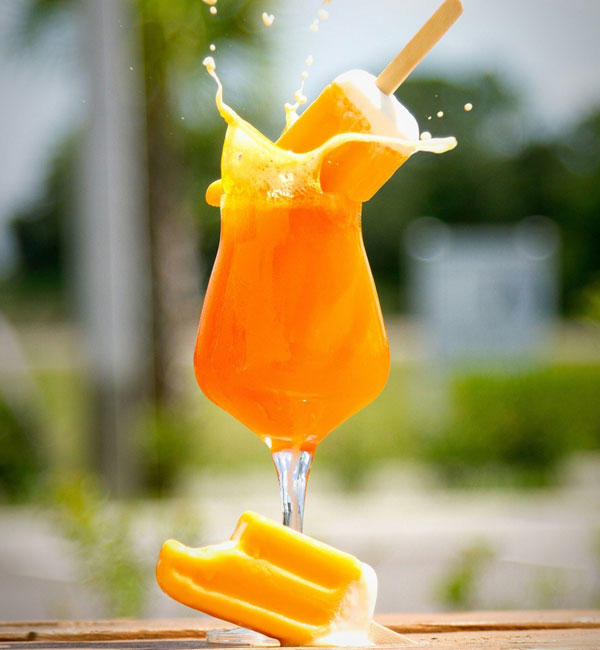
Their "Intangible" series, for instance, is a creamsicle-inspired beer conditioned on tangerine and vanilla beans. Other iterations have included "Pumpkin Pie A La Mode" and "Laffy Taffy" clones. This approach requires rigorous ingredient sourcing to ensure that the acidity of the base beer balances the sweetness of the adjuncts. By framing beer through the lens of food, these breweries have successfully lowered the barrier to entry for novice drinkers who may find the bitterness of hops or the roastiness of malts unappealing.
Market Implications and the "Non-Beer" Debate
The rise of the smoothie sour has sparked a significant debate within the craft beer community regarding the definition of "beer." Purists argue that products containing 40% fruit purée and artificial flavorings should be classified differently. However, the economic data suggests that the consumer market is less concerned with nomenclature than with flavor and experience.
The demographic appeal of smoothie sours is notably broad. These beers often attract younger drinkers, particularly Gen Z and Millennials, who prioritize flavor variety and "Instagrammable" aesthetics. Furthermore, the "drop culture" associated with these releases—where limited quantities are sold at specific times—has created a secondary market and a dedicated sub-culture of collectors.
According to industry analysts, the success of the smoothie sour is a symptom of a larger trend toward "flavor-forward" beverages. As the Brewers Association continues to monitor the growth of small and independent breweries, the ability to pivot to consumer demands has become a survival trait. Whether or not the smoothie sour is viewed as "traditional beer" is secondary to its role in maintaining the financial health of independent taprooms.
A Collaborative Future
The smoothie sour movement is also defined by a high degree of collaboration. Major players in the space, including Drekker Brewing Company (North Dakota), Mortalis Brewing Company (New York), Burley Oak Brewery (Maryland), 450 North Brewing Company (Indiana), and The Answer Brewpub (Virginia), frequently partner on "collab" releases. This brotherhood/sisterhood of brewers allows for the sharing of technical knowledge regarding fruit stability and adjunct ratios, further accelerating the style’s evolution.
While some industry experts predicted that smoothie sours would be a passing fad, the style has shown remarkable resilience. By constantly rotating ingredients and tapping into seasonal nostalgia—from summer slushies to winter dessert spreads—breweries have ensured that the category remains fresh. As Corporate Ladder’s Blake Kleppe suggests, the primary objective is to expand the tent of craft beer. If a smoothie sour serves as a "gateway" beverage that introduces a new consumer to the world of independent brewing, it has achieved its purpose within the broader ecosystem of the industry.
As the craft beer landscape continues to evolve, the smoothie sour stands as a testament to the industry’s willingness to break boundaries. It represents a fusion of chemistry, culinary art, and savvy marketing, proving that in a crowded marketplace, the most unconventional ideas often leave the most lasting impressions.