admin
Ruby Tuesday, the 54-year-old casual-dining staple, has embarked on an extensive strategic overhaul designed to reclaim its position in an increasingly competitive mid-scale restaurant market. Faced with years of declining store counts and the lingering effects of a 2020 bankruptcy filing, the company is implementing a multi-phased transformation that includes a significant simplification of its menu, a restructured value proposition, and a visual rebranding that leans into its historical roots while targeting a younger demographic.
The initiative, led by Chief Marketing Officer Kevin FitzPatrick, represents a fundamental shift in how the chain interacts with its customers. By moving away from a complex, coupon-reliant marketing strategy toward a transparent, tiered pricing model, Ruby Tuesday seeks to eliminate the "operational friction" that has historically hampered its performance. The brand currently operates approximately 160 locations across the United States, a footprint that has contracted significantly from its peak of over 800 units in the early 2000s.
Operational Streamlining: The 25 Percent Menu Reduction
Central to the brand’s revitalization is a drastic reduction in menu complexity. Effective November 17, Ruby Tuesday introduced a streamlined menu featuring approximately 25 percent fewer items than its predecessor. This decision was not arbitrary but was instead the result of an exhaustive audit of sales data, customer feedback, and internal operational metrics.
FitzPatrick noted that the previous menu had become "bloated" over time, largely due to a series of limited-time offerings (LTOs) that were never properly phased out. This "menu creep" created significant challenges for kitchen staff, leading to inconsistent execution and slower ticket times. By removing low-performing pasta and chicken dishes, the company has allowed its culinary teams to focus on core "hero" categories where the brand maintains a competitive edge.
The data-driven approach identified items with low "reps"—dishes that were rarely ordered but required the inventorying of unique ingredients. By eliminating these outliers, Ruby Tuesday has improved its supply chain efficiency and reduced food waste, a critical factor as wholesale food prices remain volatile.
The Return of Core Classics and Signature Favorites
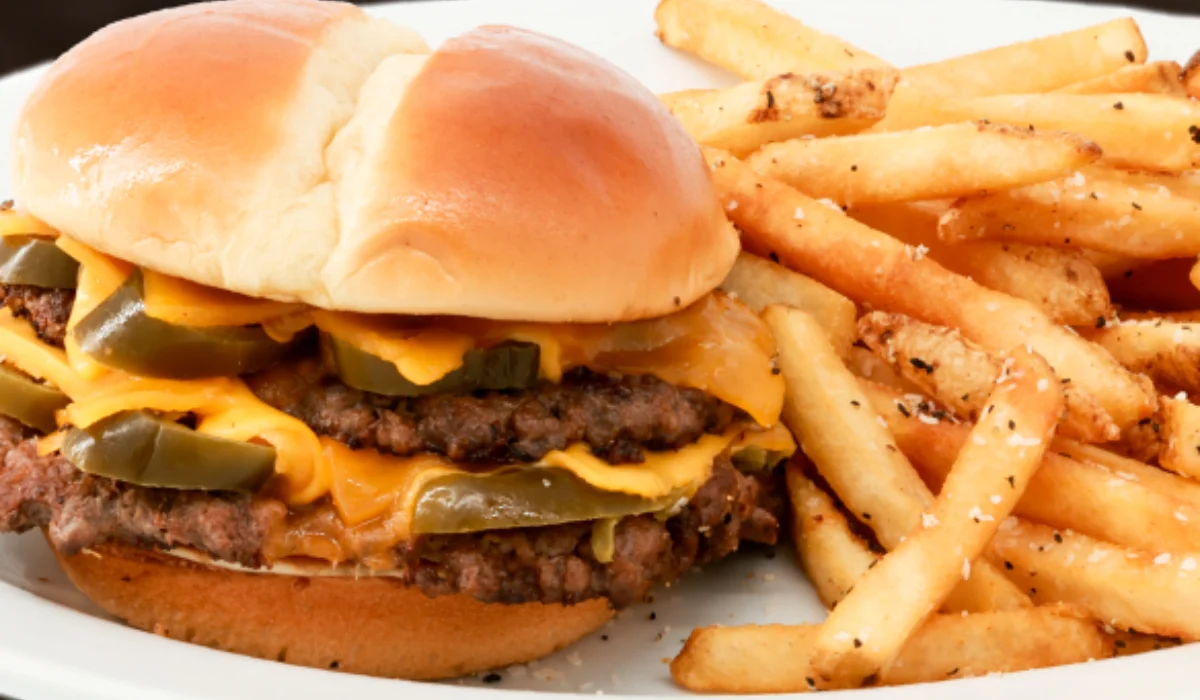
While the menu has shrunk in total size, it has expanded in its core areas of strength: burgers, ribs, and appetizers. The chain has reintroduced the "Colossal Burger," a massive fan favorite that had previously been relegated to LTO status. Its permanent return was driven by direct customer demand and social media feedback.
Furthermore, the brand has invested in quality upgrades. Its chicken sandwich and entrée lines now feature eight-ounce chicken breasts, a move intended to provide a more "premium" feel to its standard offerings. New appetizers, including Pretzel Bites, Loaded Fries and Tots, and a Dip Trio, have been added to encourage higher check averages through group sharing.
The signature Hickory Bourbon Salmon and "fall-off-the-bone" ribs have also been given greater prominence on the physical menu layout. This visual hierarchy is designed to guide guests toward the brand’s most successful and high-margin products.
Rethinking Value: The "Everyday Fresh Meals" Platform
For decades, Ruby Tuesday’s marketing strategy was defined by a rotating carousel of daily specials and physical mailer coupons. While this drove traffic, it created a "value hurdle" for consumers who felt they were overpaying if they did not have a specific coupon or visit on a specific day.
To combat this, the chain launched the "Everyday Fresh Meals" platform. This program replaces the confusing promotional schedule with a transparent, four-tier pricing structure available seven days a week:
- $9.99 Tier: Entry-level value options, including select burgers and chicken sandwiches.
- $11.99 Tier: Mid-range entrées such as Cajun Chicken Pasta.
- $14.99 Tier: Premium selections including seafood and specialty salads.
- $17.99 Tier: High-end offerings such as a half-rack of ribs.
Each "Everyday Fresh Meal" includes an entrée, a bottomless beverage, and unlimited trips to the Garden Bar. By bundling the Garden Bar into the price, Ruby Tuesday is positioning itself as a superior value compared to fast-casual competitors where a meal, side, and drink can easily exceed $15 without the benefit of a full-service environment or an all-you-can-eat salad component.
Garden Bar 2.0: Leveraging a Unique Selling Proposition
In the casual dining sector, the "salad bar" is a disappearing feature. Major competitors like Chili’s and Applebee’s long ago abandoned the format due to labor and food safety costs. Ruby Tuesday, however, views its Garden Bar as its primary "moat" against competitors.
Over the summer, the company rolled out "Garden Bar 2.0," which expanded the ingredient list to include more premium toppings and prepared salads. Additions like spinach salad, hard-boiled eggs, and enhanced dressings were designed to appeal to health-conscious diners.
Market analysis suggests that as grocery prices remain elevated, the ability to access a wide variety of fresh produce in an "all-you-can-eat" format is a significant draw for families. To accommodate guests who find the Garden Bar to be too much food, the company now allows guests to substitute the bar for a traditional side dish, a direct response to consumer feedback regarding portion sizes.
A Timeline of Transformation: From Bankruptcy to Brand Evolution
To understand the necessity of the current refresh, one must look at the chain’s tumultuous recent history:
- 1972: Founded by Sandy Beall near the University of Tennessee campus.
- 1980s-1990s: Rapid expansion as a mall-based and suburban staple.
- 2017: Acquired by private equity firm NRD Capital for approximately $146 million, taking the company private.
- 2020: Filed for Chapter 11 bankruptcy protection in October, citing the catastrophic impact of the COVID-19 pandemic on indoor dining. At the time, it closed 185 locations.
- 2021: Emerged from bankruptcy with a significantly reduced debt load and a smaller, more manageable footprint.
- 2024: Launch of the comprehensive brand refresh and "Everyday Fresh Meals" platform.
The 2020 bankruptcy allowed the company to exit underperforming leases and restructure its corporate debt, providing the financial runway necessary to fund the current renovations and marketing shifts.
Visual Identity and "Ruby" the Character
The brand’s physical and digital presence is also undergoing a nostalgic transformation. Ruby Tuesday has brought back its legacy "Foxtail" logo, a move intended to evoke positive memories for Gen X and Baby Boomer diners who frequented the chain in its heyday.
The new menu design moves away from the "cluttered" photography-heavy layouts of the 2010s. Instead, it uses cleaner typography and modern color palettes. A unique addition is the inclusion of "handwritten" notes on the menu from a fictional character named "Ruby." This persona provides recommendations and adds a layer of personality to the brand, attempting to move away from the sterile, corporate feel of national chains.
Physical renovations are also underway. Recent remodels at the Philadelphia International Airport and a location on Florida’s Treasure Coast serve as prototypes for a nationwide rollout. These updates include new flooring, booth upholstery, and lighting, creating a brighter and more contemporary atmosphere.
Targeting the Next Generation and Influencer Marketing
A significant challenge for Ruby Tuesday is its aging demographic. Many younger consumers associate the brand with "going out with grandma," as FitzPatrick noted. To bridge this generational gap, the company is pivoting its advertising spend toward digital creators and influencer-led content.
By showcasing the Garden Bar and the $9.99 value tier through TikTok and Instagram creators, the brand aims to reach Gen Z and Millennial parents who are increasingly price-sensitive but still value "freshness." The goal is to reintroduce the brand as a modern, affordable destination for a quick lunch or a family dinner, rather than just a nostalgic relic.
Industry Implications and the "Value Wars"
Ruby Tuesday’s pivot comes at a time of significant upheaval in the casual dining industry. With Red Lobster recently filing for bankruptcy and other chains like TGI Fridays closing dozens of locations, the "middle" of the restaurant market is under immense pressure.
Economists point to a "K-shaped" recovery in dining habits: high-end steakhouses and low-end fast food remain resilient, while mid-priced casual dining chains struggle to justify their costs to consumers. Ruby Tuesday’s "Everyday Fresh" strategy is a direct attempt to win this "Value War" by offering a predictable, all-inclusive price point that undercuts the rising costs of fast-food "value meals."
Industry analysts will be watching Ruby Tuesday’s performance closely through 2025. If the brand can successfully leverage its Garden Bar and simplified menu to increase "visit frequency"—the number of times a customer returns per month—it could provide a blueprint for other struggling legacy brands.
As the company looks toward 2027, FitzPatrick emphasized that the goal is not to return to a massive menu. Instead, future growth will come from "complementary additions" like seasonal dressings for the Garden Bar and an expanded beverage program. By staying lean and focused on its core identity, Ruby Tuesday hopes to ensure that its 54th year is not a final chapter, but a new beginning.