admin
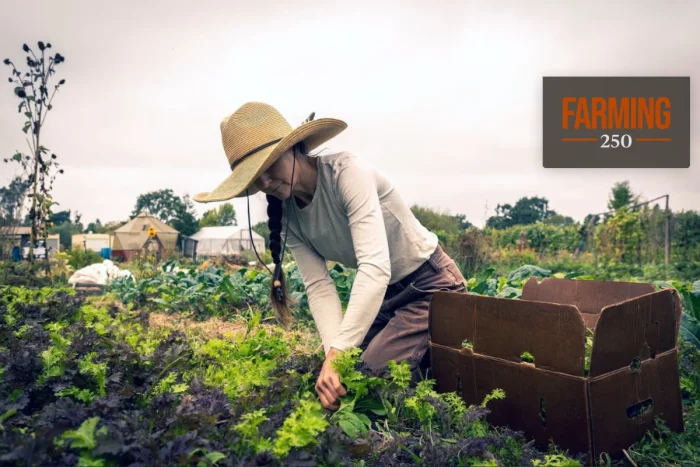
For many engaged in agriculture, the commitment to land stewardship often transcends conventional working hours, frequently extending into an estimated 80 to 100 hours per week during peak seasons. This intense dedication, born from a profound relationship with the land, underscores the significant demands placed upon those who cultivate our food systems. The narrative of one farmer, spanning 18 years, vividly illustrates the multifaceted challenges and evolving strategies required to sustain a livelihood in contemporary agriculture, highlighting the critical interplay between personal resilience and broader systemic issues.
The Genesis of a Farming Career Amidst Economic Uncertainty
The journey into farming for this individual began in 2009, a period marked by the lingering aftermath of the Great Recession. Despite possessing a college degree and internship experience in both non-profits and agricultural settings, conventional job prospects were scarce. This economic climate, coupled with a foundational upbringing on an acre of land in Northern California, catalyzed an unconventional career path. With minimal initial capital and no elaborate business plan, the farmer embarked on an agricultural venture, leveraging community resources such as a neighbor’s tractor, discounted seeds from a part-time job at a seed shop, and a potential buyer secured through waitressing at a local café. At 25 years old, the initial planting of 50 feet of radishes represented not just a crop, but a tangible step into an uncertain future, raising the fundamental question of market and sustainability.
The inaugural year saw the launch of a small Community Supported Agriculture (CSA) program. The initial financial return, reportedly $20 for a bag of produce, while modest, provided a profound sense of accomplishment and direct connection to the fruits of one’s labor. This early success prompted expansion, with increased CSA subscriptions and the addition of a farmers’ market sales model in the subsequent year. During this formative period, the farm remained far from profitable, necessitating continued reliance on off-farm income from waitressing to cover living expenses. This duality of deeply fulfilling yet financially precarious work is a common theme among nascent small-scale farmers, who often describe this initial phase as "magical" despite the economic realities.
The Physical Toll and a Strategic Pivot
By the third season, at the age of 28, the physical demands of farming began to manifest. Despite a naturally robust constitution, the cumulative strain on the body became undeniable, prompting concerns about long-term sustainability. This physical toll is a well-documented aspect of agricultural work, with farmers facing higher rates of musculoskeletal disorders and other occupational injuries compared to many other professions. The relentless nature of fieldwork, often involving repetitive motions, heavy lifting, and prolonged exposure to elements, necessitates significant physical resilience.
Recognizing the need for a potential "backup plan," the farmer temporarily stepped away from direct cultivation for two seasons to pursue graduate studies on the East Coast. The chosen field, urban and environmental policy and planning with a focus on food systems, reflected a desire to understand the broader context of agricultural challenges and explore avenues for systemic change. This academic interlude, while initially without a clear career endpoint, provided intellectual enrichment and a deeper understanding of the policy levers that influence food production and distribution. It also served as a testament to the evolving nature of agricultural careers, where formal education in related fields can offer crucial alternative pathways or complementary skill sets.
Upon returning to farming, a deliberate shift in strategy occurred. The pressure associated with the CSA model, particularly its weekly commitment and logistical complexities, was deemed unsuitable. Instead, the farmer transitioned to selling exclusively at a thriving farmers’ market. This strategic adjustment proved financially transformative, with market earnings increasing significantly from a few hundred dollars to regularly achieving $1,200-$1,500 per market. While still considered modest compared to larger agricultural operations, this income level, combined with a "scrappy and single lifestyle," allowed for a functional annual income of approximately $30,000. This period underscored the potential for direct-to-consumer models to enhance farmer income, although it also highlighted the intensive labor required to generate such revenue. The profound satisfaction derived from coaxing sustenance from the earth, described as "the pinnacle of connectedness, pulling art from a canvas of soil," remained a powerful motivator.
Expanding Horizons: Education, Advocacy, and Community Building
The farmer’s expertise and academic credentials began to open new doors. Invitations to expand the farm onto an educational site and teach within its farming program emerged, alongside an adjunct faculty position in agroecology at Sonoma State University. The master’s degree, initially conceived as a backup plan, now provided academic credibility, demonstrating the increasing value placed on interdisciplinary knowledge in the food systems sector.
This expansion into education and advocacy was deeply intertwined with a renewed focus on the political dimensions of food—the very issues that had initially drawn the individual to farming. A realization crystallized: while direct farm work was vital, contributing to broader change required engagement beyond the boundaries of one’s own land. In a region where environmental consciousness was high, the farmer observed a critical gap in efforts to dismantle the systemic oppressions underpinning ecological degradation. This insight spurred action.
In 2016, the farmer organized "Celebrating Womxn’s Leadership in Food" (CWLF), a symposium dedicated to amplifying the work of women of color and gender-expansive individuals within the local food community. This initiative marked a significant pivot towards community organizing and social justice, integrating farming with a commitment to equity. CWLF quickly gained traction, securing funding and forming a leadership circle, a crucial step in ensuring authentic inclusivity and impact.
The Multi-Hyphenate Farmer: Balancing Roles and Battling Burnout

Over the subsequent years, the farmer’s life settled into a demanding but purposeful rhythm, weaving together farming, teaching, and community building. CWLF evolved to incorporate mutual aid network-building, particularly in response to the COVID-19 pandemic, while continuing its core mission of connection and celebration. Agroecology instruction continued each semester, and new mentorship roles emerged with organizations like Agroecology Commons, supporting the next generation of farmers. This convergence of three distinct career paths—ecology, community, and justice—represented a deliberate effort to create a holistic and meaningful professional life.
However, this multi-faceted approach also exposed the inherent vulnerabilities within these sectors. Farming, teaching, and community organizing are consistently among the most undervalued and underfunded professions in the United States. A critical, yet often unshared, statistic among aspiring farmers is that, on average, farming families in the U.S. rely on off-farm income for approximately 80% of their total household income, according to data from the U.S. Department of Agriculture (USDA) Economic Research Service. For a single earner, this reality translated into immense pressure, fueling an unconscious drive to work harder and push beyond sustainable limits. The deep meaning derived from the work often masked the underlying financial precarity, leading to self-blame and a relentless cycle of overwork.
This relentless pace ultimately took a severe toll, impacting both physical and emotional health. The personal sacrifice involved in maintaining such a demanding schedule became evident in retrospect. This experience mirrors broader trends in the agricultural sector, where farmer burnout and mental health crises are increasingly recognized issues. Studies by organizations like the American Farm Bureau Federation have highlighted elevated stress levels and mental health challenges among farmers, often exacerbated by financial instability, market volatility, climate change impacts, and social isolation.
A Breaking Point and the Path to Reorganization
In 2022, following a catastrophic drought in California, the farmer reached a critical breaking point. The physical weariness was profound, far exceeding typical burnout, and health symptoms began to emerge, including intense facial flushing, severe sensitivity to heat and sun, and extreme fatigue. A close friend’s stark warning—"Your values will never let you stop farming, but your body will make you"—underscored the urgency of the situation.
This health crisis necessitated a radical reorganization of the farmer’s professional portfolio. Continuing to work in the sun for extended hours and seasons was no longer viable. The concept of "winter farming," initially a flippant suggestion, sparked a new direction. This involved a deliberate shift away from summer bed-flipping, harvesting, and intense heat, focusing instead on long-season, low-labor winter crops such as winter squash, onions, polenta corn, dry beans, herbs, chilies, and garlic.
This strategic pivot, while reducing direct farm income, allowed for a greater allocation of energy towards academic research, which would provide supplementary funding. The farmer successfully secured a three-year research grant to study the ecological, financial, and emotional realities of transitioning to this model amidst health and climate crises. This transition re-ignited the joy in farming that had been diminished by "survival mode," and crucially, fostered an acceptance of the necessity of off-farm income—a reality previously desired but not fully embraced. This acceptance was a critical step in recognizing that diversification did not signify failure but rather a pragmatic response to the "specific context and reality" of modern farming.
Broader Implications and Lessons for the Future of Agriculture
The individual’s journey offers valuable insights for the broader agricultural community and policymakers. It highlights the inherent entrepreneurial spirit often found in farmers, but also challenges the notion that this spirit alone is sufficient for achieving balance and meaning in land stewardship and social transformation. The addictive and consuming nature of farming, with its endless tasks and seasonal pressures, makes it easy for farmers to continually push beyond sustainable limits.
The experience underscores the critical need for balance—emotional, physical, and financial—within the political and economic realities of agriculture. There is no single "recipe" for this balance; it must be tailored to individual interests, strengths, and personal situations. However, as the agricultural sector seeks to encourage and train new farmers, transparency about these realities is paramount.
The financial precarity, the physical demands, and the psychological toll of farming are often understated. Openly discussing these challenges can alleviate feelings of failure among new farmers when they inevitably encounter difficulties in supporting themselves solely through farm income. While the question of whether society ought to value its farmers more has an obvious affirmative answer, the more pertinent inquiry revolves around how to effectively support the next generation.
Lessons from experienced farmers, encompassing both triumphs and struggles, are invaluable. This includes sharing not just stewardship practices and resources, but also the candid realities of financial management, work-life integration, and navigating systemic injustices. Recognizing that all participants in the food system—friends, colleagues, and farmers alike—serve as mentors to one another fosters a collaborative environment for learning, adaptation, and growth.
The establishment of the Center for Just and Resilient Food Systems at Sonoma State University, conceived and driven by this farmer, further exemplifies the integration of practical experience with academic and policy work. This initiative, which includes new programming and a forthcoming food systems minor, aims to bridge the gap between theoretical understanding and on-the-ground realities, preparing future generations to address the complex challenges of sustainable and equitable food production. The continuous evolution of this farmer’s career, from intensive cultivation to diversified roles in education, advocacy, and research, serves as a compelling case study in resilience, adaptation, and the urgent need for systemic change in how society values and supports its agricultural workforce.