admin
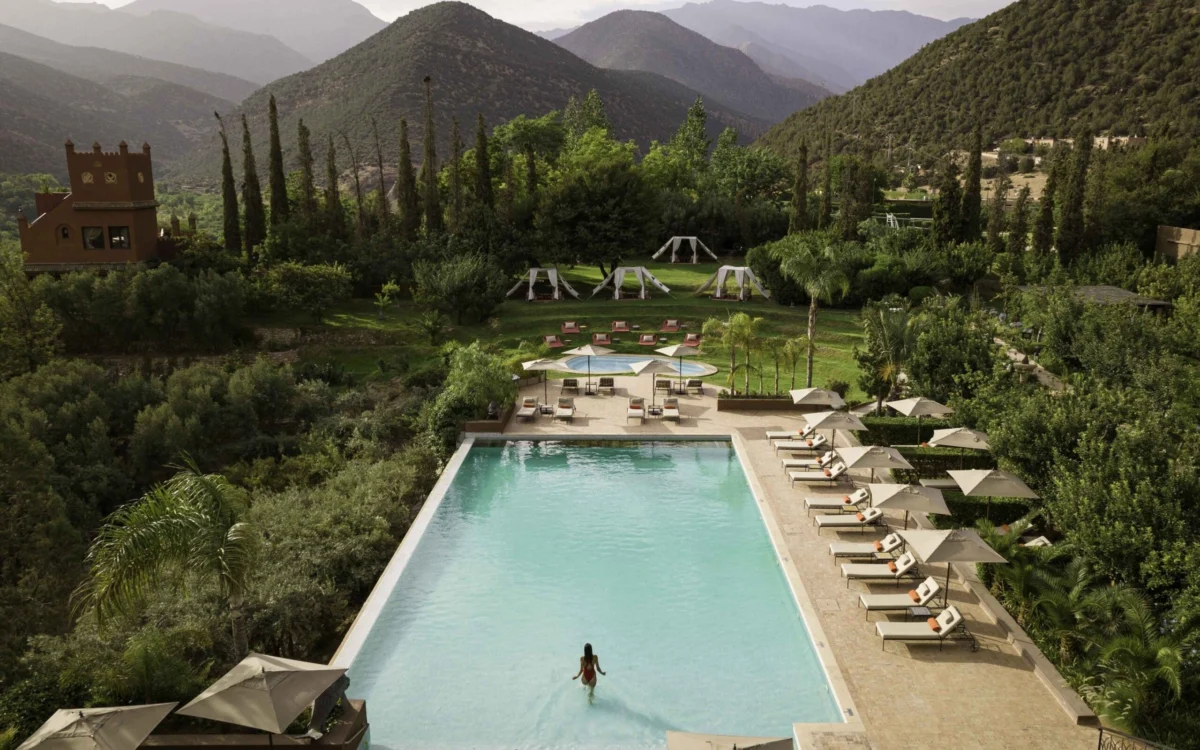
Morocco, a nation renowned for its vibrant culture and captivating landscapes, is undergoing a significant evolution in its hospitality sector, driven by ambitious infrastructure projects and a surge in international interest, most notably its co-hosting role in the FIFA World Cup 2030. This multifaceted destination, often described as Africa’s gateway, offers a diverse array of accommodation options, from intimate riads nestled within historic medinas to sprawling desert retreats and serene mountain havens. The country’s allure extends far beyond its promise of winter sun, attracting a discerning global clientele and solidifying its status as a hub for exceptional hotel experiences. These establishments range from opulent, palace-like resorts to charmingly restored farmhouses and chic, bohemian beachfront properties, each reflecting a unique facet of Moroccan charm.
The forthcoming FIFA World Cup 2030, for which Morocco will be a co-host alongside Spain and Portugal, marks a pivotal moment for the nation’s tourism industry. This global sporting event is not merely a catalyst for increased visitor numbers but is underpinning substantial, multi-million dollar investments in national infrastructure, promising to redefine travel experiences within the country. Central to these developments is a comprehensive rail expansion project, a testament to Morocco’s commitment to enhancing connectivity and accessibility. This ambitious undertaking will establish a crucial rail link connecting Kenitra with Marrakech, traversing the important urban centers of Rabat and Casablanca. This will significantly reduce travel times between these key cities, facilitating smoother transit for both tourists and locals, and potentially boosting economic activity along the route.
Beyond transportation enhancements, the hospitality sector itself is experiencing a wave of new developments and expansions. Luxury brands are recognizing Morocco’s growing appeal and are investing in new properties. Among these, the Four Seasons is slated to open a new flagship hotel in the northern coastal city of Tangier, a destination rich in history and Mediterranean allure. Furthermore, Sir Richard Branson’s Virgin Limited Edition has announced plans for a new hotel near Marrakech, further cementing the Red City’s reputation as a premier luxury destination. These strategic investments signal a strong confidence in Morocco’s future tourism potential and its capacity to host large-scale international events.
The FIFA World Cup 2030: A Catalyst for Change
The decision for Morocco to co-host the FIFA World Cup 2030, alongside Spain and Portugal, represents a significant moment for the African continent and for Morocco in particular. This bid, initially conceived as a joint effort between Spain and Portugal, was expanded to include Morocco, marking the first time a World Cup tournament will be held across three continents. The agreement, finalized in late 2023, underscores a commitment to inclusivity and a recognition of Morocco’s growing prominence on the global stage. The tournament is scheduled to kick off in Uruguay, Argentina, and Paraguay with centenary celebrations before moving to Spain, Portugal, and Morocco for the main competition. This unique geographical spread is intended to commemorate the 100th anniversary of the first World Cup, held in Uruguay in 1930.
The implications of this co-hosting arrangement for Morocco are far-reaching. Beyond the immediate boost in tourism and international profile, the event is acting as a powerful driver for modernization and development. The government has identified key areas for investment, with infrastructure development taking precedence. The rail project, connecting major cities and facilitating access to tourist hubs, is a prime example of this strategic planning. The aim is not only to accommodate the influx of World Cup spectators but also to create a lasting legacy of improved transportation networks that will benefit the country for decades to come.
Infrastructure Development: Connecting the Nation
The multi-billion dollar rail expansion project is a cornerstone of Morocco’s World Cup preparation. The planned high-speed rail line, an extension of the existing Al Boraq network, will significantly enhance inter-city travel. Currently, travel between Kenitra and Marrakech can be time-consuming by road or conventional rail. The new line, expected to be operational in phases leading up to 2030, aims to reduce journey times dramatically, making it easier for travelers to explore different regions of the country.
Key aspects of the rail expansion include:
- Route: Connecting Kenitra, Rabat, Casablanca, and Marrakech, linking the capital, economic hub, and major tourist destinations.
- Technology: Expected to utilize advanced high-speed rail technology, similar to existing lines in Morocco, ensuring speed, efficiency, and comfort.
- Capacity: Designed to handle increased passenger volumes, accommodating both local commuters and international tourists.
- Economic Impact: The project is projected to create thousands of jobs during its construction phase and stimulate economic growth by improving connectivity for businesses and tourism operators.
Beyond rail, other infrastructure upgrades are underway, including enhancements to airports, roads, and telecommunications networks, all aimed at providing a world-class experience for visitors.
New Hotel Openings and Expansions: Elevating Luxury Standards
The influx of international visitors for the FIFA World Cup 2030 has spurred significant investment in Morocco’s hotel sector. Major international hotel groups are either expanding their presence or entering the market for the first time, bringing new standards of luxury and service.
Notable developments include:
- Four Seasons Hotel Tangier: The opening of a Four Seasons property in Tangier will mark a significant addition to the luxury hotel scene in the north of Morocco. Tangier, with its rich history, cosmopolitan atmosphere, and strategic location overlooking the Strait of Gibraltar, is a growing destination for discerning travelers. The Four Seasons brand is synonymous with impeccable service and luxurious amenities, and its presence is expected to elevate the city’s hospitality offerings.
- Virgin Limited Edition Near Marrakech: Virgin Limited Edition, known for its exclusive and unique properties, is set to open a new hotel close to Marrakech. This expansion further solidifies Marrakech’s position as a global luxury hotspot. The company’s portfolio typically includes properties that blend high-end comfort with authentic local experiences, suggesting the new Moroccan venture will offer a distinctive and immersive stay. This aligns with the trend of luxury brands seeking to provide guests with more than just accommodation, but a curated cultural experience.
- Growth in Boutique and Heritage Properties: Alongside major international brands, there is also continued growth and investment in smaller, boutique hotels and the restoration of traditional riads and kasbahs. These properties offer a more intimate and authentic Moroccan experience, often blending historical architecture with contemporary design and amenities. Cities like Marrakech, Fes, and Essaouira are particularly known for their vibrant riad culture, and ongoing restoration efforts ensure these historical gems are preserved and enhanced for future generations.
Analysis of Implications: A Lasting Legacy
The preparations for the FIFA World Cup 2030 extend beyond immediate logistical needs. The Moroccan government and tourism stakeholders are focused on creating a lasting legacy that will benefit the nation long after the final whistle.
Key implications include:
- Economic Diversification: Increased investment in tourism infrastructure and the hospitality sector can contribute to economic diversification, reducing reliance on traditional industries. The creation of jobs, both directly and indirectly, through construction, hospitality services, and related sectors, will have a positive impact on employment.
- Enhanced Global Image: Hosting a major international event like the World Cup provides an unparalleled platform to showcase Morocco’s culture, hospitality, and modern infrastructure to a global audience. This can lead to increased long-term tourism and foreign investment.
- Improved Quality of Life: The infrastructure improvements, particularly in transportation, will not only benefit tourists but also improve the daily lives of Moroccan citizens by enhancing connectivity and access to services.
- Sustainable Tourism Development: There is a growing emphasis on sustainable tourism practices, with efforts to preserve natural environments and cultural heritage. The development of new hotels and infrastructure is expected to incorporate environmentally conscious designs and operational practices, aligning with global trends towards responsible travel.
The transformation underway in Morocco, driven by the ambition to successfully co-host the FIFA World Cup 2030, signals a new era for the nation’s tourism and hospitality industry. The confluence of significant infrastructure investments, the arrival of world-class hotel brands, and a continued appreciation for its rich cultural heritage positions Morocco as a compelling and evolving destination for travelers worldwide. The legacy of the World Cup promises to be one of enhanced connectivity, elevated hospitality, and a strengthened global presence for this captivating North African nation.