admin
Los Angeles recently concluded its third annual LA Design Week/end, an expansive showcase of design innovation and community resilience that has rapidly grown into a cornerstone of the city’s creative economy. The event, co-founded by design industry professional Holland Denvir and creative director Meghan McNeer, has seen a dramatic increase in scale, featuring 140 shows this year compared to just 46 in its inaugural run in 2024. This growth underscores a vibrant and supportive design community, particularly poignant given the various challenges Los Angeles has navigated in recent years, from significant industry strikes and devastating wildfires to broader economic shifts and geopolitical tensions.
The week-long celebration offered attendees an unprecedented glimpse into the diverse and dynamic design landscape of Southern California. Exhibitions spanned a wide array of venues, from established studios and galleries to private residences transformed into temporary museums, reflecting the collaborative and open spirit that defines LA’s creative scene. The Downtown LA Proper, a former YWCA meticulously reimagined by acclaimed designer Kelly Wearstler, served as a prominent hospitality hub, its distinctive aesthetic setting a tone for the city’s contemporary design narrative.
A Panoramic View of Los Angeles Design
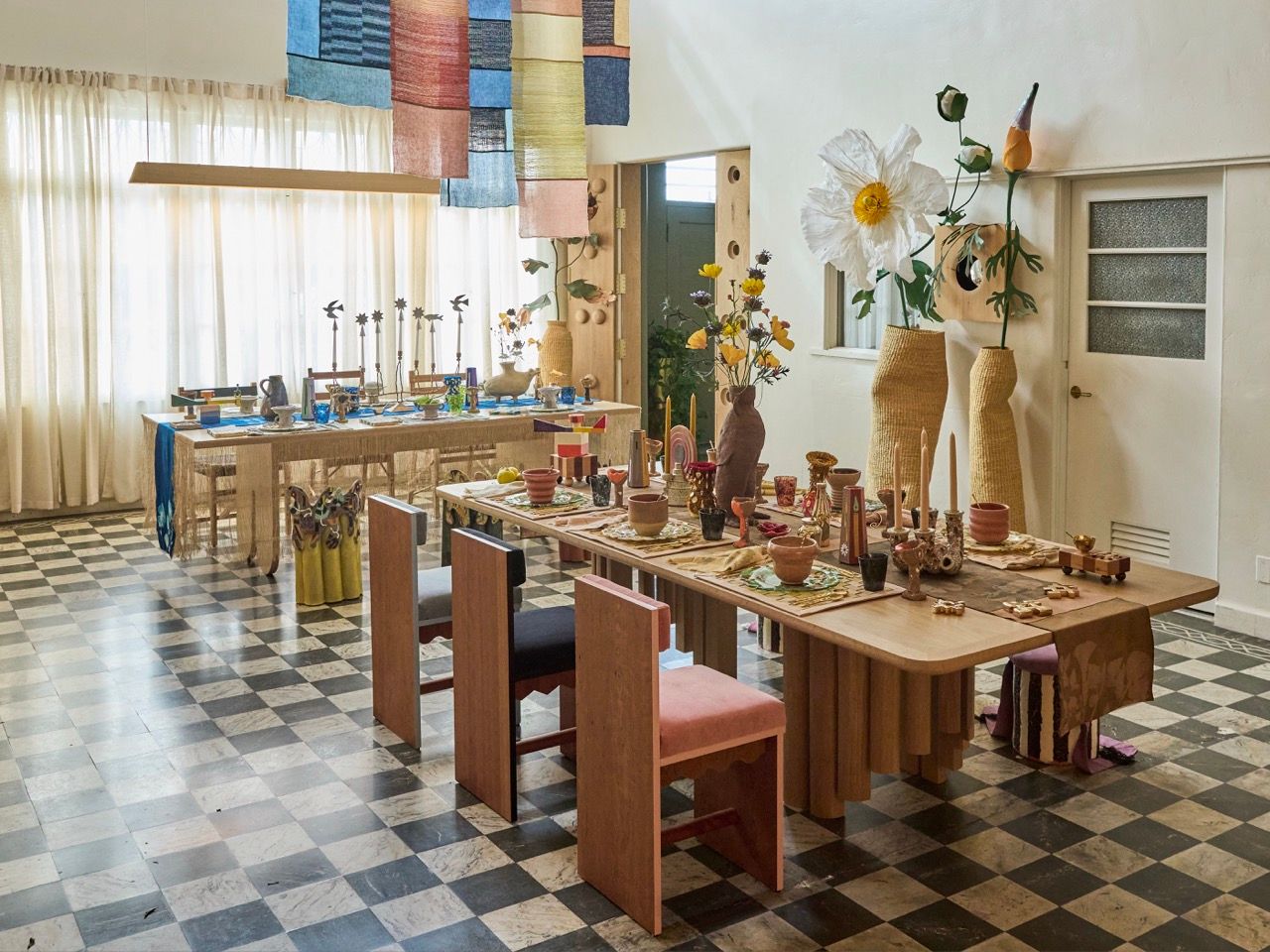
Visitors to LA Design Week/end were treated to an immersive journey through the city’s design heart. Among the key destinations was Ravenhill Studio, where the exhibition Los Angeles Sets A Table captivated audiences. This show, brimming with works by California artists and designers, offered a curated exploration of domestic artistry and communal gathering. The studio space itself, known for its spacious and inspiring environment, became a vibrant nexus for discussion and appreciation of handcrafted design.
Another unique highlight was the private residence of Yogi Proctor, a dedicated collector of Paul McCobb’s midcentury modern designs. Operating part-time as a museum, Proctor’s home is a living testament to McCobb’s enduring legacy, furnished almost exclusively with his pieces and contextualized by an extensive collection of related books and research. This intimate setting provided a rare opportunity for design enthusiasts to engage directly with a significant period in American design history.
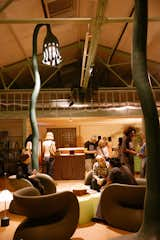
The event’s kick-off party, held at the studio of the renowned Haas Brothers, set an energetic precedent for the week. Known for their whimsical, otherworldly sculptures and furniture pieces, such as their signature oversized lamps, the brothers’ studio provided a fittingly imaginative backdrop for the festival’s commencement, attracting a significant gathering of designers, artists, and patrons.
The journey into LA’s creative enclaves continued with a visit to Eric Wareheim’s Serpentine, an emporium specializing in plants and outdoor furnishings. During the festival, Serpentine embraced a festive spirit, transforming its outdoor space into a haunted house for Halloween, demonstrating the lighthearted and unpretentious nature that often characterized the week’s events. The festival also began for many at the studio and home of Jason Koharik, where he unveiled his latest collection for Alora Lighting, slated for release via Lumens the following year. Koharik’s studio exemplified an "open door policy," welcoming visitors to explore every detail of his creative and living spaces, fostering a direct and personal connection between designers and the public.
Resilience Forged in Community
The remarkable expansion of LA Design Week/end from 46 shows in its first year to 140 in its third is particularly significant when viewed against the backdrop of recent challenges faced by Los Angeles. The city has endured a series of difficult periods, including prolonged Hollywood strikes that impacted the entertainment industry, devastating wildfires in areas like Altadena and Palisades, and a shrinking pool of film and television production opportunities as companies seek tax credits and cheaper labor overseas. Furthermore, ongoing ICE raids and even contentious political statements regarding the city’s role in international conflicts have added layers of societal pressure.
However, as Holland Denvir articulated, these adversities have not hindered the design community; rather, they have galvanized it. "I think all of that has actually shown how resilient Los Angeles is, and how much we support each other," Denvir stated. "I think LA Design Week/end lets us focus on joy, so we don’t have to think about those things for a minute, but it’s that same energy that’s already here. We’re just coming together to celebrate rather than to rebuild per se." This perspective highlights the event’s role as a vital cultural and communal balm, offering a space for creative expression and collective upliftment.
This profound sense of community was a recurring theme throughout the week. Interactions felt more like genuine connections than transactional networking, fostering an environment of collaborative spirit and mutual support. The informal and often playful atmosphere, as exemplified by Serpentine’s Halloween transformation, underscored a willingness to engage authentically without excessive seriousness.
Spaces Transformed: A Canvas for Collaboration
The spirit of collaboration extended to the utilization of diverse spaces across the city. Leo Estevez, co-founder of the creative services company Small Green Door in Boyle Heights, generously opened his company’s extensive workspace for the weekend at no charge. This complex, which houses the Small Green Door offices, a gallery space, and other businesses, was transformed into dynamic venues for the festival.
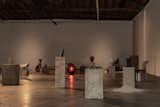
One notable event hosted there was a vibrant dance party featuring DJs from LA indie radio station DubLab, infusing the design week with a celebratory musical dimension. Concurrently, Estevez’s main office space underwent a complete metamorphosis for After the Tides, a weekend-long exhibition. This show presented an array of mostly ceramic works, deeply influenced by nature and often imbued with a gothic sensibility. The large open office, usually populated by desks, became an immersive art installation, grounded by a sonic water installation from Edge Sound Research. Sand pedestals, also crafted at Edge Sound Research’s studio, elegantly elevated many of the ceramic pieces, creating a cohesive and evocative soundscape. Estevez emphasized that offering the space was "a no brainer," reflecting the shared understanding among organizers and participants that community is a fundamental component of design.
Curatorial Innovations and New Voices
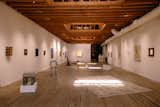
LA Design Week/end actively fosters new talent and diverse perspectives through initiatives like its curator fellowship program. Sarah Al-Qatou, a film and television producer, made her curatorial debut through this program with the exhibition Our Joy Is Resistance, hosted by the Enzo gallery. Al-Qatou’s show was inspired by a long-held personal theme: the idea that "joy and the pursuit of wonder and fulfillment and pleasure is a disciplined practice."
The exhibition featured a compelling mix of visual art and design pieces, showcasing a broad range of styles and interpretations of this open-ended theme. Noteworthy contributions included work by Dwell 24 designer Studio Sour, a chair by Asher Gillman, a stool by Kaitlyn Quitiquit, and a rug from the newly launched Agnya. Al-Qatou lauded the freedom and trust she experienced during the curatorial process. "No one ever challenged or questioned my instincts, and that is incredibly refreshing," she remarked. "I hadn’t felt that level of trust in a long time." This level of support for emerging curators highlights the festival’s commitment to nurturing creative independence and expanding the discourse around design.
The Art of Gathering: "Los Angeles Sets A Table"
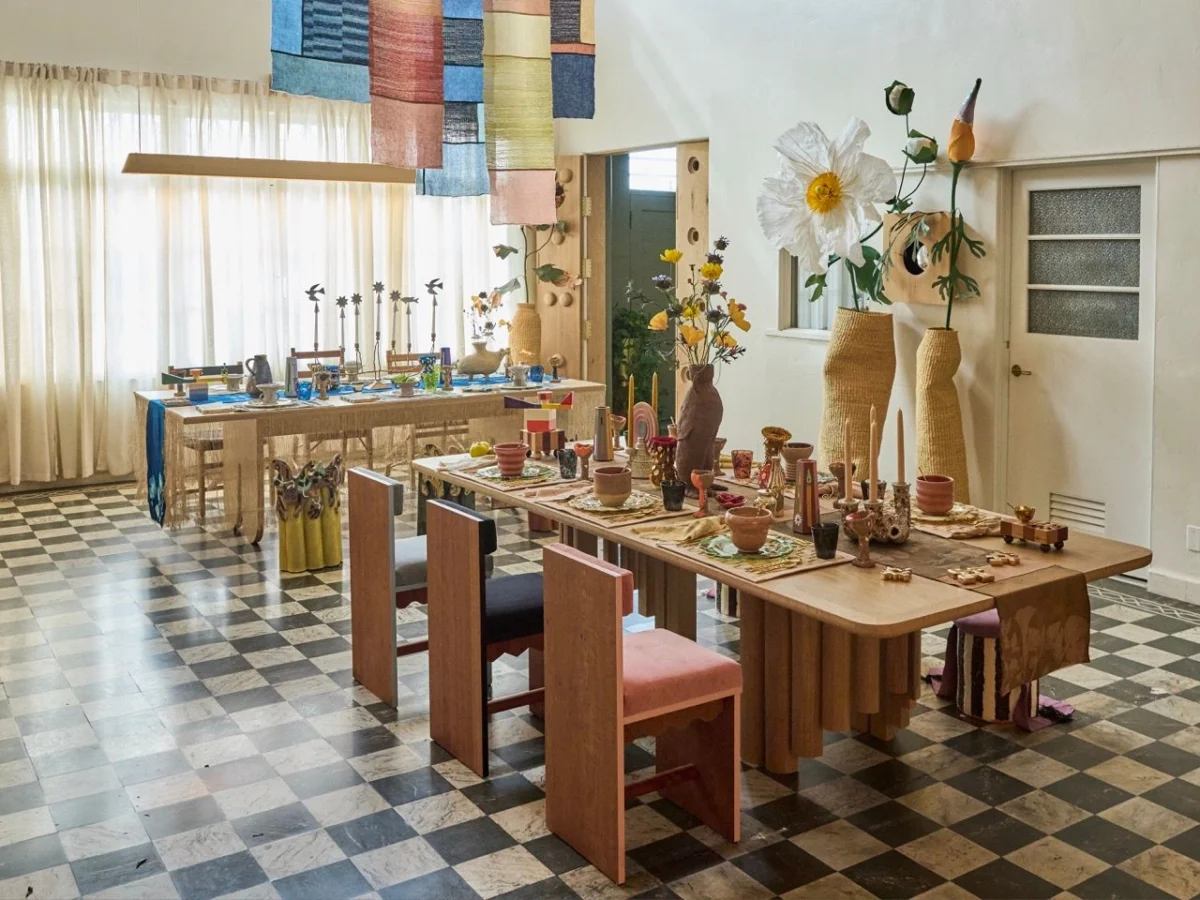
The exhibition Los Angeles Sets A Table at Ravenhill Studio exemplified the collaborative spirit and thematic depth of the design week. The concept originated with designer Cathy Callahan in 2019, initially envisioning a show of tablescapes featuring makers she had encountered at the Echo Park Craft Fair. While the COVID-19 pandemic necessitated a hiatus, the idea was revitalized through a collaboration with Chelito Villaflor and Chris Albanese of Thought Forms Studio, who had previously curated a successful show at LA Design Week/end.
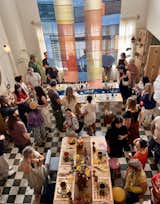
Their collective vision evolved to center on the unique quality of California light. The exhibition ingeniously utilized two distinct tables to represent dawn and dusk, creating opposing color palettes that brought remarkable clarity to a diverse collection of works that might otherwise have felt disparate. This thoughtful curation allowed a broad range of artistic expressions to coexist harmoniously, unified by a central theme.
Villaflor elaborated on the profound symbolism embedded in the exhibition: "I like this idea of the table as a symbol of gathering. Having this table with all of our friends and designers and artists that we admire, literally gathering on a table, including the table and the chairs, was representative of what we need right now: real life experiences, things that are made by hand." The emphasis on "real life experiences" and handcrafted goods resonates deeply in an increasingly digital and mass-produced world. In a testament to the collaborative ethos, Brendan Ravenhill, the host studio’s namesake, actively contributed to the exhibition by crafting bespoke cutlery for the show, further integrating the venue’s identity with the curated narrative.
Broader Implications and Future Vision
LA Design Week/end’s rapid ascent and its profound emphasis on community and resilience have significant implications for Los Angeles. The event serves as a powerful economic driver, boosting local businesses, artisans, and creative professionals by providing platforms for exposure, sales, and networking. It reinforces Los Angeles’s status as a global design hub, attracting attention and investment that extends beyond the design industry itself.
Culturally, the festival enriches the city’s identity, showcasing its innovative spirit and its ability to adapt and thrive amidst adversity. By transforming unexpected spaces and encouraging open-door policies, it democratizes design, making it accessible to a wider public and fostering a sense of collective ownership over the city’s creative output.
Looking ahead, the organizers, including Holland Denvir, envision continued growth and broader public engagement. The goal is to welcome an even larger "design curious public," irrespective of their ability to purchase high-end products. Denvir believes this interaction is mutually beneficial: "Our goal is to have the design curious public attend, whether they can afford to buy these products or not, but just to be inspired and discover. I think what a lot of our hosts are learning is that that gives them energy and inspiration to talk to people who are in the industry." The influx of fresh, diverse perspectives from outside the immediate industry invigorates artists and designers, leading to new insights and unexpected connections. This reciprocal exchange of inspiration promises to further solidify LA Design Week/end’s role as a dynamic and indispensable annual event, celebrating both the artistry and the communal spirit of Los Angeles.