admin
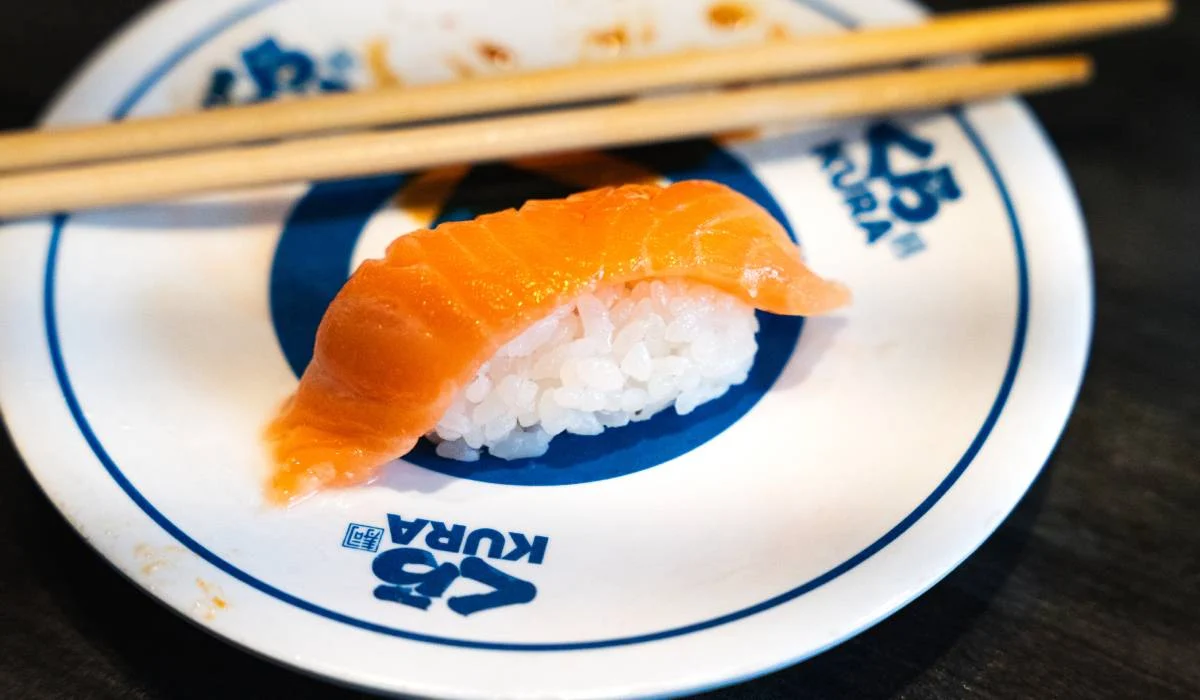
Kura Sushi USA, the technology-enabled revolving sushi chain, is preparing for a significant strategic shift by rolling out a series of value-priced meal combinations across its national footprint. The decision comes after a successful pilot program in October demonstrated that lower price points could attract price-sensitive diners without eroding the average transaction value. The move is designed to address a persistent slump in guest traffic, particularly during the weekday lunch period, as the brand navigates a volatile consumer environment characterized by cautious discretionary spending and high menu prices.
The upcoming nationwide rollout, scheduled for the company’s second fiscal quarter—which spans December 1 through February 28—marks a departure from the chain’s traditional reliance on its "Bikkura Pon" prize system and intellectual property (IP) collaborations to drive visits. By introducing meal bundles priced at $9.99 and $11.99, Kura Sushi aims to reposition itself as a viable option for the "everyday" lunch consumer, a segment that has increasingly moved toward lower-cost fast-casual competitors as Kura’s average check climbed toward the $30 mark.
Strategic Pivot to Affordability
The catalyst for this nationwide initiative was a targeted three-day pilot program conducted in October. During this test, the chain offered meal combinations specifically to its rewards members. Despite the limited scope of the promotion and the lack of external advertising, the discounted meals accounted for 5 percent of all orders. More importantly for the company’s bottom line, the introduction of these lower-priced options did not result in a "trade-down" effect that would reduce the average spending per customer. Instead, it appeared to capture incremental visits from diners who might otherwise have bypassed the restaurant due to budget constraints.
CEO Jimmy Uba emphasized the dual-track strategy during a recent earnings call, stating that the brand must remain accessible to a wide spectrum of consumers. "So if somebody only has $12, we want Kura to be a great option. But if they can spend more, we want them to come as well," Uba noted. To support this, the company is also developing off-premises value bundles and preparing its first major foray into paid advertising to reach "top-of-funnel" customers who are not yet familiar with the brand’s unique revolving sushi concept.
Analyzing the Traffic Downturn and Fiscal Q4 Performance
The urgency behind the value meal launch is underscored by Kura Sushi’s recent financial performance. In the fourth fiscal quarter, the company reported a 5.7 percent decline in same-store sales. This figure was driven by a sharp 11.5 percent drop in guest traffic, which was only partially offset by a 5.8 percent increase in the combination of menu pricing and product mix.
Internal data analysis conducted by the company in August revealed that the majority of the traffic weakness was concentrated in the weekday lunch daypart. This trend was not isolated to specific geographic regions but was observed across its various markets, suggesting a broader macroeconomic pressure on the consumer. While Kura has successfully attracted "premium" diners—those accustomed to paying higher prices for sushi—the gains in this high-end segment have not been sufficient to compensate for the loss of more frequent, budget-conscious visitors.
In the early stages of the first fiscal quarter of 2027, same-store sales have shown slight improvement, narrowing to a negative 3.1 percent. However, management clarified that this improvement is largely due to customers choosing more expensive items (mix) rather than a recovery in the number of people walking through the doors. Consequently, the company has decided to pause further price increases. A previous 3.5 percent price hike expired in November and was not renewed, as the chain seeks to stabilize its traffic through value rather than margin-chasing price hikes.
A Chronology of Growth and Tactical Adjustments
Kura Sushi’s trajectory over the past year reflects a transition from rapid, percentage-based expansion to a more measured, count-based growth strategy. Having established a presence in 25 states and nearing the milestone of 100 domestic locations, the company is adjusting its development pace to ensure operational stability and reduce the risk of internal competition.
The FY 2026-2027 Timeline:
- August 2026: Internal reviews identify significant traffic loss in weekday lunch segments.
- October 2026: Launch of the three-day value meal pilot for rewards members.
- November 2026: Expiration of the 3.5 percent price increase; management decides not to implement new pricing.
- December 2026 – February 2027: Planned nationwide rollout of value meal combinations and "Kura Reserve" limited-time offerings.
- Mid-2027: Standardizing robot dishwasher technology in all new restaurant builds.
The company expects to open 17 new restaurants in fiscal 2027, representing an 18 percent growth in units. This is a slight deceleration from the historical 20 percent pace. Management indicated that future growth would likely follow a sequence of 17, 18, and 19 openings in successive years. A key focus of this expansion will be "new market" entries. Currently, about 55 percent of planned openings are in territories where Kura does not yet have a presence. This shift is intended to mitigate "cannibalization"—a phenomenon where new restaurants siphon sales from existing locations. In fiscal 2026, cannibalization was estimated to have reduced same-store sales by approximately 2 percent, particularly in high-density markets like San Diego and Austin.
Leveraging Intellectual Property and "Bikkura Pon"
While value meals are the newest tool in Kura’s arsenal, the chain continues to lean heavily into its successful intellectual property (IP) collaborations. The "Bikkura Pon" system—where guests receive a small prize for every 15 plates inserted into the table’s disposal slot—remains a core differentiator.
For fiscal 2027, Kura has planned eight major IP collaborations, an increase from seven in the previous year. The current schedule includes:
- November – December: Yoshi (Nintendo)
- January: Hatsune Miku
- February – March: Godzilla
These collaborations are designed to drive "event-based" dining, encouraging fans of these franchises to visit multiple times to collect various prizes. However, management admitted that not every collaboration in the previous year met expectations. Furthermore, external factors such as the World Cup were found to disrupt typical dining patterns, with an anticipated post-tournament recovery failing to materialize as strongly as predicted. To bolster the food-focused aspect of these visits, Kura is also increasing its "Kura Reserve" limited-time offerings from nine to 12 annually.
Operational Efficiencies and the Role of Automation
To protect profit margins while holding the line on menu prices, Kura Sushi is doubling down on operational efficiencies. The most visible of these efforts is the deployment of robot dishwashers. By the end of the current fiscal year, the company expects to have completed retrofits in nearly all existing locations. Starting in the second half of fiscal 2027, these robots will be a standard feature in all new builds.
The impact of automation and labor management has already begun to show in the financial reports. In fiscal 2026, the company faced significant headwinds from tariffs, which added 180 basis points to the cost of goods sold. However, Kura was able to offset this by achieving 190 basis points of labor improvement—nearly double its original goal. For fiscal 2027, the company is targeting an additional 100 basis points of labor efficiency, which is expected to support a restaurant-level operating profit margin of approximately 19 percent. The full annual benefit of the robot dishwasher rollout is projected to add another 30 basis points to the margin in fiscal 2028.
Financial Outlook and Industry Implications
Kura Sushi reported total quarterly sales of $88.9 million, an increase from $79.4 million in the same period the previous year. Despite the revenue growth, the company recorded a net loss of $300,000, compared to a net income of $2.3 million a year earlier. This swing highlights the increased costs of expansion and the impact of declining traffic on the bottom line. Adjusted EBITDA, however, remained positive and grew slightly to $7.7 million.
The sales guidance for fiscal 2027 is set between $376 million and $381 million. The achievement of the upper end of this range is contingent on the company successfully flattening its traffic declines or achieving slightly positive same-store sales in the latter half of the year.
The broader implication of Kura Sushi’s strategy is reflective of a wider trend in the American dining industry. As the "value wars" intensify among fast-food giants like McDonald’s and Burger King, fast-casual and full-service brands are finding that they can no longer rely solely on brand loyalty or unique "eatertainment" features. The move toward transparent, sub-$12 pricing for lunch suggests that even specialized concepts like revolving sushi must compete on price to maintain frequency.
As Kura Sushi moves into the second half of its fiscal year, the success of its value meal rollout will serve as a bellwether for the brand’s ability to evolve. If the chain can successfully bridge the gap between being a "destination" restaurant for special occasions and an "everyday" option for lunch, it may find the path back to consistent traffic growth. For now, the focus remains on execution: refining the value offerings to protect margins, automating back-of-house tasks to lower costs, and using high-profile collaborations to keep the "Bikkura Pon" machines spinning.