admin
admin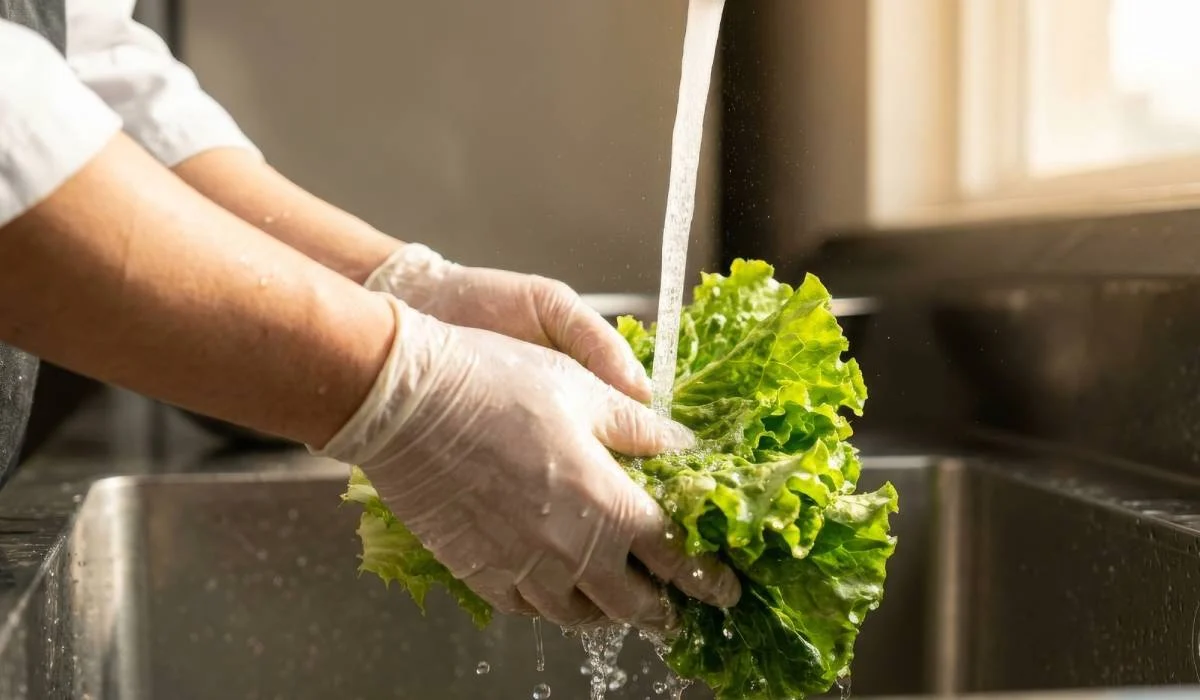
The recent surge in foodborne illness investigations has placed the restaurant industry under intense scrutiny, particularly following a significant Cyclospora outbreak linked to shredded iceberg lettuce served at Taco Bell locations. This incident, traced back to lettuce supplied by Taylor Farms, highlights a critical vulnerability in the food service sector: while restaurants are rarely the primary source of contamination, they are the final link in the supply chain and often bear the brunt of public fallout. As federal health agencies continue to refine their oversight of fresh produce, restaurant brands are finding that their survival depends not just on the quality of their service, but on the sophistication of their recall management systems.
Contextualizing the Cyclospora Threat in the Modern Supply Chain
Cyclospora cayetanensis is a microscopic parasite that causes cyclosporiasis, an intestinal illness typically characterized by prolonged watery diarrhea, fatigue, and nausea. Unlike many bacterial pathogens that can be mitigated through cooking, Cyclospora is frequently associated with fresh produce that is consumed raw. In the United States, outbreaks are often seasonal, peaking during the spring and summer months, and are frequently linked to imported berries, herbs, and leafy greens.
The current investigation involving Taco Bell and Taylor Farms underscores the complexity of the modern agricultural supply chain. When a processor like Taylor Farms identifies a potential contamination or when the Centers for Disease Control and Prevention (CDC) links a cluster of illnesses to a specific ingredient, the ripple effect through the restaurant industry is instantaneous. For a national brand like Taco Bell, the logistical challenge of identifying which specific batches of lettuce reached which franchises requires a level of data granularity that many systems still struggle to provide.
Chronology of a Crisis: From Detection to Mitigation
The timeline of a typical foodborne illness outbreak generally follows a standard pattern of detection, traceback, and action. In the case of the recent Cyclospora incident, the process began with health departments reporting an unusual spike in gastrointestinal illnesses.
- Surveillance and Identification: Epidemiologists at the CDC and state levels identify a commonality among infected individuals—in this case, consumption of specific menu items at Taco Bell.
- Traceback Investigation: The Food and Drug Administration (FDA) works backward from the point of sale to the distributor and, eventually, the processor. This phase identified Taylor Farms as the common supplier of the shredded iceberg lettuce.
- Notification and Recall: Once the source is confirmed, the supplier issues a voluntary recall. The restaurant brand must then mobilize its internal teams to halt the use of the product across affected regions.
- Public Communication: The brand and health agencies issue public health alerts to inform consumers who may have been exposed.
- Post-Incident Analysis: After the immediate threat is neutralized, the focus shifts to auditing the failure point and reinforcing supply chain protocols.
The Economic and Reputational Stakes of Recall Management
The financial implications of an ineffective recall are staggering. According to industry data from the Grocery Manufacturers Association (GMA), the average cost of a recall for a food company is approximately $10 million in direct costs alone. These costs include the physical removal of the product, disposal, logistical expenses, and legal fees. However, for restaurants, the indirect costs—lost sales due to diminished consumer trust and long-term brand erosion—can be far higher.
A mismanaged recall can lead to a "halo effect" of negativity that spans an entire brand’s portfolio. If consumers perceive a restaurant’s response as slow, opaque, or disorganized, the damage to the brand’s reputation can take years to repair. Conversely, a transparent and rapid response can actually strengthen consumer loyalty by demonstrating a brand’s commitment to safety over profits.
Establishing Objective Metrics for Recall Effectiveness
Despite the high stakes, the food service industry has historically lacked a unified standard for measuring how well a recall is executed. The Alliance for Recall Ready Communities is currently working to bridge this gap by creating objective benchmarks. Until these standards are codified, restaurant leaders must implement their own internal Key Performance Indicators (KPIs) to evaluate their readiness.
1. Decision-Making Velocity and Accuracy
The most critical factor in limiting exposure is the speed at which a brand moves from receiving a notification to taking action. This metric tracks the "time-to-mobilization."
- Actionable Strategy: Brands must identify a core crisis management team in advance. This team should include representatives from supply chain, legal, communications, and quality assurance.
- The Role of Technology: Integrated digital platforms allow for real-time communication with trading partners, moving away from slow, manual processes like spreadsheets and phone chains.
2. Communication Precision and Reach
Delayed or confusing notifications can lead to contaminated products remaining in the kitchen. Effective communication must be bifurcated: internal instructions for staff and external messaging for the public.
- Internal Metrics: Tracking the percentage of locations that confirmed receipt of the recall notice within the first hour.
- External Metrics: Monitoring the reach of social media alerts and the engagement rates of push notifications sent via loyalty apps.
- Preparation: Developing pre-approved templates for various scenarios ensures that messaging is clear, concise, and free of jargon that might confuse front-line employees or customers.
3. Product Removal and Verification
The primary goal of any recall is the 100% removal of affected items from the supply stream.
- Metrics: Brands should track the "capture rate"—the amount of affected product recovered versus the amount shipped.
- Verification: Product removal verification must be non-negotiable. This involves digital or physical "proof of destruction" or return-to-vendor documentation that ensures no contaminated lettuce accidentally remains in a walk-in cooler.
4. Consumer Sentiment Analysis
Public perception is a lagging but vital indicator of recall success. In the digital age, consumer sentiment can be measured in real-time through social media monitoring and sentiment analysis tools.
- Tracking Metrics: Brands should analyze the volume of negative mentions versus positive or neutral mentions regarding the recall response.
- Shift in Perception: Increasingly, consumers do not view the occurrence of a recall as a failure, but rather as a sign that the safety system is working. The "failure" in the eyes of the public is an inadequate or deceptive response.
5. Documentation and Regulatory Resolution
Accurate record-keeping is not just a best practice; it is a legal requirement under the Food Safety Modernization Act (FSMA).
- FSMA Section 204: This specific regulation, the Traceability Rule, requires companies to maintain detailed records of "Key Data Elements" for certain "High-Risk Foods," which includes leafy greens.
- Metrics: The completeness and accuracy of the "recall file"—the collection of all documents, communications, and disposal records—are essential for satisfying FDA inspectors and insurance providers.
The Broader Impact: Towards a More Resilient Food System
The Taco Bell and Taylor Farms incident serves as a catalyst for a broader discussion on industry-wide resilience. As supply chains become more global and complex, the frequency of recalls is likely to remain steady or increase due to more sensitive detection methods.
Industry experts suggest that the future of food safety lies in "interoperability"—the ability of different companies’ tech systems to speak to one another. When a supplier identifies a problem, that data should ideally flow automatically into the restaurant’s inventory system, triggering an immediate hold on the affected lot numbers.
Furthermore, the role of the Alliance for Recall Ready Communities is becoming increasingly central. By fostering collaboration between retailers, processors, and regulators, the Alliance aims to move the industry from a reactive posture to a proactive one. This includes the development of a "common language" for recalls, ensuring that when a crisis hits, there is no ambiguity about the severity or the required actions.
Conclusion
The Cyclospora outbreak is a reminder that in the food industry, safety is a collective responsibility. While Taco Bell was not the source of the parasite, their role in the recall process was pivotal in protecting public health. For restaurant brands, the message is clear: preparation is the only defense against the unpredictable nature of biological contaminants. By implementing robust tracking systems, defining clear success metrics, and prioritizing transparent communication, restaurants can navigate the complexities of a recall while preserving the most valuable asset they have—consumer trust. Proper preparation does more than just satisfy regulators; it ensures that a brand can survive a crisis and emerge with its reputation intact.