admin
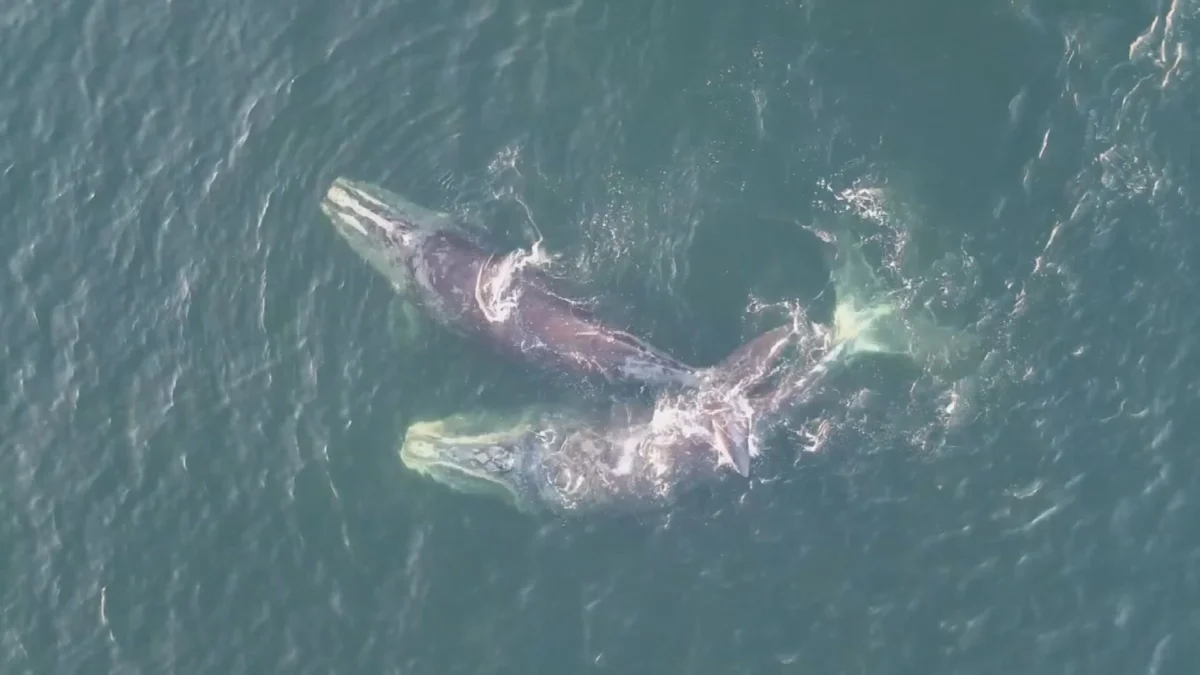
Halifax, Nova Scotia – New groundbreaking genomic research presented at the North Atlantic Right Whale Consortium meeting in Halifax on Monday, November 17, 2026, has shed critical light on a perplexing challenge facing the critically endangered North Atlantic right whale: a significantly suppressed birth rate. Preliminary findings indicate that an astonishing up to 70 percent of North Atlantic right whale fetuses may be lost due to inbreeding, a factor that closely mirrors the observed 70 percent reduction in the species’ overall reproductive capacity. This revelation arrives at a time when the population, estimated at a mere 382 individuals as of 2025, continues its precarious decline, having decreased by another two percent in the past year, despite a recent calving season that offered a rare glimmer of hope.
Unveiling the Genetic Bottleneck: A Double-Edged Sword
Professor Tim Frasier of Saint Mary’s University in Halifax, a lead researcher involved in this pivotal study, highlighted the profound implications of these findings. For years, scientists have grappled with the mystery of why this iconic marine mammal, once numbering in the tens of thousands before industrial whaling decimated its ranks, struggles to replenish its numbers even when adult females appear reproductively capable. The genomic data now points to a severe genetic bottleneck, a legacy of historical population collapse that has left the species with extremely low genetic diversity. This lack of diversity dramatically increases the likelihood of deleterious recessive genes being expressed, often with lethal consequences during early developmental stages.
The paradox, as Professor Frasier explained, is that while this high rate of fetal loss is undeniably tragic and contributes directly to the species’ short-term struggle for survival, it may also be acting as a harsh, albeit necessary, evolutionary mechanism. By "purging" these harmful genes from the population’s gene pool, nature is, in effect, attempting to promote long-term genetic diversity and resilience. This brutal selective pressure, while limiting immediate population growth, could theoretically pave the way for a healthier, more robust lineage in the distant future, leading to an eventual decline in inbreeding-related fetal losses. However, the critical caveat is that the species must first endure this perilous period of severely reduced reproduction, a challenge compounded by persistent external threats.

A Species on the Brink: Historical Context and Current Status
The North Atlantic right whale (Eubalaena glacialis) has been designated as critically endangered by the International Union for Conservation of Nature (IUCN) for decades, representing one of the planet’s most imperiled large whale species. Its historical decline began centuries ago when its slow swimming speed, tendency to feed and calve in coastal waters, and high blubber content made it the "right" whale to hunt. Commercial whaling, particularly from the 17th to 19th centuries, pushed the species to the precipice of extinction, reducing its population from an estimated 10,000-20,000 individuals to just a few hundred by the mid-20th century. Despite international protection efforts since the 1930s, the species has never fully recovered, facing a new array of anthropogenic threats in its modern habitat.
The population trajectory has been particularly alarming in recent years. After a period of modest growth in the late 20th and early 21st centuries, the population began to decline sharply around 2010. The 2017 mortality event, where 17 right whales were found dead in Canadian and U.S. waters, primarily in the Gulf of St. Lawrence, served as a stark warning of the escalating crisis. This event underscored the devastating impact of human activities and prompted intensified conservation efforts, including new regulations on shipping and fishing. However, these measures have yet to reverse the downward trend. The preliminary estimate of 382 whales in 2025 marks a continued erosion of the species’ numbers, highlighting the urgent need for more effective intervention and a deeper understanding of all limiting factors.
The Calving Conundrum: A Glimmer of Hope Dimmed by Reality
The 2025-2026 calving season offered a bittersweet narrative. With 24 new calves identified, it was celebrated as one of the strongest calving seasons on record since 2009, bringing a much-needed surge of optimism to the conservation community. Calves are typically born in the warmer waters off the southeastern United States (Florida and Georgia) between December and March, before migrating north with their mothers to feeding grounds off New England and Atlantic Canada. Each new birth is a victory, a testament to the resilience of these magnificent creatures.
However, Professor Frasier’s research casts a sobering shadow over this positive development. While 24 calves are significant, they are far fewer than what the population is theoretically capable of producing. Frasier noted that if all adult females were giving birth at anticipated rates, factoring in their reproductive cycles and age structure, the number of new calves could have been closer to 100. This stark discrepancy underscores the profound impact of inbreeding-related fetal loss. The external threats of ship strikes and fishing gear entanglements might prevent adult females from even reaching reproductive age or surviving long enough to calve multiple times, but the genetic issues are now revealed as an insidious internal barrier to population growth, limiting the efficacy of even robust calving seasons.

Persistent Anthropogenic Threats: A Race Against Time
While the genomic findings add a new layer of complexity, the leading causes of North Atlantic right whale mortality remain unequivocally human-induced: vessel collisions and entanglement in commercial fishing gear. These "anthropogenic" factors are immediate and often lethal, directly counteracting any potential genetic recovery.
Vessel Collisions: Right whales are particularly vulnerable to ship strikes due to their coastal habitats, their tendency to feed and socialize near the surface, and their slow swimming speed. Collisions with large vessels, from cargo ships to cruise liners, can cause catastrophic injuries, including fractured skulls, severed tails, and propeller wounds that often lead to agonizing deaths. Both the United States and Canada have implemented various measures to mitigate this threat, including mandatory and voluntary speed restrictions in specific areas and seasonal management areas (SMAs) where whales are known to aggregate. Dynamic Management Areas (DMAs) are also established in response to whale sightings, requiring vessels to slow down. However, compliance remains a challenge, and monitoring effectiveness is an ongoing effort.
Fishing Gear Entanglements: Entanglement in fishing gear, primarily lines associated with lobster and crab pots, is another devastating threat. Whales can become entangled around their mouths, flippers, or tails, dragging heavy gear for months or even years. This can lead to severe injuries, infections, starvation, and ultimately, death. The energy expended to drag gear reduces a whale’s ability to feed, reproduce, and migrate. Conservation efforts have focused on developing "ropeless" fishing gear technologies, modifying existing gear to be weaker and more easily broken by whales, and implementing seasonal or dynamic closures of fishing grounds when whales are present. However, the economic impact on fishing communities and the logistical challenges of implementing new technologies have made progress difficult and often contentious.
The Interplay of Genetics and Environment: A Call for Integrated Conservation
The new genomic insights underscore the urgent need for an integrated approach to conservation. While understanding and addressing the genetic challenges are crucial for the species’ long-term viability, they cannot supersede the immediate imperative to eliminate preventable deaths from ship strikes and entanglements. As Professor Frasier emphasized, "I think they are in this critical period where they’re suffering from these genetic factors and other things. So we need to stop killing them in order to allow them to survive and get through this."

Conservationists and governmental agencies, including NOAA Fisheries in the U.S. and Fisheries and Oceans Canada (DFO), have long recognized the precarious state of the right whale. This new research provides a scientific foundation for understanding why even robust conservation efforts have struggled to yield the desired population rebound. It suggests that merely reducing mortality might not be enough; the species needs a period of sustained low mortality and increased reproductive success to overcome its current genetic hurdles.
Beyond the immediate threats, other environmental stressors are also at play. Climate change, for instance, is altering ocean temperatures and currents, impacting the distribution and abundance of Calanus finmarchicus, the small copepods that form the primary food source for North Atlantic right whales. Changes in food availability can affect the whales’ overall health, reproductive success, and migratory patterns, forcing them into new areas where they may encounter different or increased human-related threats. Ocean noise pollution from shipping, seismic surveys, and military sonar can also interfere with whale communication, navigation, and feeding behaviors, adding further stress to an already vulnerable population.
Future Directions and the Road Ahead
Moving forward, Professor Frasier and his team plan to quantify the exact determinant role of low reproduction in the population’s recovery. This will involve developing sophisticated population projection models. These models will compare existing population trends—which incorporate the observed low reproductive rates and ongoing mortalities—with hypothetical scenarios. Specifically, they will simulate what the population trajectory would look like if none of the fetuses were lost due to inbreeding. Such analyses will provide critical data for policymakers and conservation managers, allowing them to better prioritize interventions and allocate resources.
The findings from the North Atlantic Right Whale Consortium meeting serve as a powerful reminder of the complex and interconnected challenges facing endangered species. The survival of the North Atlantic right whale hinges on a delicate balance: minimizing human-caused mortalities while simultaneously allowing the species enough breathing room and time for its intrinsic genetic mechanisms to begin repairing generations of damage. International cooperation between Canada and the United States, alongside the dedication of scientists, policymakers, fishing communities, and the shipping industry, will be paramount in navigating this critical period and ensuring a future for these majestic whales. Without a concerted and intensified effort on all fronts, the North Atlantic right whale risks succumbing to the combined pressures of a dwindling gene pool and an increasingly perilous ocean environment.