 admin
admin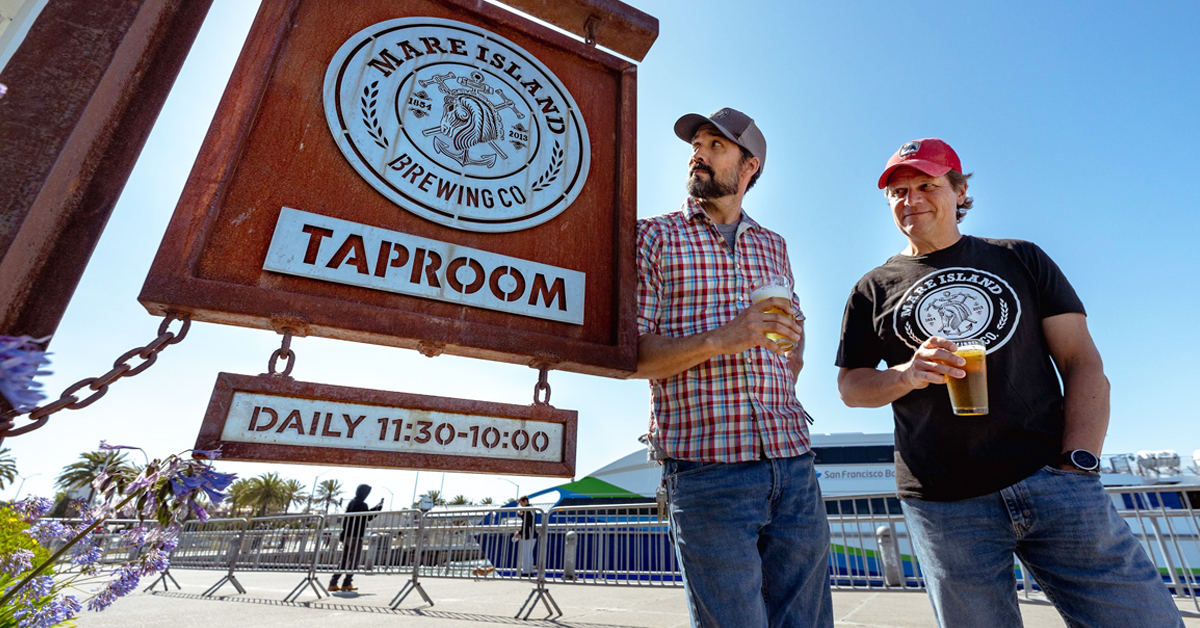
The production of premium beverages in California has long been defined by a rigorous dedication to fermentation science, but a growing cohort of artisans is proving that the boundaries between the cellar and the brewhouse are increasingly porous. In the high-stakes environments of Napa Valley, Sonoma County, and the Central Coast, a professional crossover is occurring where winemakers are applying their viticultural discipline to the craft beer industry. This transition is fueled by a shared technical foundation in microbiology and a cultural tradition that views a cold, crisp lager as the essential restorative for a palate fatigued by the high acidity and tannins of wine production. As the largest producer of both wine and craft beer in the United States, California serves as the primary laboratory for this dual-industry synergy, where the adage "it takes a lot of beer to make good wine" has evolved from a cellar-floor joke into a legitimate business model.
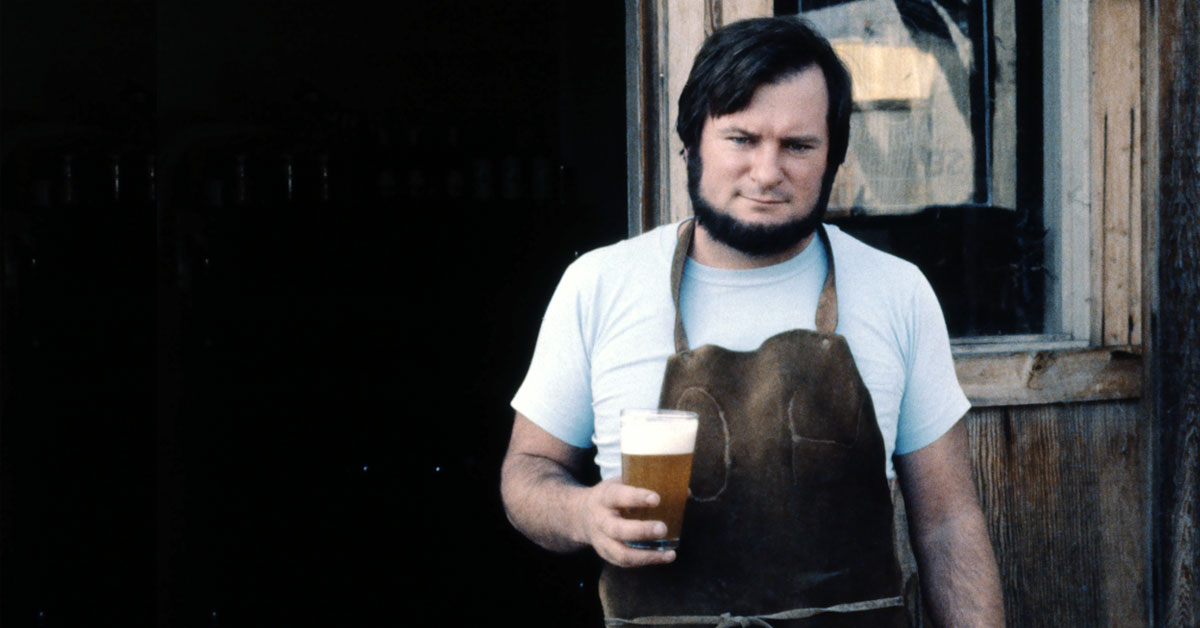
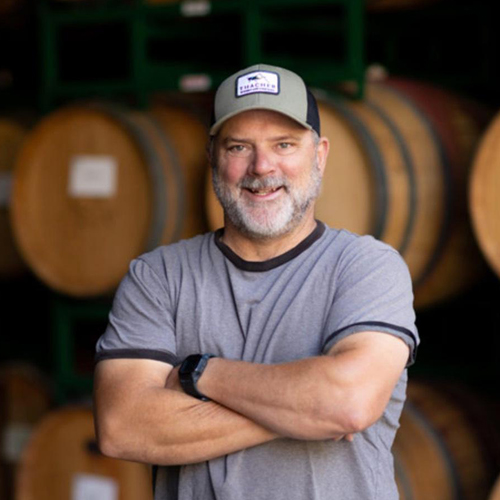
The technical overlap between these two disciplines is rooted in the mastery of yeast management, temperature control, and sanitation. Sherman Thacher, the founder of Thacher Winery in Paso Robles, exemplifies this career trajectory. Before establishing his reputation as a premier winemaker on California’s Central Coast, Thacher spent over a decade as a brewmaster. From 1992 to 2006, he led the brewing operations at the Los Gatos Brewing Company, focusing primarily on traditional German-style beers. Thacher’s transition to the vineyard did not signal an abandonment of his brewing roots; rather, it integrated the precision of the brewhouse into the more seasonally volatile world of winemaking. According to Thacher, the attention to detail required in brewing—where consistency is the ultimate metric of success—provides a significant advantage in the winery. While wine is often considered more resilient due to its lower pH and higher alcohol content, Thacher asserts that the rigorous habits formed in a commercial brewery are invaluable for maintaining quality control during the delicate stages of grape fermentation.
The Strategic Shift From Grapes to Grains
The narrative of the winemaker-turned-brewer is further illustrated by the founders of Mare Island Brewing Co., Kent Fortner and Ryan Gibbons. The pair met on a Napa Valley crush pad, the epicenter of American winemaking, where they were both trained in the traditional methods of viticulture. Their partnership eventually led to the 2013 launch of Saginaw Golden Ale, a beer named in tribute to the USS Saginaw, the first ship built at the historic Mare Island Naval Shipyard. Established in 1854 as the first U.S. naval installation on the West Coast, Mare Island provides a backdrop of industrial heritage that informs the brewery’s identity. The shipyard was decommissioned in 1996, leaving behind a vast architectural landscape that Fortner and Gibbons have repurposed for their craft.
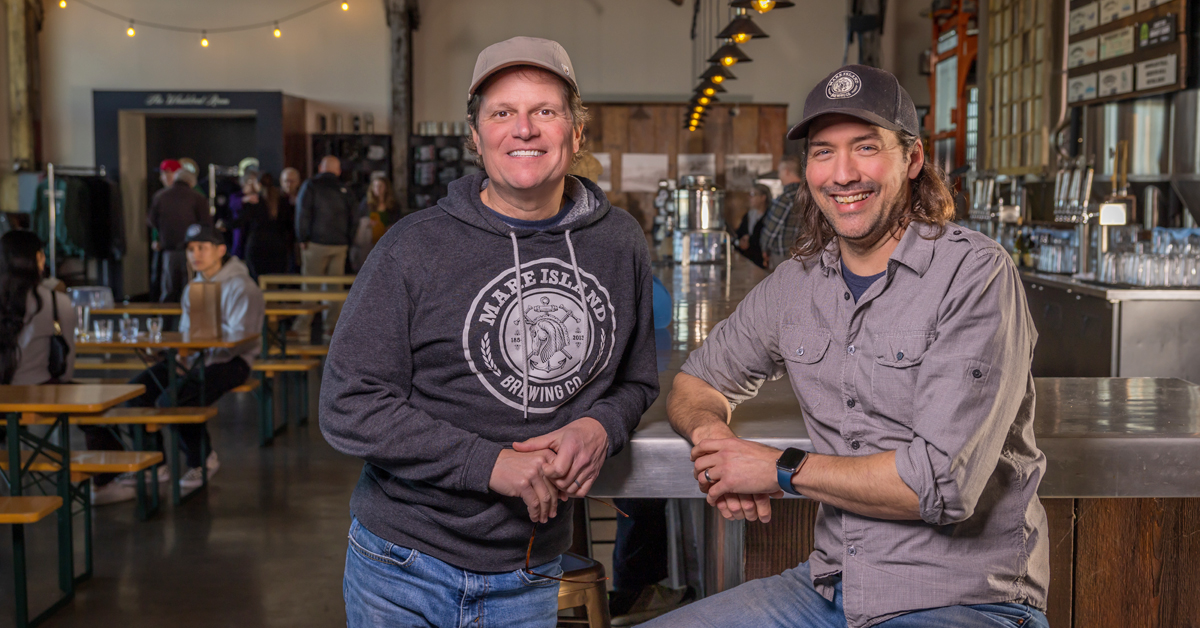
The duo’s expansion has been rapid, moving from a single brew to three distinct locations: the Ferry Taproom in Vallejo, the Coal Shed Brewery on the Mare Island waterfront, and the First Street Taproom in Benicia. Despite the success of the brewing venture, the influence of the vineyard remains a permanent fixture. Fortner continues to operate Road 31 Wine Co., a boutique operation that has produced a singular Napa Valley Pinot Noir for over two decades. This dual-track career allows for a unique cross-pollination of branding and consumer experience. In their taprooms, Mare Island pours Fortner’s Road 31 wines alongside their beers, creating a hybrid space that caters to the diverse palates of Northern California’s "fermentation tourists."
Ryan Gibbons’ transition was motivated by a desire for the creative flexibility inherent in brewing. After leaving the wine industry, he joined the production team at Lagunitas Brewing Co. in Petaluma, one of the most influential craft breweries in the world. Gibbons notes that while he retains a deep appreciation for the seasonality and artistry of wine, the brewing industry offers a faster pace of innovation and a more collaborative community. This sentiment is echoed across the industry; whereas a winemaker has only one opportunity per year to craft a vintage, a brewer can experiment with new recipes and techniques every week.
Technical Divergence and Aesthetic Synergy
While the fundamental chemistry of fermentation links the two industries, the philosophical approaches to the final product often diverge. Remy Martin, co-founder of Fogbelt Brewing in Sonoma County, highlights the different expectations of consumers in each market. Martin, whose father Dennis Martin served as a winemaker at Fetzer Vineyards for 30 years, grew up immersed in wine culture but found himself drawn to the accessibility and consistency of beer. After studying at the University of California, Davis—a world-renowned institution for both viticulture and brewing—Martin and his partner Paul Hawley launched Fogbelt with a focus on precision.
According to Martin, the concept of "vintage" is where the two worlds most significantly part ways. In the wine world, year-to-year variation is not only expected but celebrated as a reflection of terroir and climate. In contrast, the craft beer consumer generally demands absolute consistency in flagship labels. A brewer’s success is often measured by their ability to replicate a specific flavor profile regardless of the time of year or the source of the raw materials. However, Martin acknowledges that winemaking techniques, such as anaerobic fermentation and barrel-aging, have become increasingly popular in the craft beer space. The use of neutral wine barrels for aging "sour" or "wild" ales is a direct result of the proximity between these two industries in regions like Sonoma and Napa.
The influence of wine is also visible in the branding and marketing strategies of crossover breweries. Gibbons points out that Mare Island Brewing Co. deliberately avoids the "cheeky" or "crass" label designs that have become a hallmark of some segments of the craft beer market. Instead, they opt for a visual language that mirrors the elegance and classicism of the wine industry. This "winemaker’s lens" helps to elevate the perception of craft beer, positioning it as a sophisticated beverage suitable for fine dining and serious tasting, rather than just a casual refreshment.
Economic Impact and Industry Data
The synergy between the wine and beer industries is a significant driver of California’s economy. According to data from the Wine Institute, California’s wine industry contributes approximately $57.6 billion annually to the state’s economy and supports more than 325,000 jobs. Simultaneously, the California Craft Brewers Association reports that the state’s 1,100+ craft breweries contribute over $9 billion to the economy. The overlap in these sectors is particularly evident in tourism. Regions like Paso Robles and Sonoma have seen a rise in "dual-threat" destinations where travelers can visit a world-class winery and a top-tier craft brewery within the same five-mile radius.
The University of California, Davis, plays a central role in this industrial ecosystem. Its Master Brewers Program and its Viticulture and Enology department are often housed in the same facilities, leading to a natural exchange of ideas among students. This educational pipeline ensures that the next generation of California’s beverage producers is fluent in both languages of fermentation. The data suggests that as the market for premium beverages becomes more crowded, the ability to diversify—offering both high-end wine and high-quality craft beer—is a strategic advantage for survival and growth.
The Palate Cleanser Phenomenon
Beyond the economics and the science, there is a physiological reason for the close relationship between winemakers and beer. The "palate cleanser" effect is a well-documented phenomenon among professional tasters. After a day of evaluating high-alcohol, high-tannin, and high-acid wines, the human palate experiences sensory fatigue. The carbonation, lower alcohol content, and refreshing bitterness of a cold beer (particularly a pilsner or a lager) act as a reset for the taste buds.
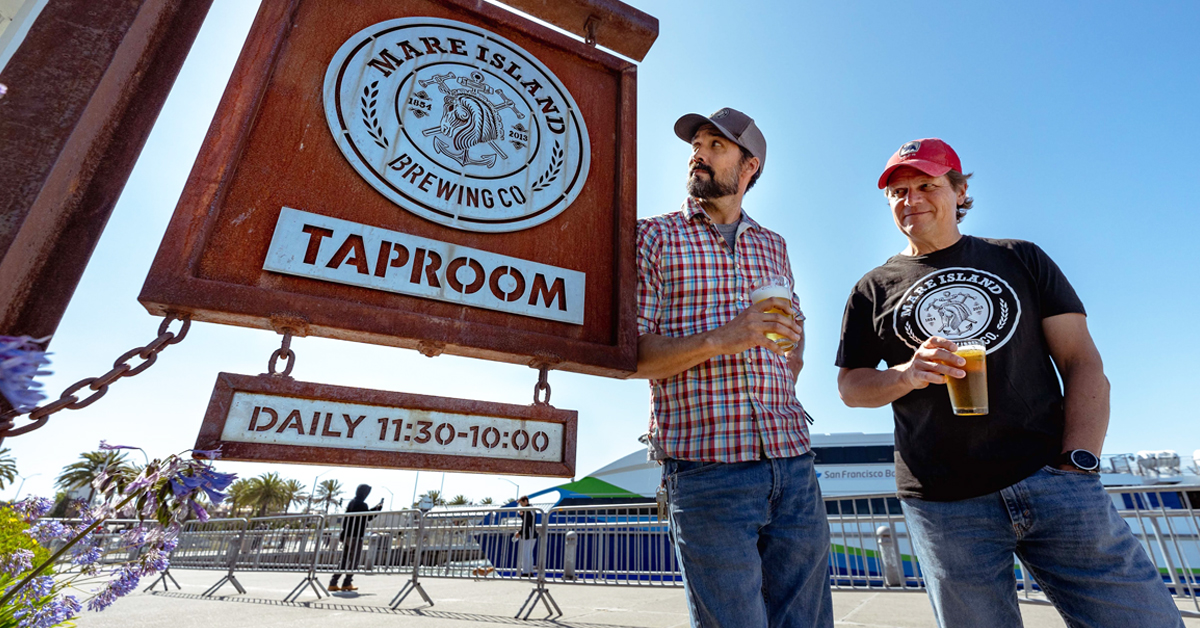
"The end of the day calls for a beer, for sure, whether I’ve been making beer or wine that day," says Kent Fortner. This sentiment is a cornerstone of the culture in California’s wine regions. It is common practice for harvest interns and head winemakers alike to stock their breakroom refrigerators with craft lagers during the "crush" season, when the physical and sensory demands of winemaking are at their peak. For many, like Gibbons, the lower alcohol content of beer compared to wine is a practical choice for those who want to enjoy a beverage for its refreshing properties without the heavy intoxicating effects of a 15% ABV Cabernet Sauvignon.
Broader Implications and Future Outlook
The trend of winemakers entering the brewing space—and vice versa—is likely to accelerate as the beverage industry faces new challenges. Climate change is forcing winemakers to reconsider grape varieties and harvest timelines, while brewers are dealing with fluctuating costs for hops and grain. By maintaining expertise in both fields, producers can hedge against environmental and market volatility.
Furthermore, the rise of "Grape Ales"—a style of beer that incorporates wine grapes or must into the brewing process—represents the literal blending of these two worlds. These hybrid beverages are gaining traction in California, offering a product that appeals to both the beer enthusiast and the wine connoisseur. As the lines continue to blur, the California beverage landscape will likely see more collaborative efforts, shared production facilities, and a continued emphasis on the "fermentation-first" philosophy that unites these two storied traditions.
The evolution of figures like Sherman Thacher, Kent Fortner, and Remy Martin demonstrates that the skills required to produce a world-class beverage are universal, regardless of whether the raw material is a cluster of grapes or a bag of malted barley. As long as the sun shines on California’s vineyards and the state’s brewers continue to innovate, the symbiotic relationship between wine and beer will remain a defining feature of the American craft landscape. Whether as a palate cleanser or a primary profession, beer has secured its place in the heart of wine country.