admin
In the undulating hills and close-knit communities of West Virginia’s eastern panhandle, a region less than a hundred miles from the nation’s capital, the reality of food insecurity for families relying on the Supplemental Nutrition Assistance Program (SNAP) paints a starkly different picture from official narratives. Since the passage of the "One Big Beautiful Bill" by Congress in July 2025, a significant shift has occurred, leading to 14,000 fewer West Virginians, including 4,000 children, accessing SNAP benefits. This reduction, however, does not reflect a sudden improvement in economic conditions; instead, it highlights a deepening crisis for those struggling to put food on their tables.
The Genesis of the Crisis: The "One Big Beautiful Bill"
The "One Big Beautiful Bill," enacted in the summer of 2025, represented a sweeping legislative package championed by congressional Republicans. While its proponents argued it was designed to stimulate economic growth, reduce federal spending, and encourage self-sufficiency through stricter work requirements for aid recipients, its provisions regarding SNAP quickly drew criticism from anti-hunger advocates. The bill included significant cuts to the SNAP program, primarily through the expansion and stricter enforcement of work requirements for able-bodied adults without dependents (ABAWDs), and changes to eligibility criteria that effectively removed a substantial number of individuals and families from the program. Supporters of the bill contended that these measures would incentivize employment and reduce what they characterized as wasteful spending, ultimately fostering greater economic independence among beneficiaries. However, critics warned that such policies would disproportionately impact vulnerable populations, especially in economically challenged regions, by creating insurmountable bureaucratic hurdles and removing a vital safety net without adequately addressing underlying systemic issues like low wages and lack of job opportunities. The bill’s passage set in motion a chain of events that would profoundly reshape the landscape of food assistance across the country, with West Virginia emerging as a critical case study of its immediate human impact.
Ground Zero: Martinsburg and Telamon’s Daily Struggle
In Martinsburg, West Virginia, Aly Nazarok, a housing counselor at Telamon, a national non-profit organization dedicated to assisting low-income individuals with housing and budgeting, offers a sobering perspective on the statistics. "That number doesn’t share the need," Nazarok asserts, her voice tinged with frustration. "That number shares the amount of people who now are unable to access that resource. And that is what we see boots on the ground every day, and that’s the sad and the scary part." Nazarok’s statement cuts to the heart of the issue: the reduction in SNAP recipients is not a sign of lessened hunger, but rather a testament to increased barriers to vital assistance.
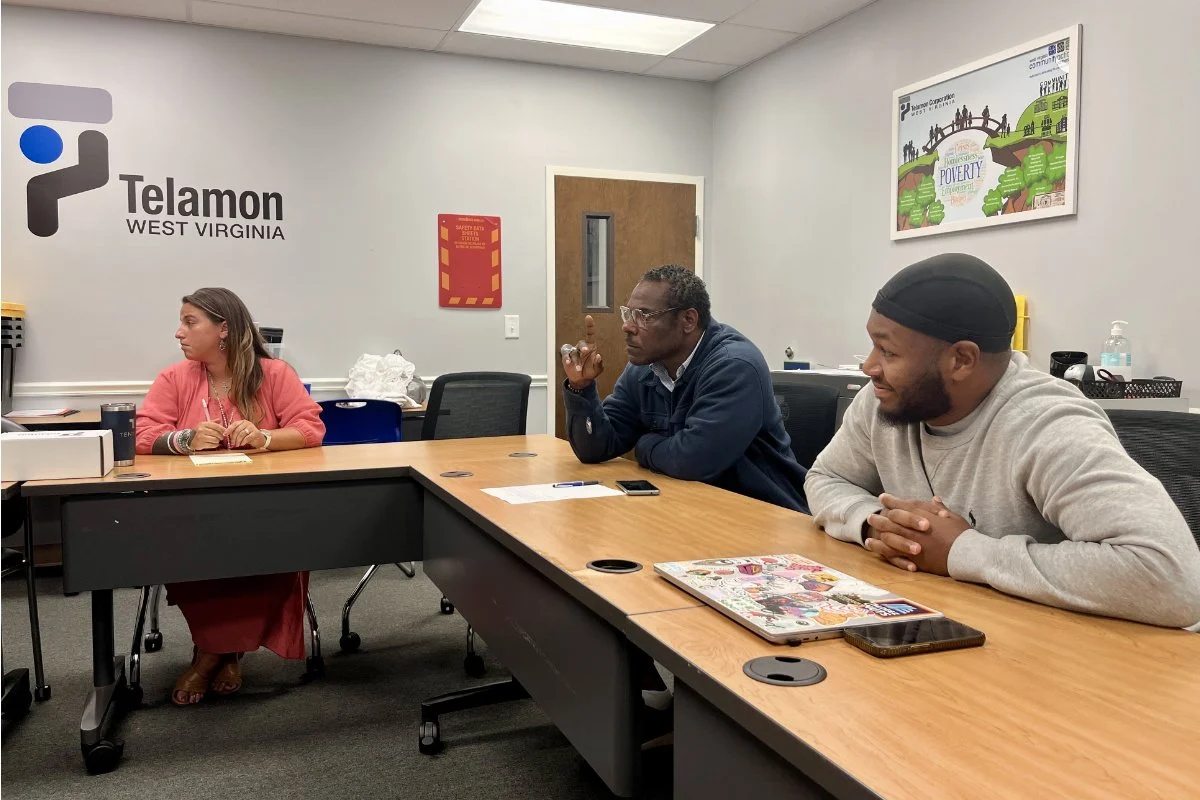
On a recent Wednesday morning, the offices of Telamon served as a poignant gathering point for Civil Eats, where clients and case managers candidly shared their experiences. These firsthand accounts painted a vivid picture of the challenges faced by West Virginians attempting to navigate a system made more complex and less accessible. The rising cost of food, coupled with diminished SNAP access, creates a formidable obstacle for families striving to escape the cycle of poverty.
Chelsea Garcia, a case manager at Telamon, brings a deeply personal understanding to her work. Once a young mother who relied on SNAP benefits herself, Garcia vividly recalls the despair of losing access to that critical support. "I thought I was gonna lose my flippin’ mind," she recounts, remembering the overwhelming feeling of uncertainty. "I don’t know what I’m going to do." Her experience underscores the profound emotional and practical impact of losing such a fundamental safety net, illustrating how quickly stability can unravel for those teetering on the edge of financial precarity. Now, she channels that empathy into guiding other mothers through similar struggles, understanding the immense pressure they face.
The economic squeeze is palpable even for those still receiving benefits. Jerome Lacks, a current SNAP recipient and Telamon client, highlights the drastic erosion of purchasing power. Two years ago, $100 could fill his grocery cart; today, the same amount leaves him wondering where all the food has gone. Jeffery Luff, a veteran, Telamon client, and board member, echoes this sentiment: "You don’t get the same bang for the buck that you get nowadays." Luff points to the trifecta of rising food costs, escalating housing expenses, and stagnant wages in the region as an untenable combination that makes mere survival a daily battle. West Virginia, already facing economic headwinds from the decline of traditional industries and a struggle to diversify its economy, is particularly vulnerable to these inflationary pressures, which disproportionately affect low-income households whose budgets have little to no flexibility.
A Broader Retreat: National SNAP Participation at a 17-Year Low
The challenges witnessed in West Virginia’s eastern panhandle are not isolated incidents but rather a microcosm of a larger national trend. An analysis by the Center on Budget and Policy Priorities (CBPP) reveals a dramatic nationwide decline in SNAP participation, with over 5 million fewer people receiving benefits between July 2025 and June 2026. This precipitous drop marks a 17-year low for the program, a concerning statistic given the absence of any robust indicators suggesting significant national economic improvement. The CBPP report underscored that while official unemployment figures might appear stable, many underlying economic vulnerabilities persist, including underemployment, low-wage work, and the pervasive issue of inflation outpacing wage growth.
This national decline is intricately linked to the direct policy changes embedded within the "One Big Beautiful Bill," particularly the stricter work requirements. These requirements mandate that certain SNAP recipients demonstrate a specified number of work hours per week or participation in approved work-related activities to maintain eligibility. While proponents argue this promotes employment, critics contend that these requirements often fail to account for barriers such as lack of childcare, unreliable transportation, health issues, or the scarcity of available jobs in rural areas like West Virginia.
Beyond the work requirements, state administrators across the country have also intensified bureaucratic hurdles. The amount of paperwork and verification required for both initial SNAP applications and subsequent reapplications has substantially increased. This means longer processing timelines, more frequent requests for documentation, and a greater number of "hoops" for families to jump through. For individuals already navigating complex life circumstances, these administrative burdens can be overwhelming, leading to missed deadlines, incomplete applications, and ultimately, a loss of benefits, not due to lack of need, but due to systemic inaccessibility. The implicit assumption that all applicants possess the time, resources, and literacy to navigate these complex processes often overlooks the realities of poverty, where basic survival takes precedence over bureaucratic compliance. The cumulative effect is a program that, while designed to be a safety net, has become increasingly difficult to access for those who need it most.
The Crumbling Safety Net: Food Banks Under Siege
The ripple effect of reduced SNAP access and rising costs is acutely felt by the nation’s emergency food assistance infrastructure. Case managers at Telamon report that their traditional advice on budgeting and finding savings at the grocery store has become increasingly insufficient. Aly Nazarok notes that more and more clients are now forced to supplement their diminished grocery purchases with visits to local food banks and pantries, a clear indicator of the deepening crisis.
However, these crucial emergency resources are themselves stretched to their breaking point. Yannick Mundy, a housing family mentor at Telamon, describes an "onslaught" of additional need, with food pantries in the area frequently running out of supplies or being left with only a limited selection of commodities. The sheer volume of new clients, coupled with the ongoing demand from long-term users, has created an unsustainable situation for many local charities.
The fragility of this system was starkly exposed during the government shutdown in November 2025, which Nazarok points out, pantries have yet to fully recover from. This shutdown was the longest full government shutdown in history and, notably, the first time SNAP benefits were not disbursed as expected. The expectation that food pantries and emergency programs could temporarily bridge the gap left by delayed federal benefits placed an unprecedented and crushing strain on local organizations, many of which operate on shoestring budgets and rely heavily on volunteers and donations. A poignant example of this distress came from a nearby pantry in Jefferson County, which recently issued a critical plea for aid, citing a severe shortage of basic items like pasta. "That is like 99 cents, like, oh my goodness, what is happening?" Nazarok exclaims, highlighting the alarming nature of such fundamental shortages.
West Virginia’s food pantries are far from alone in this struggle. A comprehensive NBC News survey of 90 major food banks across the United States revealed a stark reality: 75 percent reported an increase in demand for their services. Simultaneously, an alarming 80 percent of the surveyed food banks indicated they were receiving less food from the U.S. Department of Agriculture (USDA), the primary federal provider of food commodities to these organizations. This dual crisis of escalating demand and dwindling supply underscores a critical failure in the broader food assistance system. It directly refutes any claims that the reduction in SNAP recipients is merely about eliminating "waste and fraud"; instead, it provides unequivocal evidence that more people are going hungry or struggling desperately to access adequate nutrition, placing an intolerable burden on a voluntary sector that was never intended to replace, but merely supplement, federal aid.
The Paradox of "Healthy Eating" Restrictions
Adding another layer of complexity to the SNAP landscape are the debates surrounding food restrictions. West Virginia was an early adopter of SNAP food restrictions, with the USDA approving waivers in nearly half the states to limit purchases of items such as candy, soda, and other foods deemed "unhealthy." The waiver in West Virginia took effect at the start of 2026, aiming to steer beneficiaries towards more nutritious choices. However, these restrictions were subsequently paused by a federal judge, highlighting the legal and ethical complexities involved in dictating food choices for low-income individuals.
Generally, both clients and workers at Telamon expressed opposition to these restrictions, citing concerns about autonomy, practicality, and the potential for increased stigma. For many, the focus on specific food items misses the larger point: securing enough calories, regardless of nutritional profile, often takes precedence when faced with severe food insecurity. The idea of "healthy eating" can become a luxury when the primary goal is simply to avoid hunger.
Yet, there are nuanced perspectives. Sequoyah Spears, a Marine veteran and client at Telamon, initially found the soda restrictions "too much." However, through dedicated counseling and support from Telamon advisors, he embarked on a personal journey towards a healthier diet, eventually becoming a vegetarian. His meals now incorporate more kale and experimental vegetarian options like soy corn dogs, a shift he attributes to the "healthy approach." Spears has already experienced tangible benefits: reduced blood pressure, clearer skin, and no longer being pre-diabetic. "That means longevity for myself, because it has caused me to make changes that bettered me," he states.
Spears’ story, while inspiring, also illuminates a critical caveat. His successful transition was heavily reliant on the education and counseling resources provided by Telamon, as well as the time and mental bandwidth to engage in meal prepping and intentional shopping. As Nazarok points out, many West Virginians lack these crucial resources. Even Nazarok, who works three jobs, and her fiancé, who works full-time, find themselves meticulously budgeting and strategically choosing stores to secure the best food deals. "I’m in a spot of privilege, but still our grocery bill is something that causes tension in our household," Nazarok admits. "We’re strapped." This reality underscores that while promoting healthy eating is a worthy goal, imposing restrictions without providing the necessary support systems—nutritional education, cooking classes, access to affordable fresh produce, and sufficient time—can be counterproductive and even punitive. For many, the choice isn’t between healthy and unhealthy, but between eating and not eating.
Broader Implications and The Path Forward
The unfolding crisis in West Virginia’s eastern panhandle serves as a potent illustration of the far-reaching and often unintended consequences of federal policy changes on vulnerable populations. The "One Big Beautiful Bill," while framed as a measure to foster self-sufficiency and fiscal responsibility, has, on the ground, translated into increased hunger, greater strain on an already fragile emergency food system, and deeper entrenchment in poverty for thousands. The 14,000 fewer West Virginians on SNAP are not a testament to improved economic well-being but rather a stark indicator of a safety net that is becoming increasingly inaccessible.
The long-term implications are severe, encompassing public health, child development, and economic mobility. Children growing up with food insecurity face higher risks of chronic health problems, developmental delays, and academic struggles, perpetuating a cycle of disadvantage. Adults forced to contend with hunger are less productive, more susceptible to illness, and face greater obstacles in securing and maintaining stable employment. This creates a reliance on emergency services that is both more costly and less dignified than a robust federal assistance program. The current trajectory risks shifting the burden from federal programs to underfunded local charities and individual families, effectively externalizing the costs of poverty rather than addressing its root causes.
Moving forward, a comprehensive re-evaluation of the "One Big Beautiful Bill" provisions concerning SNAP is imperative. Policy discussions must move beyond simplistic narratives of "waste and fraud" to acknowledge the complex realities of poverty and the vital role SNAP plays in supporting millions of Americans. This would entail:
- Revisiting Work Requirements: Implementing more flexible work requirements that account for individual circumstances, local job markets, and essential support services like childcare and transportation.
- Streamlining Access: Reducing bureaucratic hurdles and simplifying application and reapplication processes to ensure that eligible individuals can access benefits without undue burden.
- Investing in Local Food Systems: Strengthening partnerships between the USDA and local food banks, ensuring a consistent and adequate supply of nutritious food commodities.
- Addressing Root Causes: Focusing on policies that promote living wages, affordable housing, and accessible healthcare, which are fundamental to genuine self-sufficiency.
- Evidence-Based Policymaking: Prioritizing data and on-the-ground experiences from communities like West Virginia’s eastern panhandle to inform policy decisions, ensuring that interventions are effective and humane.
The stories from Martinsburg are not mere anecdotes; they are urgent calls to action. They remind us that behind every statistic of reduced program participation lies a human story of struggle, resilience, and often, silent suffering. Ensuring that all Americans have consistent access to nutritious food is not just a matter of social justice, but a foundational investment in the nation’s collective health, productivity, and future.