admin
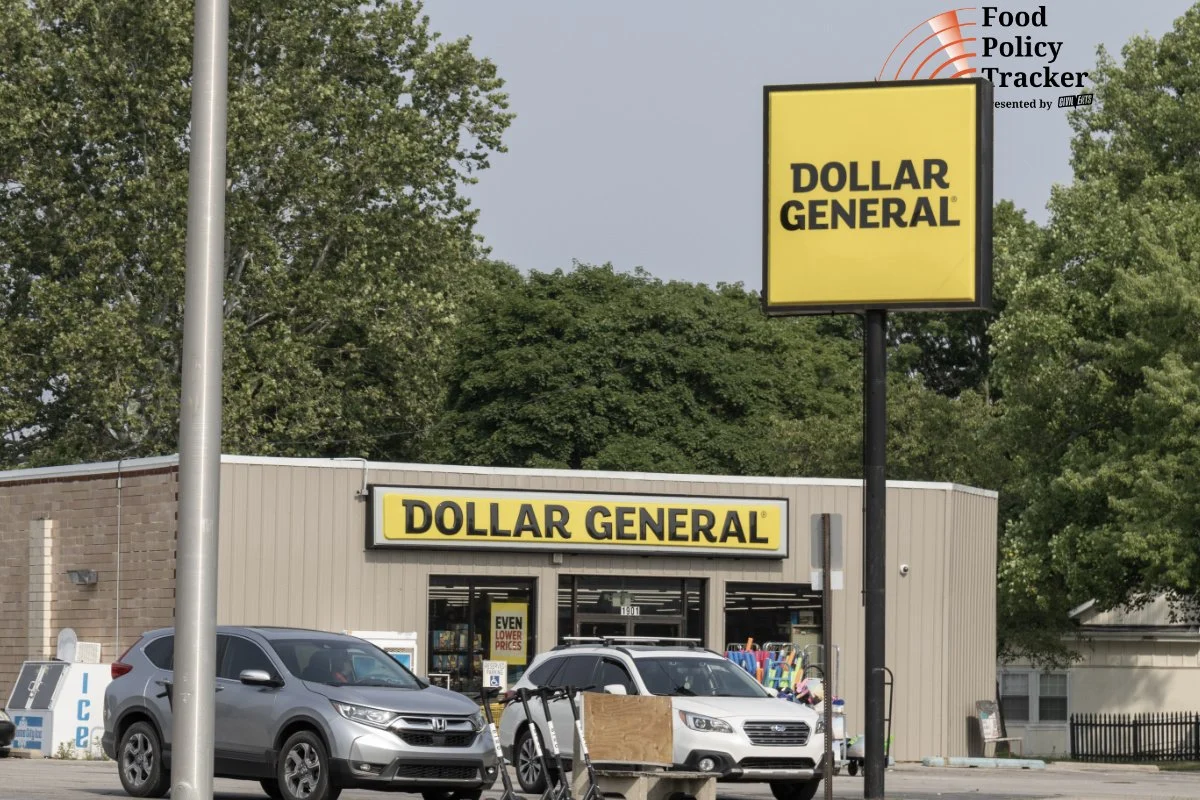
In a significant development for consumer protection and retail oversight, the Federal Trade Commission (FTC), joined by a coalition of 20 states, filed a comprehensive lawsuit against the Dollar General Corporation yesterday, October 27, 2026. The legal action alleges that the discount retail giant has systematically engaged in deceptive pricing practices, consistently charging customers more than the prices displayed on its shelves for years. This lawsuit marks a heightened level of scrutiny on Dollar General, a company deeply embedded in the economic fabric of many American communities, particularly those with limited retail alternatives.
The Genesis of the Complaint: Allegations of Deceptive Pricing
The core of the FTC’s complaint, filed in federal court, centers on accusations that Dollar General knowingly mislabeled prices and subsequently overcharged its customers. According to the complaint, these alleged practices have persisted for an extended period, despite an overwhelming volume of consumer grievances. The regulatory bodies assert that Dollar General received tens of thousands of complaints from customers detailing instances of mislabeled products and overcharges, yet allegedly failed to respond adequately or implement effective measures to rectify the systemic issues. This alleged inaction in the face of widespread consumer dissatisfaction forms a critical component of the FTC’s case, suggesting a pattern of disregard for transparent pricing.
The lawsuit explicitly highlights the disproportionate impact of these alleged overcharges on the most vulnerable segments of the population. The complaint states, "The consequences of these overcharges fall most heavily on shoppers living on razor-thin margins—families who carefully budget every dollar and rely on accurate, transparent pricing simply to meet their day-to-day needs." This framing underscores the socio-economic implications of the alleged practices, positioning the lawsuit as a defense of low-income consumers who often have fewer shopping options and are highly susceptible to even minor price discrepancies.
Dollar General’s Expansive Footprint and Unique Market Position
Dollar General’s operational scale provides critical context for the lawsuit’s potential impact. With more than 21,000 stores spread across the United States, the company boasts one of the largest retail footprints in the nation. A significant portion of these stores are strategically located in rural areas and designated food deserts—regions characterized by limited access to affordable and nutritious food. In many of these communities, a Dollar General store is not merely a convenient option but often the only nearby retail establishment offering groceries and essential household goods.
This dominant presence in underserved markets grants Dollar General immense influence over the daily lives and budgets of millions of Americans. While these stores provide accessibility to goods where other retailers have exited or never entered, their critical role also places a higher ethical and legal burden on the company to ensure fair and transparent pricing. For residents in these areas, where transportation may be scarce and alternative shopping destinations miles away, the ability to comparison shop is severely limited, making them particularly vulnerable to deceptive pricing tactics. The lawsuit, therefore, touches upon issues of economic equity and access to fair commerce for communities often overlooked by larger economic trends.
A History of Allegations: A Pattern of Settlements
The current lawsuit is not an isolated incident but rather emerges against a backdrop of similar legal challenges and settlements. Between 2019 and 2026, Dollar General entered into agreements with six different state attorneys general and consumer protection agencies regarding claims of price inaccuracies and overcharging. These prior settlements collectively resulted in Dollar General paying $6 million in penalties. This established chronology suggests a persistent and recurring problem rather than isolated operational errors, reinforcing the FTC’s argument that the company has long been aware of and, allegedly, failed to adequately address these issues.
The repeated nature of these allegations across multiple jurisdictions indicates a systemic challenge within Dollar General’s pricing and operational infrastructure. While each settlement addressed specific complaints within individual states, the cumulative effect paints a picture of a company struggling to maintain price integrity across its vast network, or, as alleged, intentionally overlooking these discrepancies. This history lends weight to the current broad-based federal and multi-state action, implying that previous, smaller-scale interventions proved insufficient to compel a lasting change in corporate practice.
The Timeline of the Current Investigation and Dollar General’s Response
The path to the current lawsuit began much earlier in 2026. Dollar General stated that it was made aware of the FTC’s investigation in early February 2026. The company claims it fully cooperated throughout the investigative process, providing requested information and engaging with regulatory bodies.
According to Dollar General’s public statement, settlement negotiations were actively underway prior to the lawsuit’s filing. The company asserted that it received what it deemed an "unrealistic settlement offer" in September. In response, Dollar General claims it presented a counter-offer, expressing its commitment to resolving the matter. Consequently, the company stated it was "surprised" by the FTC and states’ decision to proceed with a lawsuit, suggesting that it believed an amicable resolution was still within reach.
In its statement, Dollar General categorically disputed the claims of widespread, knowing overcharging. The company affirmed its commitment to price accuracy and stated that it had "enhanced its price accuracy process" in recent years. While specific details of these enhancements were not publicly elaborated upon, such measures typically involve investments in new point-of-sale (POS) systems, improved inventory management software, more rigorous staff training on pricing protocols, and increased internal audits. The company’s defense will likely focus on demonstrating these operational improvements and challenging the FTC’s assertion of intentional misconduct or systemic negligence.
The Coalition of States: A Broad Front for Consumer Protection
The breadth of the coalition joining the FTC underscores the widespread nature of the concerns. Twenty states have formally joined the lawsuit, signaling a united front against the alleged practices. These states span diverse regions of the country, indicating that the alleged overcharging issues are not confined to a particular geographic area but rather represent a national concern. The participating states include Alabama, Arizona, Arkansas, California, Connecticut, Florida, Illinois, Iowa, Kansas, Louisiana, Michigan, Mississippi, Nebraska, New Jersey, North Carolina, Ohio, Oklahoma, Tennessee, Utah, and Wisconsin. This extensive list highlights the significant consumer base affected and the collective commitment of state attorneys general to protect their residents from deceptive commercial practices.
Broader Economic and Social Context: Affordability and Midterm Elections
The filing of this lawsuit occurs at a particularly sensitive juncture, both economically and politically. With midterm elections rapidly approaching, issues of economic stability and affordability are at the forefront of public discourse. Americans are increasingly vocal about their concerns regarding rising food prices, inflation, and the overall cost of living. This climate of economic anxiety amplifies the resonance of a lawsuit alleging that a major retailer is systematically overcharging customers, especially those with limited financial flexibility.
For many households, especially those in low-income brackets, every dollar spent is carefully accounted for. An unexpected overcharge of even a few cents on a staple item can disrupt a tightly managed budget, potentially leading to difficult choices between essential needs. The lawsuit taps into a broader national conversation about corporate accountability, fair market practices, and the protection of consumer rights in an inflationary environment. Regulatory bodies like the FTC are under increasing pressure to demonstrate vigilance in safeguarding consumers against predatory or deceptive business practices, especially when such practices disproportionately affect vulnerable populations.
The issue of food access and affordability is particularly poignant in the context of Dollar General’s presence in food deserts. These areas, often characterized by low-income residents and limited transportation, rely heavily on accessible, affordable grocery options. When the primary or sole option for groceries is alleged to be engaging in overcharging, it exacerbates existing challenges related to food insecurity and economic hardship. Organizers working on food access issues have frequently voiced concerns about the empty promises they perceive from various entities regarding affordability, and this lawsuit may be seen as a concrete step towards addressing one aspect of that broader struggle.
Implications for Consumers, Dollar General, and the Retail Sector
The implications of this landmark lawsuit are far-reaching. For consumers, a successful outcome could lead to significant restitution for past overcharges, potentially through widespread refunds or credits. More importantly, it could compel Dollar General to implement robust, verifiable systems to ensure price accuracy across all its stores, thereby protecting consumers from future deceptive practices. The lawsuit also serves as a crucial reminder for shoppers to remain vigilant, checking receipts and shelf prices carefully, particularly in discount retail environments.
For Dollar General, the lawsuit presents a substantial challenge. Beyond the immediate legal costs and potential financial penalties, the reputational damage could be significant. Trust is a critical currency in retail, and allegations of systemic overcharging, especially against a backdrop of prior settlements, can erode consumer confidence. The company may face increased regulatory scrutiny, requiring costly overhauls of its pricing, inventory, and point-of-sale systems. A negative judgment could also impact its stock performance and investor relations, potentially forcing a re-evaluation of its business practices and compliance mechanisms at the highest corporate levels.
For the broader retail sector, this lawsuit sends a clear message. It underscores the FTC’s and state attorneys general’s commitment to aggressively pursue companies engaged in deceptive pricing. Other discount retailers and large chains operating in similar markets may face increased scrutiny and could proactively review their own price accuracy procedures to avoid similar legal challenges. The case could set a precedent for how regulators address systemic pricing discrepancies, particularly in an era where technology allows for both greater efficiency and greater potential for widespread error or manipulation. It reinforces the principle that while competition is encouraged, it must operate within the bounds of fairness and transparency, especially for consumers who have the fewest alternatives.
As the legal proceedings unfold, the case against Dollar General will be closely watched by consumers, regulators, and the retail industry alike, potentially reshaping standards for pricing integrity and consumer protection across the nation.