admin
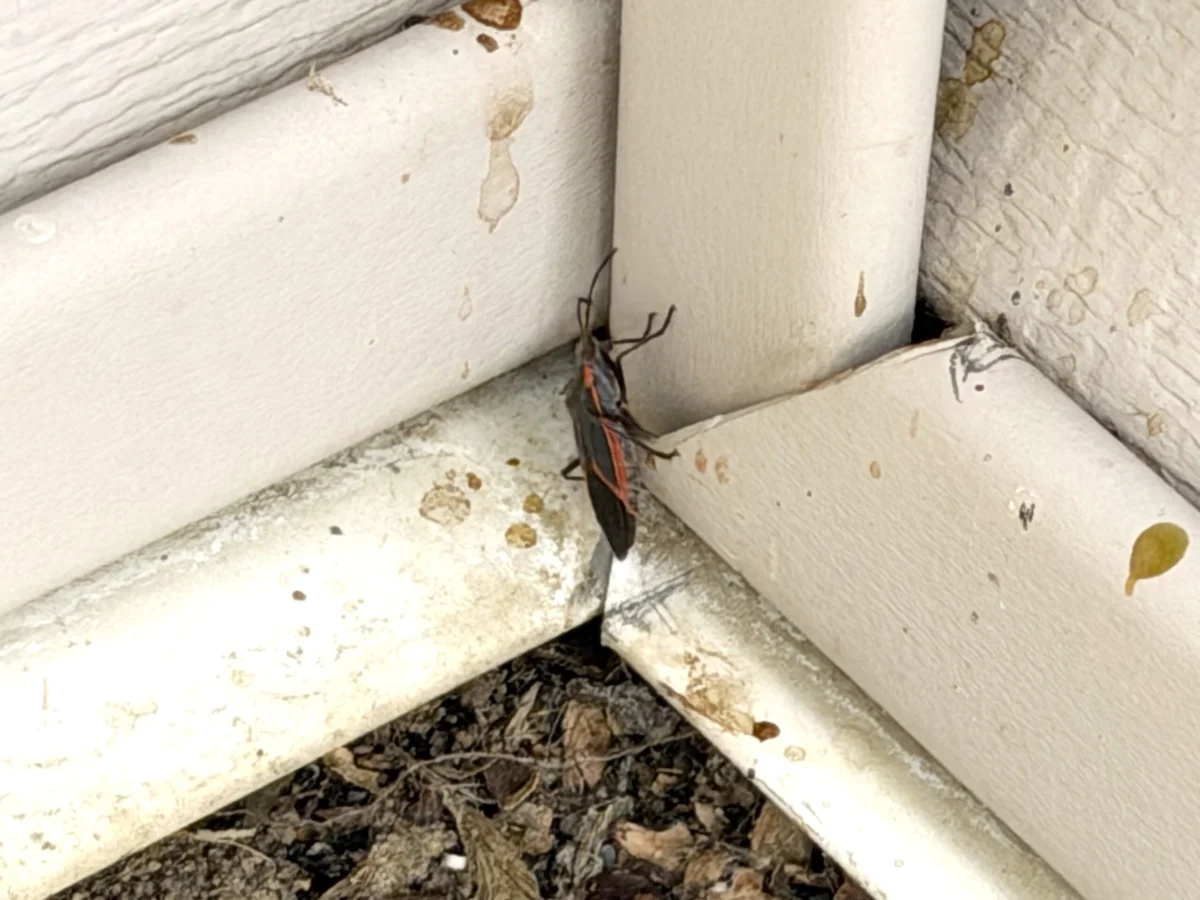
As autumn temperatures begin to decline across North America, residential and commercial property owners are increasingly reporting the mass appearance of the boxelder bug (Boisea trivittata), a hemipteran insect that has become a hallmark of seasonal transition. While these insects are primarily known for their striking black and reddish-orange coloration, their behavior during the late summer and fall months presents a significant nuisance to property management. Understanding the biological imperatives, migration patterns, and mitigation strategies for these pests is essential for maintaining the integrity of residential interiors and the aesthetic value of home exteriors.
Biological Profile and Identification of Boisea Trivittata
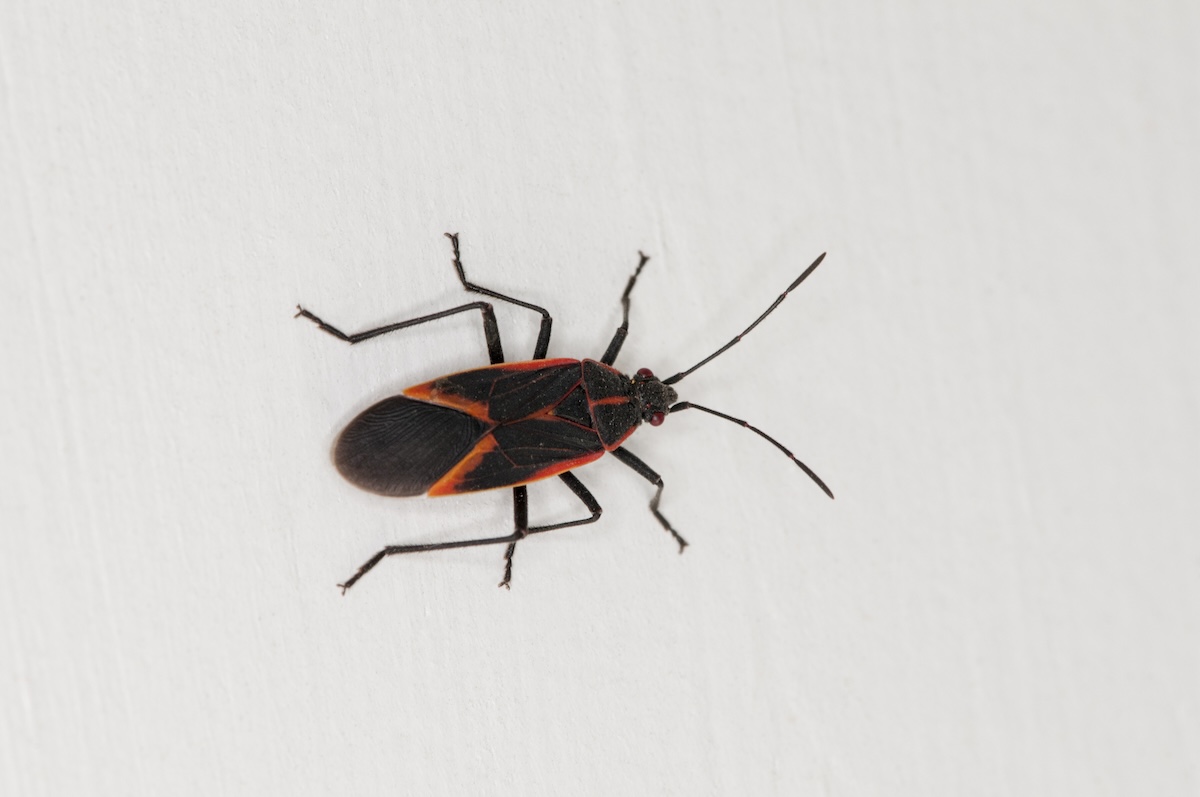
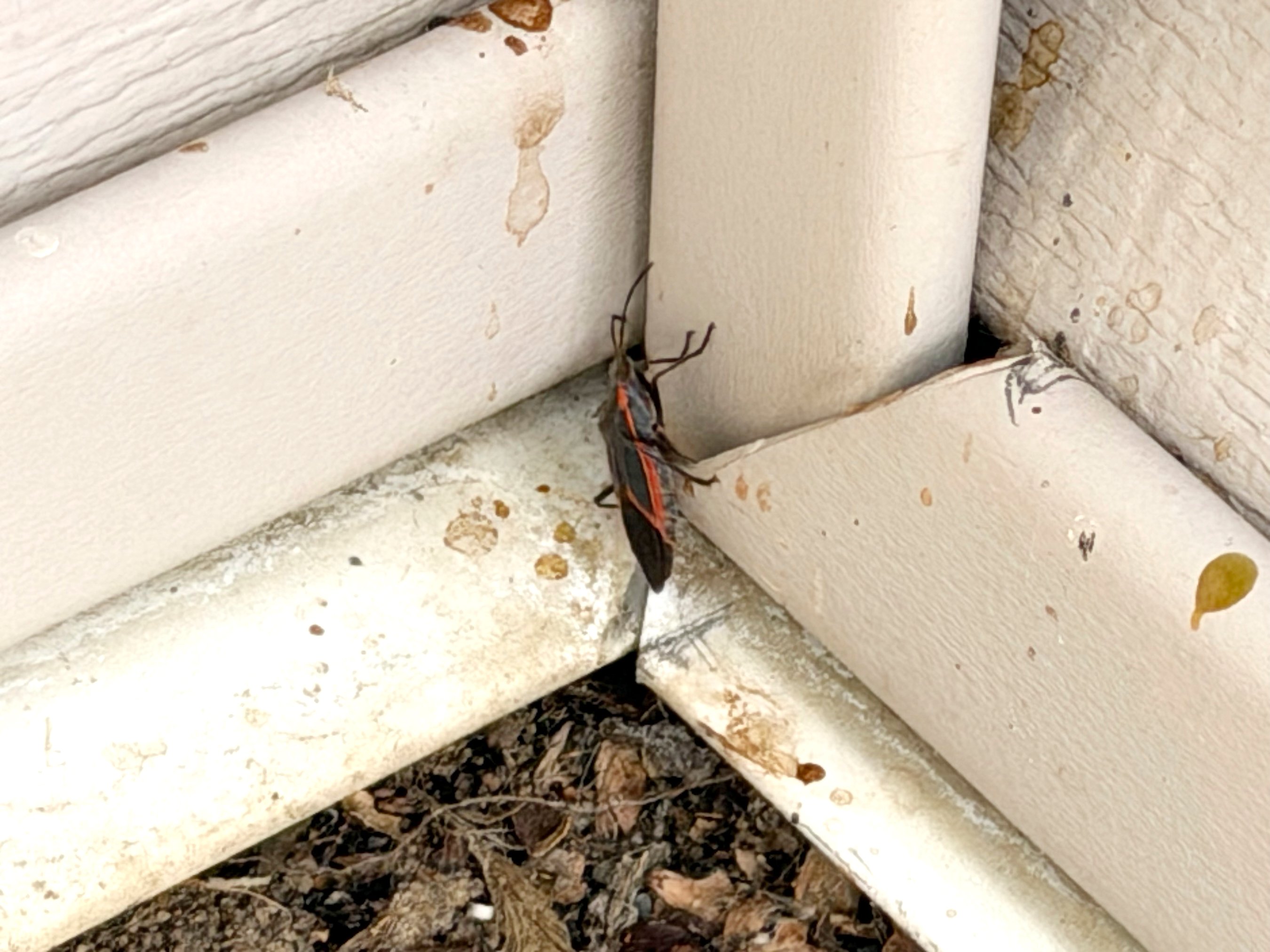
The boxelder bug is a member of the family Rhopalidae, commonly referred to as "scentless plant bugs," though this classification is somewhat ironic given the pungent, musty odor they release when crushed or threatened. Adult specimens typically measure approximately 1/2 inch in length. Their most identifying feature is the set of three red longitudinal lines on the pronotum (the area behind the head) and several red veins in the basal portion of the wings.
The juvenile stage, or nymph, presents a different visual profile. Nymphs are smaller, lack fully developed wings, and exhibit a much more vibrant, uniform red color. As they mature through several instars, they gradually develop the black wing pads and darker thorax characteristic of the adult stage. Entomologists note that boxelder bugs are frequently confused with other "true bugs," such as the brown marmorated stink bug or the milkweed bug. However, the specific red-lined markings and the flattened, elongated oval shape of the boxelder bug are unique markers that distinguish them from their peers.
The Annual Chronology of Infestation
The lifecycle of the boxelder bug is dictated strictly by thermal changes and the reproductive cycles of their primary host trees. To effectively manage an infestation, one must understand the timeline of their activity.
Spring Emergence (March through May)
As ground temperatures rise and daylight hours increase, adult boxelder bugs emerge from their overwintering sites. These sites are typically located within the wall voids of buildings, in attics, or under the loose bark of trees. During this phase, their primary objective is to reach the outdoors to feed on the previous year’s fallen seeds and newly budding foliage.
Summer Proliferation (June through August)
During the summer months, the bugs migrate to host trees—primarily the female (seed-bearing) boxelder tree (Acer negundo). While they also frequent silver maples, ash trees, and occasionally fruit trees, the female boxelder tree remains the epicenter of their reproductive activity. Females lay clusters of straw-colored eggs in the crevices of the bark. Once hatched, the nymphs feed on the succulent juices of the seeds and leaves. Because they possess piercing-sucking mouthparts, the damage to the trees is usually cosmetic and rarely threatens the life of a mature tree.
Fall Migration and Swarming (September through October)
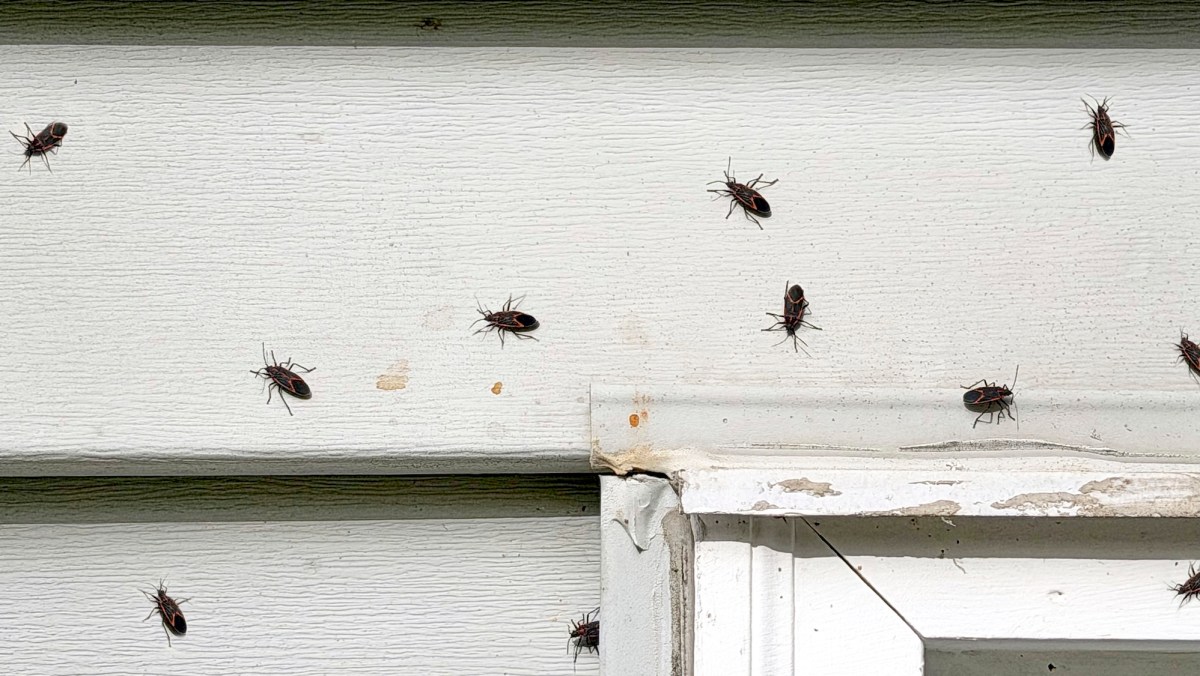
This is the period of greatest concern for homeowners. As the sun sits lower in the sky, adult boxelder bugs and late-stage nymphs seek out vertical surfaces that absorb solar heat. This behavior, known as thermotaxis, leads them to swarm on the south and west-facing walls of buildings, particularly those with light-colored siding or large expanses of masonry. As the ambient temperature continues to drop, the insects begin to seek out small crevices—often as narrow as 1/8th of an inch—to find a protected environment for the winter.
Winter Dormancy (November through February)
Once inside a structure, the bugs typically remain dormant. However, on unseasonably warm winter days, the heat from the home’s interior or the sun hitting the exterior walls can "wake" the bugs, causing them to emerge from wall voids into living spaces, often clustering around windows or heat vents.
Data-Driven Environmental Factors
Research from agricultural extension offices indicates that boxelder bug populations fluctuate significantly from year to year. Data suggests that population "booms" are often correlated with hot, dry summers. Drought conditions can stress host trees, potentially altering the nutrient profile of the seeds or simply providing the optimal dry environment for nymph survival. Conversely, exceptionally wet springs may increase the prevalence of fungal pathogens that naturally cull the insect population.
Geographically, the Boisea trivittata is native to North America and is found from eastern Canada through the eastern United States, extending west to the Rocky Mountains. Related species, such as Boisea rubrolineata, fulfill a similar ecological niche on the West Coast.
Structural Vulnerabilities and Defensive Sealing
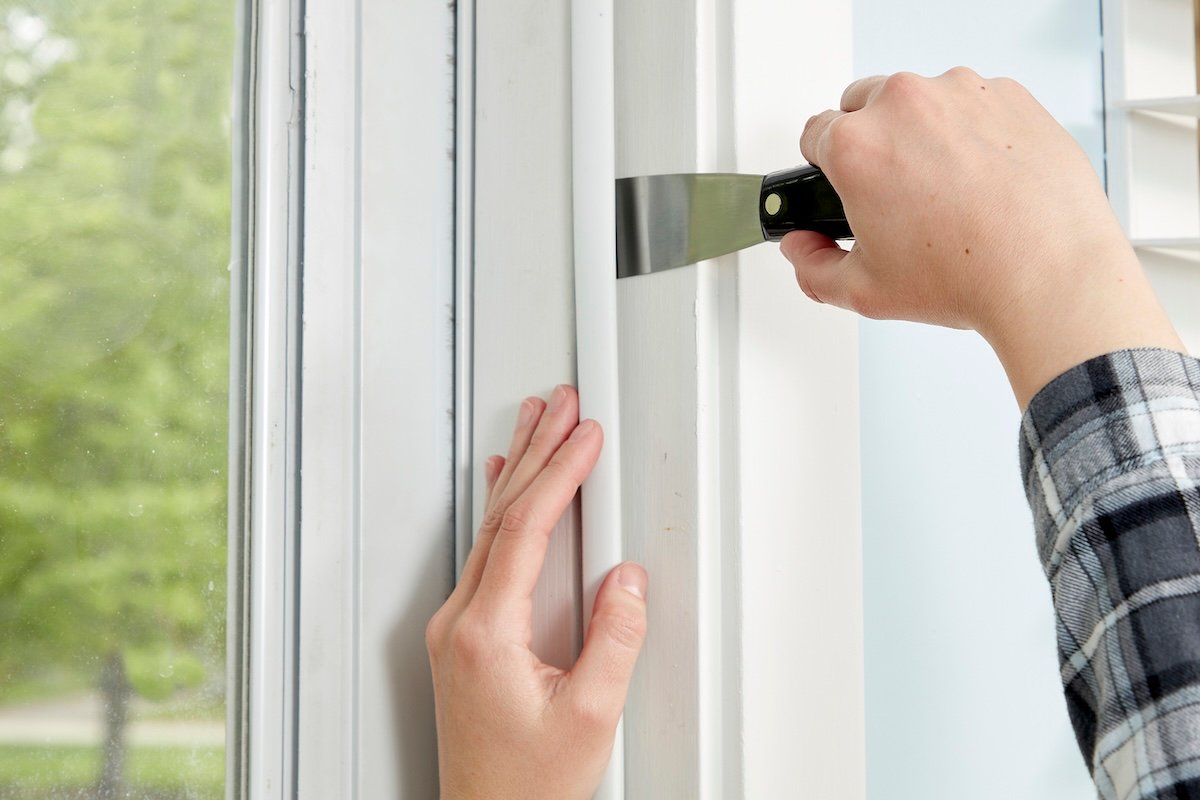
The most effective method for managing boxelder bugs is the implementation of physical barriers. Because these insects do not breed indoors and do not cause structural damage, the goal is exclusion rather than eradication within the home.
Industry experts recommend a thorough inspection of the building envelope during the late summer. Key areas of vulnerability include:
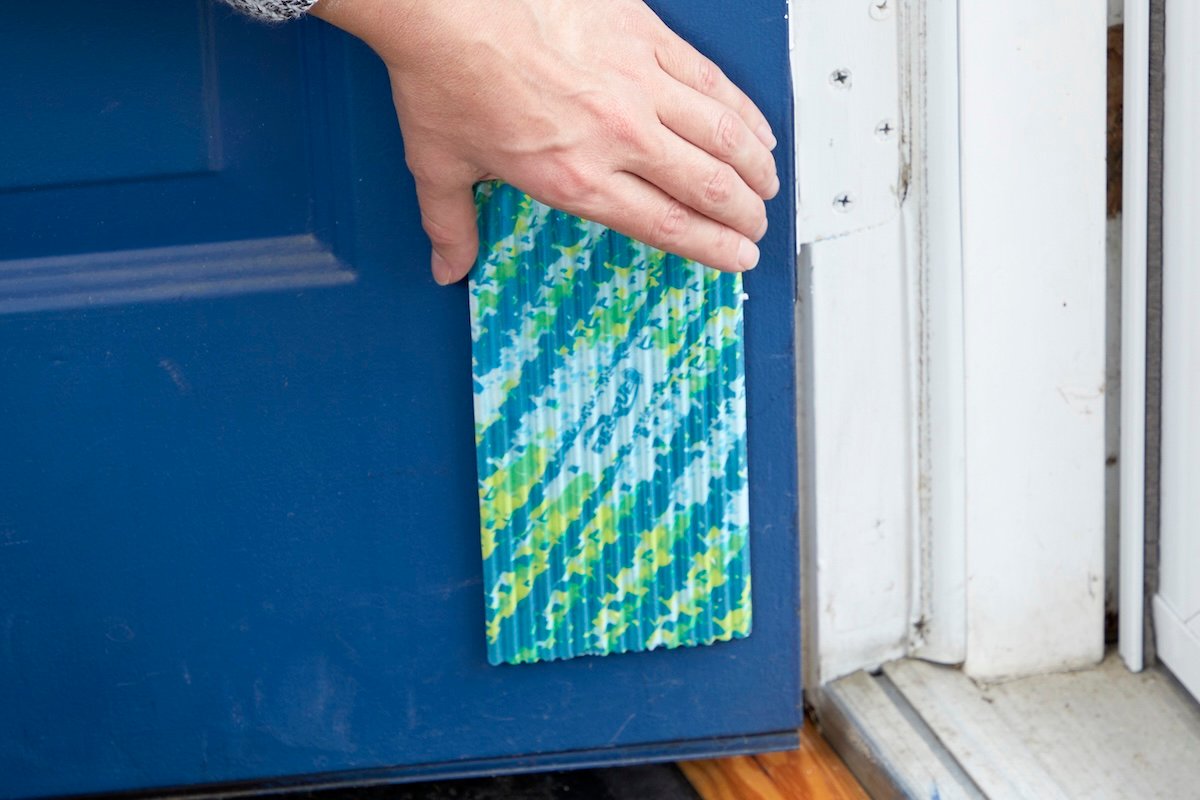
- Window and Door Frames: Gaps in caulking or weatherstripping provide primary entry points.
- Siding Seams: The area where siding meets the foundation or the soffit is a common ingress route.
- Utility Penetrations: Holes for plumbing, electrical wires, or cable lines should be sealed with expandable foam or high-quality silicone caulk.
- Vents: Attic and crawlspace vents should be covered with a fine-mesh screen (20-mesh or finer) to prevent passage.
Indoor Remediation Strategies
When boxelder bugs successfully penetrate the home, mechanical removal is the preferred professional recommendation.
The Mechanical Vacuum Method
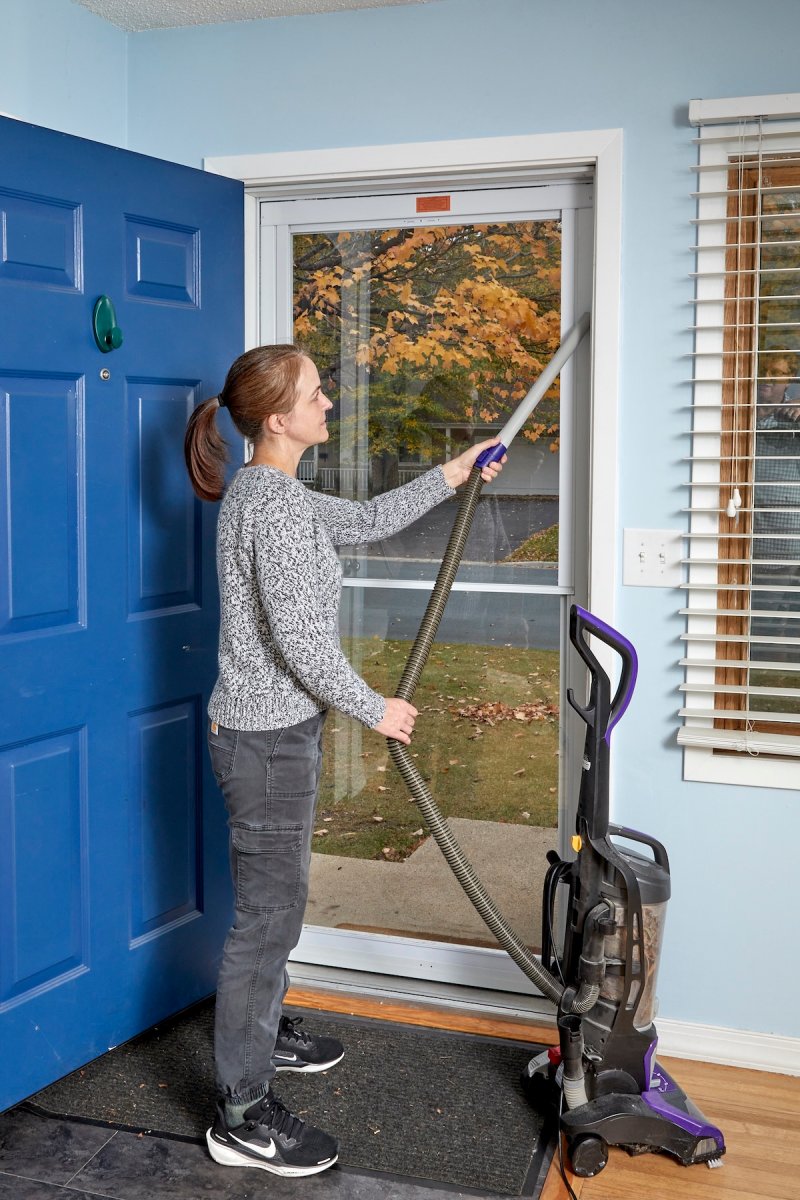
Vacuuming is the most efficient way to remove visible bugs without triggering their defensive odor or causing staining. Using a vacuum with a HEPA filter ensures that no allergens are redistributed into the air. It is critical to empty the vacuum canister or bag immediately into a sealed outdoor trash receptacle to prevent the insects from crawling back out.
The Soap and Water Solution
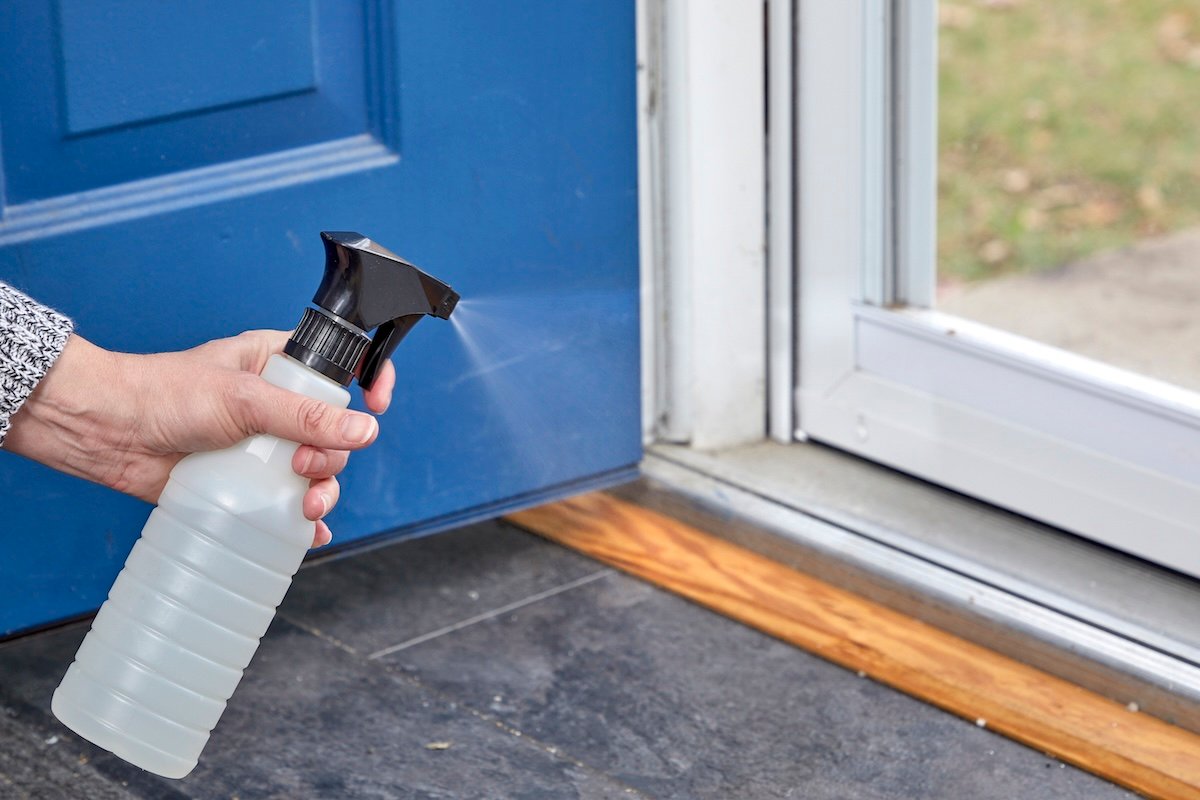
For a low-toxicity contact killer, a solution of water and concentrated dish soap can be effective. The surfactants in the soap break down the insect’s waxy exoskeleton, leading to dehydration. While this method is effective for localized clusters on windowsills, it does not provide a residual barrier and will not prevent new bugs from appearing.
Precautions Against Crushing
Journalistic reports from pest control agencies consistently warn against swatting or crushing boxelder bugs. Their hemolymph (insect blood) contains pigments that can leave permanent orange or reddish stains on carpets, upholstery, and curtains. Furthermore, the scent released by crushed bugs can attract other opportunistic pests, such as carpet beetles.
Outdoor Management and Chemical Barriers
When outdoor swarms become unmanageable, property owners often turn to more aggressive measures.
Physical Deterrents
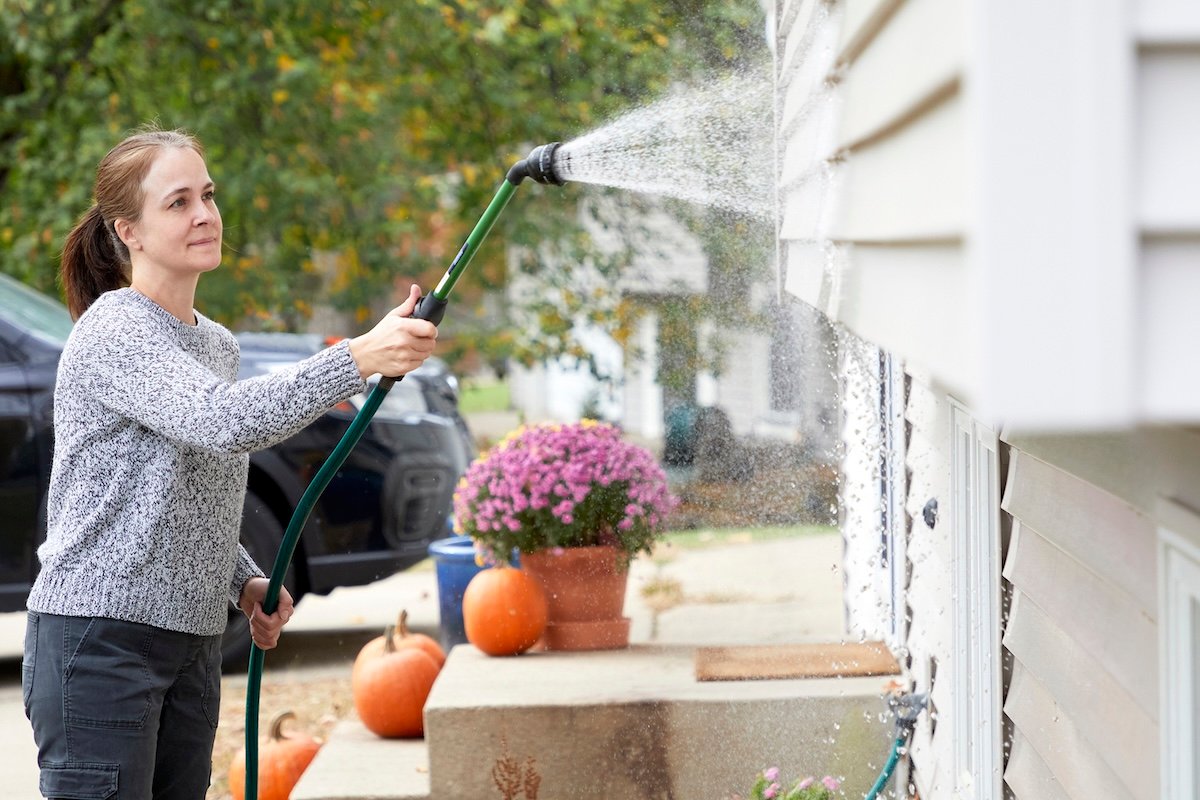
A high-pressure blast from a garden hose can physically dislodge swarms from siding and foundations. While this does not kill the insects, it can disrupt their congregatory pheromones and lower the immediate population density on the structure.
Diatomaceous Earth (DE)
For those seeking an organic approach, food-grade diatomaceous earth can be applied around the perimeter of the foundation. This powder, composed of fossilized algae, acts as a mechanical insecticide. It pierces the joints of the insect’s armor, leading to death by desiccation. However, DE loses its effectiveness when wet and must be reapplied after rain or heavy dew.
Professional Residual Insecticides
In cases of extreme infestation, the application of synthetic pyrethroids may be necessary. Chemicals such as bifenthrin, cyfluthrin, or deltamethrin are commonly used by licensed pest control operators. These are applied as "perimeter treatments" to the exterior of the home.
Data from the University of California Integrated Pest Management (IPM) program suggests that these treatments are most effective when applied in late August or September, just as the bugs begin to congregate. Once the insects have moved into the wall voids for the winter, exterior chemical treatments are largely ineffective.
Ecological and Economic Implications
The presence of boxelder bugs has broader implications for property value and urban forestry. While the bugs are harmless, the persistent presence of thousands of insects can negatively impact the "curb appeal" of a home during the peak autumn real estate season.
In some municipalities, the prevalence of boxelder bugs has led to a shift in landscaping trends. Property owners are increasingly opting to remove female boxelder trees in favor of male clones or unrelated species like oaks or lindens. However, arborists caution that tree removal should be a last resort. Boxelder trees provide significant shade, which reduces cooling costs in the summer, and they serve as an important habitat for various bird species. The cost of professional tree removal—which can range from $500 to $3,000 depending on the size and location of the tree—often exceeds the cost of annual pest management.
Official Responses and Industry Outlook
Pest control associations report that service calls for "overwintering pests," a category that includes boxelder bugs, stink bugs, and multicolored Asian lady beetles, have risen by approximately 15% over the last decade. This increase is attributed to both a heightened public awareness and shifting climate patterns that favor longer breeding seasons.
Entomologists from leading agricultural universities continue to emphasize a "tolerance and exclusion" model. Their official stance remains that since boxelder bugs do not pose a health risk, do not bite, and do not destroy property, the use of heavy pesticides should be minimized in favor of structural maintenance.
As we look toward the future, the management of Boisea trivittata will likely remain a seasonal necessity for North American homeowners. By combining biological knowledge with proactive structural sealing and mechanical removal, the impact of these vibrant but intrusive insects can be successfully mitigated, ensuring that the transition into the winter months remains a comfortable experience for residents.