admin
The 43rd edition of Cersaie, the International Exhibition of Ceramic Tile and Bathroom Furnishings, concluded its five-day residency in Bologna, Italy, signaling a definitive shift in global interior design towards warm, moody aesthetics and high-performance architectural surfaces. As the premier global stage for the ceramic industry, the event drew more than 90,000 visitors, including a concentrated demographic of architects, interior designers, and international distributors. Across the sprawling exhibition space, 600 exhibitors representing 24 countries debuted collections that prioritize tactile depth, saturated color, and technological integration, marking a departure from the minimalist neutrals that have dominated the sector for the past decade.
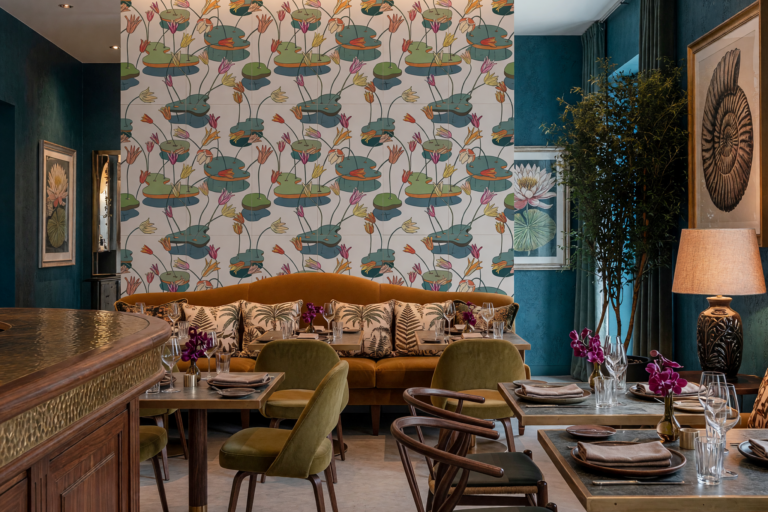
Industry analysts and creative directors present at the fair noted that the current trajectory of ceramic manufacturing is increasingly mirroring the cyclical nature of high fashion. Danielle McWilliams, principal at Novità—the communications agency representing Ceramics of Italy—observed that deep burgundy, luxurious browns, earthy terracottas, and vibrant primary colors like red and yellow were ubiquitous across both the fair aisles and the storefronts of Bologna. This "fashion-forward" approach suggests that ceramic tiles are no longer viewed merely as functional coverings but as integral components of the architectural palette, capable of conveying complex emotional and atmospheric narratives.
A Historical Context of Innovation and Market Scale
Since its inception, Cersaie has served as the barometer for the Italian ceramic industry, which remains a global leader in design and technical standards. The 2026 edition arrived at a critical juncture for the industry, following several years of rapid technological advancement in digital printing and pressing. The fair’s history is rooted in the transformation of ceramic from a basic 12-by-12-inch utilitarian product into the massive, high-definition slabs seen today.

The timeline of this evolution reached a significant milestone in 2001, when European manufacturers—predominantly from Italy and Spain—pioneered oversized formats through advanced pressing techniques. This trajectory has continued into 2026, supported by new regulatory standards. In the United States, the American National Standards Institute (ANSI) officially redefined "large-format tile" in January 2025 as any tile with a facial dimension of 23 inches or larger. This legislative shift has streamlined international trade and installation protocols, allowing the massive 48-by-110-inch and 24-by-128-inch slabs showcased at Cersaie to find a more receptive market in North American commercial and residential projects.
The Resurgence of Saturated and Moody Color Palettes
The most immediate takeaway from the 2026 exhibition was the "comeback" of bold color. For years, the industry leaned heavily on "greige" and cool whites to appeal to the broadest possible consumer base. However, the 600 exhibitors in Bologna this year presented a united front in favor of richer, more confident hues.

Benedetta Borghi, representing external affairs at Atlas Concorde, noted a "renewed confidence" in the use of color as a foundational design tool. Atlas Concorde’s "Boost Hux" collection exemplifies this trend, pairing warm natural tones with strategic accents of green, red, blue, and ember. Similarly, their "Vivia" line draws direct inspiration from traditional Italian glazed ceramics, utilizing vivid colors to create a bridge between heritage and modernism.
Cristina Faedi, a prominent tile trend expert and consultant for Confindustria Ceramica, highlighted that the expansion of color ranges is not merely about variety but about density. Many Italian manufacturers have doubled the number of colors in their flagship ranges, often offering three different densities or saturations of the same hue to allow for sophisticated monochromatic layering in architectural spaces.

Biophilic Design and the Dominance of Green
While reds and browns provided the "moody" backdrop of the fair, green emerged as the most significant individual color trend. This shift is widely attributed to the ongoing influence of biophilic design—a philosophy that seeks to connect building occupants more closely to nature.
Faedi suggested that the popularity of green is a direct response to global social and political volatility. Within the framework of design psychology, green is associated with empathy, emotional healing, and stability. The palettes seen at Cersaie 2026 ranged from deep forest and Abyssal greens to pale sage and jade. These colors were frequently applied to tiles that mimic the movement of water or the texture of wild herbs and landscapes.

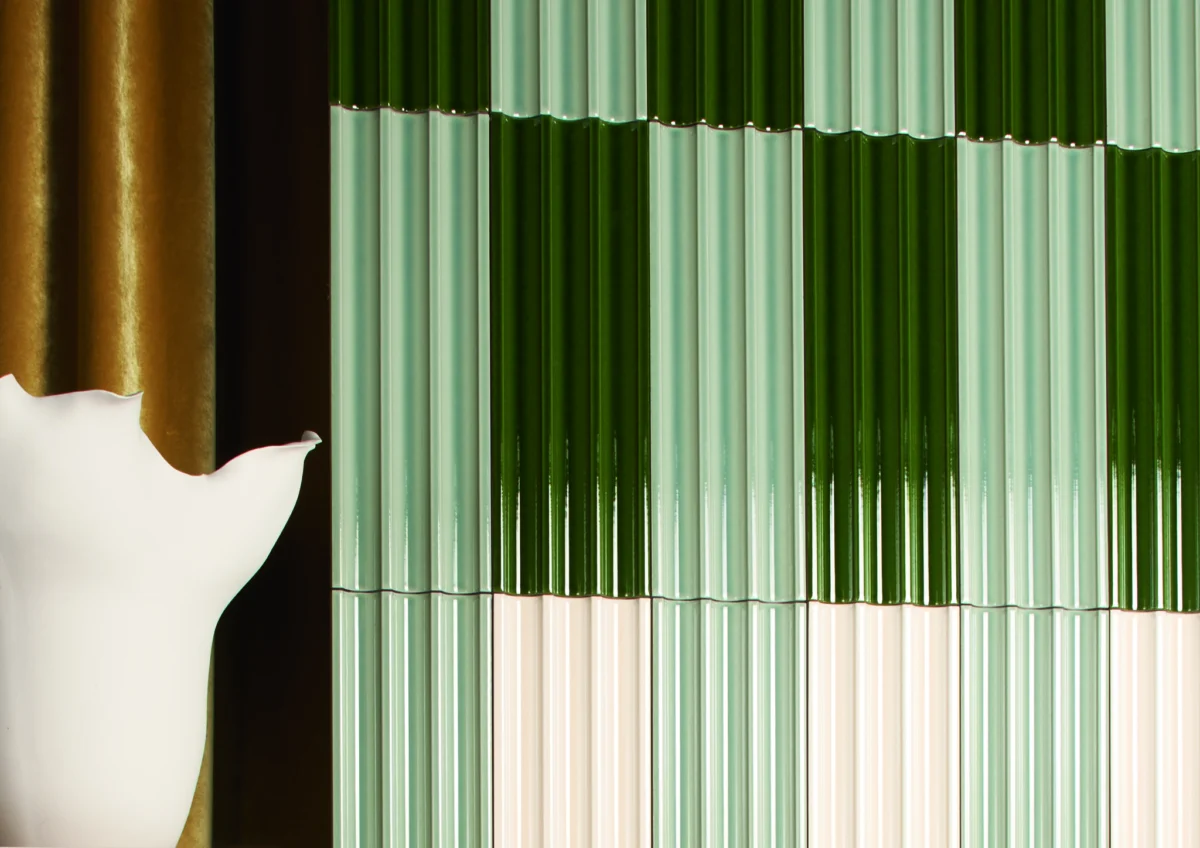
Brands like Gardenia & Ariana showcased this through their "Eterea" collection, which combines onyx-inspired visuals with a 3D fluted wall tile called "Righe." By merging the color green with three-dimensional textures, manufacturers are able to evoke the feeling of "thermal waters" or "oceanic depths," providing a sense of calm that is increasingly sought after in both residential bathrooms and commercial wellness spaces.
Technological Evolution: 3D Relief and Digital Printing
The 2026 fair demonstrated that the industry has moved beyond simple surface aesthetics into the realm of "controlled chaos." Advanced digital printing and glazing technologies now allow manufacturers to apply textures and patterns with microscopic precision.

A primary example of this is the "3DTECH" technology utilized by ABK Group in collaboration with Moooi Ceramic Surfaces. Their "Hypnotic Owl" collection features a tactile 3D-relief surface that digitally applies glazes to porcelain stoneware, creating a finish that is indistinguishable from hand-carved material. Similarly, Gruppo Bardelli’s brand, Appiani, introduced the "Lamiere" collection. Inspired by oxidized sheet metal, these through-body ceramic tiles utilize a "chiaroscuro" effect—an artistic technique involving the contrast of light and shadow—to create the illusion of a three-dimensional surface on a tile that is actually flat to the touch.
This interplay between perception and reality represents a significant leap in ceramic engineering. By manipulating light and reflectivity, manufacturers can offer the visual weight of heavy, textured materials without the maintenance challenges associated with uneven surfaces.

Natural Mimicry and the Performance of Porcelain
The trend of "Nature, Reimagined" remains a cornerstone of the Cersaie experience, though the level of realism has reached unprecedented heights. As the cost and environmental impact of quarrying rare stones like marble and onyx rise, the ceramic industry has positioned porcelain as a more sustainable and durable alternative.
The "Marble Boutique" collection from Del Conca illustrates this evolution. By offering large-format slabs in finishes such as "Shine," "Natural," and "Structured," the brand provides the aesthetic of high-end stone with enhanced veining that does not exist in nature. These products are often "color-body" porcelain, meaning the color continues through the entire tile, making chips or wear less visible—a crucial factor for high-traffic commercial environments.

Furthermore, brands like Verde and Flaviker are focusing on "sedimentary" looks. Verde’s "Essenziale" line uses "Contour Tech" 3D printing to color the ceramic body at varying depths, reflecting the natural irregularities of limestone. Flaviker’s "Magma" collection mimics slate and lava stone, providing a rugged, volcanic aesthetic that is suitable for both indoor and outdoor applications, ensuring visual continuity in modern architectural designs.
The Intersection of Traditional Craft and Digital Artistry
Despite the heavy emphasis on high-tech manufacturing, Cersaie 2026 also highlighted a return to artisanal roots through high-profile designer collaborations. This "Paint to Pixels" trend showcases the industry’s ability to scale hand-painted aesthetics through digital means.

Ceramica Francesco De Maio presented the "Three Elements, One Matter" collection, designed and hand-painted by world-renowned architect Kengo Kuma. Kuma’s involvement underscores the elevated status of ceramic tiles in global architecture. His designs aim to let "nature emerge through the hand," with patterns that mimic the softness of mist or the grounding presence of earth.
Conversely, Ceramica Bardelli collaborated with designers Ronald van der Hilst and Riccardo Capuzzo to create "Tulipani" and "Searcus." These collections use cold digital printing and laser engraving to translate intricate floral and circus-themed illustrations onto ceramic surfaces. The result is a product that retains the soul of a hand-drawn piece of art while possessing the durability and scale required for contemporary construction.

Broader Impact and Industry Implications
The trends solidified at Cersaie 2026 have broad implications for the global construction and interior design markets. The move toward extra-large slabs (some reaching 128 inches) suggests that porcelain is increasingly competing with traditional countertop materials like quartz and natural granite. The ability to use the same material for floors, walls, kitchen islands, and even furniture allows for a level of architectural "continuity" that was previously impossible.
Furthermore, the emphasis on color and texture indicates a shift away from "disposable" design. By creating surfaces that are emotionally resonant and technically superior, the Italian ceramic industry is advocating for longevity. As the industry moves forward, the integration of 3D printing, biophilic color palettes, and large-format versatility will likely define the next decade of interior environments, blending the boundaries between art, nature, and engineering.