admin
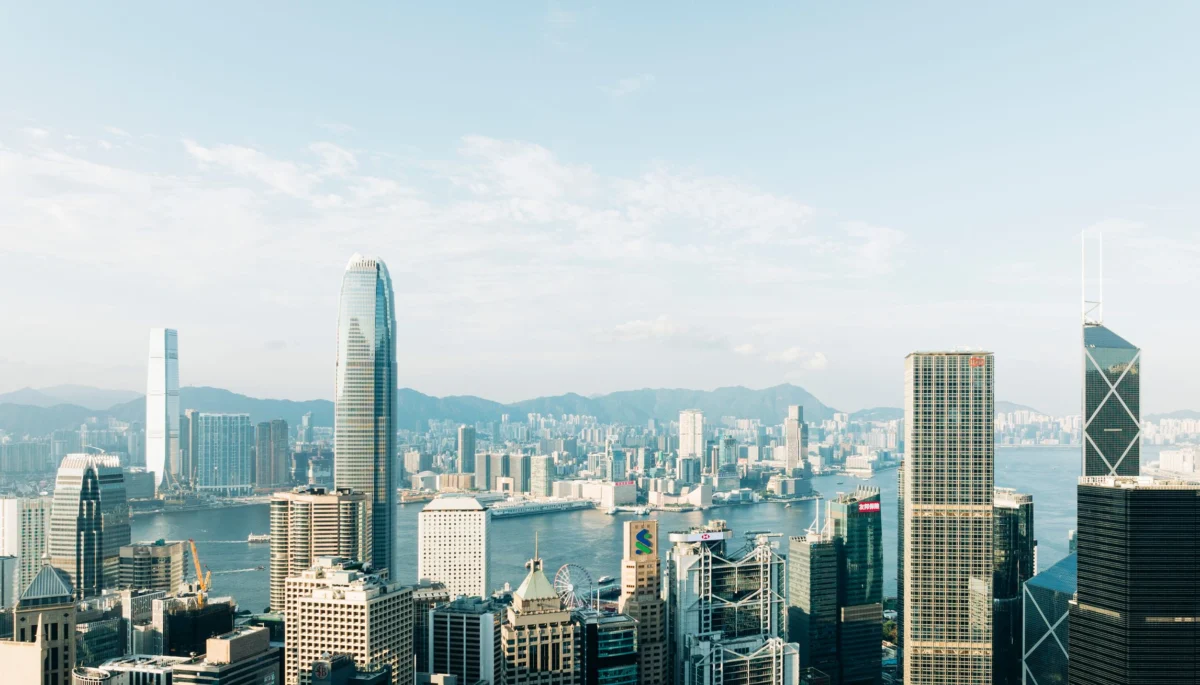
Hong Kong, a dynamic metropolis often described as a city that never sleeps, offers an unparalleled blend of East and West, tradition and modernity. Despite its compact 430-square-mile footprint, this former British colony, now a Special Administrative Region of China, punches well above its weight in cultural richness, economic vibrancy, and sheer density of experiences. Divided into three primary geographical areas—Hong Kong Island, the Kowloon Peninsula, and the New Territories—and further segmented into 18 distinct districts, each locale boasts a unique tapestry of history, cultural nuances, architectural marvels, and culinary delights. This intricate mosaic ensures that even the most seasoned traveler could spend months exploring its depths, far exceeding the typical weekend sojourn.
The sheer scale of human habitation in Hong Kong is staggering, with over seven million people coexisting in more than 9,000 high-rise buildings. This density fosters an environment where efficiency is paramount. A keen observation of local behavior reveals an unspoken expectation of promptness; hesitation in queues, fumbling with payment methods like the ubiquitous Octopus card, or lingering excessively at a dim sum table while others await seating can elicit subtle, yet noticeable, judgment. Nevertheless, this efficiency is balanced by a general disposition of kindness and helpfulness, particularly when seeking directions. The prevalence of English as one of the city’s official languages further facilitates smoother interactions for international visitors. Understanding these unwritten rules is key to navigating Hong Kong seamlessly and truly immersing oneself in its unique rhythm.

Mastering Urban Mobility: The Octopus Card and Beyond
The cornerstone of efficient public transportation in Hong Kong is the contactless Octopus card. Often lauded as an advanced iteration of London’s Oyster card, it transforms urban travel into a fluid and convenient experience. The Octopus card can be acquired physically at the Airport Express ticket desk in the arrivals hall or at any MTR (Mass Transit Railway) subway station. A refundable deposit of 50 Hong Kong Dollars (approximately $6.50 USD) is typically required. Beyond its primary function on the MTR, which comprehensively covers Hong Kong Island, Kowloon, and the New Territories, the Octopus card extends its utility to virtually every mode of transport within the city. This includes the iconic Peak Tram, the historic trams traversing the city’s streets, ferries to the picturesque Outlying Islands like Lamma and Cheung Chau, and a vast network of over 30,000 retail outlets. From convenience stores and fast-food establishments to cinemas and museums, the Octopus card facilitates seamless transactions, allowing visitors to "load up and go" without the constant need for cash or multiple payment methods.
While the MTR is the backbone of the public transit system, Hong Kong’s extensive network of double-decker buses and nimble minibuses plays a crucial role in filling the transportation gaps, often providing breathtaking panoramic views of the cityscape. For instance, taking the #6 double-decker bus from Central to Stanley beach offers a scenic journey along the rugged southern coast of Hong Kong Island, with the right-hand upper deck seats providing the most dramatic vistas of the South China Sea. Similarly, the #94 bus route from Sai Kung Village winds through the verdant landscapes of Hong Kong’s UNESCO Global Geopark, culminating at Wong Shek Pier. From there, one can catch a traditional wooden ferry, known as a kaito, back to Shatin, where it connects to the MTR network, offering a truly immersive experience of the region’s natural beauty and transport diversity.
Navigating Public Transport Etiquette: A Symphony of Order
Adherence to public transport etiquette is a subtle yet critical aspect of daily life in Hong Kong, contributing significantly to the city’s renowned cleanliness and efficiency. The unwritten rules are clear and consistently observed: stand to the right on escalators and walkways to allow faster-paced individuals to pass on the left. Passengers are expected to wait for others to disembark before attempting to board, a practice that minimizes congestion and ensures a smooth flow. Furthermore, prioritizing seating for those in need—such as the elderly, pregnant individuals, or those with disabilities—is a deeply ingrained social norm. In stark contrast to the practices in some Western cities, eating and drinking are strictly prohibited on all forms of public transport, including trains, trams, buses, and ferries. This policy, while seemingly stringent, is a primary factor in the immaculate condition of Hong Kong’s public transport system, a testament to collective responsibility.

Cultural Immersion: Museums and Culinary Traditions
Beyond its bustling streets and efficient transit, Hong Kong offers a rich cultural landscape, including a surprising array of world-class museums that provide respite from the elements and delve into the city’s diverse heritage. The Hong Kong Palace Museum, housing hundreds of invaluable treasures on loan from the Palace Museum in Beijing, offers a profound glimpse into imperial Chinese history and art, with admission typically around 70 Hong Kong Dollars (approximately $9 USD). Complementing this is the M+ Museum, a monumental institution dedicated to 20th and 21st-century visual culture, with a particular focus on Asian contemporary art. Its expansive collection, costing approximately 190 Hong Kong Dollars (about $24.25 USD) for entry, provides a modern counterpoint to the historical narratives found elsewhere.
Beyond these flagship institutions, Hong Kong boasts a multitude of specialized museums catering to niche interests. The Flagstaff House Museum of Tea Ware, housed in a historic British colonial-era building, offers insights into the intricate art and history of tea culture. The Maritime Museum, located at the Central Star Ferry, chronicles the city’s storied seafaring past, crucial to its development as a global trading hub. The Mills, a revitalized textile factory, celebrates Hong Kong’s industrial heritage and its significant contributions to the global textile industry. A significant incentive for visitors is that most of these smaller museums offer free admission on Wednesdays, making them accessible cultural excursions.
The culinary scene in Hong Kong is legendary, with dim sum standing as a quintessential gastronomic experience. Served from morning until early afternoon, dim sum is not merely a meal but a cultural institution, the "fuel" that powers the city. To avoid the peak crowds, it is advisable to arrive before noon or after 2 p.m. Notable establishments range from the acclaimed Tim Ho Wan, recognized as one of the world’s most affordable Michelin-starred restaurants, to the venerable Luk Yu Teahouse, a 90-year-old institution steeped in tradition. In larger restaurants, visitors may be assigned their own table, while in more intimate settings, sharing a bench elbow-to-elbow with fellow diners is common. Tea is typically included and already present on the table; a gentle tap of two fingers on the table signals a request for a refill. Menus often take the form of printed order sheets with small photographs of each dish. Visitors are expected to indicate the desired quantity of each item and then wave the form to attract a server’s attention. Payment is typically made at the cashier upon departure.

Linguistic Nuances: Embracing Local Tongues
A critical aspect of respectful engagement with Hong Kong’s culture lies in understanding its linguistic landscape. While Mandarin is the official language of mainland China, the primary spoken language in Hong Kong is Cantonese. This vibrant and expressive dialect forms an integral part of the city’s unique identity. While a polite "Ni hao" (a Mandarin greeting) might be understood, it is likely to elicit eye-rolls from locals, signaling a missed opportunity for deeper cultural connection. The traditional and preferred greetings in Hong Kong are "Jo sun" for "good morning" and "Nei ho" for "hello" throughout the rest of the day. A particularly useful phrase to master is "Mmm goi," which serves as both an "excuse me" and a "thank you," demonstrating politeness and consideration in various social interactions.
Unconventional Urban Exploration: Hidden Gems and Local Haunts
Hong Kong’s urban fabric is characterized by its remarkable verticality, with an unparalleled number of skyscrapers utilizing every available inch of space. This characteristic often leads to businesses being located in unexpected places. Hotels might occupy several floors within an office building, bars can be found on rooftops or in the basements of traditional tenement buildings (tong lau), and entire floors of high-rises can be dedicated to a cluster of cafes and restaurants. While this can initially be disorienting for visitors accustomed to more conventional layouts, entrances are typically well-signposted, or security personnel are available to guide individuals to their intended destinations. This innovative use of space is a defining feature of Hong Kong’s urban design.
The city’s reputation as a concrete jungle belies its surprising verdancy. Over 70% of Hong Kong’s territory is designated as protected green space, with parks and gardens seamlessly integrated into the urban environment. Visitors can discover hidden gems like the Portland Street micro-park in Yau Ma Tei, a vibrant splash of shocking pink situated between residential tenements. Larger green spaces such as Victoria Park in Causeway Bay and Kowloon Park, which features a lake inhabited by flamingos, offer urban oases. For those seeking to embrace the local lifestyle, engaging in hiking is highly recommended. Hong Kong boasts hundreds of miles of scenic trails, and the free "Hiking Trail HK" app provides comprehensive guidance.

Hong Kong’s status as one of the world’s safest cities, with exceptionally low rates of violent crime and petty theft, empowers residents and visitors alike to explore its diverse neighborhoods with confidence. This safety net allows for uninhibited exploration of areas such as the multicultural district of Wan Chai, home to a variety of religious sites including Islamic, Sikh, Hindu, and Taoist temples. The expansive public housing estates in North Point, the bustling fabric markets and street food stalls of Sham Shui Po, and the ancient walled villages like Lai Chi Wo in the New Territories are all accessible and safe to discover.
For a truly local experience, the unpretentiously named Cooked Food Centers offer an authentic taste of Cantonese cuisine. While traditional dai pai dong (open-air street food stalls) have become less common due to bureaucratic regulations, these centers, often adjacent to fresh food markets in every district, provide a lively and affordable dining experience. The atmosphere is invariably boisterous, with communal tables, plastic seating, and disposable tablecloths, but the food is consistently flavorful and representative of genuine Hong Kong culinary traditions. Java Street and Kowloon City are noted for their relatively tourist-friendly Cooked Food Centers.
The practice of massage is deeply ingrained in Hong Kong’s wellness culture, viewed not as an occasional indulgence but as an essential component of a healthy lifestyle. Massage studios are abundant, often identifiable by flashing LED foot signs, and typically remain open until at least midnight. Foot reflexology is particularly popular, with practitioners claiming benefits ranging from improved digestion to headache relief and better sleep. Many establishments also offer other Traditional Chinese Medicine (TCM) treatments, such as ear candling and bone-setting massages. A one-hour treatment at a local establishment typically costs around $30 USD.

Strategic Travel Planning: Avoiding Peak Periods
Effective travel planning involves an awareness of Hong Kong’s peak tourist seasons to ensure a more enjoyable and less crowded experience. The Chinese New Year period, which follows the lunar calendar (typically late January to mid-February), sees a significant exodus of both mainland Chinese residents returning home and locals taking advantage of the holiday for personal travel. Consequently, the city can be quieter during this time.
Conversely, Golden Week, commencing in early October, represents Hong Kong’s busiest travel period. The city experiences an influx of tour groups, leading to crowded shopping malls and heavily trafficked tourist attractions. Travelers who prefer to avoid overwhelming crowds and lengthy queues would be advised to schedule their visits outside of this period.
This article was originally published in Condé Nast Traveller UK.