admin
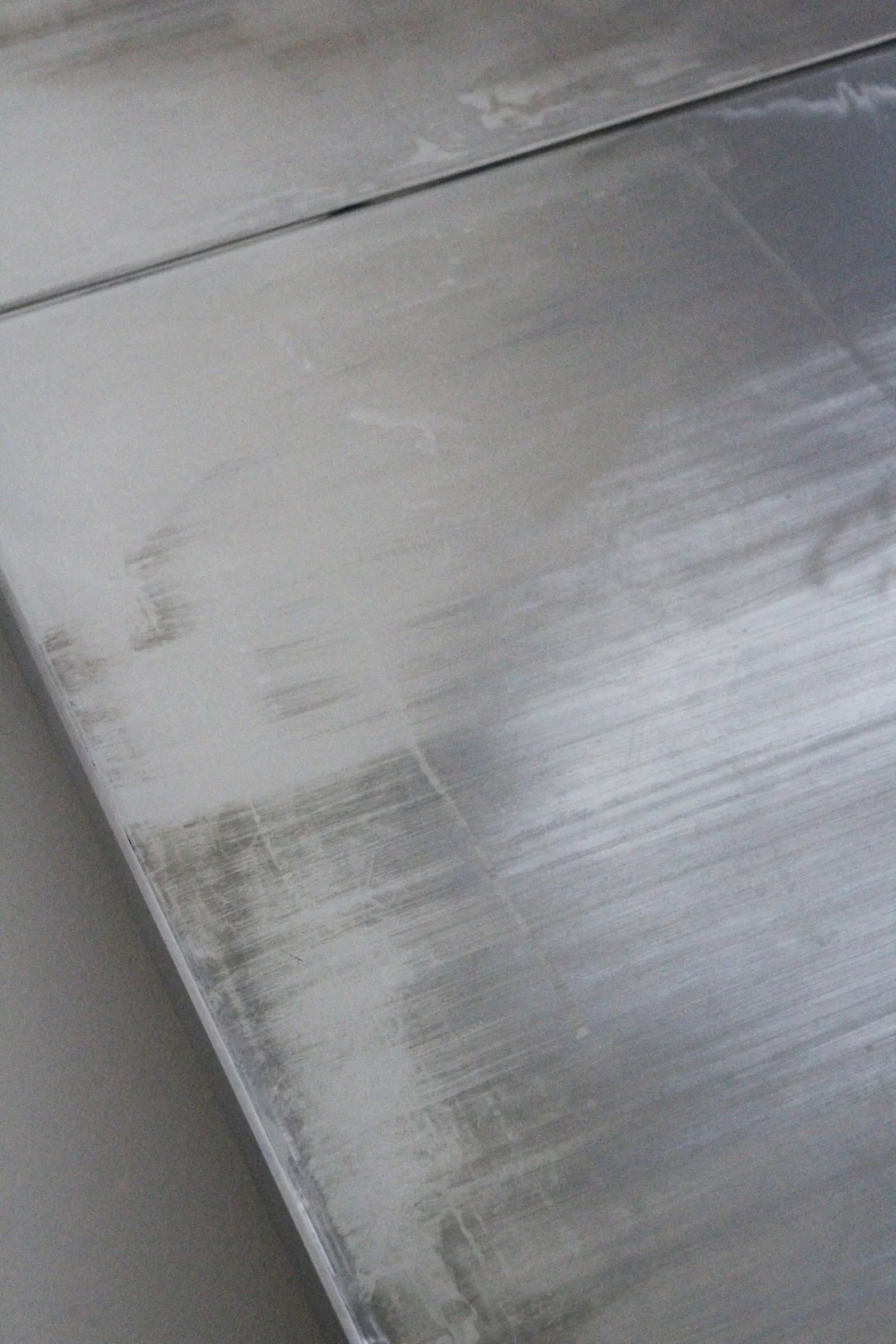
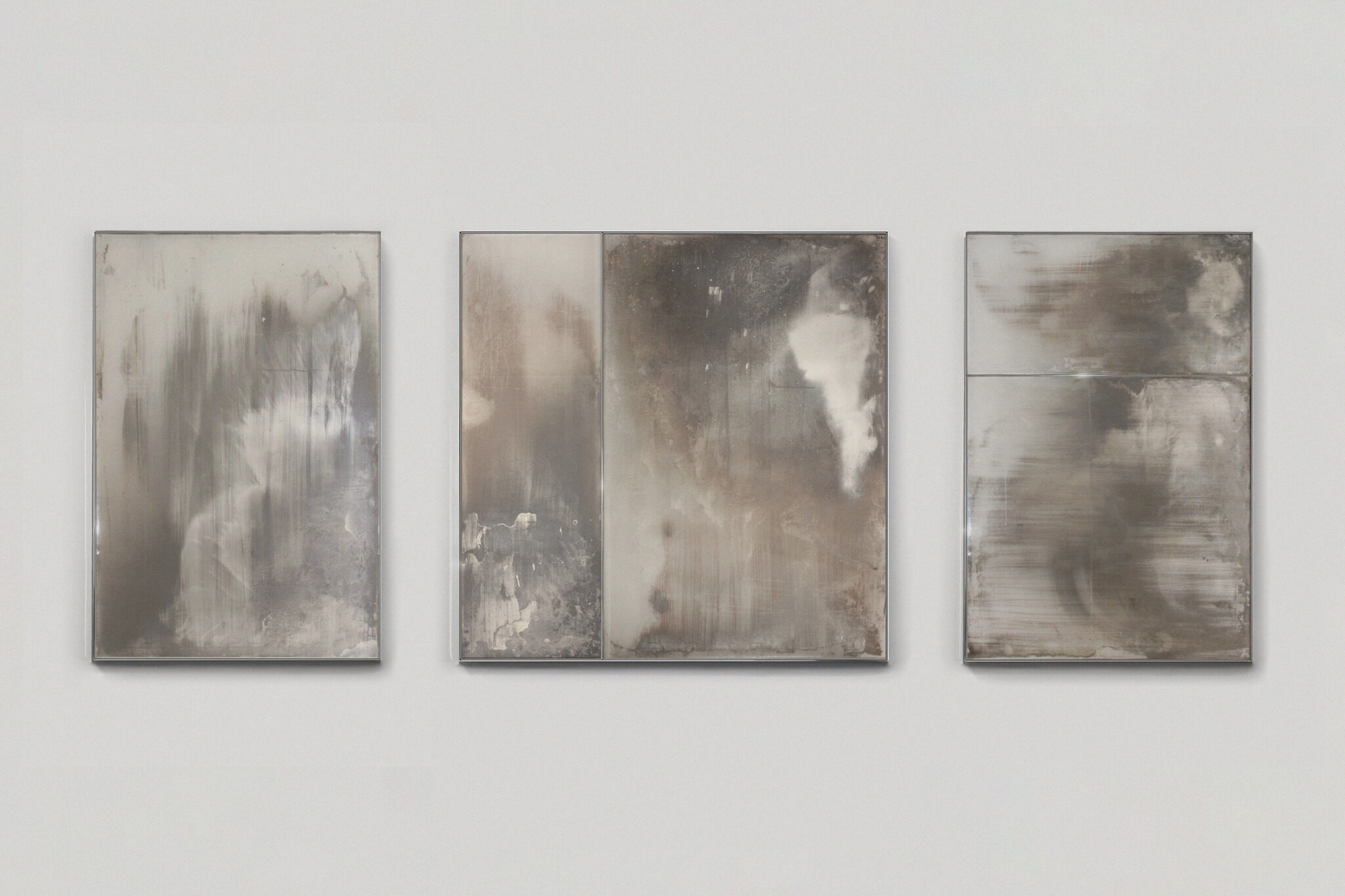
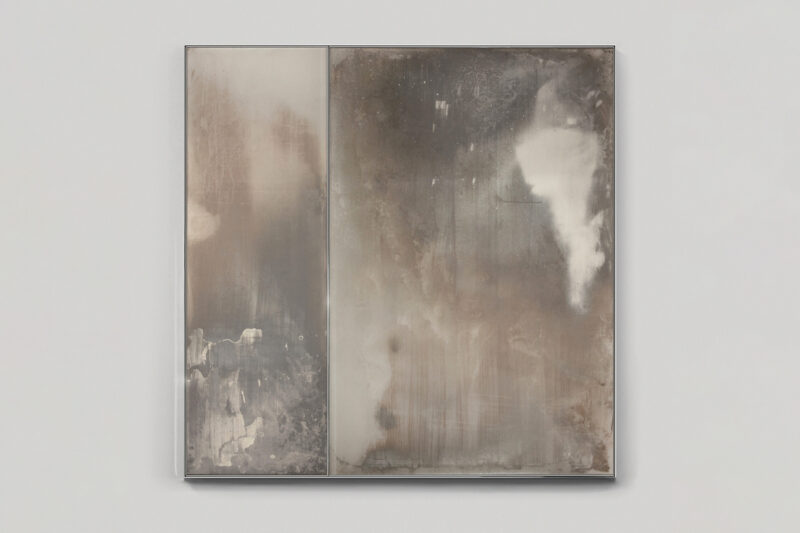
The arrival of the Erosion Collection at StudioTwentySeven’s New York City gallery marks a significant moment in the cross-continental dialogue between European avant-garde design and the American collectible art market. Hungarian artist Boldizar Senteski has unveiled a triptych of handmade mirrors that challenge the traditional boundaries of functional furniture, positioning the mirror not merely as a tool for vanity but as a canvas for geological and temporal storytelling. These works, defined by their deliberate use of oxidation and corrosion, represent a sophisticated exploration of how materials respond to the passage of time. Framed in high-gloss, polished stainless steel, the mirrors serve as a stark juxtaposition between the precision of modern industrial manufacturing and the unpredictable beauty of natural decay.
StudioTwentySeven, a gallery renowned for its curation of "collectible design"—a niche where furniture is treated with the same reverence and investment potential as fine art—provides the ideal backdrop for Senteski’s latest output. The gallery’s expansion of its roster to include Senteski reflects a growing appetite among New York collectors for pieces that emphasize "process" over "perfection." The Erosion Collection does not seek to provide a clear reflection; instead, it offers a meditation on the obscured, the weathered, and the transformed.
The Artistic Philosophy of Controlled Chance
At the heart of the Erosion Collection is Senteski’s fascination with the urban environment and the concept of "controlled chance." Unlike traditional mirror-making, which seeks to achieve a flawless, silvered surface, Senteski’s methodology involves establishing a set of chemical and environmental conditions and then stepping back to let nature take its course. This process mirrors the way architectural structures in cities like Budapest or New York evolve over decades, collecting layers of soot, rust, and wear that eventually become inseparable from the structures themselves.
Senteski’s work is deeply rooted in the observation of the "built environment." He cites the influence of Brutalist architecture—a movement characterized by raw, unadorned concrete and massive, monolithic forms. By utilizing materials like stainless steel and silver, Senteski translates the heavy, often imposing language of Brutalism into a more intimate, domestic scale. The mirrors act as artifacts of an imagined future or a forgotten past, carrying the marks of a history that is still being written. The artist views his role as a facilitator of transformation rather than a master of it, stating that he establishes the conditions for the process to unfold but ultimately allows the material to shape its own final form.
Technical Execution and the Chemistry of Decay
The production of the Erosion Collection is a labor-intensive process that occurs in Senteski’s studio in Hungary. Each piece begins with a foundation of glass and silver, but the traditional silvering process is interrupted. By introducing specific oxidative agents and varying the layering of the silver, Senteski induces a state of accelerated aging. This results in the cloudy, mottled, and "eroded" surfaces that define the collection.
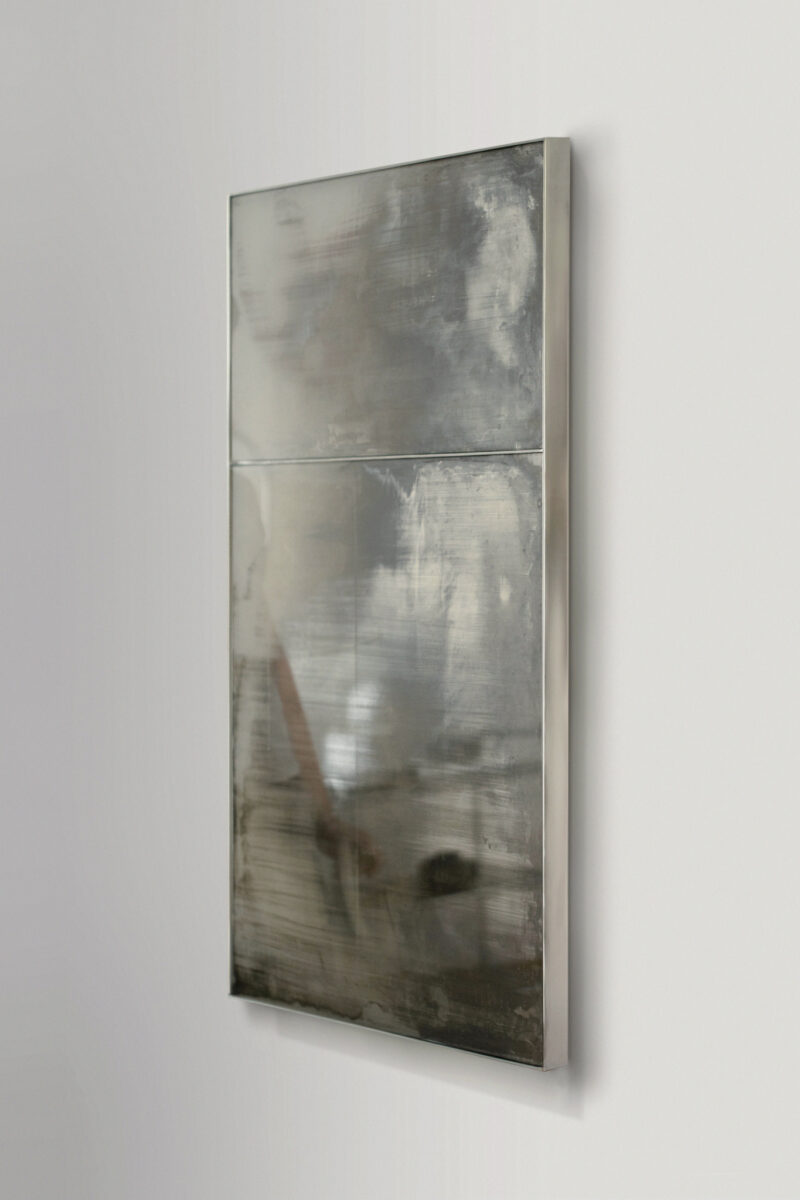
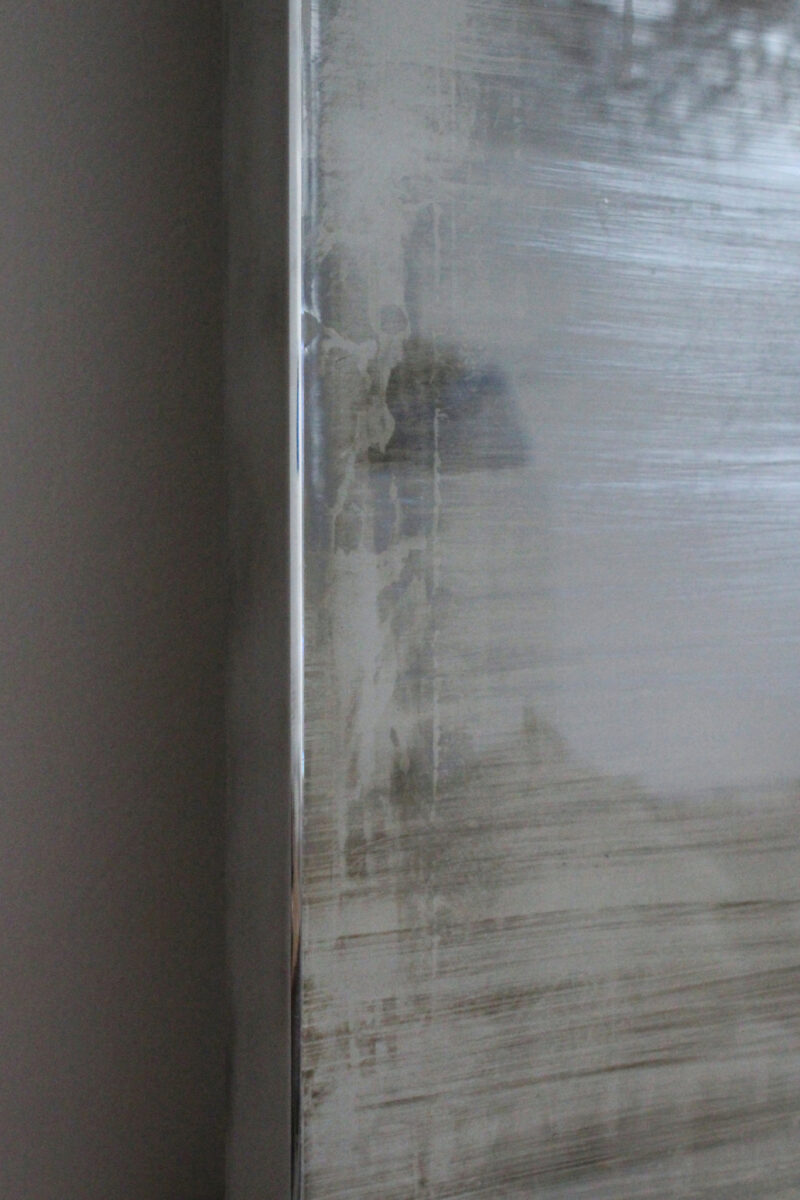
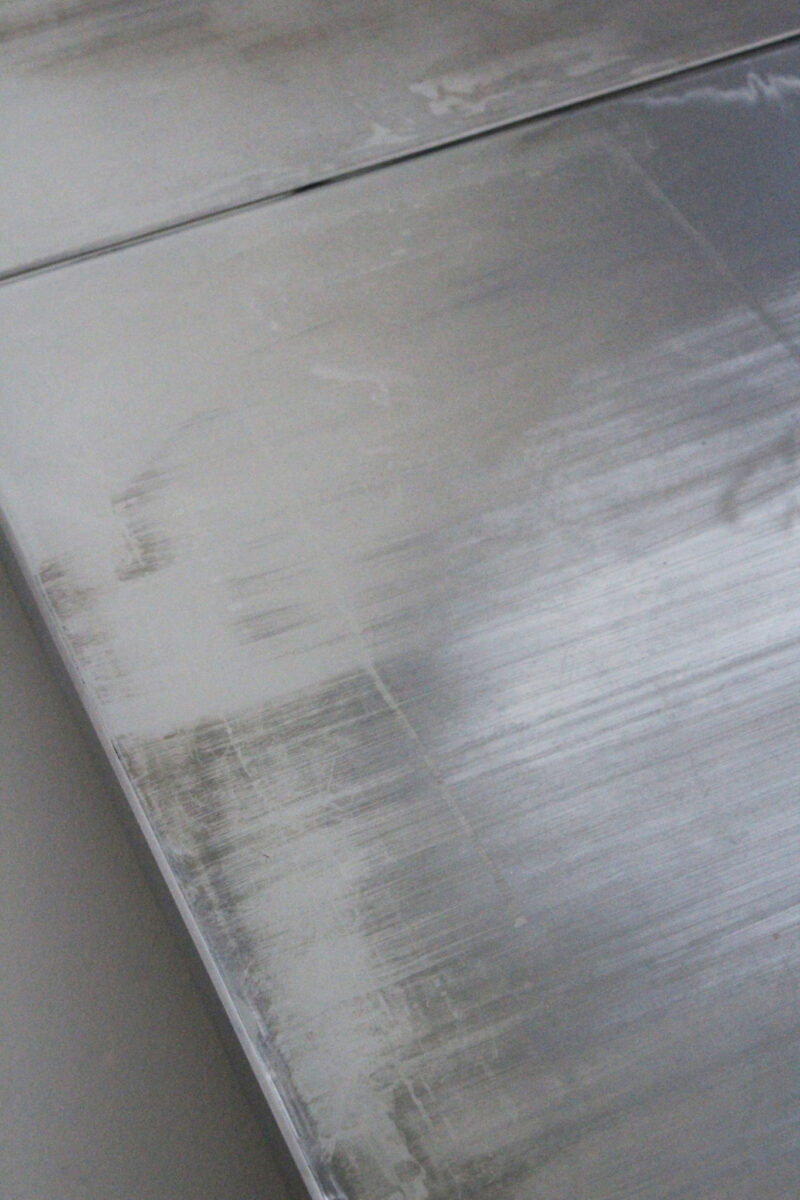
The technical challenge lies in the stability of the piece. While the mirror appears to be in a state of active decay, the artist must ensure that the chemical reactions are eventually halted or sealed to preserve the work for the long term. This tension between the appearance of fragility and the reality of structural permanence is a hallmark of high-end collectible design. The frames, crafted from highly polished stainless steel, provide the necessary structural integrity and a visual "anchor" for the more chaotic surfaces of the mirrors. This contrast highlights the two sides of human interaction with the physical world: the desire to control and polish, and the inevitable reality of entropy.
The Hungarian Design Renaissance and Global Context
Boldizar Senteski’s emergence on the New York stage is part of a broader trend often referred to as the "Hungarian Design Renaissance." Over the last decade, designers from Central and Eastern Europe have increasingly gained traction in international markets, blending traditional craftsmanship with a gritty, industrial aesthetic that feels fresh to Western audiences. Senteski, who has previously worked across various media including lighting and sculptural furniture, has become a leading figure in this movement.
The partnership with StudioTwentySeven is a strategic move that places Senteski’s work in the epicenter of the global art trade. According to market data from the 2023 Global Design Report, the "Functional Art" sector has seen a 15% year-over-year increase in valuation, driven largely by collectors who seek unique, one-of-a-kind pieces that serve as focal points in luxury residential projects. Senteski’s mirrors, which are signed and accompanied by certificates of authenticity, fit perfectly into this "blue-chip" design category.
Chronology of the Erosion Project
The development of the Erosion Collection follows a multi-year timeline of experimentation:
- 2021-2022: Senteski began initial experiments with oxidation on smaller glass fragments, seeking to replicate the textures of weathered concrete and oxidized copper found in the industrial districts of Budapest.
- Early 2023: The artist refined the chemical process to allow for larger-scale applications, ensuring that the "eroded" effect could be achieved consistently across large surfaces without compromising the glass’s integrity.
- Late 2023: StudioTwentySeven identified Senteski’s work as a primary interest for their New York and Miami galleries, initiating a collaboration to produce an exclusive triptych for the U.S. market.
- October 2024: The Erosion Collection officially debuted at StudioTwentySeven’s New York City flagship, accompanied by photography from Panna Donka, which captures the mirrors in high-contrast settings to emphasize their sculptural qualities.
Market Implications and Curatorial Response
Curators and interior designers have noted that the Erosion Collection arrives at a time when "maximalist" and "organic" trends are merging. The mirrors provide a neutral yet highly textured element that complements the "quiet luxury" aesthetic currently dominating high-end interiors. Unlike a standard mirror, which might be used to make a room feel larger, an Erosion mirror acts as a destination in itself—a piece that demands a viewer’s attention not for what it reflects of the room, but for what it reveals of its own surface.
Industry analysts suggest that the exclusivity of the collection—being a triptych of unique pieces—will likely lead to a rapid acquisition by private collectors or institutional archives. The "request-only" pricing model employed by StudioTwentySeven is standard for works of this caliber, ensuring that the pieces are placed in environments that respect their dual nature as functional objects and fine art.
Broader Impact on Functional Art
The significance of Senteski’s work extends beyond the gallery walls. It contributes to an ongoing dialogue about the "honesty of materials." In an era of mass-produced, plastic-heavy furniture, the Erosion Collection celebrates the "flaw." It aligns with the Japanese philosophy of Wabi-Sabi—finding beauty in imperfection and the natural cycle of growth and decay.
Furthermore, Senteski’s work reflects a shift in how we perceive the "urban." Rather than viewing rust and corrosion as signs of failure or neglect, Senteski invites the viewer to see them as a "record of transformation." This perspective is particularly resonant in a city like New York, where the layers of history are visible on every street corner, from the weathered steel of the High Line to the salt-stained facades of Lower Manhattan.
As the Erosion Collection settles into its residency at StudioTwentySeven, it serves as a reminder that the objects we surround ourselves with can be more than just utilitarian. They can be witnesses to time, capturing the invisible forces of the atmosphere and freezing them into a moment of reflection. For Boldizar Senteski, the mirror is no longer a tool for seeing the self; it is a portal for seeing the world as it truly is: beautiful, changing, and perpetually in flux.
The collection remains available for viewing by appointment at StudioTwentySeven New York. Each of the three mirrors is sold as an individual unique work, representing the pinnacle of Senteski’s current artistic trajectory and a bold step forward for Hungarian contemporary design on the world stage. Through this work, the artist has successfully harnessed the power of erosion, turning a destructive force into a creative one, and in doing so, has created a series of artifacts that are as enduring as the materials they represent.