admin

The modern homeowner often faces a difficult architectural dilemma: what to do with the industrial network of pipes and air ducts that traverse ceilings and walls. In the wake of the popular "industrial chic" design trend, many have chosen to leave these systems exposed, while others seek to conceal them behind drywall or decorative enclosures to achieve a more traditional, finished look. However, the decision to cover or reveal these mechanical components is not merely an aesthetic choice. It involves complex considerations regarding safety, energy efficiency, and strict adherence to local building codes.
According to architectural engineers and HVAC professionals, the impulse to hide unsightly utilities must be balanced against the necessity of maintenance access and the prevention of hazardous conditions. Failure to account for these factors can lead to catastrophic failures, including undetected gas leaks, frozen plumbing, and significant structural damage during emergency repairs.
The Architectural Context of Exposed Utilities
Exposed mechanical systems are most common in three specific residential scenarios: basement renovations, loft conversions, and older homes where modern HVAC systems were retrofitted long after the original construction. In these environments, the ceiling height is often insufficient to allow for traditional dropped ceilings, leaving ducts and pipes in plain view.
Andy Gibbs, an architectural engineer and president of RemodX, notes that while these components can be an eyesore, they are functional "arteries" of the home. "We commonly see homeowners struggle with the visual clutter of exposed systems," Gibbs explains. "While boxing in or painting these components can improve a room’s aesthetic and even offer insulation benefits, not every pipe or duct should be covered."
The trend toward concealment has grown as homeowners seek to maximize the appraisal value of their properties. A finished basement or attic with concealed utilities often commands a higher market price than one with exposed joists and mechanicals. However, the method of concealment determines whether that value is sustained or if it becomes a liability during a home inspection.

Safety Protocols and the Dangers of Enclosed Gas Lines
The most critical safety concern in utility concealment involves natural gas lines. Unlike water pipes or air ducts, gas lines carry a high-risk combustible fuel. Industry experts are unanimous in their warning: gas lines must never be permanently enclosed in a sealed, unventilated space.
Jon Graham, CEO of Element Plumbing, Heating & Air, emphasizes the gravity of this mistake. "I have walked into homes where a previous owner had dry-walled completely over a gas line—no vent, no access, nothing," Graham says. The danger lies in the potential for a "slow leak." In an open or ventilated area, the odorant added to natural gas (mercaptan) is easily detected by residents. In a sealed soffit, gas can accumulate silently. By the time the smell permeates the drywall, the concentration of gas may have reached explosive levels.
Furthermore, building codes strictly regulate the types of fittings that can be concealed. While a continuous run of pipe may sometimes be enclosed, shutoff valves, unions, and flexible appliance connectors must remain accessible. "Gas shutoff valves must remain accessible," Gibbs notes, adding that local building officials should always be consulted before any gas line is obstructed.
Building Code Requirements and Maintenance Access
The International Residential Code (IRC) and the Uniform Plumbing Code (UPC) provide the legal framework for how utilities must be managed. The primary principle across all codes is the requirement for "ready access."
Building professionals like Richard Golding, a general contractor and founder of NYC Build Remodel LLC, stress that any enclosure must be designed with the future in mind. "The best solution depends on ceiling height, available space, and maintenance requirements," Golding explains. If a pipe or duct is covered with permanent drywall, any future leak or blockage will require the destruction of that finished surface.
To mitigate this, professionals recommend the following strategies:
- Removable Panels: Using wood, metal, or plastic access panels over critical junctions.
- Slat Walls: Decorative wood slats that provide a visual barrier while allowing air circulation and easy removal.
- Soffits with Integrated Doors: Creating a "box" around the utilities that includes hinged or magnetic doors at intervals.
Graham recounts a cautionary tale of a homeowner who built an elaborate, permanent wooden soffit over a water shutoff valve. When a leak occurred two years later, the emergency plumbers had to use a reciprocating saw to cut through the finished woodwork just to reach the valve. What could have been a simple five-minute fix turned into a multi-day reconstruction project costing thousands of dollars.
Thermal Management and Energy Efficiency
Beyond aesthetics, the decision to cover pipes and ducts has significant implications for a home’s thermal performance. In many climates, exposed water pipes are a liability.
Frozen Pipe Prevention
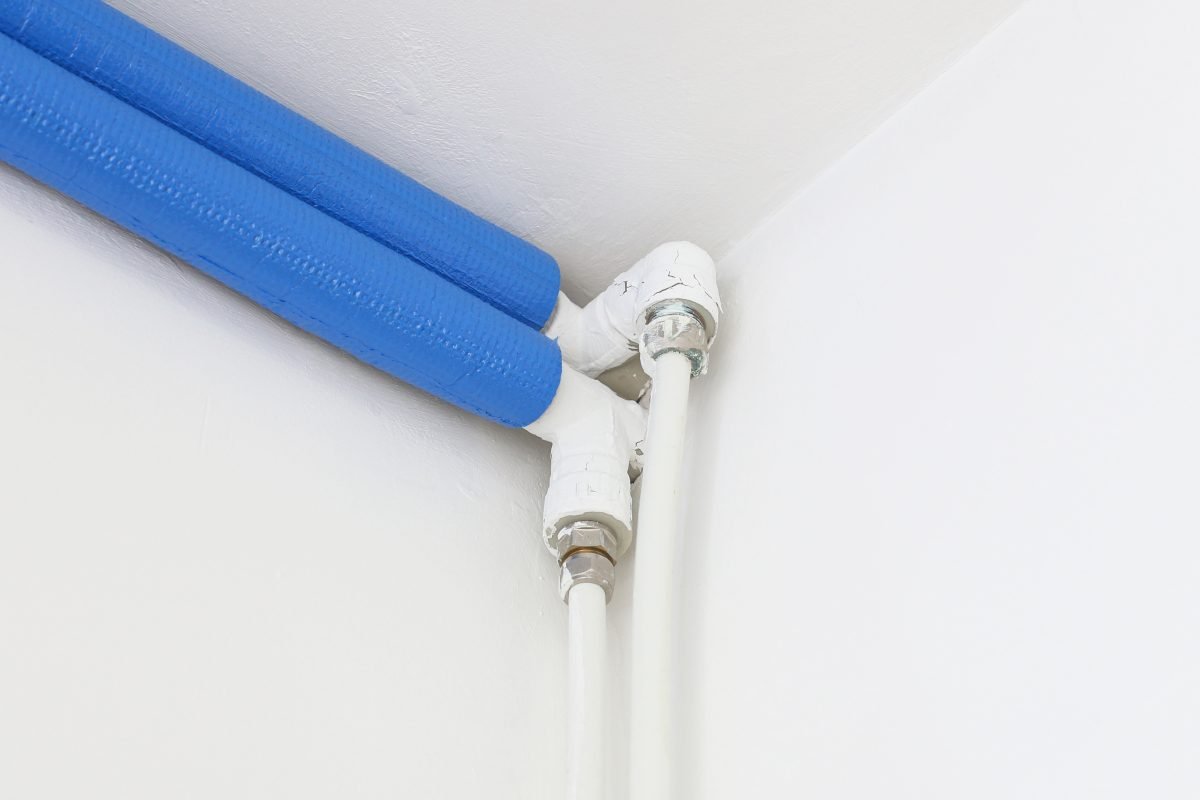
In cold regions, exposed water supply lines in unheated areas (like crawlspaces or unfinished basements) are highly susceptible to freezing. According to data from the Insurance Institute for Business & Home Safety, burst pipes are one of the leading causes of property damage, with a single incident often costing upwards of $5,000 in remediation. Gibbs advises that while a drywall box alone offers little thermal protection, wrapping pipes in foam insulation sleeves before enclosing them can significantly reduce the risk of crystallization and subsequent bursts.
Heat Gain in Hot Climates
Conversely, in hot climates, attic temperatures can reach 160 degrees Fahrenheit. Exposed cold-water lines can absorb this heat, resulting in "hot" water coming out of the cold tap and increasing the load on water heaters. Gibbs recommends routing these pipes beneath thick layers of attic insulation or using specialized reflective wraps.
HVAC Efficiency
Ductwork is another area where concealment and insulation intersect. The U.S. Department of Energy estimates that typical duct systems lose 20 to 30 percent of the air that moves through them due to leaks, holes, and poor connections. When ducts are left exposed in unconditioned spaces, they lose heat (in winter) or gain heat (in summer) through the metal walls of the duct. Properly insulating and then enclosing these ducts in a conditioned soffit can improve HVAC efficiency by up to 15 percent.
Aesthetic Alternatives: The Role of Paint
For homeowners who cannot afford the space for a soffit or the cost of custom cabinetry, painting is often the preferred alternative. This allows the utilities to "blend in" with the ceiling or wall color, reducing their visual impact without restricting access.
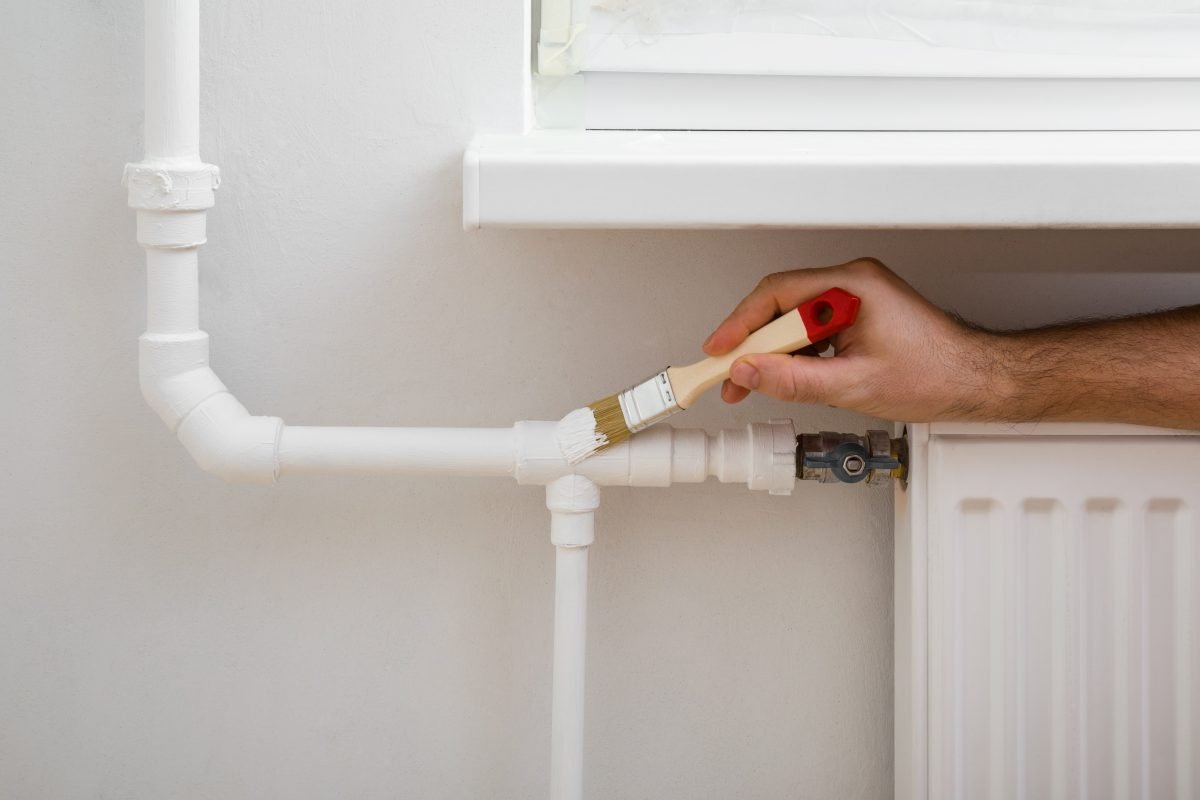
However, the chemistry of the pipe material must be considered.
- Metal Pipes and Ducts: These can be safely painted using high-quality enamels or rust-inhibitive sprays. Professionals recommend cleaning the surface with a degreaser first to ensure adhesion.
- Plastic Pipes (PVC and PEX): Caution is required here. Certain oil-based paints and solvents can react with the plastic, causing it to become brittle over time. This degradation can lead to premature cracks and leaks. Water-based latex paints are generally considered safer for plastic, but many manufacturers recommend leaving PEX unpainted to maintain the integrity of the material.
Structural Integrity and Prohibited Practices
A common mistake made by residents is utilizing exposed pipes or ducts as storage or support structures. Both Gibbs and Golding strongly advise against hanging any items—such as plants, shelving, or holiday decorations—from these systems.
"Plumbing and HVAC systems aren’t designed to support decorative items," Golding warns. The hangers that hold these pipes to the joists are calculated based on the weight of the pipe and its contents (water or air) only. Adding even a few pounds of external weight can stress joints, leading to slow-motion failures or sudden disconnection of ductwork sections. For those who wish to hang items, professionals recommend installing independent ceiling hooks that are anchored directly into the structural joists.
Broader Impact and Long-term Implications
The management of exposed utilities is a microcosm of modern home maintenance: it requires a balance between form and function. As energy codes become stricter and home insurance companies become more diligent in their inspections, the "DIY" enclosure of pipes is becoming a significant point of contention in real estate transactions.
Home inspectors are increasingly flagging unventilated gas line enclosures and inaccessible cleanouts as "red flag" items that must be remediated before a sale can proceed. By following the advice of architectural engineers and licensed contractors—prioritizing ventilation, ensuring "ready access," and utilizing proper insulation—homeowners can achieve the aesthetic they desire without compromising the safety or structural integrity of their residence.
In the long term, the most successful renovations are those that treat mechanical systems as essential infrastructure rather than obstacles to be hidden. Whether through a well-ventilated soffit, a strategically placed access panel, or a professional paint job, the goal remains the same: a home that is as safe and efficient as it is beautiful.