admin
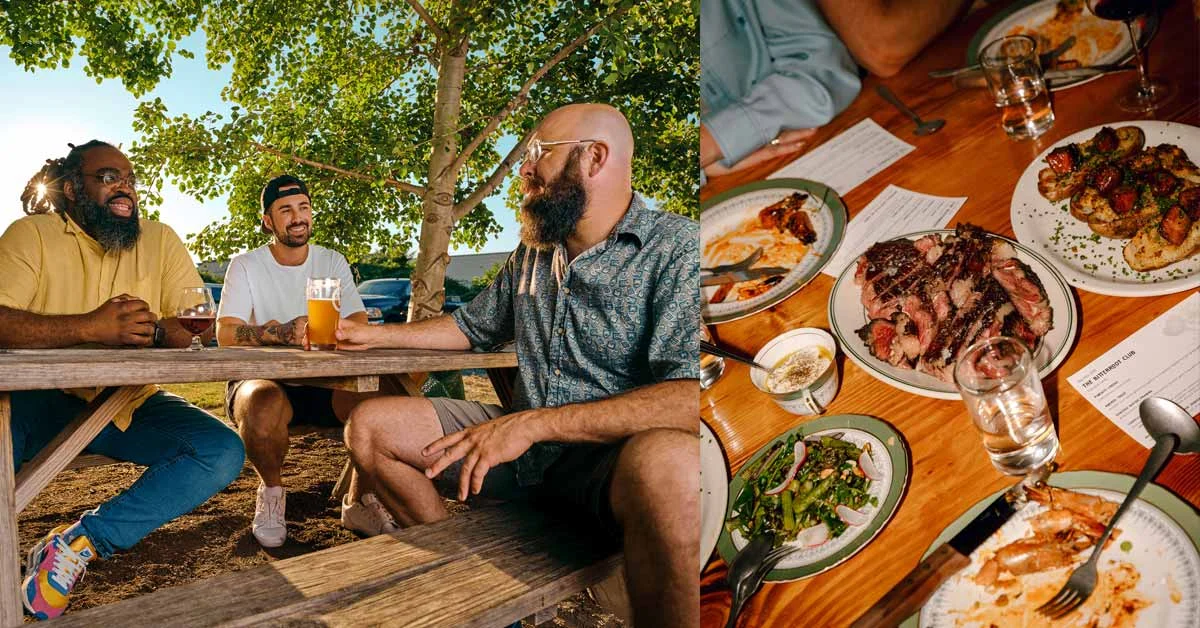
On a Tuesday night in the Buckman neighborhood of Southeast Portland, Oregon, the atmosphere at Grand Fir Brewing reflects a calculated evolution of the American brewpub. While the main taproom hums with the typical energy of a Pacific Northwest social hub—defined by rustic steel, warm wood, and a steady flow of local patrons—a more exclusive experience unfolds behind a nondescript door at the rear of the building. Here, in a windowless room styled after a vintage hunting lodge, The Bitterroot Club operates as a weekly testament to the "elevated" direction of the industry. This supper club, helmed by co-owner and Top Chef finalist Doug Adams, serves as a strategic response to a tightening craft beer market, where high-quality liquid alone is no longer a guaranteed path to solvency.
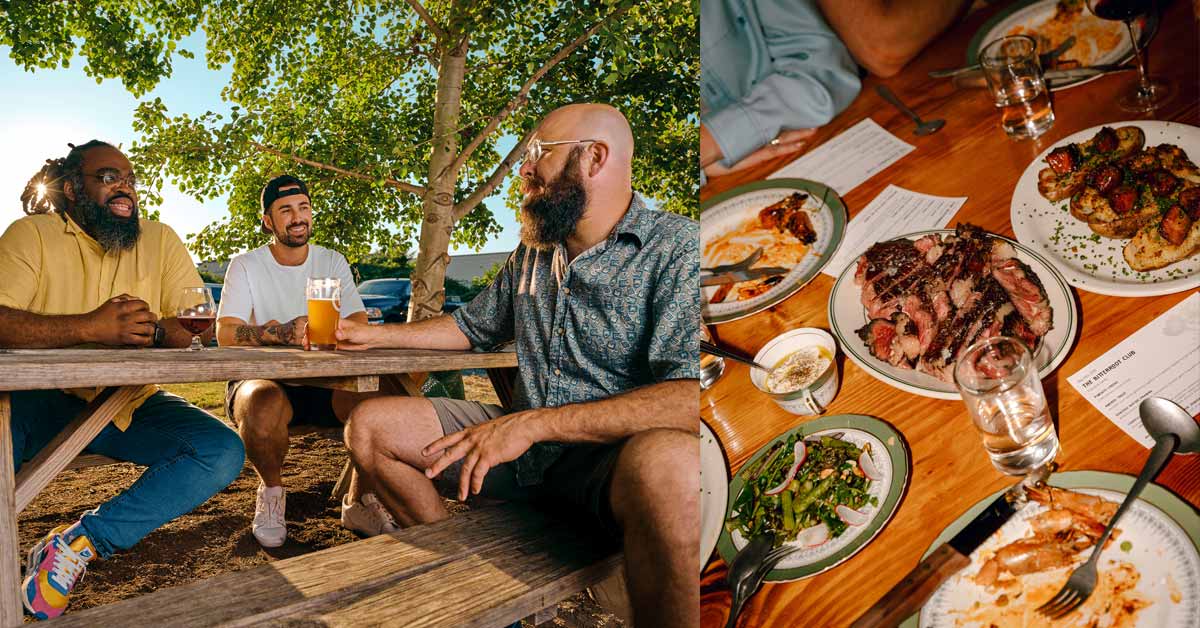
The Bitterroot Club offers a $135 prix fixe menu that integrates the culinary expertise of Doug Adams with the technical brewing proficiency of his wife and co-owner, Whitney Adams. The experience serves as a microcosm of Portland’s current brewing ethos: a fusion of world-class gastronomy and pedigreed brewing. Whitney Adams, a veteran of the Northwestern beer scene with a resume including Upright Brewing, Elysian, and 10 Barrel Brewing Company, crafts beers designed specifically to complement complex seasonal dishes. The menu features pairings such as the bready Tamarack Fest lager with Columbia king salmon, and a charcoal-grilled pork chop served alongside the Bandit Run Mosaic American IPA. This symbiotic relationship between the kitchen and the brewhouse is what Whitney Adams identifies as a necessary "angle" in an era where consumer expectations have reached an all-time high.
The Economic Landscape of Oregon Brewing
The shift toward high-concept experiences like The Bitterroot Club comes at a pivotal moment for the industry. According to data from the Brewers Association, while the total number of craft breweries in the United States continues to hover near 10,000, the rate of growth has slowed significantly compared to the previous decade. In Oregon, a state where the brewing industry contributes nearly $9 billion annually to the economy, the challenges are particularly acute. Rising real estate costs, fluctuating aluminum prices, and a post-pandemic shift in consumer behavior have forced many establishments to diversify their offerings.
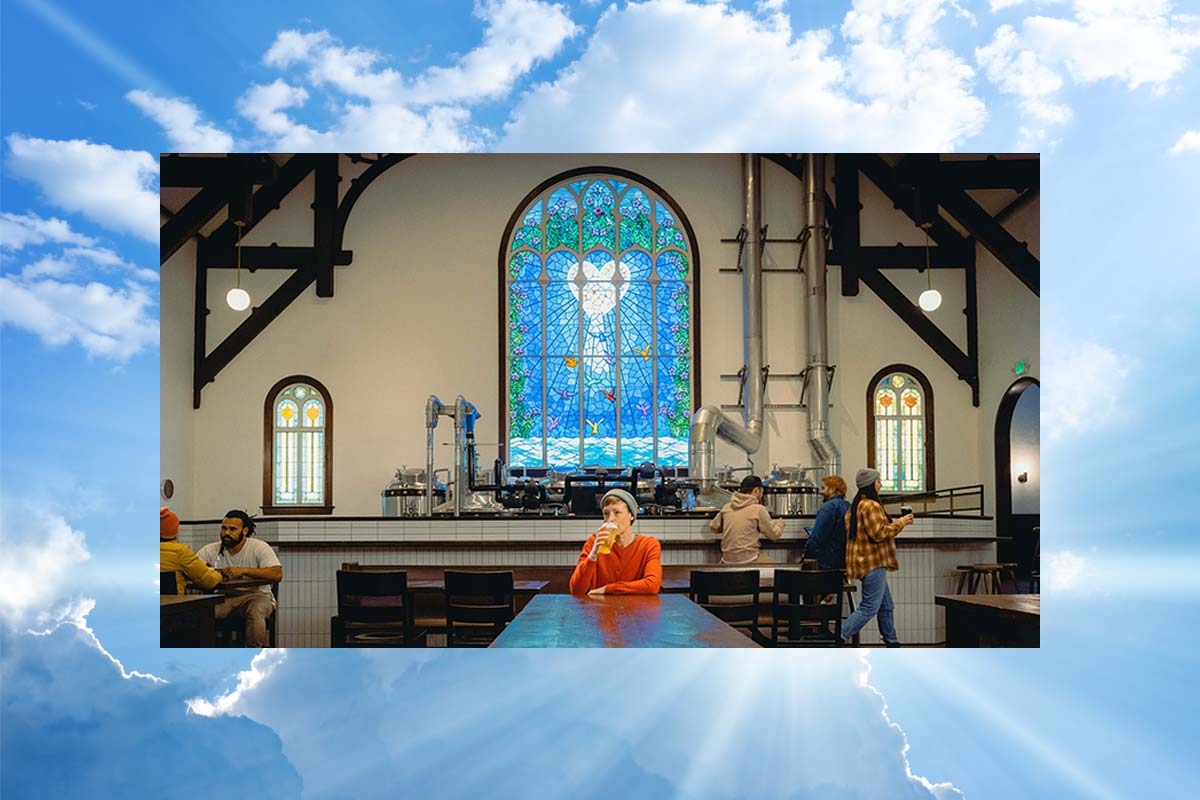
While breweries in other regions have turned to "eatertainment" models—installing pickleball courts, arcades, or dog parks—Portland has largely doubled down on its reputation for quality and discernment. The city’s market is characterized not by a lack of drinkers, but by a "savvy" consumer base that regards craft beer as the baseline rather than a specialty product. This environment has fostered a "Beervana" identity that has persisted for three decades, rooted in a unique combination of geographic advantages and cultural momentum.
A Chronology of Portland’s Brewing Dominance
The foundations of Portland’s beer culture were laid in the mid-1980s and early 1990s, a period that saw the birth of the modern brewpub. The term "Beervana" was first popularized by the local alternative weekly Willamette Week in 1994, marking the city’s transition from a regional hub to a national epicenter of independent brewing. By the early 2000s, Portland had established the most developed craft market in the country, characterized by an absence of dominance from major national conglomerates.
Van Havig, master brewer and co-founder of Gigantic Brewing, notes that Portland’s geographic isolation played a critical role in this development. Historically, major brands like Miller and Anheuser-Busch had a minor presence in the Pacific Northwest compared to their strongholds in the Midwest and East Coast. This vacuum allowed local distributors and independent brewpubs to seize the market early. By 2000, a handful of local labels had become omnipresent in Portland establishments: Widmer Brothers’ Hefe, Deschutes’ Mirror Pond Pale Ale and Black Butte Porter, Full Sail’s Amber Ale, and BridgePort Brewing’s India Pale Ale.
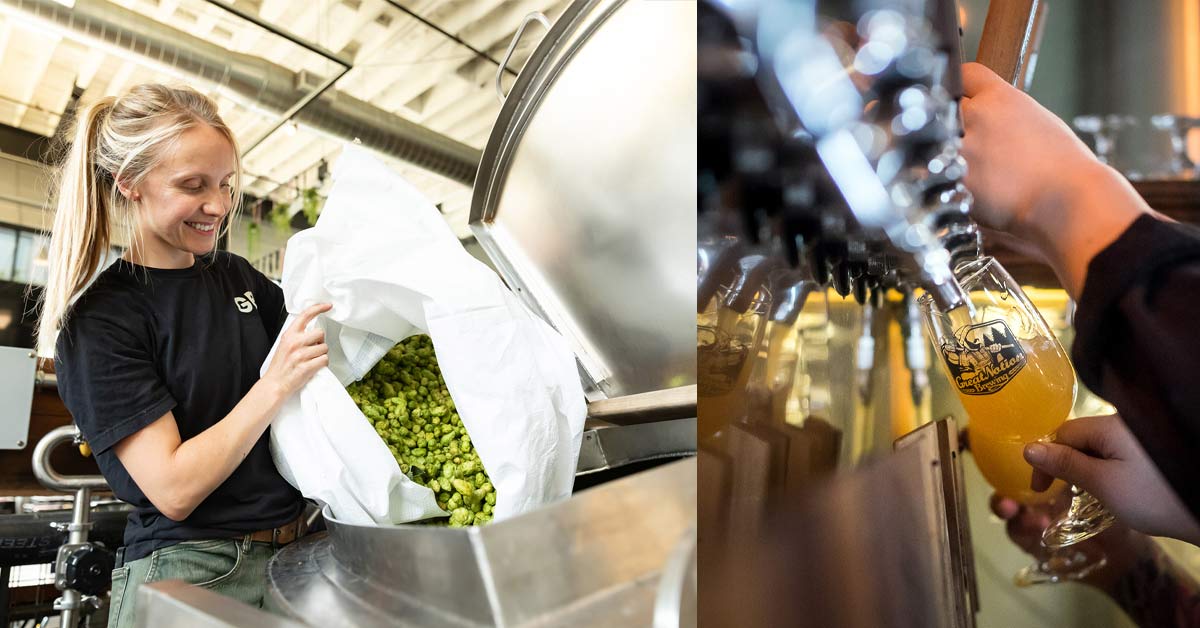
The introduction of BridgePort’s IPA in 1996 was a watershed moment, establishing the template for the Northwest-style IPA—a hop-forward, citrus-heavy profile that would eventually define American craft beer globally. As palates expanded, the 2010s saw a surge in experimentation. Breweries began venturing into Belgian ales, wild fermentations, and barrel-aging programs. This era also saw the "growler phenomenon," where gas stations and grocery stores across the city installed draft towers, providing unprecedented market access for small-scale producers.
The Evolution of Style and Innovation
Today, the Portland scene is defined by its diversity of specialization. During a recent survey of the city’s brewing landscape, several distinct "houses" of style emerged:
- Wayfinder Brewing: Known for its focus on lagers and its role in popularizing the "Cold IPA," a style brewed with lager yeast to achieve a crisp, clean finish that highlights hop aromatics.
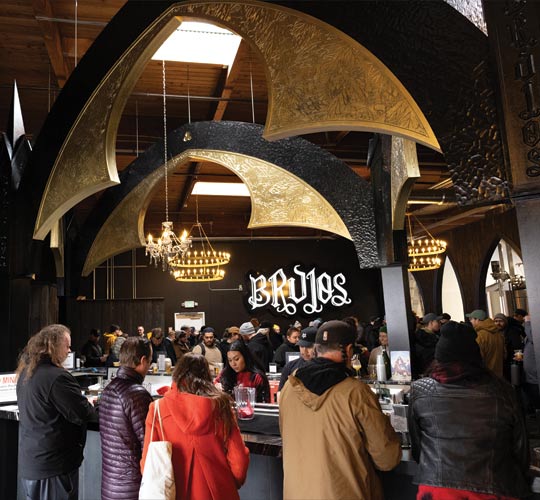
- Brujos Brewing: A destination for "heavy metal" aesthetics and hazy IPAs, catering to a subculture that blends craft beer with artisanal branding.
- Living Häus Beer Company: An experimental hub that focuses on modern interpretations of classic styles, reflecting the city’s "hipster" sensibilities.
- Great Notion Brewing: A pioneer in the "pastry sour" and culinary-inspired beer movement, utilizing adjuncts like fruit, chocolate, and spices to create dessert-like flavor profiles.
- Deschutes Brewery: A legacy producer that has recently invested heavily in non-alcoholic (NA) technology, producing NA versions of its iconic Black Butte Porter and Fresh Squeezed IPA to meet the demands of health-conscious consumers.
This continuous innovation is supported by the proximity of the Willamette Valley, which produces approximately 99% of the hops grown in Oregon and remains one of the world’s premier hop-growing regions. The availability of fresh, local ingredients allows Portland brewers to engage in "Fresh Hop" season—an annual event where hops are harvested and added to the brew kettle within hours, a feat impossible for breweries in most other parts of the world.
Structural Shifts and Professional Pedigree
A significant factor in the sustained quality of the Portland market is the evolution of its "brewing family tree." Ben Edmunds, brewmaster at Breakside Brewing, observes that for much of the city’s history, brewers tended to remain at established institutions for decades. However, the last ten years have seen a wave of veteran brewers branching out to start their own ventures.
This influx of experienced talent has led to the opening of establishments like Grand Fir and Living Häus, which benefit from the technical expertise of their founders. This professionalization of the startup scene ensures that even new entries into the market operate with a high degree of consistency and quality. Whitney Adams’ transition from regional powerhouses like 10 Barrel to an independent ownership role at Grand Fir exemplifies this trend.
Analysis of Implications: The Future of "Beervana"
The survival of Portland’s brewing industry depends on its ability to navigate two conflicting pressures: the rising cost of doing business and the increasing commodification of beer. In many American cities, "craft beer" remains a distinct category, often priced at a premium. In Portland, as Van Havig points out, the distinction has largely disappeared. "Here, it’s just beer," he notes, suggesting that the local market has reached a state of "post-craft" maturity where independent, high-quality brewing is the standard expectation for any bar, from the high-end bistro to the neighborhood dive.
However, this maturity brings its own risks. Market saturation and the skyrocketing cost of urban real estate make it difficult for new, smaller breweries to gain a foothold. The success of Grand Fir’s "elevated" model suggests that the future of the urban brewpub may lie in higher-margin, experience-driven offerings. By integrating fine dining with technical brewing, the Adamses are insulating their business against the volatility of the general draft market.
Furthermore, the resilience of the Portland scene is bolstered by a deeply ingrained cultural support system. Despite economic headwinds, the city maintains a high level of per-capita consumption of locally produced beer. This "buy local" ethos is not merely a marketing slogan but a fundamental component of the regional identity.
Conclusion
As the craft beer industry nationwide faces a period of consolidation and correction, Portland serves as a case study in cultural integration. The city has moved beyond the "microbrewery" trend of the 1990s and the "hop-bomb" obsession of the 2000s to create a sustainable, albeit challenging, ecosystem. The success of venues like Grand Fir Brewing and its Bitterroot Club indicates that while the marketplace is indeed "slippery," there remains a significant demand for products that combine technical excellence with a unique narrative.
In the words of Van Havig, Portland is "where craft beer won." The victory is evidenced by the fact that the term "craft" has become redundant in the local vernacular. As long as the city’s brewers continue to innovate and its consumers remain discerning, the "Beervana" moniker appears secure, even as the industry at large continues to evolve. For the brewers of Portland, the path forward is clear: maintain the quality that defined the past thirty years while embracing the culinary and experiential sophistication required for the next thirty.