admin
admin
Welcome to Dwell’s "Good Vintage" series, where we delve into the world of furniture resellers and dealers, exploring their origins, sourcing strategies, and the passion that sustains their craft. This installment shines a light on Normalish Studio, a Chicago-based vintage furniture enterprise whose co-owners, John Perez and Raquel Bahena, embarked on a remarkable professional metamorphosis. Unbeknownst to many browsing their eclectic and thoughtfully restored collections, Perez and Bahena once catered to the ultra-rich, designing and fabricating opulent interiors for private jets and luxury automobiles. Their current venture represents not merely a career change, but a profound philosophical pivot towards craftsmanship, sustainability, and the inherent warmth of storied pieces, a stark contrast to the sterile, ultramodern environments they previously created.
A Dramatic Shift from Ultra-Luxury to Enduring Design
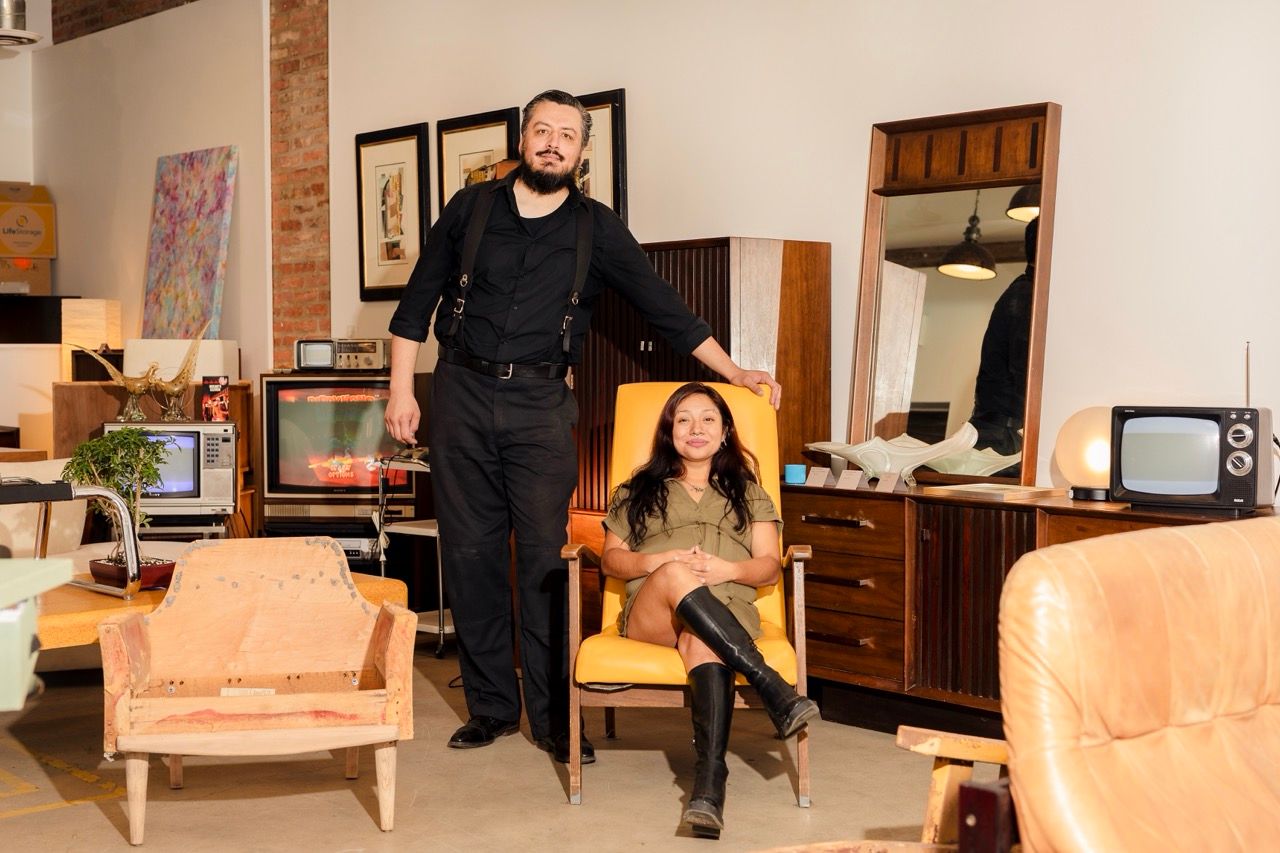
Before founding Normalish Studio, John Perez and Raquel Bahena were entrenched in the high-stakes world of automotive and aviation design. Their days were spent meticulously crafting bespoke interiors for the country’s wealthiest clientele, utilizing materials that, while cutting-edge, often prioritized sleekness and novelty over soul. Fiberglass, polished aluminum, stark black leather, and industrial paints were their palette, yielding environments devoid of the character and warmth found in natural, aged materials. This demanding industry, characterized by intense bureaucratic hurdles and the relentless pursuit of perfection for an exclusive few, began to take its toll. By early 2025, after navigating a slew of administrative complexities and facing growing disillusionment, Perez and Bahena decided a fundamental change was necessary. "We decided to put the tools and skills we had in a different direction," Perez recounts, signaling a move away from transient luxury towards enduring quality.
This decision was not made lightly. It emerged from a growing dissatisfaction with the ephemeral nature of their previous work, where bespoke designs, despite their exorbitant cost, often felt impersonal and disconnected from a broader sense of utility or history. The materials themselves, though high-tech, lacked the tactile richness and narrative potential that older pieces offered. The pair recognized that their extensive expertise in luxury interior design, encompassing intricate upholstery, precision woodworking, sophisticated paint applications, and metalwork, was profoundly transferable. Instead of applying these skills to create new, unblemished surfaces, they chose to redirect their talents toward breathing new life into forgotten furniture. This marked their entrance into the burgeoning vintage furniture market, a sector increasingly valued for its sustainability, unique aesthetics, and inherent quality that often surpasses mass-produced contemporary items.
The Genesis: Atomic Land Vintage and the Trials of Rapid Growth
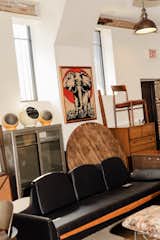
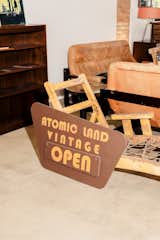
Their initial foray into vintage furniture began in the spring of 2025 with the launch of "Atomic Land Vintage." As the name suggested, their initial intent was to specialize in pieces from the Atomic Age, a period renowned for its distinctive mid-century modern aesthetic. Equipped with their formidable design and fabrication skills, Perez and Bahena began their hunt for neglected treasures. Craigslist and Facebook Marketplace became their primary hunting grounds, scoured for "anything furniture-related we could shine and resell," as Perez described.
They quickly established a makeshift storefront within a leased warehouse, allowing them to showcase their finds while simultaneously operating a restoration workshop. The business model initially expanded to include comprehensive restoration services, wholesale offerings, and custom fabrication and modification work for other designers and furniture dealers across Chicago. This comprehensive approach, while leveraging their diverse skill set, led to rapid expansion and, inadvertently, a return to the overwhelming workload they had sought to escape. "We had thirty-plus projects to work on at any single moment," Perez recalls, describing a situation where the sheer volume threatened to compromise the quality and thoughtful attention they wished to dedicate to each piece. The ambition to serve a broader market quickly became a double-edged sword, leading to operational strain and a renewed sense of creative burnout.
The Evolution to Normalish Studio: A Refined Philosophy
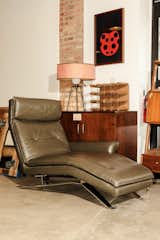
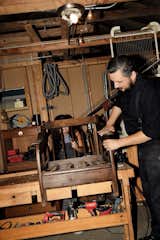
Recognizing the unsustainability of their rapid expansion, Perez and Bahena made a strategic decision to recalibrate. This involved temporarily closing their workshop to meticulously complete and deliver outstanding commissions. Following this, they deliberately downsized, transitioning to a more intimate workspace designed to accommodate only the two of them. This deliberate contraction allowed them to focus intensely on one or two projects at a time, ensuring a fully hands-on approach and meticulous attention to detail.
After a four-month period of intensive re-evaluation and restructuring, they relaunched their business in August 2026 under the new moniker, "Normalish Studio." This rebranding reflected a broadened stylistic scope, now encompassing vintage furniture from across the entire 20th century, moving beyond the strict Atomic Age focus. Normalish Studio emerged as a hybrid enterprise: a dedicated restoration workshop integrated with a retail storefront. Their core mission crystallized: to exclusively work on "studio pieces," which are "degraded vintage furniture" items that they personally source and painstakingly restore to an "A-grade" condition. "That’s how we make our money versus just flipping something that doesn’t need any work at all," Perez emphasized, highlighting their commitment to value creation through intensive restoration rather than quick resale. This model not only ensures higher quality and greater artistic satisfaction but also addresses a significant gap in the vintage market, where many sellers prefer pieces requiring minimal intervention.
A Strategic Location and the Art of Revival
Normalish Studio benefits from a serendipitous location on the border of Chicago’s bustling design and manufacturing districts. This geographic advantage provides Perez and Bahena with both an industrial workshop space and a commercial retail front in close proximity. The seamless flow between the two allows for maximum efficiency: once a piece is meticulously restored in the studio, it can be effortlessly transported across a shared parking lot to the showroom, ready for display and sale.
Their restoration process varies depending on the piece and its condition. For smaller items such such as consoles, chairs, and side tables, a "standard glow-up treatment" is typically applied. This involves a careful sanding to address imperfections, followed by the application of a stain or paint to enhance or alter its appearance, and finally, a protective finish of wax or polish. Crucially, their objective is not merely to erase all signs of age and make a piece look brand new. Instead, Perez and Bahena aim to transform rundown items into functional and beautiful objects once again, respecting their history while ensuring their longevity and aesthetic appeal for modern living. This approach stands in contrast to fast furniture, which often lacks durability and the potential for meaningful restoration, contributing to a throwaway culture.
Collaborative Restoration and Local Sourcing

Beyond standard restoration, Normalish Studio offers a more collaborative process for select, larger furniture items, inviting customers to become part of the revival journey. A prime example is a Percival Lafer sofa set, reportedly with a storied past involving Russian oligarchs. Manufactured in Brazil, the sofas had endured a long journey through Eurasia before reaching the American Midwest, arriving at Normalish Studio with completely destroyed leather seating. Instead of undertaking a full restoration immediately, Perez and Bahena chose to display these pieces in their current, un-restored state. This allows potential customers to purchase the item and then work directly with the studio to customize the upholstery, finish, and color to their precise specifications. This bespoke service ensures that the final piece perfectly integrates into the customer’s aesthetic while retaining its historical integrity.
Normalish Studio also champions local partnerships whenever feasible, reinforcing their commitment to quality and community. All the leather used in their upholstery projects, for instance, is sourced from Horween Leather Company, a distinguished, family-owned tannery based in Chicago with a rich history of crafting high-quality leather. This collaboration not only supports local businesses but also guarantees superior materials, contributing to the "A-grade" standard that Perez and Bahena strive for. Such practices underscore a broader movement in the design world towards ethical sourcing and supporting local craftsmanship, aligning with consumer values for transparency and sustainability.
The Normalish Difference: Reviving the "Last Legs"

What truly distinguishes Normalish Studio from many other vintage furniture dealers in the Chicago area, and indeed the wider market, is their unwavering commitment to rescuing and reviving pieces that are literally on their "last legs." While most vintage sellers prioritize quick turnovers and minimal intervention to maximize profit, Perez and Bahena embrace the challenge of deeply degraded items. They invest significant time, skill, and effort into giving nearly discarded secondhand furniture a chance at a "fifth or fifteenth life."
"What other people see as a piece in a not-great condition, we see great bones," Bahena explains. This discerning eye for potential is coupled with a profound respect for history and traditional craftsmanship. "Both John and I love history and we admire craftsmanship that isn’t done that way anymore," she adds. They passionately communicate to their customers that these pieces, often fifty or sixty years old and still structurally sound, possess an inherent durability and quality that contemporary mass-produced furniture often lacks. With their dedicated restoration, these vintage items "could keep on living forever," offering an enduring alternative to the disposable nature of modern consumer goods. This philosophy taps into a growing consumer desire for longevity and sustainability in their purchases, moving away from the "fast furniture" trend.
Embracing Patina and Inventive "Frankensteining"
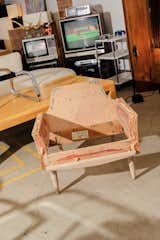
A core tenet of Normalish Studio’s philosophy is to avoid erasing the inherent character and history of a piece. Unlike conventional restoration that often aims for a "like-new" appearance, Perez and Bahena have a deep appreciation for the wear and tear that tells a story. For certain items, their goal is to preserve, rather than strip away, the patina. One example involved a wooden lounge chair frame whose original finish had been severely compromised by water damage. Upon inspection, they discovered it had been repainted decades prior, and the subsequent aging had developed a unique patina. Rather than stripping it entirely, Perez and Bahena decided to "just knock off whatever was flaking off and keep the rest," acknowledging the historical layer. Perez also points out the practical consideration of lead paint in older finishes, making complete removal sometimes less desirable. The chair was then "encased… in a clear coat to prevent it from decaying any further and to preserve the patina and the wear that exists," before being finished with "two crisp mohair cushions," creating a piece that honors its past while being perfectly suited for contemporary use. This approach speaks to a nuanced understanding of vintage aesthetics, where age is seen as an asset rather than a flaw.
Their creativity extends to an inventive practice they affectionately term "Frankensteining." Perez and Bahena often accumulate functional remnants and orphaned parts from various furniture projects. At an estate sale, they acquired two wooden floating shelves. Weeks later, a horizontal bookshelf came into their possession. They also had wall unit rails left over from an entirely different commission. Observing these disparate but stylistically compatible pieces—from three different Danish manufacturers—they conceived a novel solution: combining them to create a unique, two-sided bookshelf room divider. "We’re going to call it the Franken-Mobler," Perez jests, highlighting the playful yet practical ingenuity behind their work. This innovative approach not only minimizes waste but also offers customers truly one-of-a-kind pieces, demonstrating that beauty and functionality can emerge from unexpected combinations of vintage components.
Broader Implications: Sustainability, Craftsmanship, and the "Good Vintage" Movement
Normalish Studio’s journey and business model carry significant implications for the broader design industry, consumers, and the environment. In an era increasingly dominated by mass-produced "fast furniture" — characterized by low cost, short lifespans, and high environmental impact — Normalish Studio offers a compelling counter-narrative. Their dedication to restoring "degraded" pieces champions sustainability by extending the lifecycle of existing objects, thereby reducing waste and the demand for new resources. This aligns perfectly with the growing global emphasis on circular economy principles, where products are designed for durability, reuse, and recycling.
The studio’s work also underscores the enduring value of traditional craftsmanship. As Bahena notes, many vintage pieces were constructed using high-quality materials and techniques that are rarely employed in today’s furniture manufacturing, making them inherently more repairable and long-lasting. By meticulously restoring these items, Perez and Bahena are not only preserving tangible pieces of design history but also educating consumers about the qualitative difference between disposable goods and heirloom-quality furnishings. This fosters a greater appreciation for artisanal skill and design integrity.
The "Good Vintage" series, of which Normalish Studio is a featured part, itself reflects a significant cultural shift. Consumers are increasingly seeking unique, character-rich items that tell a story, offering a departure from standardized, generic interiors. Vintage furniture provides an avenue for personalization and individual expression, allowing homeowners to curate spaces that reflect their values, including environmental consciousness and a preference for authentic, well-made goods. The meticulous, hands-on approach of Normalish Studio resonates deeply with this discerning market segment, offering not just a piece of furniture, but a piece of history, thoughtfully revived and ready for a new chapter. Their journey from the sterile confines of ultra-luxury design to the warm, tactile world of vintage restoration is a testament to the power of passion, skill, and a commitment to more meaningful, sustainable creation.