admin
admin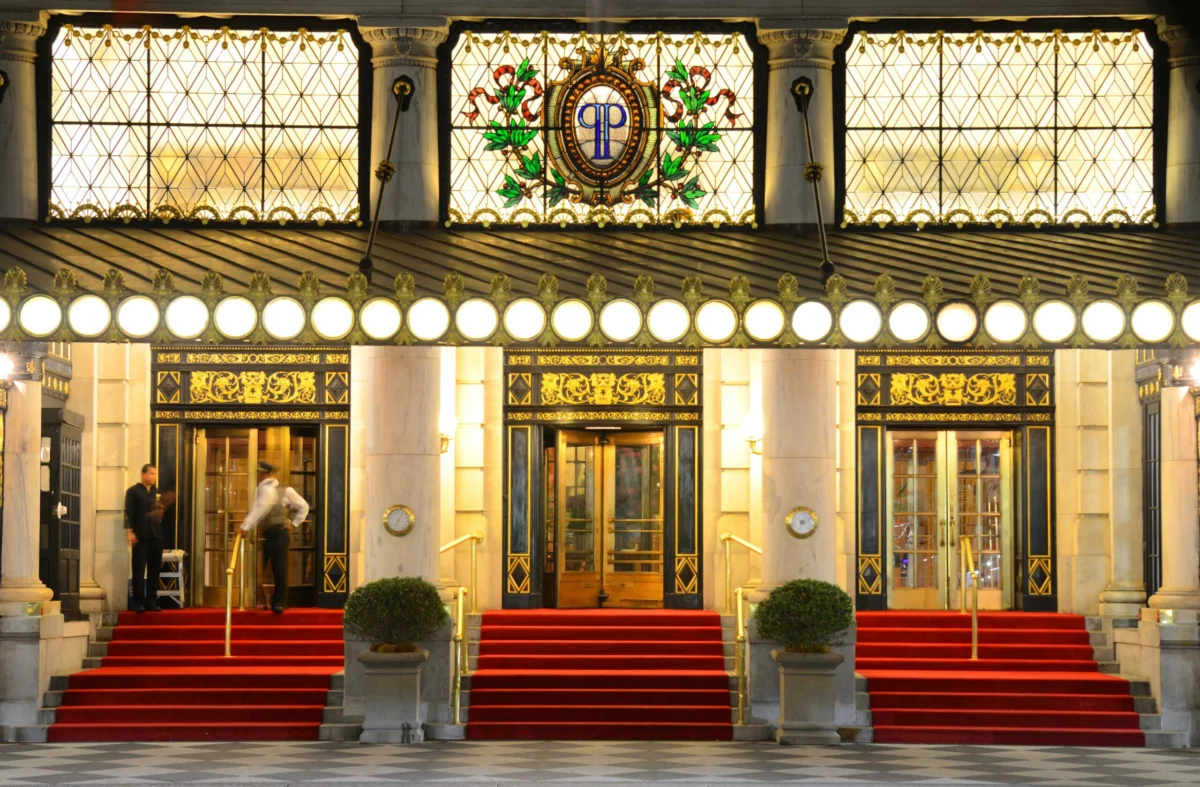
New York City’s iconic Plaza Hotel, a storied landmark at the crossroads of Fifth Avenue and Central Park South, is set to undergo a comprehensive, four-year renovation of its distinguished marble facade, commencing in 2027. This extensive undertaking, necessitated by the natural wear and tear on its historic materials and the need to preserve its architectural integrity, will lead to a temporary closure of the esteemed establishment. The decision marks a significant moment for one of the world’s most recognizable hotels, a place that has not only witnessed but also shaped decades of New York’s cultural and social history.
A Legacy of Elegance and Influence
Since its grand opening in 1907, The Plaza Hotel has stood as more than just a luxury accommodation; it has been a silent witness to pivotal moments in history and a muse for countless creative endeavors. Designed by the renowned architect Henry Janeway Hardenbergh, the hotel’s enduring French Renaissance-style architecture, characterized by its stout eighteen-story structure and distinctive roofline, has cemented its status as an indelible part of the Manhattan skyline, often perceived as more of an icon than its towering, modern neighbors.

The hotel’s storied past includes hosting legendary figures and events. It was a significant stop for The Beatles just before their groundbreaking appearance on The Ed Sullivan Show, a testament to its burgeoning cultural relevance. Literary giants F. Scott and Zelda Fitzgerald were frequent guests, drawing inspiration from its opulent surroundings for their bohemian lifestyle and literary works. The hotel’s allure also inspired Neil Simon’s celebrated play, Plaza Suite, and it famously served as a cinematic backdrop in the beloved holiday film Home Alone 2: Lost in New York. Furthermore, the whimsical tales of Eloise, the precocious young girl who resided within its elegant halls, have captivated generations of readers, further embedding The Plaza in the collective imagination.
The Imperative for Preservation: A Facade in Need of Renewal
The upcoming renovation, scheduled to begin in 2027, will focus on the hotel’s magnificent marble facade, a critical element of its architectural identity. Hardenbergh’s original design featured a striking contrast between the rusticated marble base and lower levels, and the smoother, polished marble of the upper stories. However, rusticated marble, while visually appealing, is inherently more susceptible to deterioration from exposure to the elements. This necessitates regular maintenance and restoration to preserve its structural integrity and aesthetic appeal.
The timing of the 2027 renovation is particularly noteworthy, occurring just 19 years after the hotel’s last major overhaul in 2008. This relatively short interval underscores the demanding nature of maintaining such a historic structure in a bustling urban environment. The Landmarks Preservation Commission, a vital entity in safeguarding New York City’s architectural heritage, has recognized both the exterior and interior of The Plaza as registered landmarks. This designation imposes stringent requirements on any alterations or restoration efforts, ensuring that the hotel’s historical character is meticulously preserved.

Courtney Metakis of the New York Landmarks Preservation Commission emphasized the building’s significance: "Designated as both an individual and interior landmark, The Plaza Hotel’s elegant French Renaissance-style architecture, distinctive roofline, and prominent location have made it an iconic feature of the New York City skyline. Its grand, public interiors have made it an enduring part of the city’s cultural identity for more than a century." This statement highlights the dual importance of the facade as both an architectural marvel and a symbol of the city’s rich cultural tapestry.
Navigating the Complexities of Landmark Restoration
The process of restoring a landmark building of The Plaza’s stature is inherently complex. It requires not only extensive planning and specialized expertise but also close collaboration with regulatory bodies. The Landmarks Preservation Commission will be working intimately with the hotel’s management and its appointed restoration teams to ensure that all work adheres to the strictest preservation guidelines. This meticulous approach is crucial to maintaining the building’s historical accuracy and the integrity of its original materials.
To spearhead this monumental task, the hotel has engaged ADP Architects (Allison Doyle Partners), the same firm that previously oversaw the renovation of the hotel’s interior architecture. For the critical facade restoration, the firm HLZAE will lead the masonry repair and restoration efforts. Their combined expertise will be vital in addressing the challenges posed by the aging marble, ensuring that the building not only regains its former splendor but is also equipped to withstand the elements for decades to come.

The hotel’s management acknowledged the undertaking’s complexity in a prepared statement: "The undertaking reflects the complexity of maintaining a property of such architectural and historical significance, with careful consideration given to preservation requirements and the building’s long-term care, as well as the safety of our guests, employees, and the wider community. The scope and complexity of the facade works require detailed planning and coordination with relevant stakeholders, alongside adherence to applicable historic preservation requirements. Further considerations relating to the planning and execution of the works remain under review as the process advances." This statement underscores the hotel’s commitment to a thorough and responsible restoration process.
Impact on Operations and Guest Experience
The decision to close the hotel for a period of four years, while necessary for the restoration, will undoubtedly have a significant impact on its operations and the experience of its patrons. While the renovation is focused on the exterior, the disruption caused by extensive scaffolding, construction noise, and restricted access would fundamentally alter the serene and luxurious atmosphere that guests expect from The Plaza. The cost of a stay at The Plaza can range from $1,500 upwards, and a guest’s experience is paramount. Waking to the sounds of construction rather than the tranquility of Central Park would be a considerable detraction from the value proposition.
This closure also presents logistical challenges for individuals and groups who have made significant plans involving the hotel. Christine Carney, a bride-to-be who had booked The Plaza for her wedding, found herself needing to find an alternative venue following the announcement. Her experience highlights the ripple effect of such a closure on personal milestones and celebrations.

Supporting the Workforce and the Community
In recognition of the impact on its dedicated staff, The Plaza Hotel is working in conjunction with the Hotel & Gaming Trades Council. The hotel employs 378 individuals, and efforts are underway to assist them in securing interim employment at other establishments during the restoration period. This proactive approach demonstrates a commitment to the well-being of its workforce, acknowledging their integral role in the hotel’s legacy.
Alternatives for Displaced Travelers and Local Charm
For those who had planned a stay at The Plaza or are seeking luxurious accommodations in the vicinity, the surrounding neighborhood offers a wealth of historic and elegant alternatives. The area around Central Park South and Fifth Avenue is renowned for its collection of distinguished hotels, many of which also boast rich histories and impeccable service.
Just across the street lies The Sherry-Netherland, a classic New York hotel known for its distinctive Dutch-inspired architecture and prime location. A short distance further up Fifth Avenue, The Pierre, a Taj Hotel, offers unparalleled luxury and breathtaking views of Central Park. For those preferring a more intimate and residential feel, the Lowell and The Carlyle, a Rosewood Hotel, situated on the eastern side of Central Park, provide sophisticated and exclusive experiences. These establishments, like The Plaza, are steeped in the grandeur of a bygone era and continue to offer the quintessential New York luxury experience.

The Plaza Hotel’s upcoming renovation is not merely a construction project; it is a commitment to preserving a national treasure. While the temporary closure signifies a pause in its operational narrative, it is a necessary step to ensure that this iconic institution continues to stand as a beacon of elegance, history, and luxury for future generations, a testament to the enduring allure of New York City.