admin
admin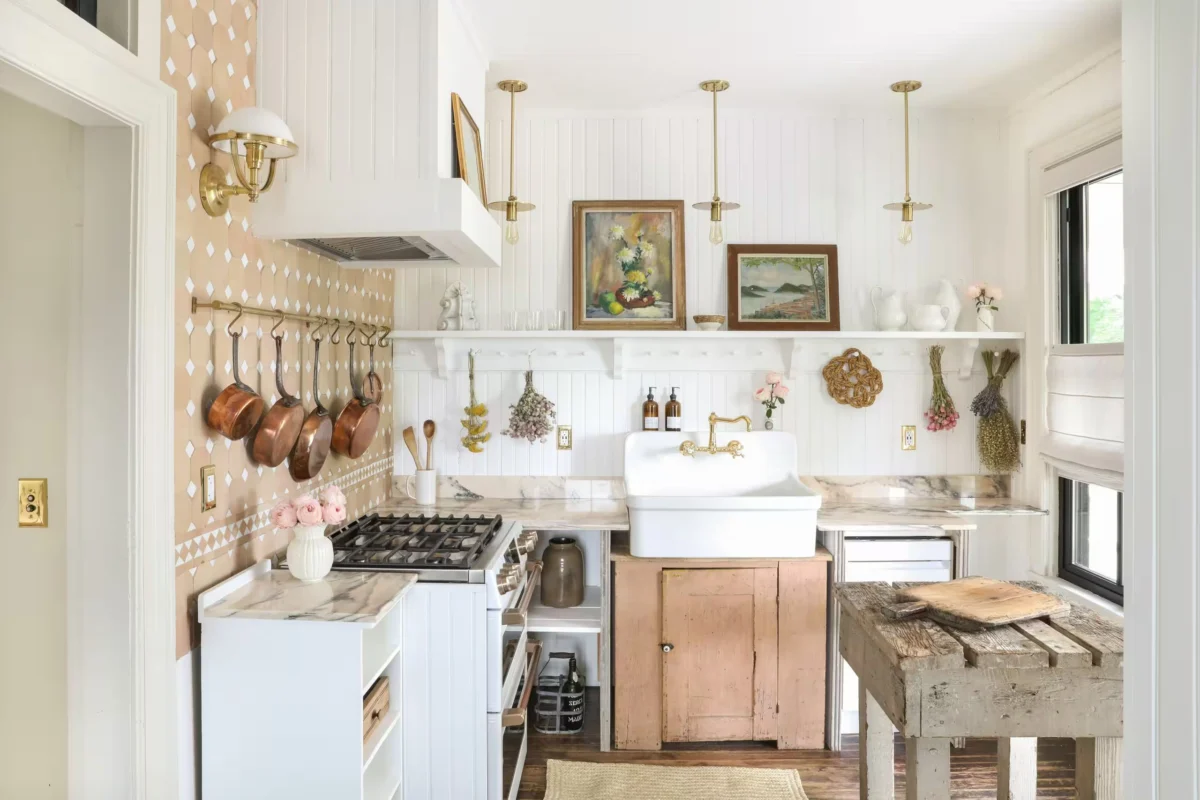
The digital realm is a constant churn of fleeting aesthetics, ephemeral trends that capture the public imagination for a season before fading into obscurity. From the sun-drenched romance of "tomato-girl summer" to the rugged allure of "coastal cowboy," these internet-born micro-trends often prove to be as transient as a social media post. Yet, amidst this ever-shifting landscape, one aesthetic has demonstrated remarkable resilience and enduring appeal: cottagecore. Emerging into the mainstream around 2020, this charmingly bucolic style resonated deeply with individuals seeking solace and a return to simpler times during periods of global uncertainty.
The core tenets of cottagecore revolve around a romanticized vision of rural life, a yearning for an unplugged existence that prioritizes analog pursuits and a connection to nature. During the early stages of the COVID-19 pandemic, as lockdowns confined many to their homes, a surge of interest in activities like baking sourdough bread, cultivating home gardens, and engaging in traditional crafts such as knitting and reading flourished. This embrace of slow, mindful living was not merely a passing fad; it began to permeate interior design, transforming living spaces into havens of comfort and nostalgia. The visual language of cottagecore in interiors is characterized by antique furniture, cozy patchwork quilts, intricately patterned wallpaper, and the untamed beauty of wild gardens, evoking a sense of timeless tranquility. This aesthetic has found expression in various hospitality settings, including boutique hotels like The Six Bells in Rosendale, New York, which has masterfully curated an ambiance that embodies a whimsical British country-house fantasy, offering guests an immersive escape into this idyllic world.
While some might categorize cottagecore as a purely whimsical trend, its enduring presence suggests a deeper cultural significance. It can be argued that cottagecore possesses a stability as a design concept comparable to established styles like Scandinavian minimalism. Although it encompasses various stylistic offshoots, such as the more eclectic "folklectic" or the vintage-inspired "granny chic," the overarching objective remains a profound and heartfelt return to the past. This desire for a simpler, more grounded existence is powerfully reflected in the curated selection of cottagecore-inspired Airbnbs. These accommodations, ranging from charming cottages to rustic cabins, are strategically located across diverse landscapes, from the verdant expanses of upstate New York to the rugged, windswept beauty of California’s Mendocino Coast. Each property is meticulously chosen for its ability to harmoniously blend with its natural surroundings and for its interior design that radiates a wonderfully homespun, artisanal quality. Whether the aspiration is to spend tranquil days meandering through a blooming garden or to dedicate uninterrupted hours to the quiet pleasure of reading, these selected Airbnbs offer the quintessential cottagecore experience, providing an ideal backdrop for inspiring an intentional, unplugged lifestyle.
The selection process for these featured cottagecore Airbnbs was rigorous and multi-faceted, prioritizing listings that consistently deliver exceptional guest experiences. Key criteria included Superhost and Guest Favorite status, which denote a proven track record of outstanding hospitality and guest satisfaction. High ratings across various categories, including cleanliness, accuracy, and value, were paramount. Furthermore, the availability of essential amenities that enhance comfort and convenience was carefully assessed. The geographical location and the property’s integration with its natural environment were considered crucial elements of the cottagecore aesthetic. The interior decor, with its emphasis on charm, character, and a homespun feel, played a significant role in the final selection. Editor stays and extensive previous guest reviews provided invaluable qualitative insights, confirming the authentic appeal and enduring charm of these chosen properties.
The Genesis and Evolution of Cottagecore
The roots of cottagecore can be traced back to online communities that began cultivating a shared interest in romanticized ruralism as early as 2017. However, it was the unprecedented circumstances of the global pandemic, beginning in 2020, that propelled cottagecore from a niche internet subculture into a widely recognized mainstream aesthetic. With extended periods of mandated home confinement, individuals found themselves with more time to engage in activities that offered a sense of tangible accomplishment and emotional fulfillment. The allure of slow, deliberate processes—from the patient fermentation of sourdough starter to the repetitive, calming rhythm of knitting needles—provided a much-needed antidote to the anxieties of the modern world.
This embrace of a slower pace of life and a return to handcrafted traditions began to manifest in the way people designed and decorated their living spaces. Architectural Digest, a leading publication in interior design, has observed that cottagecore interiors are defined by an emphasis on coziness and the incorporation of natural elements. This includes decorative accents such as dried flowers, vintage dishware reminiscent of a grandmother’s collection, and an overall aesthetic that evokes a sense of comfort, warmth, and nostalgia. This design philosophy has inspired a new wave of hospitality ventures. Hotels like The Six Bells in Rosendale, New York, and Maison Monna, both celebrated for their dedication to this aesthetic, exemplify the successful translation of cottagecore principles into immersive guest experiences. The Six Bells, for instance, has meticulously crafted an environment that fully embraces the whimsical British country-house fantasy, offering patrons a tangible escape into this idyllic vision. Maison Monna similarly provides a sanctuary that embodies the cozy, nature-infused spirit of cottagecore.
Where to Find Your Cottagecore Retreat
The appeal of cottagecore extends beyond individual homes and is increasingly reflected in vacation rental markets. Certain regions have become particularly synonymous with this aesthetic, offering a concentration of charming and authentic cottagecore-inspired properties. New York’s Hudson Valley and the Catskill Mountains, renowned for their picturesque landscapes and historic farmhouses, have emerged as prime destinations for those seeking this particular style of retreat. The pastoral beauty and rich history of these areas provide a natural backdrop that perfectly complements the cottagecore ethos.
Beyond these well-established enclaves, pockets of New England also offer a wealth of cottagecore-esque rentals, often found in charming villages and rural settings that have retained their historical character. In the American South, restored farmhouses are being reimagined with a cottagecore sensibility, blending Southern charm with rustic elegance. On the West Coast, coastal beach houses, particularly those with a vintage or weathered aesthetic, can also evoke elements of cottagecore, offering a serene escape by the sea. In essence, the ideal location for a cottagecore rental is any pastoral setting that evokes the timeless charm of a traditional cottage or a secluded cabin, providing a sense of peace and connection to the natural world.
The Broader Implications of Cottagecore’s Popularity
The enduring popularity of cottagecore, particularly its surge during and after the pandemic, suggests a deeper societal shift in priorities and values. The aesthetic’s emphasis on slow living, analog activities, and a connection to nature can be interpreted as a collective response to the perceived excesses and anxieties of modern, hyper-connected life.
Data-Driven Insights: While specific, large-scale quantitative data on the direct economic impact of cottagecore as a trend is still emerging, anecdotal evidence and market indicators point to its significant influence. For instance, searches for terms related to "cottagecore," "vintage decor," and "slow living" on e-commerce platforms and social media have seen substantial growth in recent years. Furthermore, the success of businesses and rental properties that explicitly market themselves within the cottagecore aesthetic underscores its commercial viability. A report by a leading home decor retailer indicated a 30% increase in sales of floral patterns and natural materials in the year following 2020, correlating with the rise of cottagecore.
Background Context: The pandemic acted as a catalyst, forcing a global pause and prompting widespread introspection. Many individuals, confined to their homes and increasingly aware of the ephemeral nature of digital connections, began to seek more tangible and grounding experiences. This led to a renewed appreciation for traditional crafts, home gardening, and a desire to create more personal and comforting living spaces. Cottagecore offered a visual and philosophical framework for this reorientation.
Timeline of Cultural Resonance:
- Pre-2017: Early inklings of romanticized ruralism and appreciation for vintage aesthetics can be observed in online forums and blogs dedicated to crafts, gardening, and historical fashion.
- 2017-2019: The term "cottagecore" begins to gain traction within specific online communities, particularly on platforms like Tumblr and Pinterest, focusing on visual aesthetics and idealized rural life.
- 2020-2021: The COVID-19 pandemic significantly amplifies cottagecore’s reach. Lockdowns and increased time spent at home lead to a surge in interest in related activities and interior design. The aesthetic enters mainstream media and retail.
- 2022-Present: Cottagecore solidifies its position as a lasting design trend, moving beyond its pandemic-era origins. It continues to influence interior design, fashion, and hospitality, demonstrating a sustained appeal for its emphasis on comfort, nature, and nostalgia.
Analysis of Implications: The sustained appeal of cottagecore suggests a growing dissatisfaction with the constant pace of technological advancement and the pressures of contemporary life. It implies a desire for authenticity, sustainability, and a more mindful approach to consumption and daily living. For the travel industry, this translates into a demand for accommodations that offer an escape from the ordinary and a connection to nature and local culture. The trend encourages a focus on experiences that are restorative and enriching, rather than purely transactional.
Statements and Reactions (Inferred): While direct quotes from trend forecasters or specific designers regarding cottagecore’s long-term impact are still evolving, industry publications frequently highlight its role in shaping consumer preferences. Many interior designers and hospitality professionals have noted a significant client interest in creating "cozy sanctuaries" and incorporating "nature-inspired elements," directly aligning with cottagecore principles. The success of businesses that authentically embrace this aesthetic is a testament to its resonance with a broad audience.
FAQ: Cottagecore Explained
What exactly is cottagecore?
Cottagecore is an aesthetic movement that celebrates and romanticizes a return to traditional, rural life and a slower pace of living. It is characterized by an appreciation for nature, handmade crafts, vintage items, and a general sense of coziness and nostalgia. While some point to its emergence on the internet as early as 2017, it was the global pandemic that significantly propelled cottagecore into the mainstream. The enforced periods of staying at home provided individuals with more time to engage in analog activities like baking, gardening, and crafting, fostering a deeper connection with these pursuits. In interior design, cottagecore translates to embracing warmth, comfort, and the incorporation of natural elements, such as dried flowers, botanical prints, and antique furnishings. Publications like Architectural Digest have noted that it’s about creating a sense of hygge, or cozy contentment, within one’s home. Hotels such as The Six Bells in Rosendale, New York, and Maison Monna are frequently cited as prime examples of this aesthetic, offering guests an immersive experience in a whimsical, country-inspired setting.
Where can you find cottagecore-esque rentals?
Cottagecore-inspired rentals are particularly prevalent and popular in regions that offer a strong connection to nature and a sense of historical charm. New York’s Hudson Valley and the Catskill Mountains are renowned for their abundance of picturesque landscapes, historic farmhouses, and rustic cabins that lend themselves perfectly to the cottagecore aesthetic. These areas provide an ideal backdrop for a tranquil, rural getaway. Additionally, the broader New England region offers numerous charming villages and rural retreats that embody cottagecore principles. You can also find elements of this style in restored farmhouses in the Southern United States, which often combine regional architectural heritage with a cozy, vintage sensibility. On the West Coast, coastal beach houses, especially those with a relaxed, lived-in feel and natural materials, can also evoke cottagecore vibes. In essence, any location that offers a pastoral setting, reminiscent of a traditional cottage or a secluded cabin, is likely to host rentals that embrace cottagecore elements.