admin
admin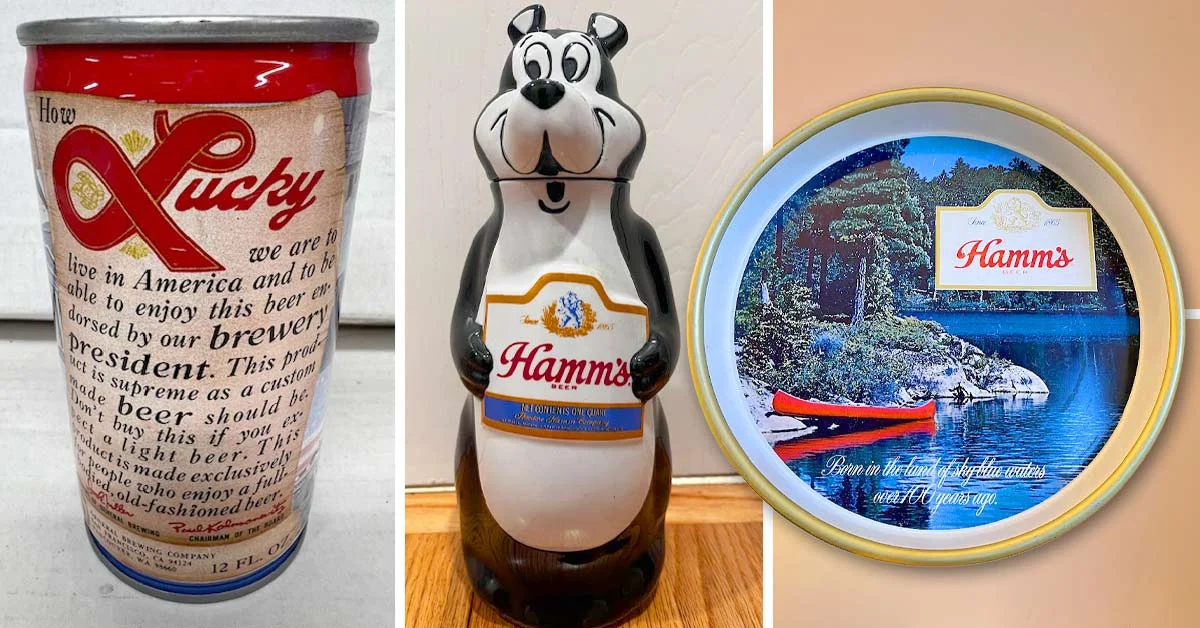
The traditional narrative of the American immigrant experience is frequently anchored to the East Coast, defined by the shadow of the Statue of Liberty and the crowded tenements of New York City’s Lower East Side. However, a parallel and equally significant history unfolded on the West Coast, where the industrial landscapes of San Francisco provided a different kind of "golden door" for Eastern European migrants. Throughout the 20th century, the brewing industry in Northern California served as a primary engine of social mobility and economic stability for the Slovene-American community, transforming a population of manual laborers into a thriving segment of the American middle class.
The Genesis of San Francisco’s Brewing Industry
San Francisco’s identity has long been intertwined with the pursuit of fortune. While the 1848 Gold Rush is the most cited catalyst for the city’s growth, the transition from speculative mining to established commerce defined its long-term stability. Early chroniclers like Richard Henry Dana, who first visited the region in 1834, noted that the true wealth of the city lay not in the gold fields, but in the "worlds not realized" within its nascent business sectors.
The brewing industry was among the first to professionalize. Beer production in California predates the Gold Rush; historical records indicate that the firm of Benjamin T. Reed imported the first documented shipment of bottled beer to San Francisco in 1843. Due to the lack of ice and traditional refrigeration in the mid-19th century, local brewers developed "steam beer," a unique process where the heated wort was cooled in large, shallow vats on rooftops, utilizing the city’s natural fog and cool breezes to initiate fermentation. This process, pioneered by companies like the Anchor Brewing Company (founded in 1896), established San Francisco as a distinct hub for brewing innovation.
The Slovene Migration: From Mines to Manufacturing
The Slovene-American experience in the early 20th century was characterized by a multi-stage migration. According to 1920 U.S. Census estimates, there were approximately 228,000 individuals of Slovene descent or birth residing in the United States. Initially, many of these immigrants were concentrated in the industrial heartlands of Ohio, Pennsylvania, and Illinois, or in the mining and agricultural sectors of the Mountain West, including Idaho, Montana, and Colorado.
The geopolitical instability following World War I and the formation of the Kingdom of Yugoslavia prompted some families to return to Europe, only to be driven back to the United States by the economic devastation of the Great Depression. For many Slovene men, the path to San Francisco was paved by military service. Veterans returning from the European theater of World War II—including those who served in General George S. Patton’s Third Army—were drawn to the West Coast by the promise of post-war industrial expansion.
Initially, these workers found employment in heavy industry, such as Soule Steel, which produced landing craft and steel barges for the war effort. However, as wartime production scaled back in the late 1940s, the burgeoning commercial brewing sector offered a more sustainable alternative.
The Rise of "Burgie" and the Melting Pot of the Brew Floor
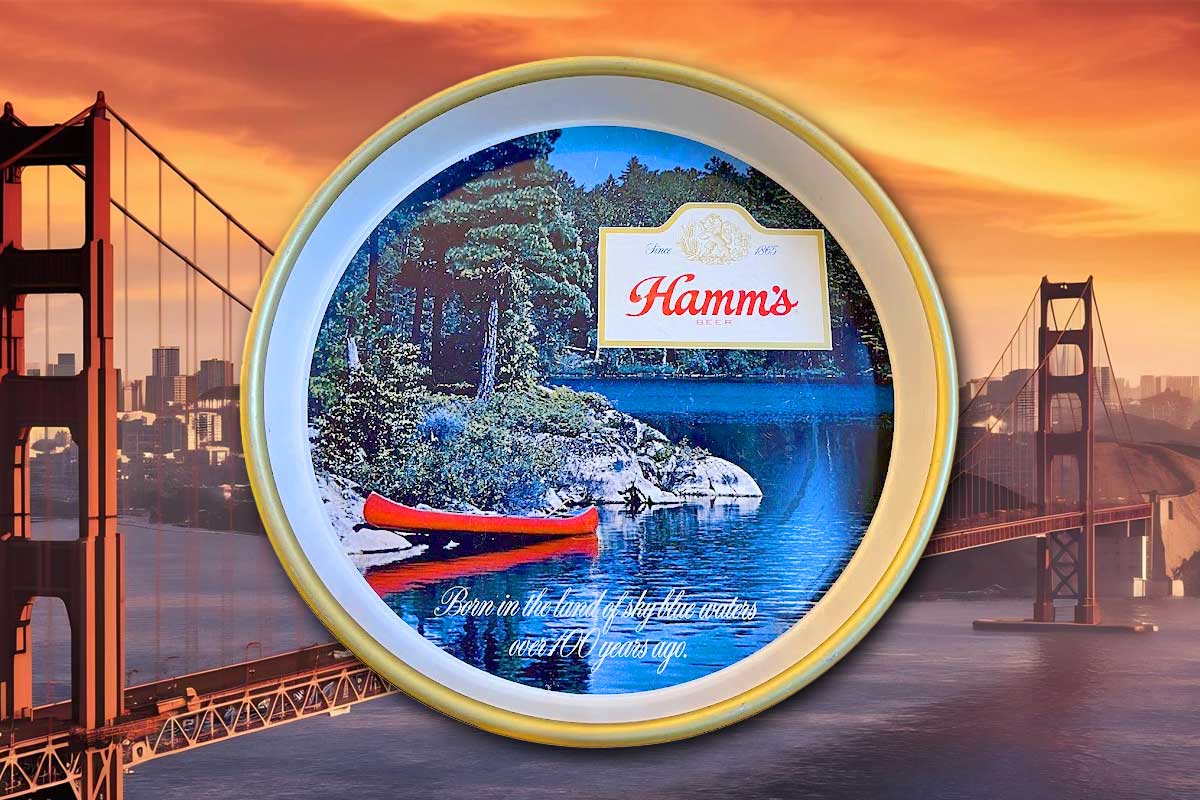
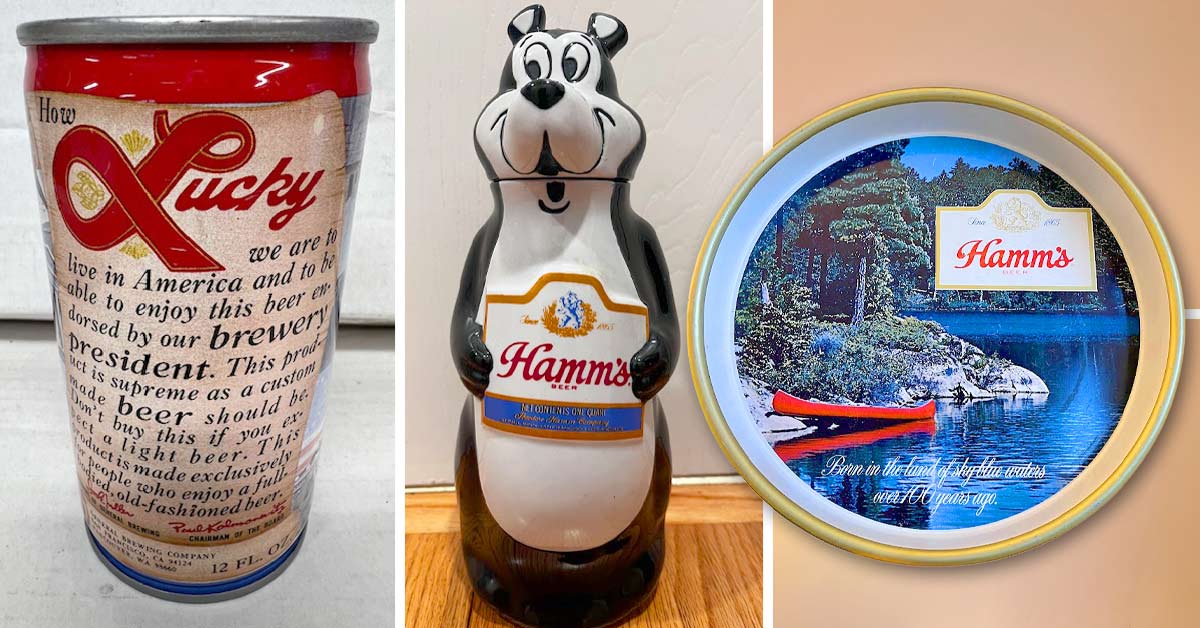
While several major labels operated in San Francisco during the mid-century—including Hamms, Schlitz, Lucky Lager, and Acme—it was the San Francisco Brewing Corp. (renamed Burgermeister in 1956) that became the epicenter of Slovene-American labor. Known colloquially as "Burgie," the brewery became a sanctuary for Eastern European immigrants who often faced "No Bohunks Need Apply" signs at other local businesses.
The brewery floors functioned as a social and economic melting pot. Industrial records and oral histories suggest that despite the ethnic tensions prevalent in the mid-20th century, the brew floors were remarkably integrated. Slovene workers labored alongside Irish, French, Italian, and Scottish immigrants. By the 1970s, the workforce further diversified to include African American laborers, creating a collaborative environment focused on high-volume production.
The work was grueling but rewarding. Laborers were responsible for:
- Logistics: Operating forklifts to move massive kegs and pallets of cans.
- Packaging: Managing the high-speed lines that filled, labeled, and capped bottles.
- Quality Control: Monitoring pH levels and product consistency to meet the standards of a nationalizing market.
Economic Impact and Union Protection
The significance of brewery work for the Slovene community lay in its compensation and security. At the height of production, a single eight-hour shift with a crew of 40 workers could process up to half a million units. This high productivity translated into wages that allowed immigrant families to achieve homeownership—often purchasing and renovating Victorian houses in the city’s growing neighborhoods.
Crucially, the industry was heavily unionized. Support from the Teamsters provided workers with not only competitive hourly rates but also the promise of a pension. The strength of this labor bond was evidenced during the 1973 Coors boycott; Slovene workers in San Francisco stood in solidarity with their counterparts, protesting against low wages and discriminatory hiring practices elsewhere in the industry.
For the second generation, the "beer factory" served as a bridge to higher education. It was common for the sons of Slovene immigrants to join the union during summer breaks, working double shifts or "graveyard" schedules to fund their college tuition. This generational hand-off ensured that while the fathers labored on the factory floor, the sons could enter professional fields, completing the arc of upward mobility.
A Chronology of San Francisco Brewing and the Slovene Influence
- 1896: Anchor Brewing Company is founded, codifying the "steam beer" tradition.
- 1920–1933: Prohibition disrupts the industry; many breweries survive by producing "near beer" or malt syrup.
- 1935: Milwaukee Brewing is renamed San Francisco Brewing Corp., laying the groundwork for the Burgermeister brand.
- 1942–1945: World War II creates a labor shortage; the union begins holding jobs for servicemen, ensuring a stable post-war workforce.
- 1956: The Burgermeister brand reaches peak local popularity, becoming a staple of Northern California culture.
- 1965: Fritz Maytag acquires a stake in the struggling Anchor Brewing, signaling the beginning of the craft beer revolution.
- 1973: National labor unrest and the Coors boycott highlight the importance of union protections for brewery workers.
- 1980s: Automation and the consolidation of large-scale brewing lead to the closure of many traditional San Francisco plants.
Technical Innovation and the Shift to Automation
The decline of the traditional immigrant brewery worker was precipitated by the same forces that fueled the Silicon Valley revolution: technological innovation. By the late 1970s, the manual tasks of packing, labeling, and palletizing were increasingly handled by automated systems.
As machines replaced human hands, the Slovene-American workforce began to dissipate. Older workers retired on their hard-earned pensions, while younger workers transitioned into different sectors, such as soft drink syrup production at Coca-Cola or Dr Pepper plants, or moved to high-capacity facilities like the Anheuser-Busch plant in Fairfield, California.
The physical legacy of this era has largely been erased from the cityscape. The former Burgermeister factory, once a cathedral of industrial brewing, was eventually demolished to make way for a Costco wholesale warehouse. This transition from production to consumption mirrors the broader economic shift of San Francisco from an industrial port to a tech and service-oriented hub.
Legacy and Modern Implications
Today, the contribution of Slovene immigrants to the American West is often overshadowed by the high-tech narrative of the Bay Area. However, the legacy of these workers persists in the region’s thriving craft beer culture. San Francisco Beer Week, an annual ten-day event, now features hundreds of breweries that owe their existence to the industrial infrastructure and market demand established by the immigrant workers of the 20th century.
Furthermore, the cultural exchange has come full circle. Modern European bottle shops in the Bay Area frequently stock brands from Slovenia, such as Laško and Union, catering to a new generation of consumers who recognize Slovenia as a country with its own robust brewing heritage.
The story of the Slovene-American beer worker serves as a factual testament to the power of industrial labor as a tool for immigrant integration. It demonstrates that the "Golden Door" was not merely a poetic metaphor, but a literal gateway provided by the steady wages, union protections, and community ties found within the walls of San Francisco’s breweries. As the city continues to evolve, the history of those who built its middle class with their hands remains a vital, if often silent, foundation of its current prosperity.