admin
admin
The landscape of the Canadian craft beer industry underwent a period of profound self-reflection beginning in March 2021, sparked by a national campaign that sought to celebrate Indigenous women but instead highlighted deep-seated historical traumas. The "Celebrating Sisters" campaign, spearheaded by a trio of Indigenous brewers known as the Indigenous Brew Crew (IBC), was designed to raise funds and visibility for Indigenous women across Canada. However, the initiative quickly became a lightning rod for a complex debate regarding the relationship between Indigenous communities and an industry centered on a substance that has historically been used as a tool of colonial oppression. While the campaign received significant praise, it also faced anguished criticism from those pointing to the generational harm alcohol has caused within First Nations, Métis, and Inuit communities. This tension eventually led to the dissolution of the IBC and a period of relative silence, yet it also paved the way for a more nuanced understanding of Indigenous sovereignty and entrepreneurship within the sector.
A Chronology of Exclusion and the Legacy of the Indian Act
To understand the current friction within the industry, one must examine the legislative framework that governed Indigenous lives for over a century. The Indian Act of 1876 served as the primary mechanism for the Canadian government’s control over Indigenous identity, land, and social conduct. Under this act and subsequent amendments, Indigenous people were systematically excluded from the alcohol industry. For decades, it was illegal for "status Indians" to purchase, possess, or consume alcohol. This prohibition was so absolute that Indigenous individuals could lose their legal status—a process known as enfranchisement—if they were found to be participating in the consumption or sale of liquor.
The historical irony lies in the fact that while Indigenous people were legally barred from the industry, settlers frequently used alcohol as a predatory trade commodity to destabilize Indigenous economies and social structures. The term "Indian Beer" eventually emerged to describe non-alcoholic beverages, the only variety Indigenous people were legally permitted to consume. The 2015 Truth and Reconciliation Commission (TRC) report explicitly categorized these policies as part of a broader "cultural genocide," designed to fracture families and erase cultural heritage. The trauma inflicted by the residential school system and the "Sixties Scoop"—where Indigenous children were forcibly removed from their homes—created a cycle of dependency as many turned to alcohol as a coping mechanism for profound psychological wounds.
Legislative shifts between the 1950s and 1980s eventually repealed these prohibitory laws, but the damage remained. Today, the Indigenous community remains divided on the issue: some advocate for total prohibition on reserves as a form of harm reduction, while others view participation in the brewing industry as a vital expression of economic self-determination and sovereignty.
The Rise of Indigenous Entrepreneurship and the Burden of Representation
Despite the weight of history, a growing number of Indigenous entrepreneurs are entering the craft beer space, often carrying the dual responsibility of running a business while representing their culture. Melanie MacInnes, a Métis woman and co-owner of Locality Brewing in Langley, British Columbia, exemplifies this tension. MacInnes initially hesitated to define her business through an Indigenous lens, describing a "visceral response" to being nominated for the Best Indigenous-Led Business at the 2022 BC Food & Beverage Awards.

The hesitation felt by owners like MacInnes often stems from the fear of tokenization or the heavy responsibility of "walking the walk" in a way that respects community elders and historical sensitivities. However, after accepting the nomination and winning, MacInnes found that being open about her Métis identity fostered a deeper connection with her land and community. This sentiment is echoed by Darian Kovacs of Jelly Digital Marketing, who notes that for many Métis families, the historical pressure to hide their identity has transitioned into a modern movement of cultural pride and visibility.
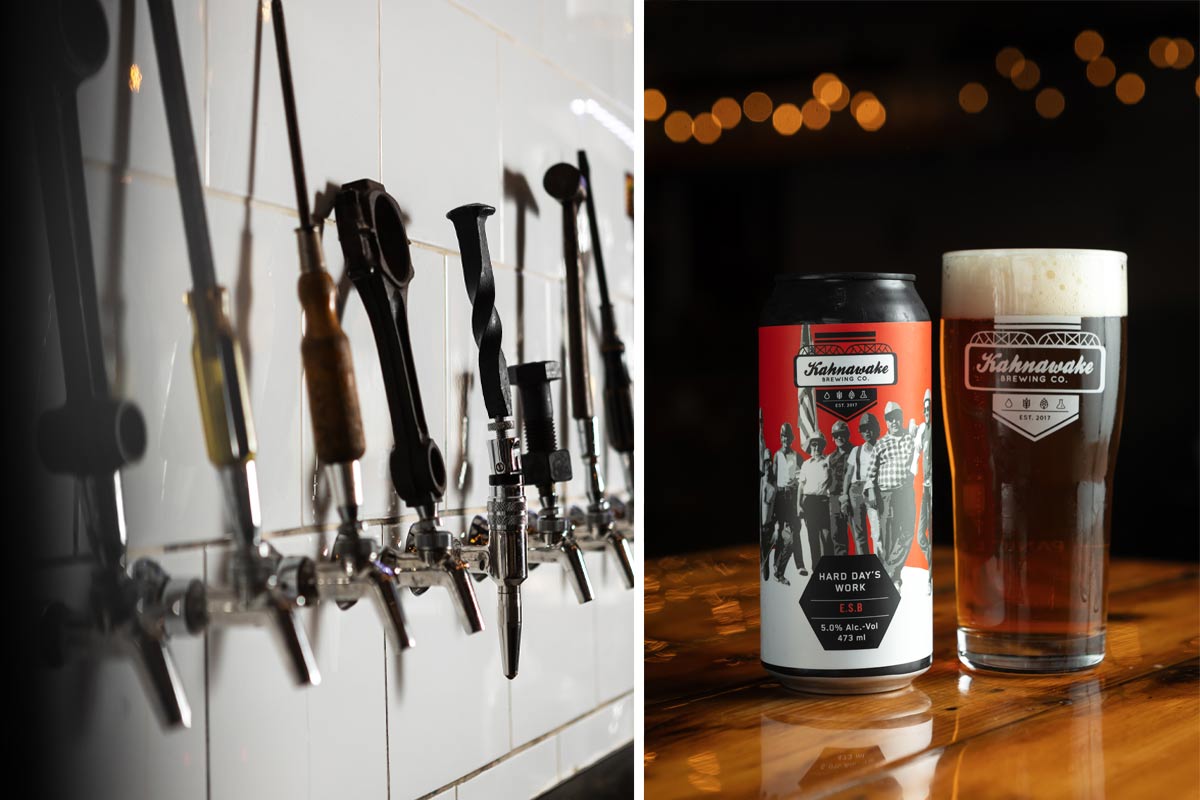
In Quebec, the Kahnawake Brewing Company & Black Bridge Taproom has set a precedent as the first openly Indigenous-owned craft brewery situated on Indigenous land. Co-owner Fred Leblanc, a former ironworker, leveraged the history of the Mohawk ironworkers—who helped build the Saint-Laurent Railway Bridge in 1900—to create a brand that bridges the gap between Indigenous history and modern industry. The brewery’s success, evidenced by multiple medals at the Canada Beer Cup in 2024 and 2025, suggests that there is a significant market for Indigenous-led products that prioritize authentic storytelling over stereotypical marketing.
Indigenous Perspectives on Inclusion and the Supply Chain
True inclusion in the craft beer industry, according to Indigenous stakeholders, goes beyond marketing and label art. It requires a presence at every level of the supply chain, from agricultural production to distribution. Kevin Symington, a Métis brewer who has worked with Fernie Brewing Co. and Crannog Ales, emphasizes the importance of Indigenous visibility in all sectors. At Fernie Brewing, Symington worked on Diversity, Equity, and Inclusion (DEI) committees to establish formal relationships with the Elk Valley Métis Nation and the Ktunaxa people, ensuring that the brewery’s operations respected local protocols and history.

The call for structural inclusion is supported by broader economic data. According to reports from organizations like the National Aboriginal Economic Development Board, the Indigenous economy in Canada is a rapidly growing sector, with the potential to contribute significantly to the national GDP if barriers to capital and land use are removed. Supporting Indigenous entrepreneurship in brewing is increasingly viewed by some as a form of economic reconciliation.
Jason Tremblay, head brewer at Toronto’s Two Loons Brewing, points out that the "entrepreneurial spirit" has long been a survival mechanism for Métis people who were forced to "hustle in plain sight" after the government theft of their lands in the 1870s. Tremblay acknowledges his "white-passing" privilege but uses his platform to highlight the need for more First Nations representation in malt warehouses and hop supply chains. Financial infrastructure, such as support from the Manitoba Métis Federation and Farm Credit Canada, has become crucial in helping these businesses navigate the high capital requirements of the brewing industry.
Reclaiming the Narrative through Ingredients and Experience
For many Indigenous brewers, the product itself serves as a medium for cultural reclamation. Rather than simply producing standard styles, these brewers are incorporating traditional ingredients and experiences that educate the consumer.

- Red Tape Brewery (Toronto): Inuit brewer Sarabeth Holden produces "bespoke" beers, including an amber ale brewed with orange pekoe tea—a staple in Northern hunting and fishing camps—and a Paunnat (dwarf fireweed) Saison.
- Nonsuch Brewing Co. (Winnipeg): Matthew Sabourin hosts "Beer Bannock" experiences, where customers learn to make the traditional unleavened bread while discussing Indigenous history under a mural of Louis Riel.
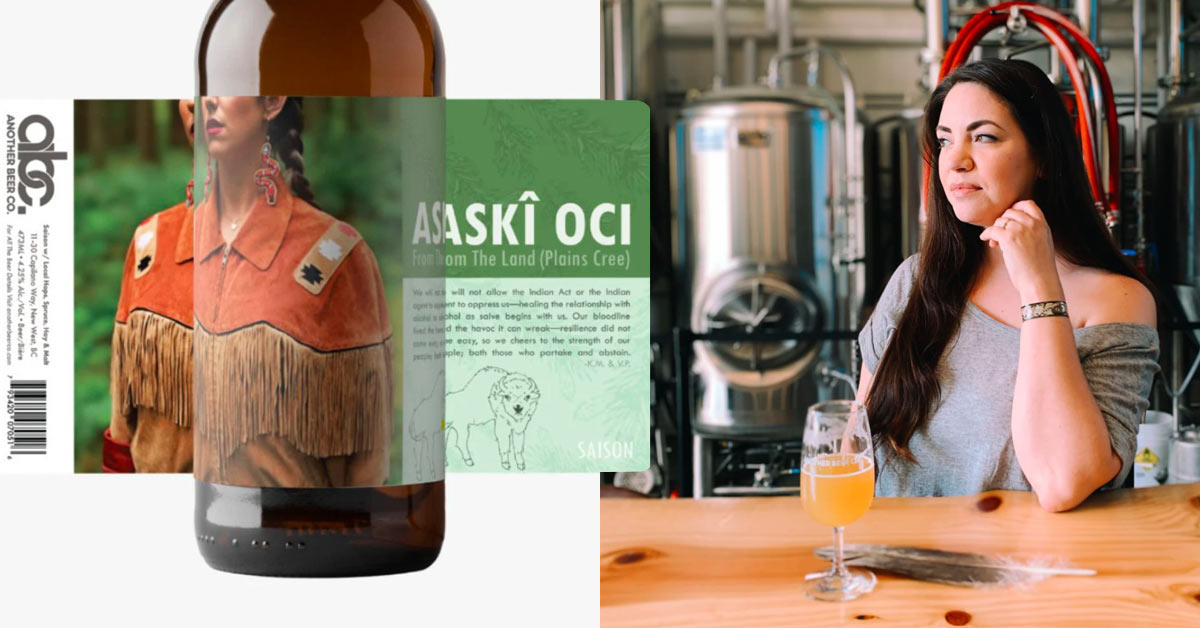
- Heartberry Soda / Another Beer Co. (British Columbia): Nadine Jopson, of the Cree Nation, developed the Askî Oci saison, using alfalfa and spruce tips. The label for this beer explicitly addressed the Indian Act, stating a refusal to allow past legislation to continue oppressing the community’s relationship with the earth’s bounty.
These initiatives represent a shift from alcohol as a "violent intrusion" to alcohol as a craft product derived from natural elements—a perspective shared by Niigaan Sinclair, an Anishinaabe professor. Sinclair notes that while alcohol has been used to cope with trauma, the natural elements used to create beer have their own place in the world, and Indigenous people must be the ones to define their relationship with those elements.
Broader Implications: Sovereignty and the Path Forward
The presence of Indigenous people in the Canadian craft beer industry is ultimately an issue of sovereignty. Darnell Stager of Indigenous Tourism BC argues that antagonism toward Indigenous brewers is often a remnant of colonial economic gatekeeping. Stager points out that the "ward of the state" status historically assigned to Indigenous people must be replaced by full self-determination, which includes the right to participate in any legal industry, including those involving controlled substances.
However, this sovereignty comes with what Sinclair calls "the responsibility to avoid causing harm." This balance is the central challenge for the industry moving forward. Industry experts and Indigenous leaders suggest several steps for non-Indigenous breweries to foster genuine reconciliation:
- Direct Engagement: Inez Cook, co-founder of Salmon n’ Bannock, advises brewery owners to personally introduce themselves to local tribal nations, emphasizing that Indigenous business is built on personal relationships rather than corporate contracts.
- Ethical Sourcing: Prioritizing Indigenous-owned suppliers for hops, grain, or artistic services.
- Space for Dialogue: Avoiding the temptation to silence difficult conversations about the history of alcohol and instead providing a platform for Indigenous voices to lead the narrative.
As the Canadian craft beer community continues to evolve, the voices of Indigenous brewers offer a blueprint for a more ethical and inclusive industry. Their focus on land stewardship, community responsibility, and historical honesty provides a counter-narrative to the profit-driven models of the past. The dissolution of the Indigenous Brew Crew in 2021 was not the end of the conversation, but rather the beginning of a more serious, albeit difficult, era of engagement between Canada’s oldest nations and one of its fastest-growing industries.