admin
admin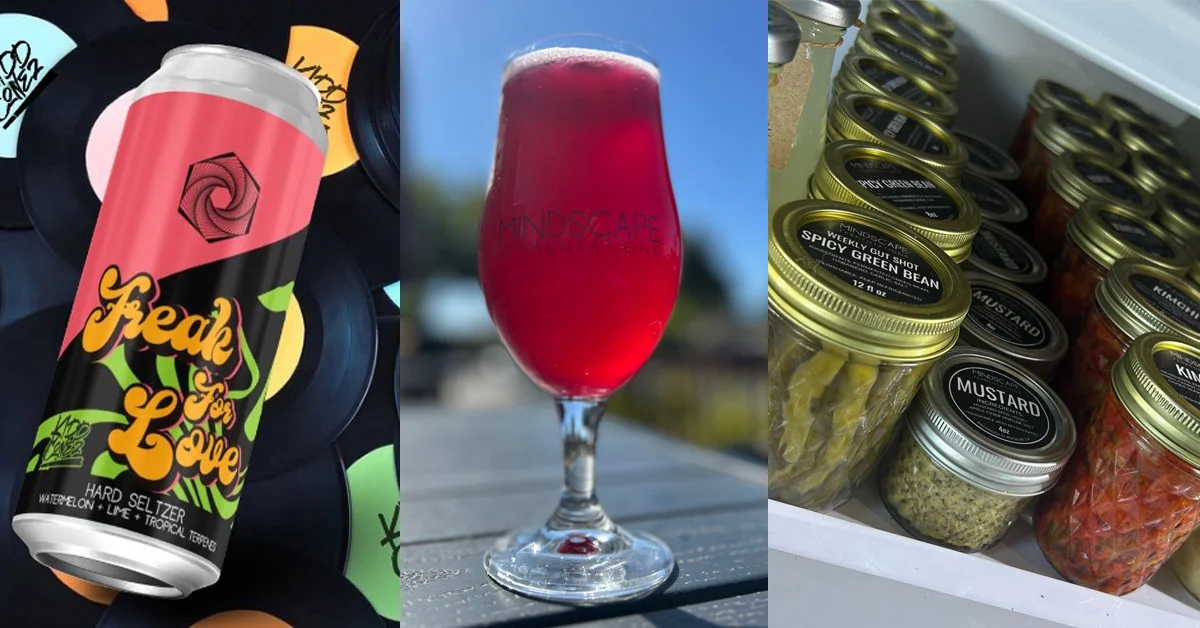
The traditional image of the craft brewery—a stainless-steel production facility attached to a modest neighborhood taproom—is undergoing a fundamental transformation. Driven by a volatile global economy, rising operational costs, and shifting consumer preferences, brewery owners are moving beyond the "brewpub" model to embrace radical new identities. From the communal "tiers-lieu" of rural France to shared-infrastructure cooperatives in Brussels and multi-product "fermentories" in California, the industry is witnessing a pivot toward collective resilience and product diversification. These shifts represent more than just aesthetic changes; they are strategic responses to a market where the standard definition of a brewery may no longer be sufficient for survival.
The Economic Context: Why Evolution is Mandatory
The craft brewing industry, which enjoyed a decade of explosive growth, is currently navigating a period of significant cooling. According to data from the Brewers Association, while the number of operating craft breweries in the United States reached an all-time high of over 9,500 in recent years, production growth has largely plateaued, with 2023 seeing a 1% decline in traditional craft output. In Europe, the situation is compounded by an energy crisis that has seen utility costs for breweries quadruple in certain regions, alongside sharp increases in the price of raw materials like malted barley and aluminum.
Faced with these headwinds, the "lone wolf" model of brewery ownership—where a single entity bears the full burden of rent, equipment, marketing, and staffing—is becoming increasingly precarious. The emerging alternatives prioritize shared risk and "third place" community integration, a sociological concept popularized by Ray Oldenburg that describes spaces between the home and the workplace where social equity and community engagement thrive.
The Collective Model: The Rise of the Tiers-Lieu
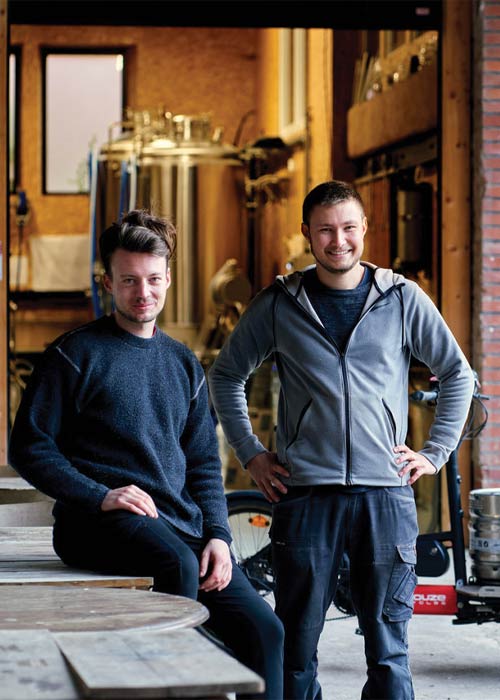
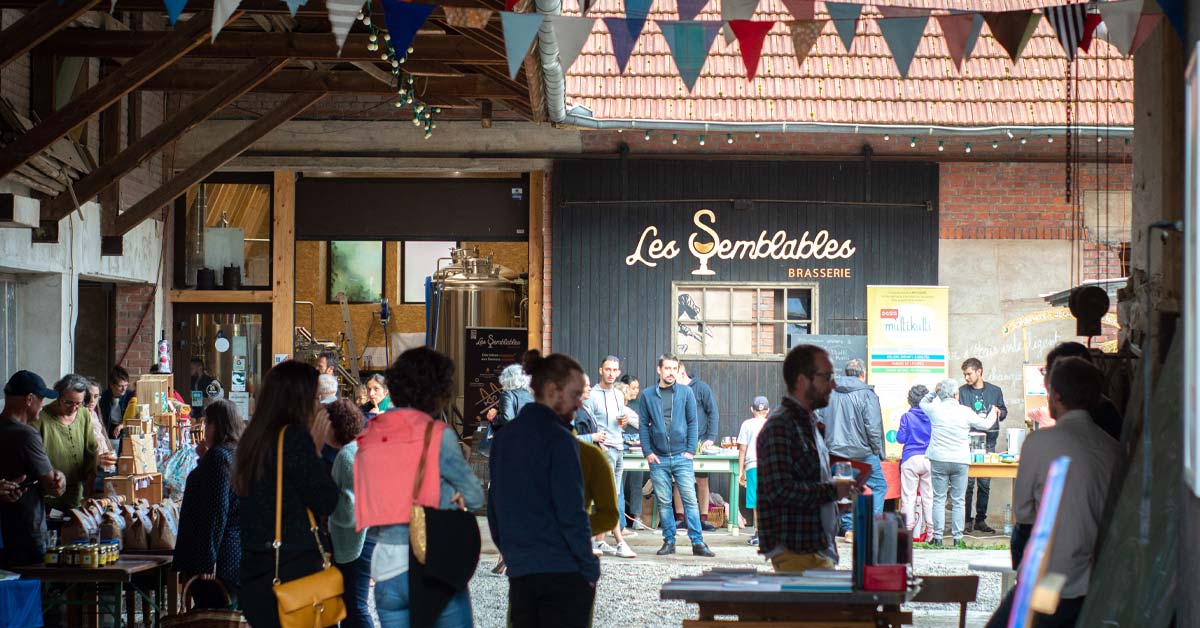
In the Alsace region of France, Brasserie Les Semblables exemplifies the shift toward integrated community spaces. Founded by Eliott Pernelle and Etienne Voinson, the brewery opted against settling in a traditional industrial park, choosing instead to become a tenant within Oasis Multikulti. Located on a historic farm in the village of Mietesheim, Oasis Multikulti is a "tiers-lieu" (third place), a community-centric venue run by volunteers that hosts everything from pottery classes to farmer’s markets.
By installing their brewing equipment in former stables, Pernelle and Voinson bypassed the isolation of the industrial sector. The benefits of this model are twofold: immediate access to an established foot-traffic base and a reduction in marketing overhead. However, the model requires a "social tax" in the form of labor. Pernelle contributes to the collective by managing the venue’s social media, illustrating a move away from purely transactional business relationships toward a symbiotic ecosystem.
This French model mirrors a broader European trend where breweries act as anchors for rural revitalization. By embedding themselves in multi-use spaces, these breweries become essential infrastructure rather than luxury destinations, insulating them from the cyclical nature of discretionary spending.
Shared Infrastructure: The CoHop Revolution in Brussels
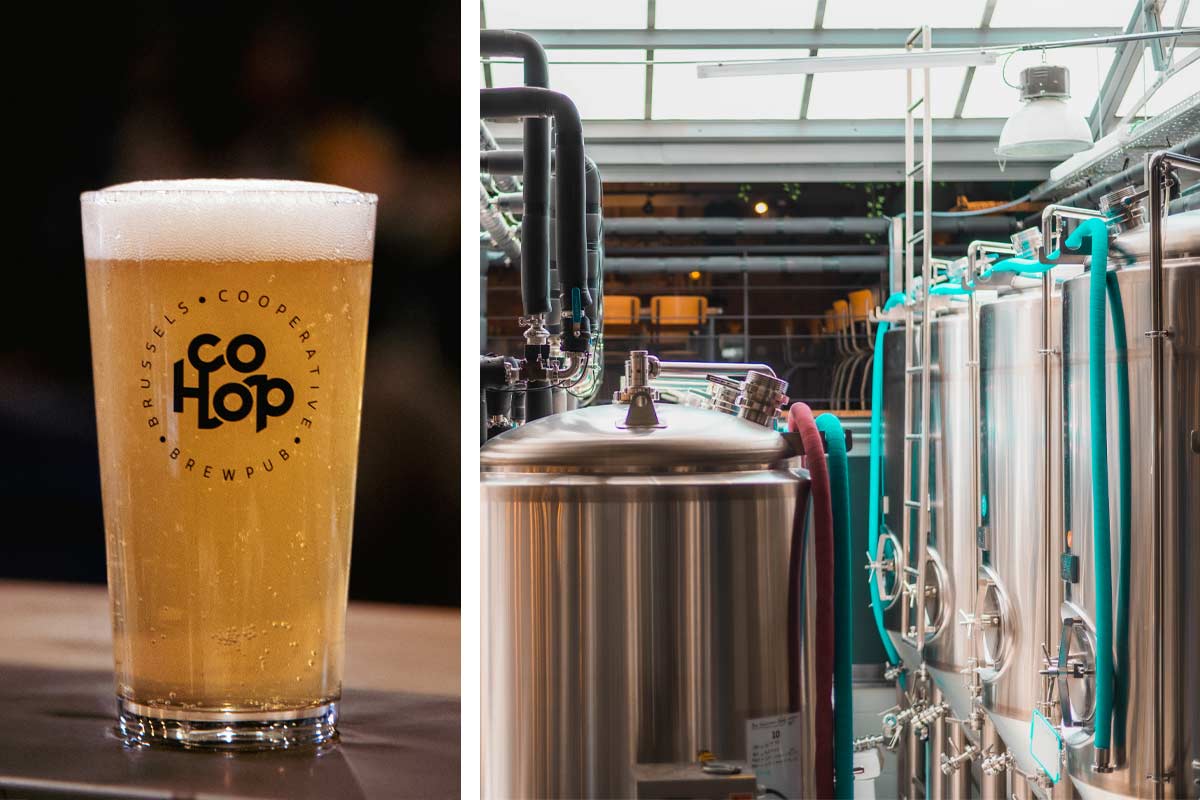
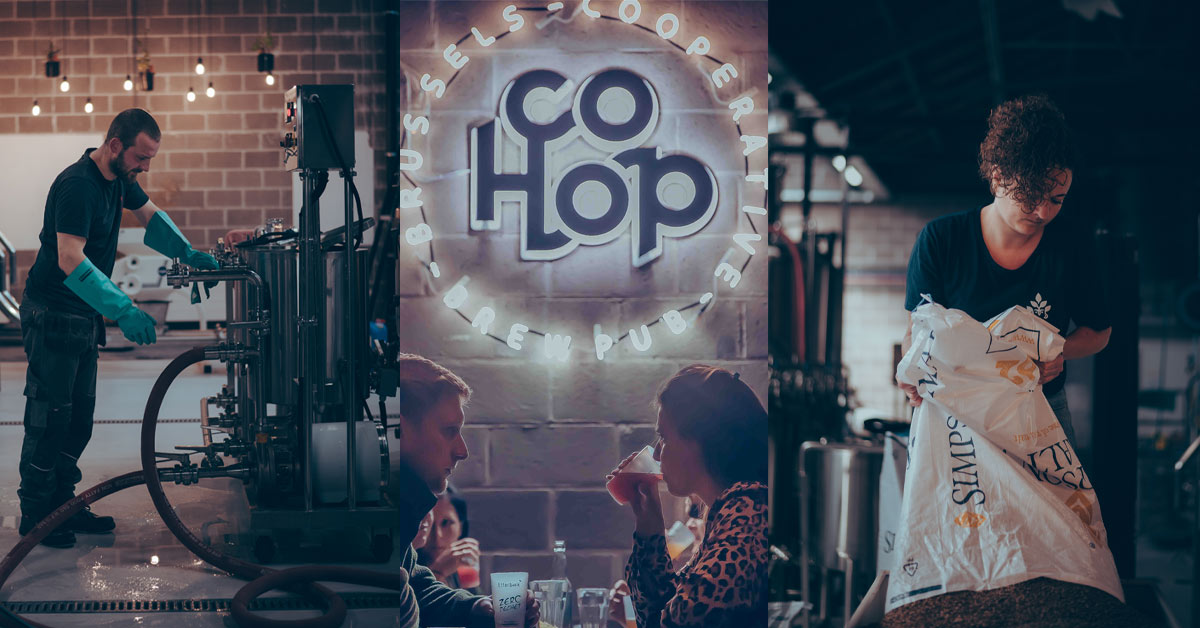
While the French model focuses on social integration, the Belgian model focuses on industrial efficiency. In Brussels, the CoHop project represents one of the most advanced examples of shared-asset brewing in the world. Inspired by the 18th-century German tradition of Zoiglbier—where residents of a town share a communal brewhouse—CoHop was founded by Thomas Detourbe of Brasserie Witloof.
The cooperative brought together five distinct entities: La Bagarre, Janine, 1Bière 2Tartines, and eventually La Flaque in 2025. For these brewers, many of whom started as contract brewers (producing beer at other people’s facilities), the jump to individual ownership was financially insurmountable. By sharing a single high-spec brewhouse, the five teams reduced their individual capital expenditure by an estimated 60% to 70%.
Sustainability is a key driver of this collaborative approach. A shared facility requires significantly less water and energy per hectoliter produced than five separate small-scale operations. The organizational complexity is managed through a division of labor: one team handles raw material procurement, another manages the brewing schedule, and a third oversees maintenance. Crucially, the site also includes a bakery (Janine), which uses spent grain from the brewing process, creating a circular economy within the building.
Chronology of Collaborative Brewing Milestones
The movement toward shared and communal brewing is not a new phenomenon, but its professionalization has accelerated in the last decade:
- 2018: UNESCO recognizes the "Zoigl" culture of communal brewing in Bavaria as an Intangible Cultural Heritage of Humanity, sparking renewed interest in shared brewing models across Europe.
- 2020-2021: The global pandemic forces breweries to reconsider high-overhead taproom models. CoHop officially opens its doors in Brussels as a response to the economic difficulty of solo brewery ownership.
- 2022: The "tiers-lieu" movement gains significant traction in France, with government subsidies supporting the creation of multi-use community hubs in rural areas.
- 2023-2024: The "Fermentory" trend accelerates in the United States, with breweries in California and Pennsylvania rebranding to include kombucha, cider, and fermented foods to combat the "sober curious" market shift.
- 2025: Expansion of CoHop with the addition of La Flaque, signaling the long-term viability of the shared-space model.
The Fermentory Shift: Beyond the Four Ingredients
Parallel to the structural changes in how breweries are owned is a shift in what they produce. The term "Fermentory" is increasingly replacing "Brewery" for brands that want to escape the narrow confines of beer. This trend is a direct response to the rise of the "sober curious" movement and the growing demand for functional, low-alcohol, and health-conscious beverages.
Mindscape Fermentations in Rocklin, California, founded by Lauren Price and Lauren Houston, represents this new wave. By defining themselves as a "fermentarium," they produce beer alongside kombucha, seltzers, and fermented foods. This diversification serves as a hedge against the declining popularity of beer among younger demographics. Recent market analysis suggests that Gen Z consumers are 20% less likely to buy beer than Millennials at the same age, often citing health concerns or a preference for varied flavor profiles.
The "Fermentory" model requires a shift in the taproom experience from consumption-based to education-based. "When you say ‘brewery,’ people know exactly what to expect," Price notes. In contrast, a fermentory must explain the nuances of wild fermentation, probiotic benefits, and the crossover between winemaking and brewing techniques. This educational hurdle, however, has an unexpected benefit: it attracts a more diverse audience. Mindscape reports a significantly higher percentage of female patrons and a broader age range than traditional craft beer taprooms, which have historically skewed male.
Supporting Data: The Impact of Diversification
The logic behind the fermentory model is supported by broader beverage industry data:
- RTD (Ready-to-Drink) Growth: The market for non-beer fermented beverages, including hard kombucha and canned cocktails, grew by double digits in 2023, while craft beer remained flat.
- Health Trends: Searches for "low-alcohol" and "probiotic drinks" have increased by 300% over the last five years, according to Google Trends data.
- Demographic Reach: Industry surveys by Gallup indicate that women are increasingly moving away from beer toward wine and spirits; fermentories that offer "wine-adjacent" beers or high-end kombuchas are successfully recapturing this demographic.
Broader Implications for the Future of Craft
The evolution of these spaces suggests that the "Fourth Wave" of craft brewing will be defined by flexibility rather than purity. The rigid adherence to Reinheitsgebot-style brewing or the focus on a single product line is giving way to a more holistic view of fermentation.
For the consumer, this means the brewery of 2030 will likely look less like a bar and more like a community center or a specialty food hall. It will be a place where one can buy a loaf of bread made from spent grain, attend a community meeting, and enjoy a flight that includes an IPA, a ginger kombucha, and a barrel-aged cider.
For the industry, the implications are more profound. The success of collectives like CoHop and Oasis Multikulti suggests that the future of small-scale production may depend on the ability to cooperate with competitors. In an era of high interest rates and expensive real estate, the "sharing economy" has finally reached the brewhouse. By pooling resources, brewers are not only surviving economic downturns but are also reclaiming their historical role as the social and cultural heart of their communities.
The move toward these hybrid models is a clear signal that the brewing industry is maturing. No longer content to simply produce a commodity, brewers are redefining their value proposition, ensuring that even if the public’s thirst for a standard pint wanes, the brewery remains an indispensable "third place" in the modern social fabric.